


OpenAI officially unveiled what could be on July 10 in the early morning Taiwan time ChatGPT The Most Important Product Update in History:ChatGPT WorkThis new AI agent combining Codex and GPT-5.6 is no longer just a chatbot, but a digital employee capable of working autonomously across applications and devices for hours. At the same time, the GPT-5.6 series models (Sol, Terra, Luna) have also been fully released to the public after two weeks of government review.
This publication is regarded by the industry as OpenAI A direct response to Anthropic Claude Cowork, and OpenAI will Codex A crucial step in the transition from a developer tool to a universal office assistant. OpenAI CEO Sam Altman described it as GPT-5.6 Sol is “the best model we’ve ever made,” while ChatGPT Work is positioned as “a whole new way to get work done.”
obviously the best model we have ever produced, but also one of the best blog posts we have ever produced:https://t.co/LtgWH41x6g
— Sam Altman (@sama) July 9, 2026
ChatGPT Work: From Chat to Work — A Qualitative Transformation
ChatGPT Work’s core positioning differs fundamentally from traditional ChatGPT. OpenAI states that it is designed for “work that is longer and more complex than typical chat requests,” capable of breaking down a single goal into multiple smaller steps, autonomously completing them, and delivering the final result—which could be Word documents, Excel spreadsheets, presentations, or even directly deployable interactive websites.
Introducing ChatGPT Work, a new agent in ChatGPT powered by Codex and GPT-5.6.
It can take action across your apps and files, stay with a project for hours if needed, and turn a goal into finished work.
It’s a whole new way to get work done. pic.twitter.com/uGbvjU1LsV
— OpenAI (@OpenAI) July 9, 2026
Technically, ChatGPT Work directly inherits Codex’s agent execution capabilities. Since launching its desktop version in February this year, Codex has surpassed 5 million weekly active users, with non-engineer knowledge workers accounting for 20% of that base, growing at more than three times the rate of developers. OpenAI saw this market signal of “white-collar users coming to us on their own” and decided to directly integrate Codex’s core capabilities into ChatGPT.
Users can immediately access ChatGPT Work through desktop applications (Mac and Windows), available to all plans including the free tier. On web and mobile, Pro, Enterprise, and Edu users get priority access, while Plus and Business users will gain access over the coming days. OpenAI states that global deployment will roll out gradually within 24 hours (Taiwan is already available).
Plugin Directory: A Second Chance for Plugins in 2023
One of the most significant new features of ChatGPT Work is the brand-new Unified Plugins Directory. This directory centralizes third-party integrations in one place, with launch partners including Google Drive, SharePoint, Slack, Microsoft Teams, Gmail, Outlook, Salesforce, Adobe, Zoom, LinkedIn, GitHub, Canva, and Dropbox. Users can invoke specific plugins by mentioning them with “@”, or let ChatGPT decide which data sources need to be accessed.

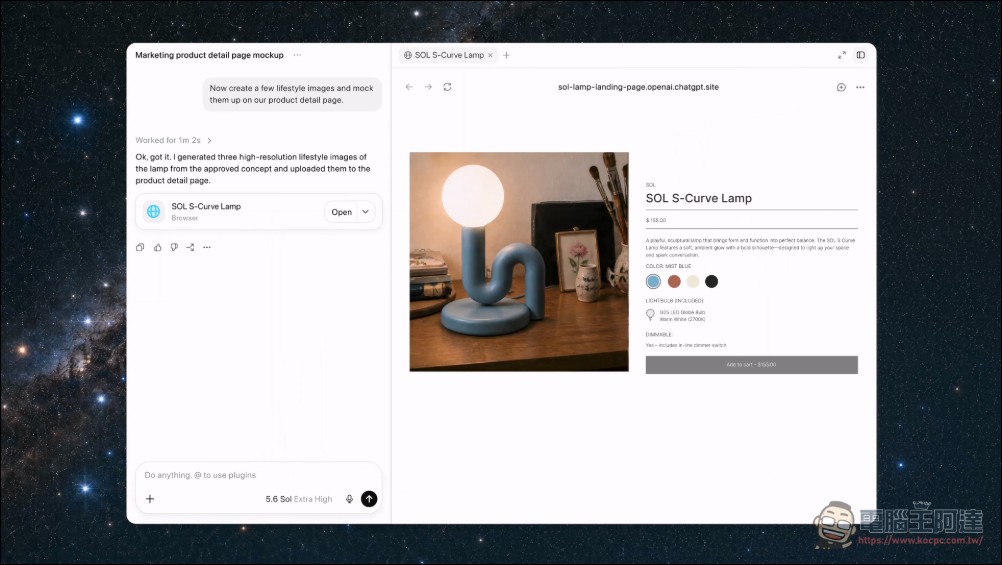
For example, users can ask ChatGPT Work to analyze customer research data, convert it into marketing presentations, generate advertising materials, and localize adjustments for different markets—all completed autonomously by AI from start to finish, without manually switching between any applications.
GPT-5.6 Triplets: Sol, Terra, Luna Now Available
The GPT-5.6 series is the technical core behind this announcement. OpenAI first unveiled these three models at the end of June, but due to the Trump administration’s security review, they were restricted to a “limited preview” status available only to government-approved organizations. After a two-week review, OpenAI received full public approval.
The positioning and pricing for the three models are as follows:
- Sol (flagship model)$5 per million tokens for input and $30 for output. OpenAI claims it achieves state-of-the-art results in code writing, knowledge work, cybersecurity, and science, with lower token consumption than competitors. Plus, Pro, Business, and Enterprise users can access it through ChatGPT Work and Codex.
- Terra (Equilibrium Model)Input: $2.50, Output: $15. Performance close to GPT-5.5 but at half the price, suitable for daily work tasks. Free and Go plan users can access this model.
- Luna (Efficient Model)$1 in, $6 out. OpenAI’s most affordable model, ideal for high-volume, cost-sensitive use cases.

OpenAI particularly emphasizes GPT-5.6 Sol’s breakthrough in “design judgment,” requiring only high-level directional guidance to establish user interfaces that are “tasteful, ergonomic, and fully functional.” Enhanced Computer Use capabilities allow the model to actually render and inspect results after generating code, catching visual and functional issues before delivery.
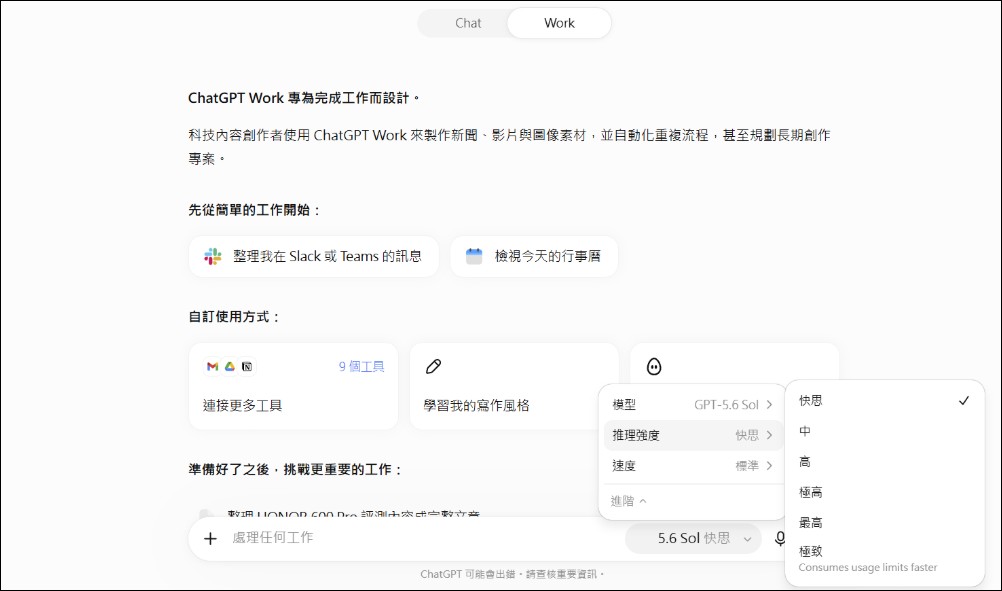
Additionally, GPT-5.6 introduces a brand new “Ultra” acceleration mode, which is OpenAI’s highest capability setting, capable of coordinating multiple Agents to collaborate across parallel workflows to accelerate the completion of the most complex tasks. The Ultra mode is available exclusively to Pro and Enterprise users in ChatGPT Work.
Major Desktop App Overhaul: Codex Officially Merged into ChatGPT
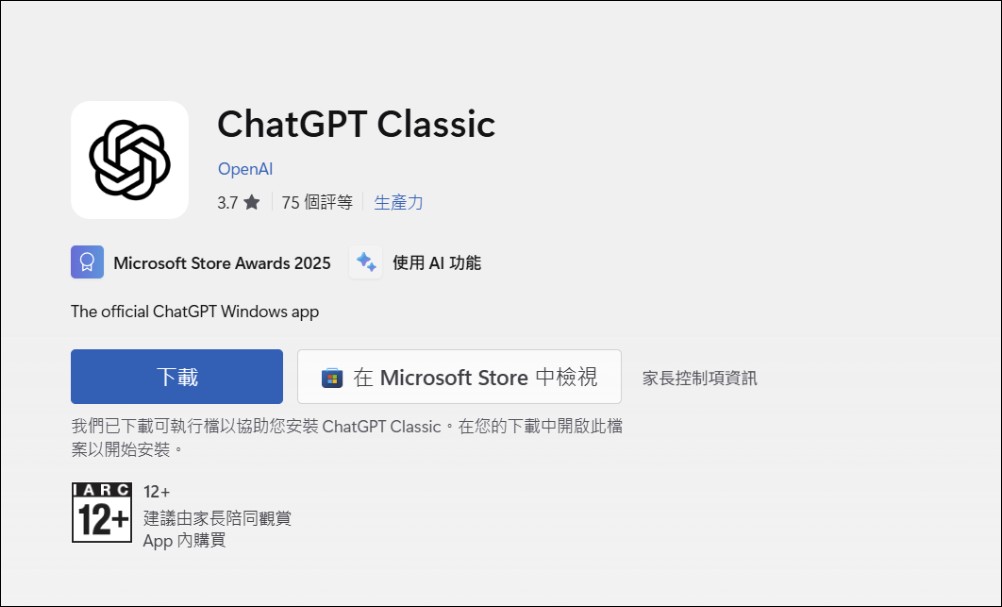
With the launch of ChatGPT Work, OpenAI has simultaneously revamped the ChatGPT desktop application. The new ChatGPT desktop version integrates Chat, Work, and Codex modes into one unified experience. The original ChatGPT desktop application has been renamed to “ChatGPT Classic.” Users who already have Codex installed can directly update to the new ChatGPT desktop version.
The strategic significance of this merger is quite clear. ChatGPT has nearly 1 billion weekly active users, while Codex has 5 million. By embedding Codex’s Agent execution capabilities into ChatGPT, users can complete thinking, creation, and execution in one place without switching between different applications. OpenAI’s product lead Alexander Embiricos described it as: “You might not work around the clock, but your AI agent in the cloud will.”
Sites: Create interactive websites with a single command
Another standout feature of ChatGPT Work is “Sites”. Users simply enter a prompt, and financial forecasts, product planning, or project data are automatically transformed into shareable interactive websites or internal tools, shareable directly with the team via URL. The AI-generated Sites are not static pages—agents combine enterprise data with workflows to continuously update content and maintain functionality.
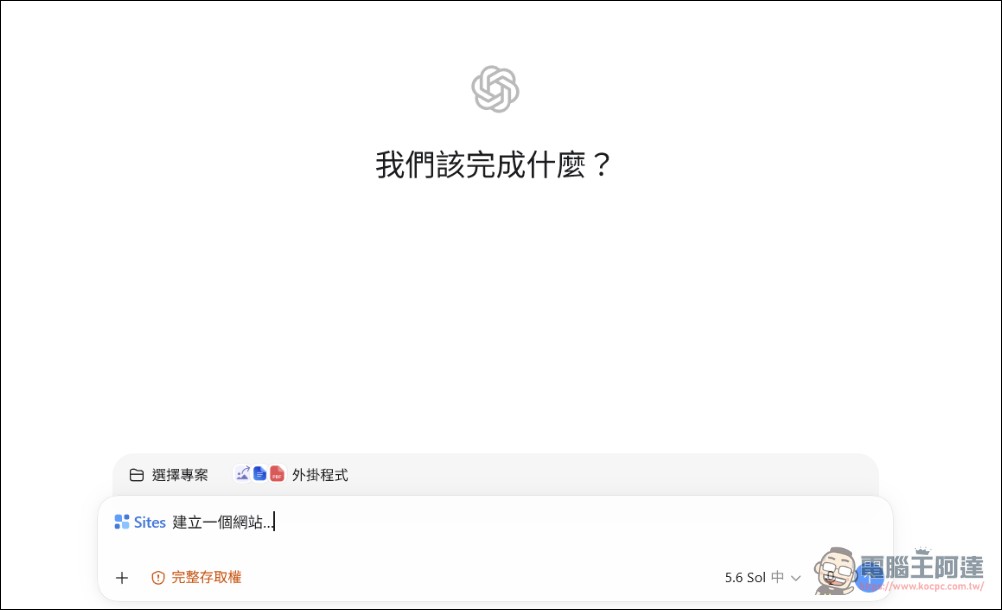
OpenAI has partnered with platforms like Wix, Replit, Lovable, and Figma, enabling different types of work outputs to find suitable publishing channels. This feature is currently available in preview for Business and Enterprise users.
If you want to see more case studies, check out the official live launch event below:
Auto-Review Security Mechanism
In terms of security, ChatGPT Work has introduced the “Auto-Review” feature, which uses a higher-level model to conduct reviews before important operations are executed. OpenAI stated that in adversarial red team testing, Auto-Review successfully blocked 100% of protected data extraction attempts.
GPT-5.6 is also claimed to be OpenAI’s most powerful cybersecurity model, featuring multi-layered protection mechanisms including real-time checks, monitoring, and access controls adjusted based on risk and trust levels, suitable for applications such as code review and threat modeling.
Billing: Usage-based pricing replaces fixed monthly fees
ChatGPT Work’s billing differs from traditional ChatGPT subscriptions, using the same Agent usage pool mechanism as Codex. Actual consumption depends on task size, complexity, and the model selected. Enterprise and Edu administrators can set usage limits at the workspace, group, and individual levels through Spend Controls. Once quota is exhausted, some Codex Plus and Pro users can purchase additional credits, while others need to upgrade their plan or wait for quota reset.
A Head-On Showdown with Claude Cowork
The timing and positioning of ChatGPT Work’s launch clearly target Anthropic’s Claude Cowork. Anthropic has also recently transformed Claude Code’s developer tools into the Cowork platform, extending agent capabilities to the knowledge worker demographic. Both companies are racing to make AI agents deliver tangible value for everyday consumers, especially after the viral success of the open-source AI agent OpenClaw. However, OpenAI’s advantage lies in its user base size—integrating Codex into ChatGPT means nearly a billion users can access AI agent capabilities directly without additional downloads.
Conclusion
The launch of ChatGPT Work marks a new era for AI in workplace applications. From the failed plugin strategy of 2023 to a fresh start in 2026 powered by GPT-5.6’s reasoning capabilities, OpenAI is transforming ChatGPT from a “conversational tool” into a “digital employee.” When AI agents can autonomously work across applications for hours, integrate with enterprise data, and generate deployable websites, the traditional office software ecosystem—a world dominated for decades by Microsoft 365, Salesforce, and SAP—is facing a serious challenge. Over the coming weeks, as ChatGPT Work becomes available to all users, this AI workplace revolution is just beginning.