


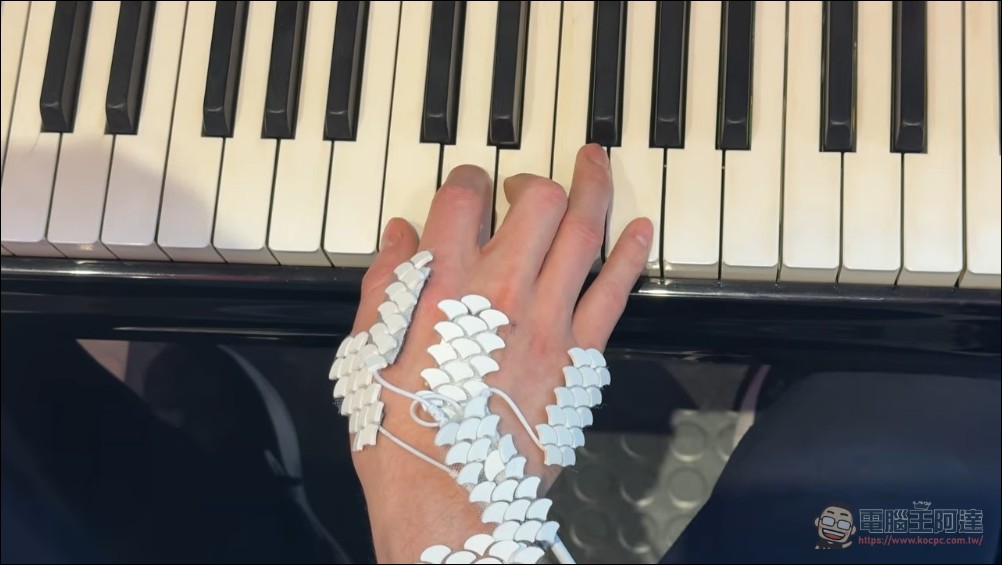
A group of software engineering students at the Massachusetts Institute of Technology (MIT) built a wearable device called “Human Operator” during a 48-hour hackathon called “MIT Hard Mode 2026” at the MIT Media Lab. The device uses AI to analyze the environment and then sends electrical pulses directly to the user’s arm muscles, causing their fingers to automatically perform specified actions. The core concept behind Human Operator is fairly straightforward: the user wears a camera on their head and gives a voice command (for example, “play a piano song”). An AI model analyzes the piano’s position and keys in the environment through the camera, then sends micro-current signals through electrode pads on the wrist to the arm muscles, causing the user’s fingers to automatically press the correct keys—even if the user has absolutely no idea how to play.
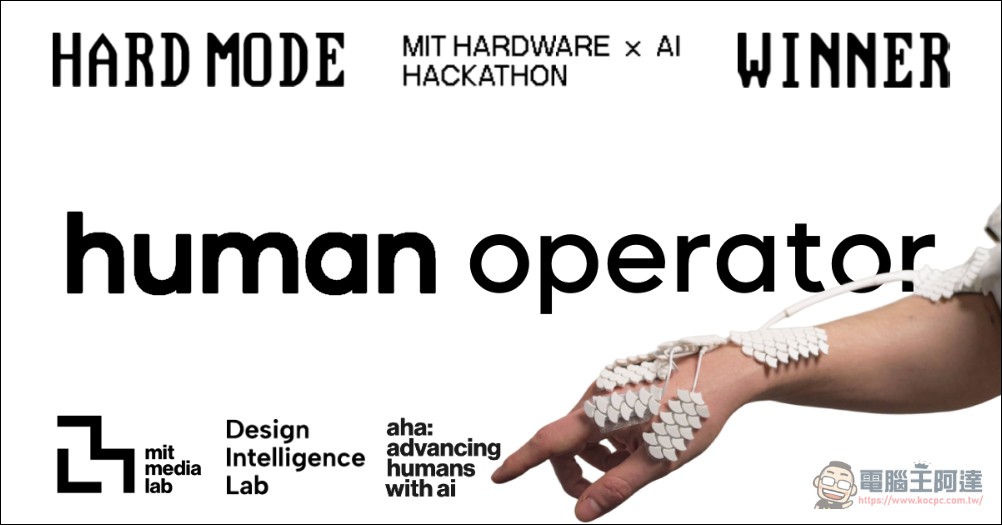
Crude hardware but forward-thinking ideas
According to the team’s published information, the Human Operator’s hardware setup is essentially a “DIY rig”: a head-mounted camera, voice input, an AI vision model, and a TENS/EMS electrical stimulator controlled via Arduino. The key AI brain comes from the Claude API—the Vision-Language Model takes in the camera feed, understands verbal commands from the user, calculates hand and finger movement trajectories in real-time, and then converts those instructions into muscle electrical stimulation signals.
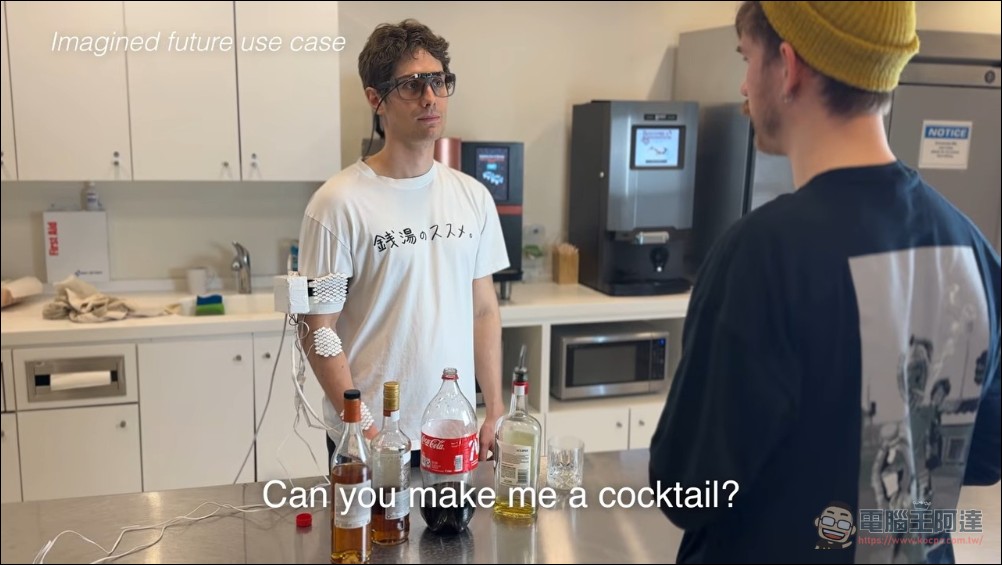
The team has publicly released the complete build guide at GitHub Based on this and referencing existing neuromuscular research from the University of Chicago. Currently, the Human Operator can only briefly control finger and wrist movements, but this is sufficient to perform delicate operations like playing the piano during demonstrations.
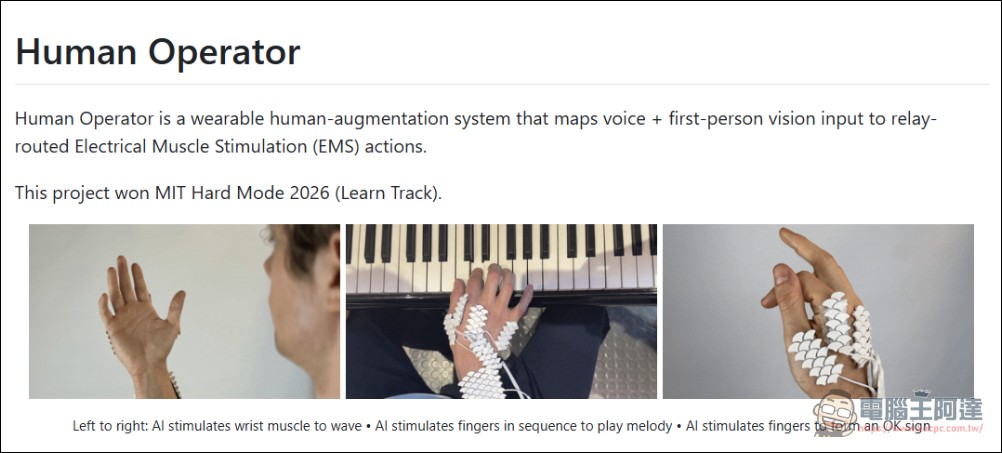
Beyond simple control of certain body muscles, users can even communicate with AI and interact through gestures and sign language.
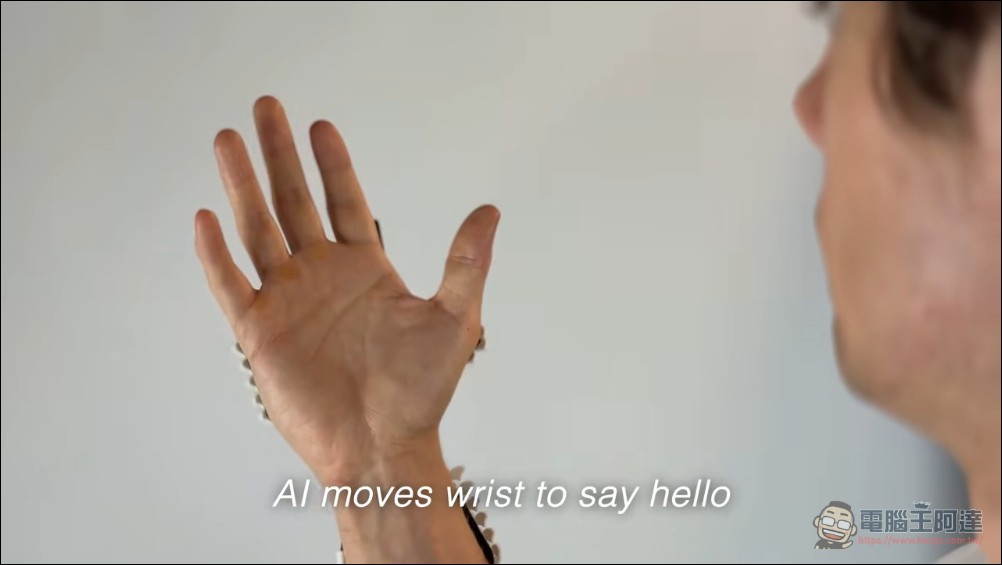
This is MIT’s second hand control system
Notably, Human Operator and another recent MIT project that has also drawn attentionUltrasonic wristbandThese are completely different technical approaches. The ultrasonic wristband uses ultrasound to scan wrist tendons, allowing users to control a robotic hand playing piano with their own hand movements. The Human Operator, on the other hand, directly controls the user’s own muscles: AI decides the movements, electrical current executes the commands, and human will can be completely bypassed.
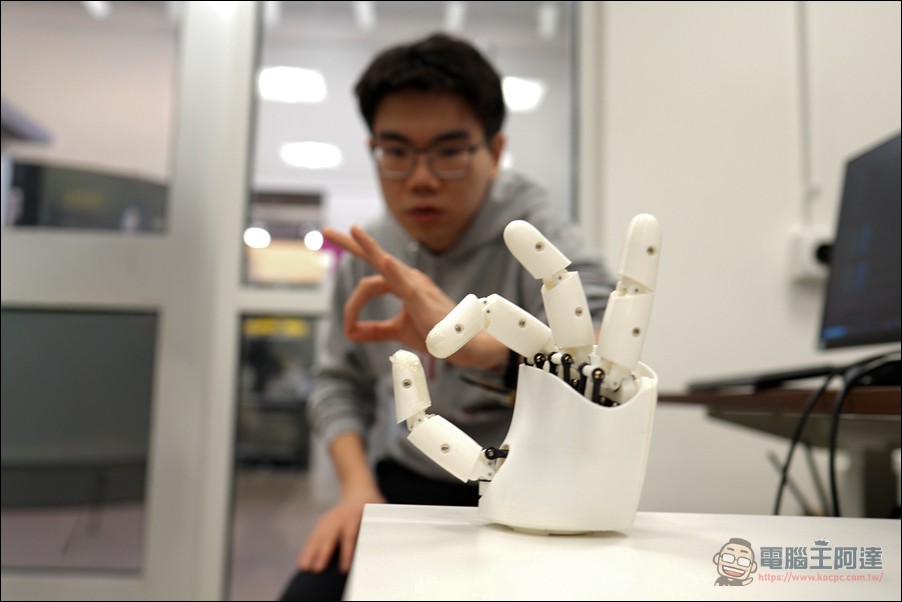
Both technologies come from MIT, but their goals differ significantly. The ultrasound wristband targets VR/AR human-computer interaction and robot training, while Human Operator leans more toward medical rehabilitation and human enhancement.
Potential Applications: From Stroke Rehabilitation to Occupational Therapy
The most direct application scenario for Human Operator is in medical rehabilitation. Team members point out that this technology could help stroke patients with rehabilitation and physical therapy in the future, or assist patients who have lost hand mobility due to nerve damage in recovering partial function. Imagine a “rehabilitation therapist living on your arm” — AI can continuously monitor patient movements and provide real-time feedback, which would be a major breakthrough for traditional rehabilitation treatments.
Currently, Human Operator is still in the prototype stage, capable of controlling fingers and wrist only for short periods and requiring the user to actively initiate it. But there’s a long road from a hackathon champion to a mass-producible medical device. MIT Media Lab researcher Pedro Lopes has over a decade of research foundation in this field, and the Human Operator team has continued to advance based on his research findings.
When “AI controlling the human body” goes from a sci-fi movie to an existing prototype, society needs to start discussing not just “whether it can be done,” but also “whether it should be done.” Human Operator may just be a starting point, but it has already moved this question from philosophical debate to the lab bench.
Source: KOCPC Chinese