


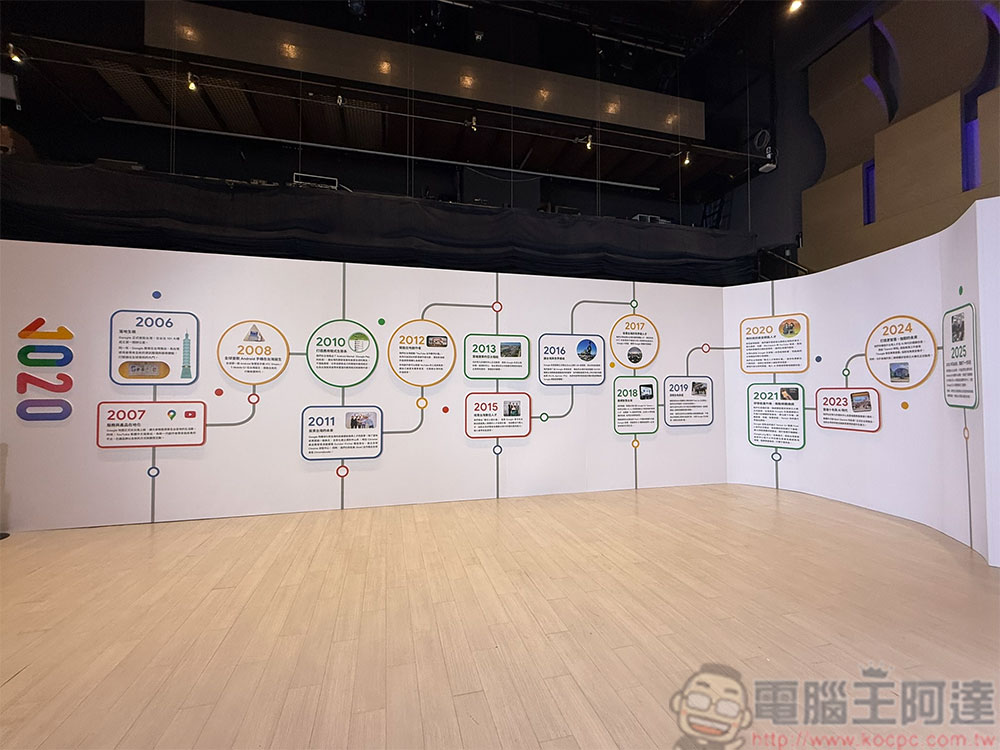
Since establishing its first office at Taipei 101 in 2006, Google Taiwan has continued to deepen its local R&D capabilities and drive global technological innovation alongside Taiwan. Over the past two decades, from the world’s first Android phone and the first Chromebooks, to the first data center in the Asia-Pacific region in Changbin, Taiwan has become a key hub for Google’s global R&D and infrastructure.

Google, deeply rooted in Taiwan for 20 years, announces partnership with the National Health Insurance Administration and the medical community to drive AI healthcare implementation.
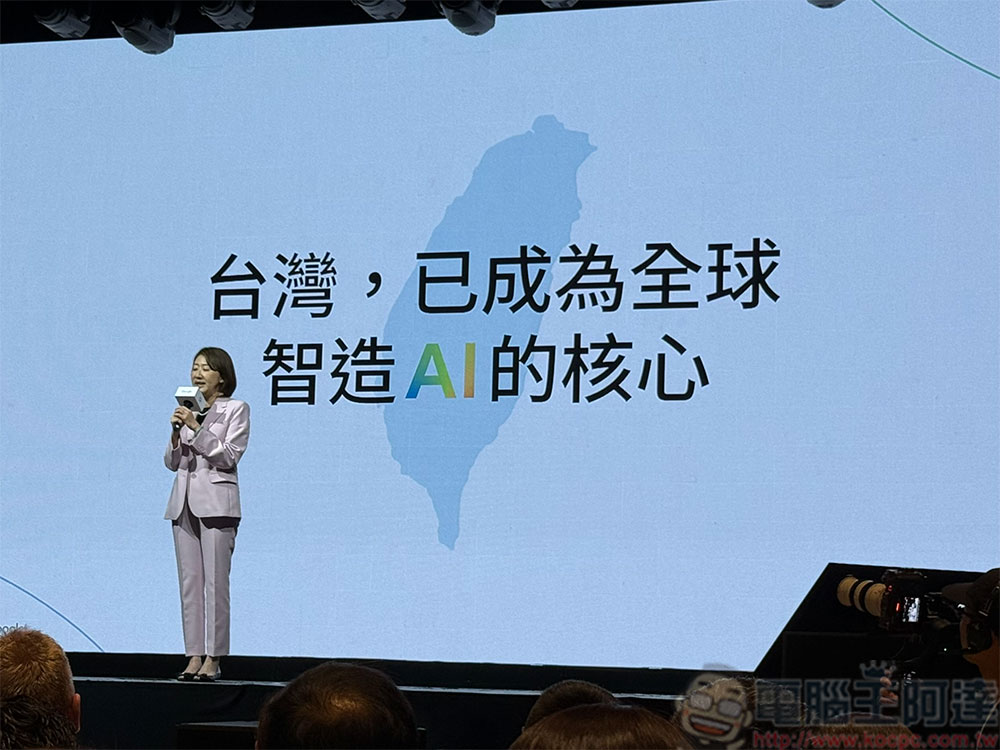
With the hardware R&D team settling in New Taipei’s Banqiao district and the AI infrastructure team based in Taipei’s Shilin district, Google Taiwan has brought together thousands of top talents from over 40 countries, becoming the core engine driving Google’s global AI vision. Looking ahead to the next two decades, Google has announced it will channel this R&D energy into Taiwan’s most pressing public health challenges: advancing AI from research to clinical applications and helping safeguard the health of all citizens.
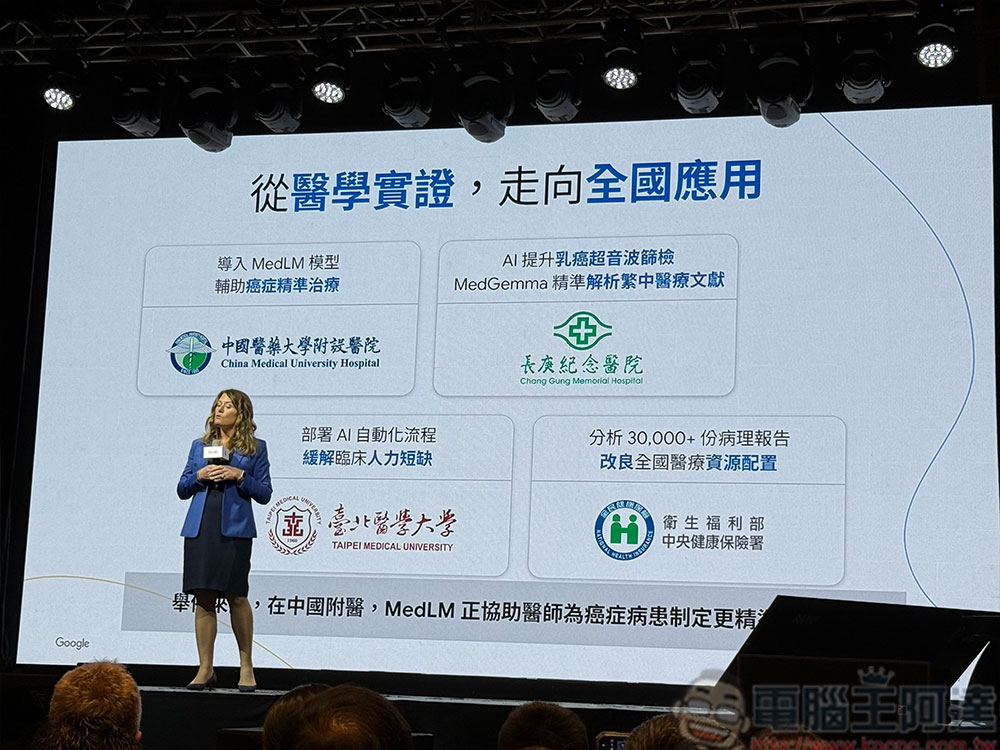
Google has long collaborated with Taiwan’s medical community, demonstrating results in multiple clinical settings:
- China Medical University Hospital leads the way in adopting the MedLM model to assist physicians in developing more precise cancer treatment plans.
- Chang Gung Memorial Hospital utilizes AI-assisted breast cancer ultrasound screening to improve early detection rates and accuracy.
- Taipei Medical University Hospital implements clinical workflow automation to reduce the burden on healthcare workers with AI.
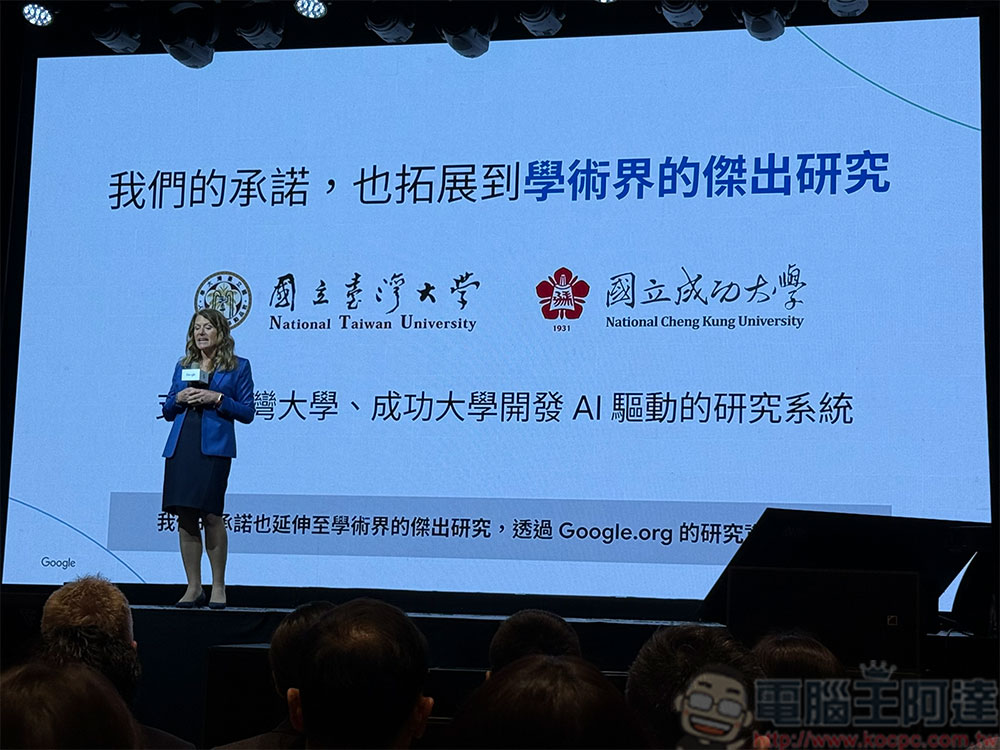
Building on the MoU signed with the National Health Insurance Administration (NHI) in June 2024, the NHI recently developed a model based on MedGemma that successfully analyzed over 30,000 pathology reports, helping optimize national healthcare resource allocation. Additionally, Google.org is supporting research teams from National Taiwan University (NTU) and National Cheng Kung University (NCKU) to advance AI research in cancer diagnosis, pathology analysis, digital twins, and precision nutrition, laying the foundation for personalized health management.
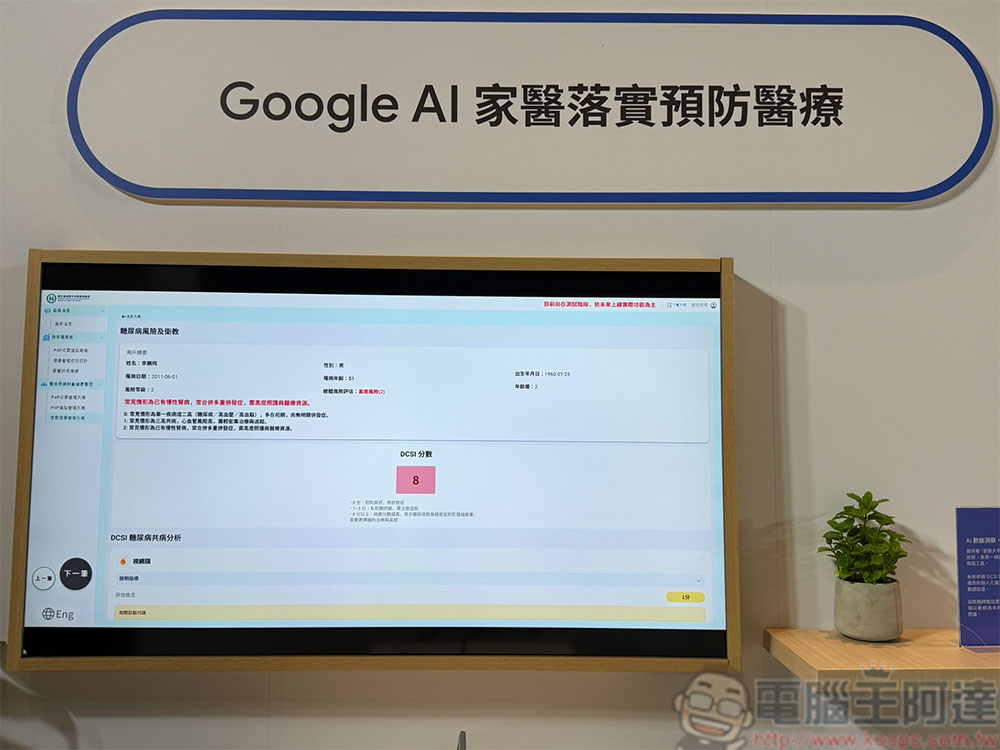
The NHI Administration has implemented a diabetes AI model across 20,000 clinics nationwide, based on the Diabetes Complication Severity Index certified by three major professional societies. Through de-identified aggregated data, it performs risk stratification to help physicians intervene with treatment earlier.
Results include:
- The assessment time for a single case was reduced from 20 minutes to 25 seconds.
- AI completed a 20,000-person screening in 1 hour 24 minutes, a task that previously required 40 experts working for three weeks.
- Overall capacity increased 14,400-fold.
In addition, the NHI Administration will launch a Gemini-powered health education assistant in the “My Health Bank” app in March, providing personalized health advice with user consent to make professional medical information more accessible in people’s daily lives.
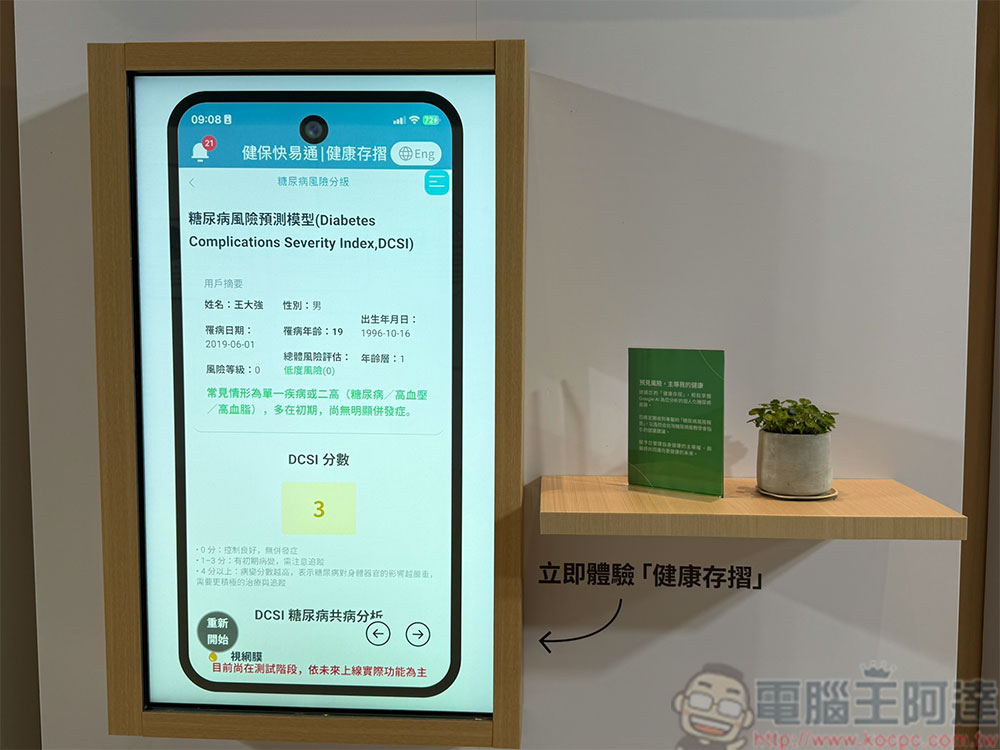
To ensure technology benefits everyone, Google.org is providing $1 million to support the Digital Humanitarian Association, helping it integrate its diabetes AI model into an application to serve 300 rural locations across Taiwan. The program will also train 200 digital healthcare professionals, with an expected 240,000 health interactions, reducing healthcare resource gaps between communities. Google and the National Health Insurance Administration will continue their collaboration and plan to expand the AI framework to cover chronic disease prevention such as hypertension and hyperlipidemia. Google stated that twenty years ago, they planted the seeds of technology in Taiwan; in the future, with the spirit of Team Taiwan, they will continue to deeply invest locally and promote AI healthcare accessibility, helping build a healthier Taiwan.
Source: KOCPC Chinese