


This month, a “shortcut” provided by ChatGPT caused two climbers in Poland’s Tatra Mountains to become stranded on a mountain face and had to be rescued by helicopter. This incident once again highlights that artificial intelligence chatbots can give route suggestions with a high degree of confidence, but they do not have the ability to assess terrain risks.
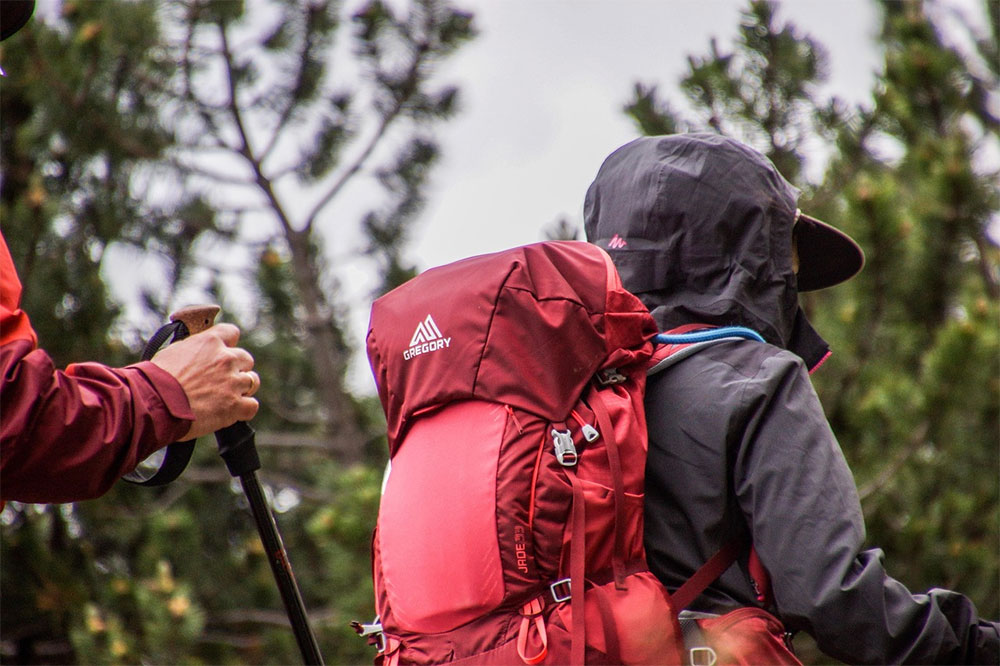
Don’t trust AI blindly! ChatGPT’s hiking advice leaves two tourists stranded on Mt.
according to Report by Cybernews, two Lithuanian hikers originally planned to head to the Five Lakes Valley in the Tatra Mountains. In order to save time, they asked ChatGPT if there was a faster route. The answer given by the chatbot instead led them to Nebije Katunya and then onto the crossing route of Świnicka Ławka. The problem was that this stretch required rock climbing experience and skills that neither of them had.
After arriving at this section of the road, they could neither proceed safely nor turn back. They had no choice but to seek help from the Polish non-profit rescue organization Tatra Volunteer Search and Rescue (TOPR) on July 4. TOPR later confirmed that the two people had been safely evacuated by helicopter.

This is not an independent incident. last year,A similar case also occurred in British Columbia, Canada. A couple went hiking according to the route planned by AI, but ended up getting stuck on a “mountain that didn’t need to be climbed at all.” They had neither climbing equipment nor local weather information. In the end, they also needed a rescue team to intervene. The Organization for Economic Cooperation and Development (OECD) artificial intelligence event tracking system alsoMultiple documented cases of chatbots fabricating locations out of thin air, for example, a fictional non-existent scenic spot called “Humanta Sacred Canyon” was invented in Peru.
Problems with AI aren’t limited to hiking routes. A report earlier this year noted that TripAdvisor’s AI-generated review summary once downplayed serious hotel safety issues, even though some travelers reported poor hygiene and even harassment, the AI summary still described the hotel as “spotless” and “friendly.” In these situations, artificial intelligence gives answers in a concise and affirmative tone, as if it can master all the information; however, the reality may be that the terrain is extremely difficult, or the hotel itself has major problems.

Together, these incidents reveal one thing: Chatbots are good at generating smooth, seemingly reasonable advice, but they can’t truly understand terrain, weather, equipment needs, or assess risks. When users use AI as a reliable navigation or travel planning tool, they may be led into dangerous situations unknowingly. If you are used to using ChatGPT or other AI tools to plan hiking routes, these cases remind us that we should never rely solely on chatbot suggestions. Before setting off, be sure to consult maps, route information, weather forecasts, and confirm road conditions from official or trusted sources. AI can assist in gathering information, but it should not be the basis for your decision-making in mountainous areas.
Source: KOCPC Chinese