


recently OpenClaw in/atChinaThe market is becoming increasingly hot, with many older folks rushing to install and try it out. This has also made major cloud platforms and tools unwilling to miss out on this business opportunity, rolling out various services one after another. And as everyone knows, what makes OpenClaw so powerful is Skills Skills—Tencent also quickly recognized this key point, recently launching their own SkillHub platform, claiming to be specifically built for Chinese users and offering over 10,000 Openclaw skills.
However, it was only just launched when netizens caught on, with a large portion of its underlying data coming from ClawHub. OpenClaw founder Peter Steinberger also came forward to confirm this, even mocking Tencent for contributing nothing, and wrote to complain about being rate-limited during scraping.
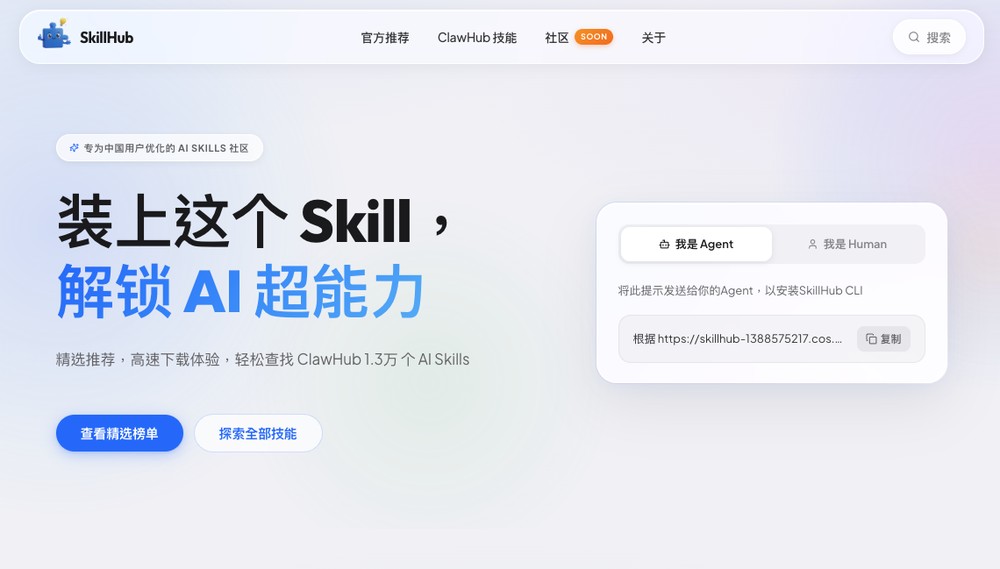
Quick Introduction to SkillHub
Many netizens may be unfamiliar with SkillHub. SkillHub is an AI Skills platform launched by Tencent on March 11 for Chinese users. It is positioned as a localized supporting service platform built on OpenClaw’s official open-source ecosystem, featuring full compatibility with OpenClaw’s official Skills ecosystem, without modifying official open-source content, but addressing common pain points that Chinese users actually encounter in daily use.
Issues include slower downloads from the official ClawHub, an English-dominant interface, poor Chinese search support, and concerns from some users about Skills security. SkillHub offers high-speed downloads within China, Chinese search, curated rankings, and security scanning. In short, it’s “an OpenClaw Skills platform better suited for Chinese users.”
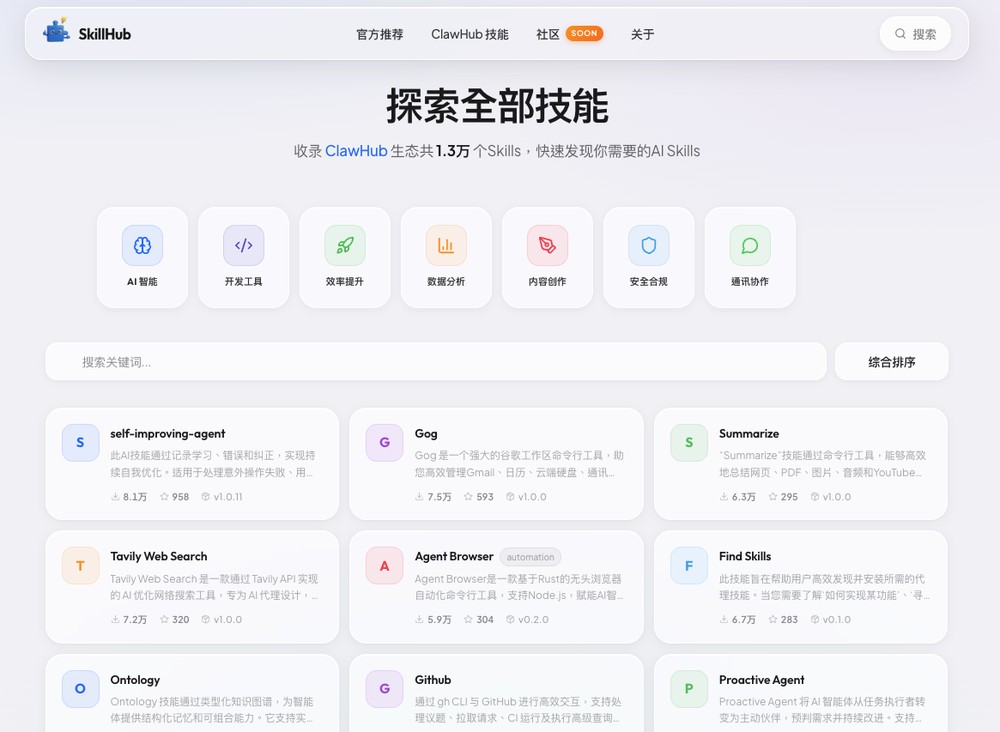
SkillHub Exposed for Mass Scraping ClawHub’s Skill Data; OpenClaw Founder Responds: No Collaboration Yet Complaining About Rate Limits
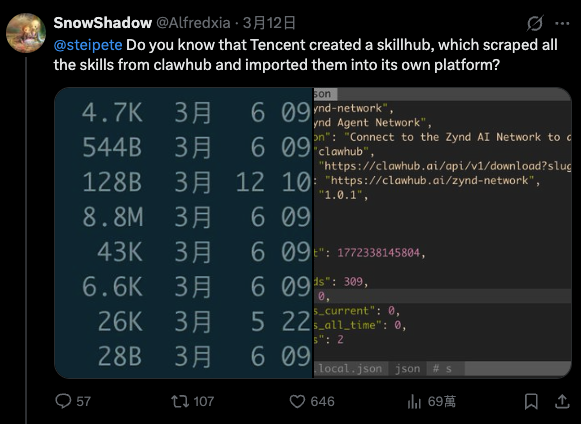
The controversy first broke when X platform user SnowShadow exposed the issue, with SnowShadow pointing out in a post that Tencent’s newly launched SkillHub scraped all skill data from ClawHub and imported it into their own platform.
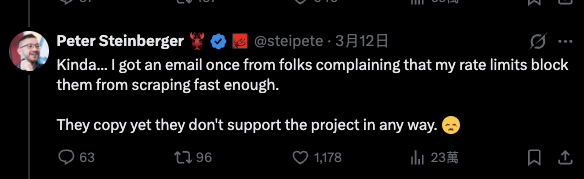
OpenClaw founder Peter Steinberger subsequently responded that he had previously received complaints about scraping speed being too slow due to rate limits; however, what concerned him more was that the other party was “copying/mirroring” while not providing any support to the original project:
Tencent subsequently responded that SkillHub is a localized skill platform built on the OpenClaw ecosystem, positioned to run as a local mirror of the official ClawHub with source attribution. It added that during the first week of launch, the platform processed 180GB of traffic and approximately 870,000 downloads, but only 1GB of traffic was pulled from the OpenClaw official source, and these were not concurrent requests.
This explanation tried to emphasize that instead of continuously directing traffic to the official server, SkillHub only performs initial synchronization—but Peter still wasn’t very satisfied with the answer.
Peter Steinberger then commented that his dissatisfaction was not just about the data being scraped, but that the whole thing wasn’t discussed first or done collaboratively. If Tencent really wants to support OpenClaw, they would also welcome donations or help maintain the project together.
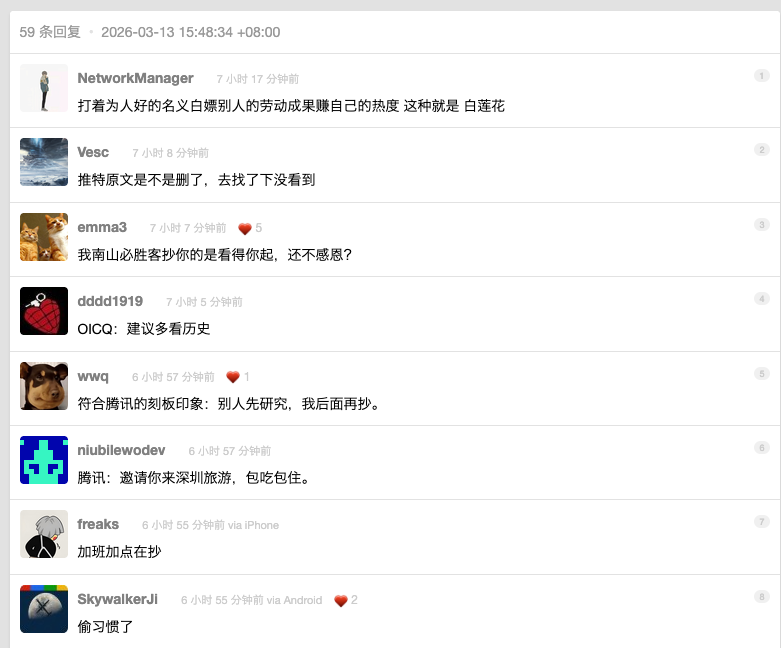
As this controversy emerged, it also sparked heated discussions on Chinese forums, with criticism being the prevailing sentiment.
Many netizens believe this is a classic case of “freeloading,” accusing Tencent of “using the pretense of acting in users’ best interests to take others’ hard work for free.” Some netizens also brought up Tencent’s longstanding nickname in the Chinese internet community, “Nanshan Invincible” (referring to the fact that Tencent’s legal department is based in Nanshan District, Shenzhen and they almost never lose a lawsuit), arguing that this ask-for-forgiveness-not-permission style perfectly fits Tencent’s consistent behavior:
Supporters argue that ClawHub itself uses the MIT-0 open-source license, which legally permits commercial use and unrestricted distribution as long as the copyright notice is preserved. Therefore, the accusation of Tencent “copying” does not hold up legally.
Source: KOCPC Chinese