


After launching first in the United States, Google is rolling out its “Personal Intelligence” feature to most regions worldwide (Europe is still not on the list), allowing more Gemini users to experience AI responses that better cater to their individual needs.
Personalized Intelligence refers to Gemini’s ability, after receiving user authorization, to read text, photos, and videos from Gmail, Google Calendar, Drive, Google Photos, YouTube, Search, Maps, and other Workspace and first-party applications. With this information, Gemini can proactively provide more contextually relevant answers and suggestions without requiring additional prompts. In other words, it doesn’t just answer your questions—it understands who you are, what you’re doing, and what you might need.
Gemini App Launches Personal Intelligence Features Globally
Google also demonstrated several concrete application scenarios, making it easier for people to understand the practical value of this feature.
First up: shopping recommendations. Let’s say you recently bought a new pair of golden shoes and are looking for bags to match. Gemini won’t just give you a generic trending list—it’ll pick options that really match your taste based on your past shopping history and preferred brands and styles. It even considers the details, like whether the hardware color on the bag complements your shoes. This “it knows what you’re looking for before you even say it” experience is the core of personal intelligence.
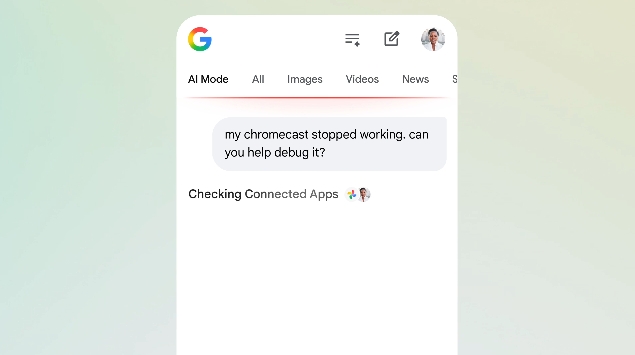
The second scenario is technical troubleshooting. When people run into tech problems, they often can’t even remember which model they bought. Gemini can pull up the relevant info from your receipts or emails and give you exact troubleshooting steps for your specific model—whether that’s restarting, resetting, or checking certain settings. You just describe the problem, no need to dig through boxes looking for warranty cards or order confirmations.
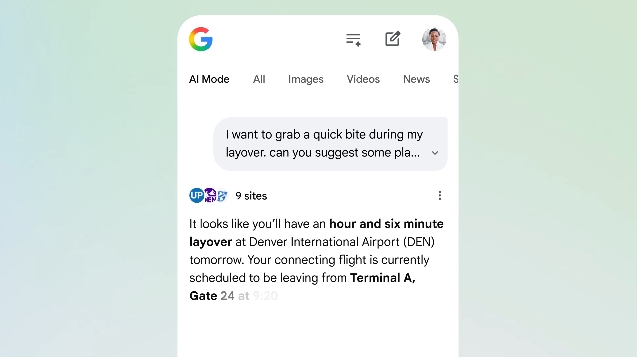
The third example relates to itinerary management. Imagine you’re hungry during a layover but aren’t sure what restaurants are nearby, how long it takes to walk there, or whether you’ll miss your next flight. Gemini can automatically provide the most suitable dining recommendations based on your arrival and departure gates, walking time, personal dietary preferences, and even your boarding time for the next flight. This ability to consolidate complex information into a single answer is especially useful for frequent travelers.
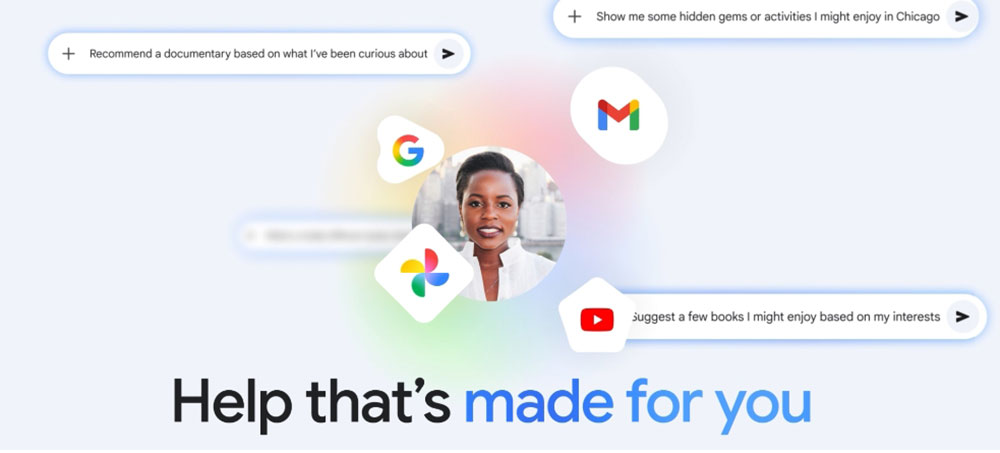
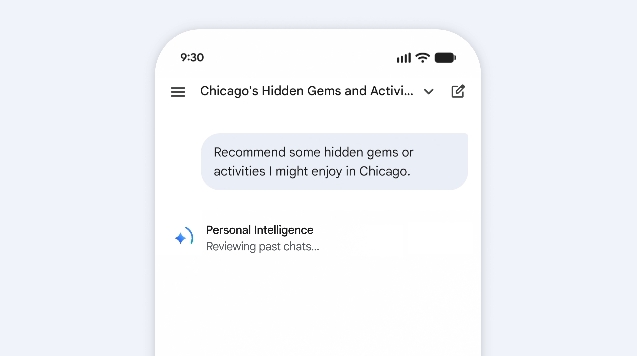
The fourth scenario is travel planning. In the past, searching for “Chicago attractions” would likely give you the same generic top-ten lists, but Gemini can recommend neighborhoods, restaurants, and activities that better match your style based on your interests, past travel history, and preferences. For those who love exploring local culture, this tailored itinerary is more valuable than standard travel guides.
Finally, personal AI can also help you discover new interests. Perhaps you’ve never actively searched for poetry, but Gemini might infer from clues like your love of reading and passion for nature that you would enjoy poetry collections, and proactively recommend relevant content. This ability to help you discover a more complete version of yourself is something traditional search engines cannot do.
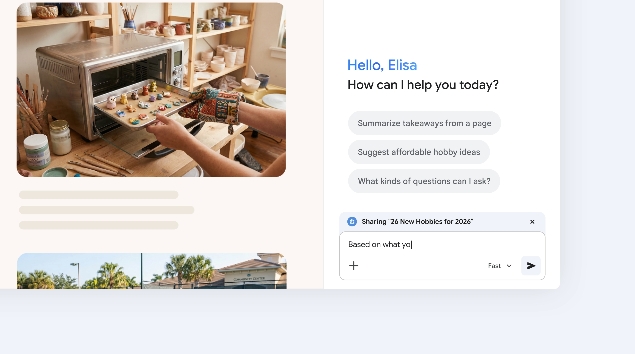
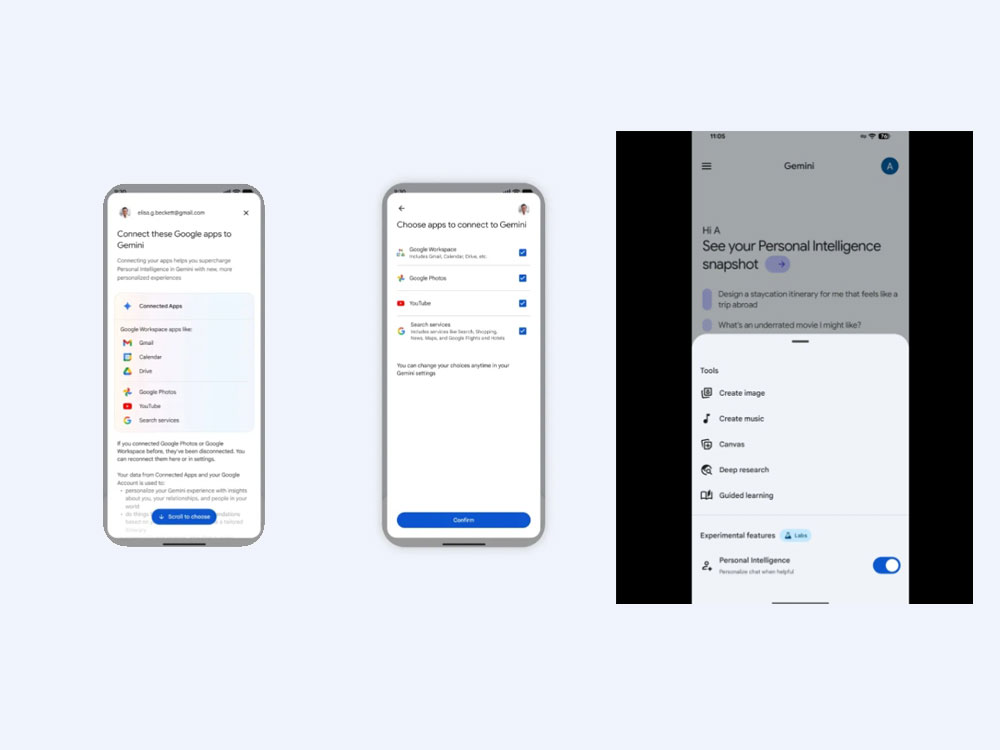
It’s worth noting that Personal Intelligence is a “selective enable” feature. Users can decide for themselves whether to turn it on and freely choose which apps and data Gemini can access. Once enabled, the feature is on by default, but you can turn it off at any time via the new toggle in the Tools menu. Google emphasizes that users always retain control over their data. As for the rollout timeline, this global expansion excludes the European Economic Area, Switzerland, and the UK. Google AI Plus, Pro, and Ultra subscribers will get access first, while free users will gain access gradually over the coming weeks.
Overall, personal intelligence represents Google’s push to evolve Gemini from an “AI that answers questions” to an “AI that understands you.” It’s not just a tool, but more like an assistant that can read the context of your life. The key going forward will be whether users are willing to hand over more personal data to AI, and whether Google can achieve a true balance between convenience and privacy.
Source: KOCPC Chinese