


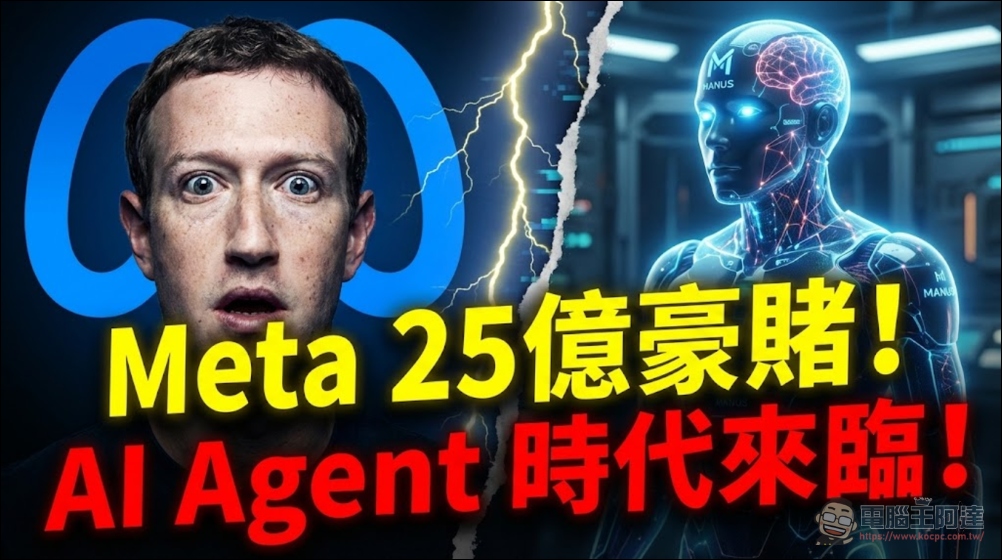
A few days ago, a major announcement shook the global tech world: the social media giant Meta Platforms officially announced on December 29 that it had acquired General, a company that had been in business for less than a year. AI AgentThe startup “MANUS“. Although neither party has disclosed the specific transaction amount, according to reports from several authoritative media outlets citing sources familiar with the matter, the deal is valued at over $2 billion; some reports even suggest it could reach as high as $2.5 billion, making it the third-largest acquisition in Meta’s history.
The Rise of a Tech Rising Star: The Founding of MANUS and Its Core Team
MANUS’s rapid rise has become the stuff of industry legend: in just nine months—from its product launch in March 2025 to its acquisition by Meta in December— this Singapore-based company, led by Chinese-American founders, completed an astonishing leap from rising star to “rare asset.” This is not only a successful business exit but is also seen as a clear signal of a paradigm shift in the AI industry from “assistive AI” to “agent-based AI.”
MANUS’s success is attributed to its three core founders, whose backgrounds complement one another: Xiao Hong, Ji Yichao (Peak), and Zhang Tao. Working as co-founders, they have divided responsibilities and collaborate closely, each leading one of the company’s three key areas—corporate operations, technology and product, and marketing—forming a golden “three-horse team” combination. 。
|
Name
|
Characters
|
Early Career/Experience
|
MANUS Team Roles and Responsibilities
|
|
Xiao Hong
|
Founder and CEO
|
Founded Wuhan Nightingale Technology (WeChat Ecosystem Tools)
|
Company Operations and Strategy
|
|
Ji Yichao
|
Co-Founder and Chief Scientist
|
Developed the Mammoth Browser and founded Magi (an AI search engine)
|
Technology and Product Focus
|
|
Zhang Tao
|
Product Partner
|
Formerly worked at “Beyond Light-Years”
|
Products and Marketing
|
Xiao Hong (Red Xiao): Founder and CEO, born in 1992, graduated from Huazhong University of Science and Technology with a degree in Software Engineering. He is a serial entrepreneur. Before founding “Butterfly Effect,” the parent company of MANUS, he had already successfully launched and sold products such as “Yiban Assistant” within the WeChat ecosystem, gaining extensive product experience and a keen business sense.
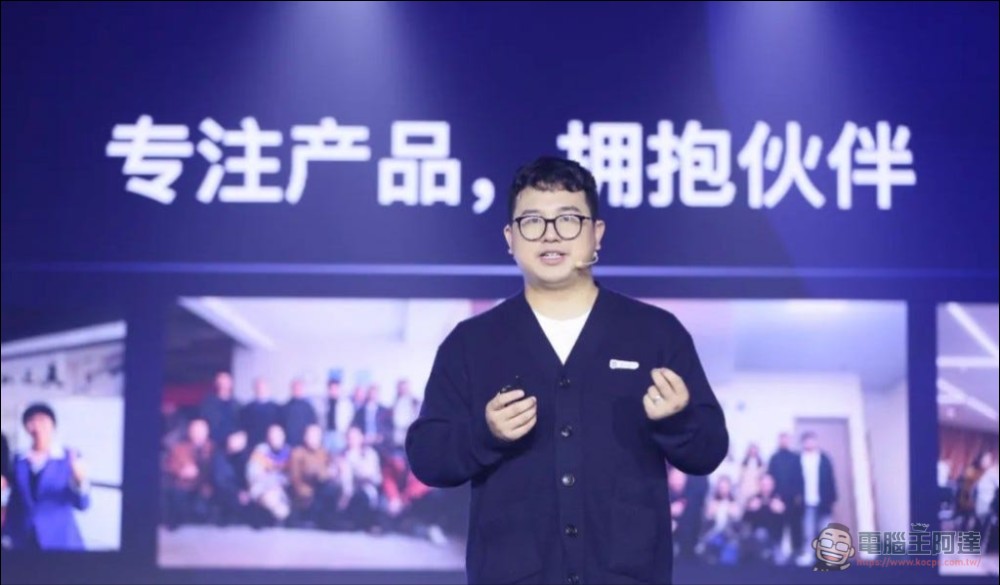
Ji Yichao (Peak Ji): Co-founder and Chief Scientist, who rose to fame at a young age after developing the well-known “Mammoth Browser” while still in high school. The AI search engine Magi, which he founded later, faced setbacks due to the emergence of GPT-3. This experience of being “outclassed” led him to establish MANUS’s core technical philosophy: “Do not build our own models; focus on agent orchestration.”
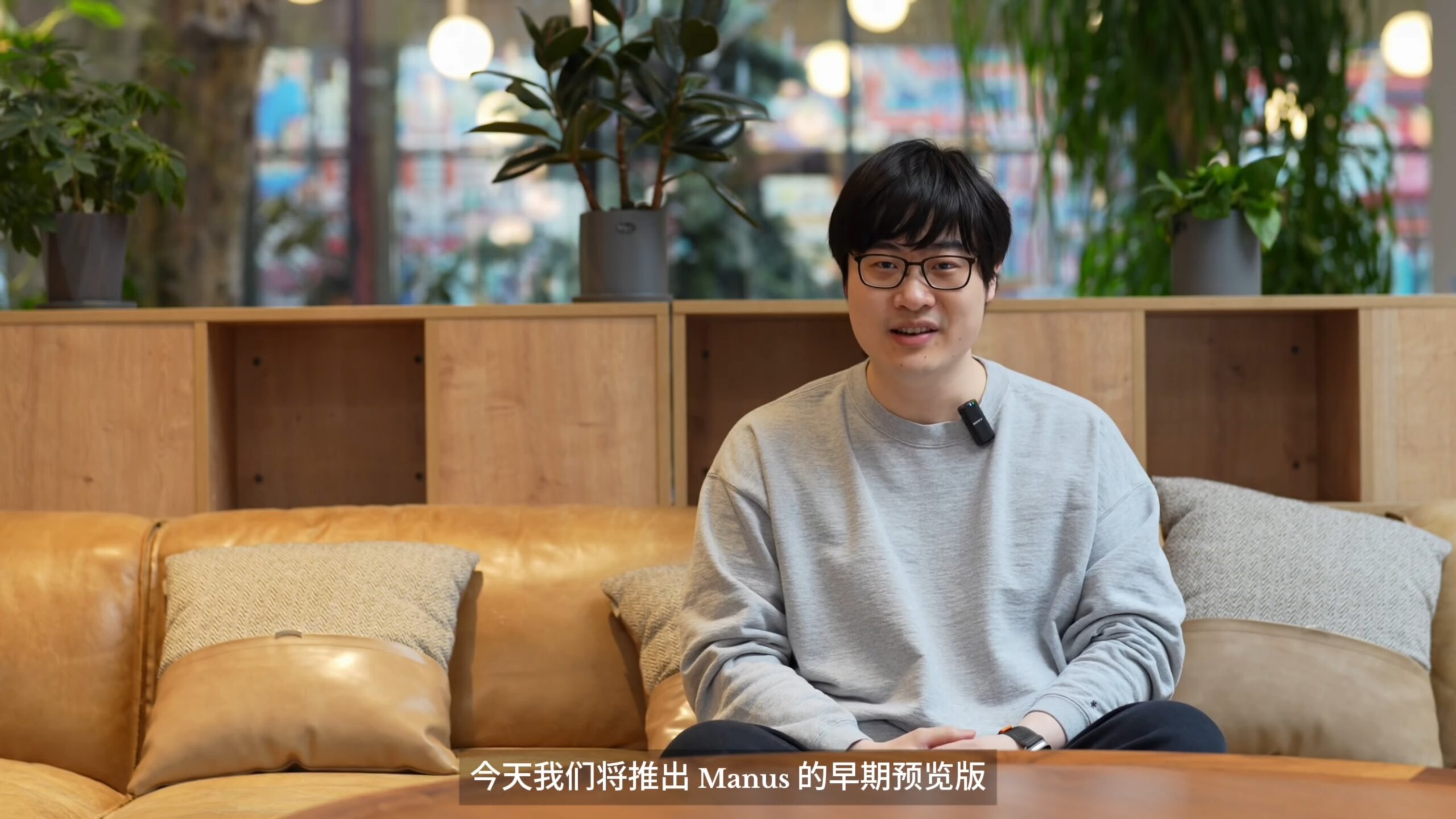
Zhang Tao: Product Partner; previously worked at “Beyond Light-Years,” where he was responsible for product and marketing, and helped strengthen MANUS’s capabilities in product development and market operations.
MANUS is a subsidiary of Butterfly Effect Technology, which was incorporated in Beijing in April 2022 by Xiao Hong. The company’s first product is an AI browser extension. Monica…focusing primarily on overseas markets and quickly becoming profitable, which laid a solid foundation of users and cash flow for the later MANUS. With the rapid expansion of its business and the advancement of its globalization strategy (though some speculate it was also to avoid U.S. sanctions that could have impacted service development), Butterfly Effect relocated its headquarters to Singapore in August 2023.
From “Suggestions” to “Action”: MANUS’s Technological Innovations
When MANUS was first launched, some industry insiders called it a “skin-deep product,” but it has never faced a stronger competitor in the market. Its key breakthrough lies in the fact that it transforms AI from an assistant that provides “suggestions” and “Q&A” into an agent capable of “autonomous action.” At the heart of MANUS’s technology is its distributed multi-agent system (MAS) architecture. Simply put, MANUS does not rely on a single model (rumored to be primarily based on Claude), but rather allocates and schedules multiple AI models based on the situation and task at hand. MANUS garnered significant attention in the AI community upon its launch, once setting a record where the price of an invitation code reached 100,000 RMB.
The MSNUS system consists primarily of three core agents that simulate human workflows to ensure the accuracy and robustness of tasks:
- Planning Agent: Responsible for analyzing user intent and breaking down tasks into subtasks.
- Execution Agent: Responsible for invoking tools, writing code, and interacting with APIs to perform specific operations.
- Verification Agent: Responsible for cross-checking results, performing logical verification, and iterative optimization.
The key to MANUS’s autonomous execution lies in its unique CodeAct mechanism and virtual cloud environment. CodeAct transforms complex tasks into the process of writing and executing code within a Linux sandbox in the cloud, thereby enabling precise control over computer operations. Each task runs in a separate Docker virtual machine, providing critical security isolation. In the GAIA benchmark, which evaluates the capabilities of general-purpose AI assistants, MANUS achieved leading performance across all three difficulty levels. In particular, for Level 3 tasks requiring multi-step reasoning and web access, it achieved a success rate of 57.7%, far surpassing comparable products such as OpenAI.
We also happened to release version 1.5 of MANUS a little while ago.Experience…It does indeed offer a comprehensive set of features, and it has now been updated to version 1.6, adding new features to the Nano Banana Pro presentation editing and development app:
A Business Miracle: Surpassing 100 Million in ARR in Nine Months and a Critical Decision
MANUS’s commercial performance has also been remarkable; against the backdrop of AI startups generally facing challenges in monetization, MANUS has demonstrated strong market appeal. According to officially disclosed data, within nine months of its product launch on March 6, 2025, MANUS’s annual recurring revenue (ARR) surpassed $100 million in mid-December, making it one of the fastest AI companies globally to grow from zero to $100 million in ARR.
|
Key Business Metrics
|
Data Details
|
Time Point
|
|
Product Launch
|
The World’s First General-Purpose AI Agent
|
March 6, 2025
|
|
Annual Recurring Revenue (ARR)
|
Breakthrough $100 million
|
Mid-December 2025
|
|
Total Tokens Processed
|
More than 147 trillion
|
Early December 2025
|
|
Number of Virtual Machines Created
|
More than 80 million units
|
Early December 2025
|
One of the most striking business decisions in MANUS’s success story was founder Xiao Hong’s early rejection of an acquisition offer of approximately $30 million from ByteDance. This decision exemplified the MANUS team’s “incremental mindset”—focusing on the global market and engaging in international competition with an open attitude—which ultimately led to its valuation increasing nearly 100-fold in less than a year.
The Tech Giants’ Gamble: Meta’s $2 Billion Bet and Its Strategic Intent
Meta’s primary motivation for acquiring MANUS is to accelerate its expansion in this field in order to address challenges from competitors such as OpenAI and Google. This marks a strategic shift in AI from “conversation” to “autonomous action.”

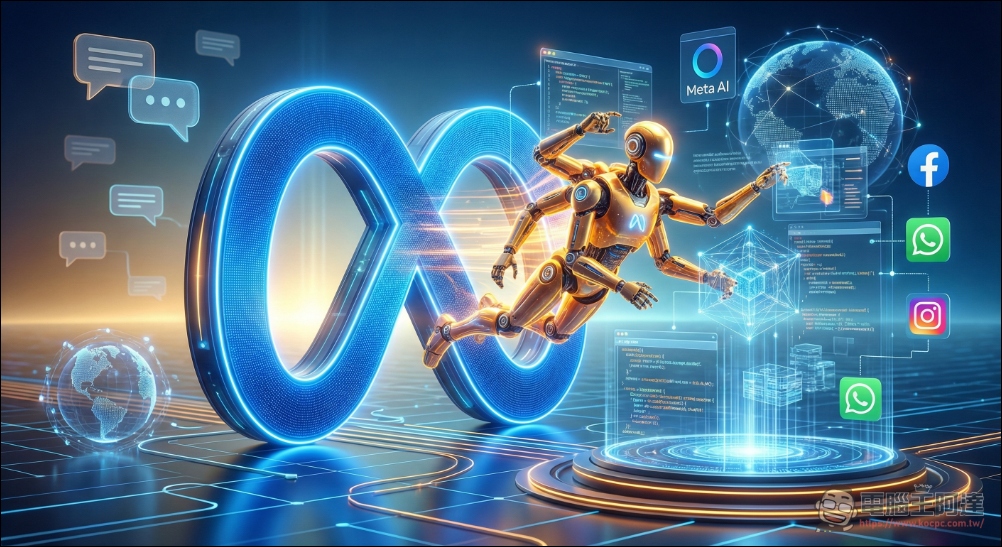
In an official statement, Meta explicitly stated that the acquisition aims to integrate MANUS’s technology into its consumer and enterprise products, including the Meta AI assistant, WhatsApp Business, Facebook, and Instagram. MANUS’s “Agency” technology will address Meta AI’s shortcomings in autonomously performing complex tasks, upgrading its AI products from “conversational AI” to “AI capable of autonomous action.”
In terms of team integration, Xiao Hong, founder and CEO of MANUS, will join Meta’s senior leadership directly as a vice president at Meta, demonstrating Meta’s high regard for the MANUS team and its technology. MANUS will continue to serve its existing users independently through its app and website, operating out of Singapore and maintaining its current business model for the time being.
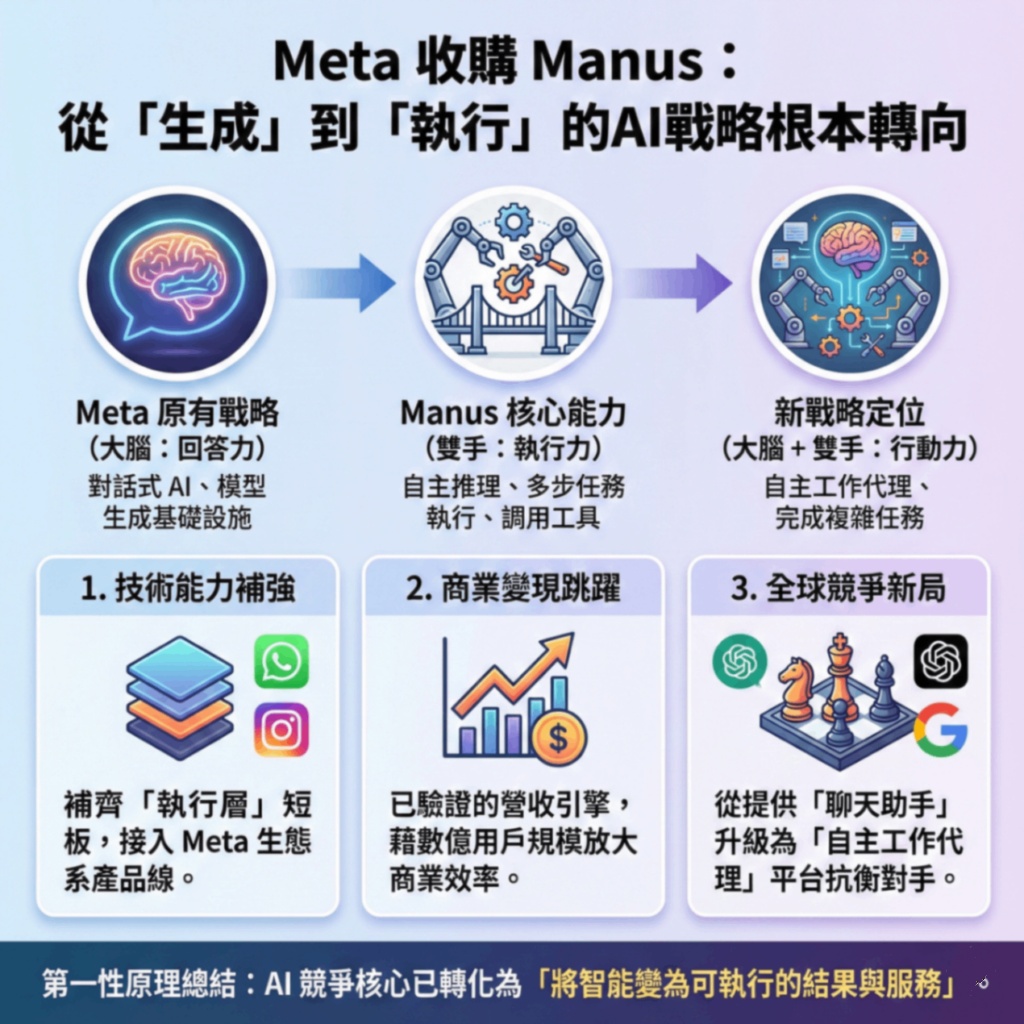
The success and acquisition of MANUS signal that the competitive focus in the AI industry has shifted from mere model capabilities to system capabilities, ecosystem positioning, and long-term evolutionary potential. The widespread adoption of general-purpose AI agents is an inevitable trend, and it is likely to fundamentally transform the existing software and services industries.
MANUS’s main competitors are OpenAI, Anthropic, and Google. In comparison, MANUS’s strengths lie in its “build-and-discard” approach, which enables highly autonomous operation and comprehensive execution capabilities. Not only can it think, but it can also use a toolchain within a sandbox environment to translate those thoughts into actual code, documentation, or deployed applications. However, given the rapid pace of AI development today, it is still difficult to predict future trends.
|
Features
|
Manus AI
|
OpenAI Operator
|
Anthropic Computer Use
|
|
Core Features
|
General-Purpose Autonomous Task Execution
|
Web Browsing and Interaction
|
Web Browsing and Information Extraction
|
|
Autonomy
|
High (multi-step, no need for continuous confirmation)
|
Medium (Confirmation required for sensitive operations)
|
Chinese (primarily used for information extraction)
|
|
Environment
|
Cloud-Based Linux Sandbox
|
Browser Interface
|
Browser Interface
|
|
Deployment Capabilities
|
The ability to achieve results such as one-click website deployment
|
This feature is not available
|
This feature is not available
|
Conclusion:
The story of MANUS is a textbook case of technology, speed, and strategy. It proves that in the age of AI, even without an in-house large language model, a founding team can still achieve high-level recognition and tremendous commercial success at the heart of the global tech ecosystem through exceptional engineering capabilities and a precise understanding of market needs. From turning down a $30 million acquisition offer to ultimately joining Meta at a valuation exceeding $2 billion, MANUS’s journey is not only a personal triumph for its founders but also a major lesson for all AI entrepreneurs: Only by daring to target the global market, participating in international competition with an open mindset, and persistently creating “incremental value” can one achieve a true “quantum leap.” The era of general AI agents has arrived, and MANUS is undoubtedly one of the most brilliant pioneers of this transformation.
Manus AI 代理可免費使用 Nano Banana Pro,註冊後可獲得 1,000 積分 + 每日 300 積分
Source: KOCPC Chinese