


A rookie South Korean indie game developer single-handedly earned $1.3 million in revenue within one week of his debut game Slotbound launching on Steam, even though the developer himself openly admits that a large amount of generative AI technology was used in the game’s development.
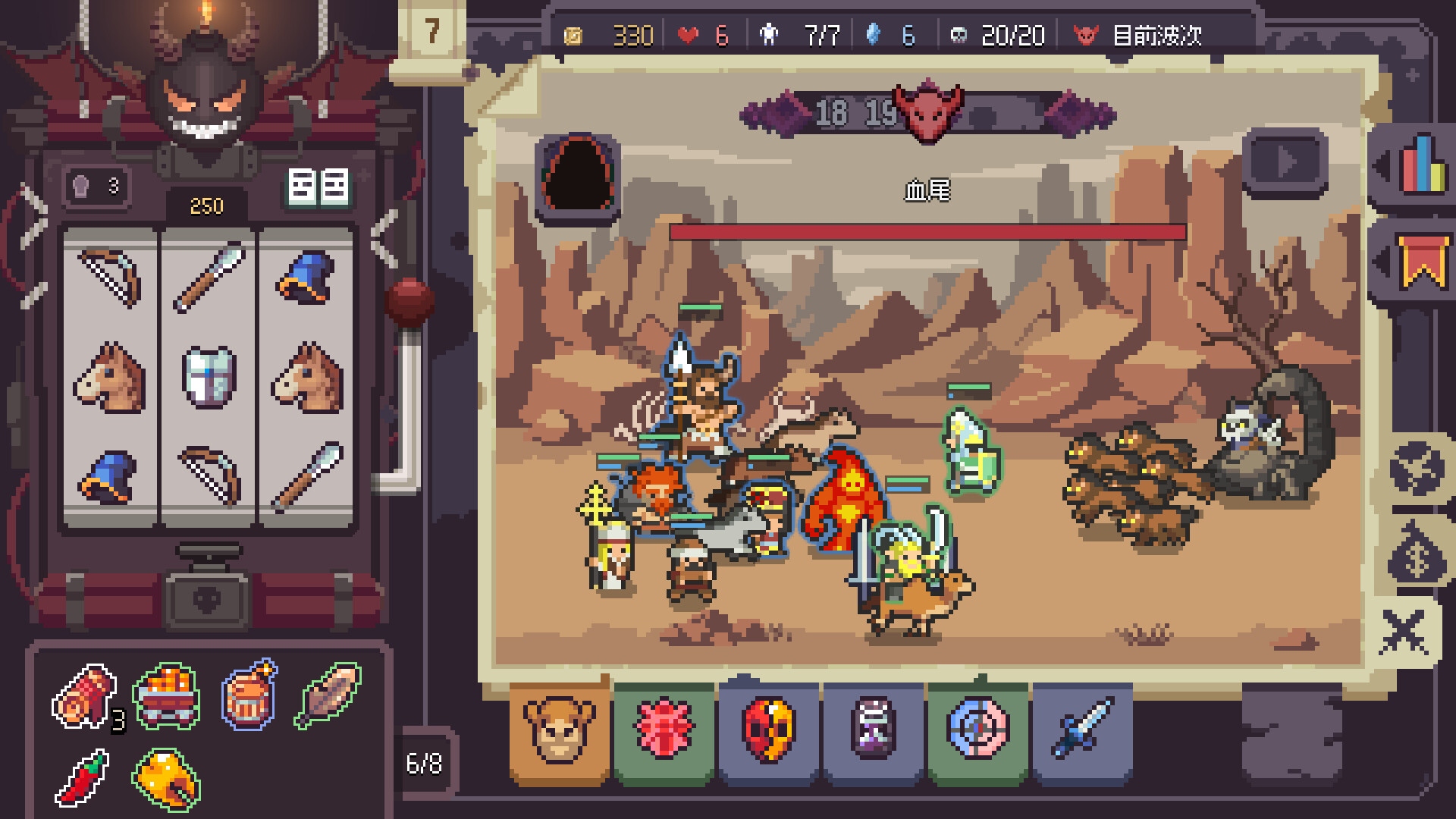
Released on November 13, Slotbound is a tower defense game combining roguelike and auto-battler elements. Players continuously pull a slot machine to summon various units, form a combat squad, and use various items to manipulate probability in an attempt to steer the outcome of battles in their favor.
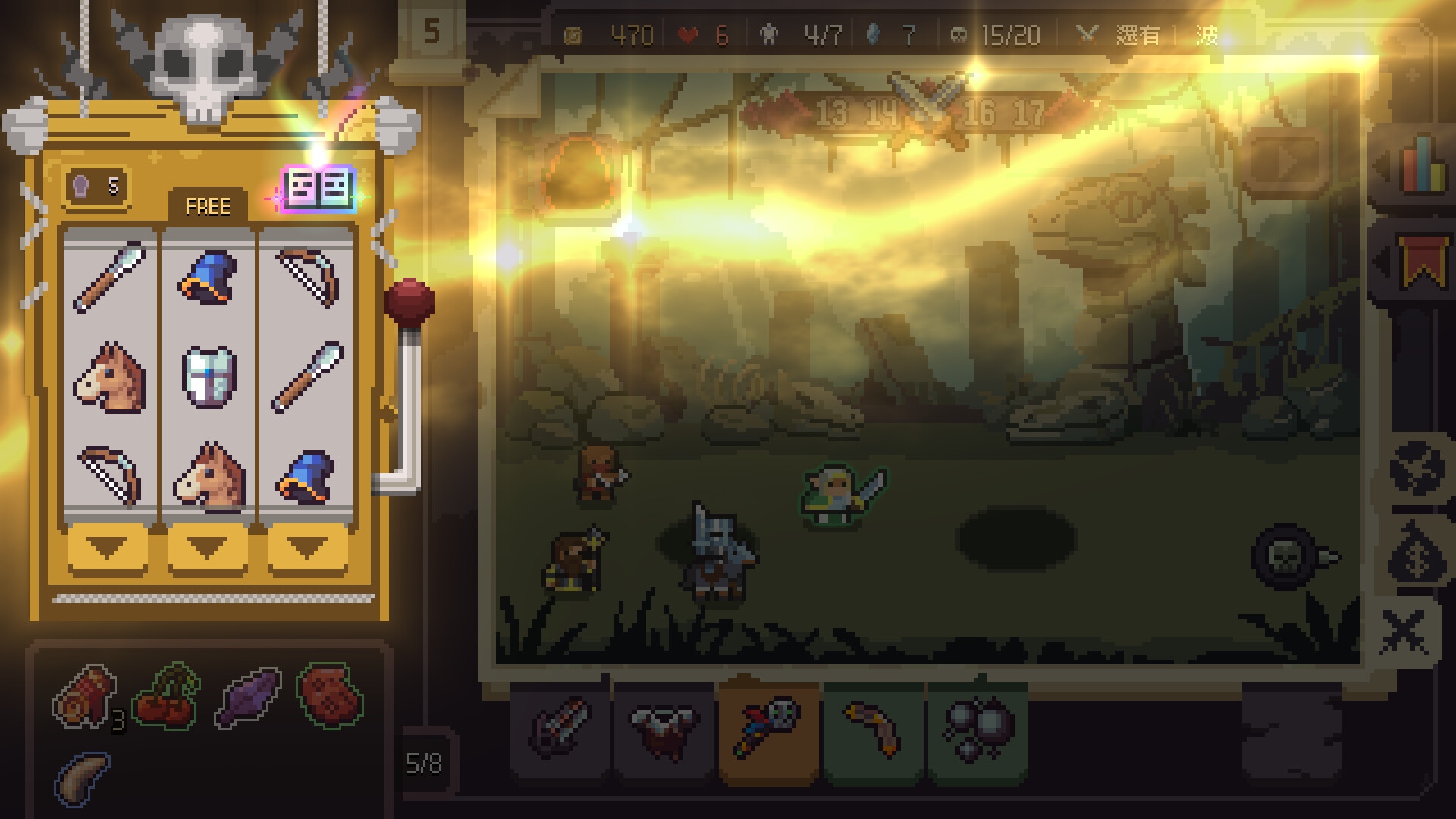
So far, the game has received an 82% “Very Positive” rating on Steam and has sold 200,000 copies in just six days, and such impressive sales naturally represent considerable revenue. According to a post by developer Optima Arch, Slotbound has generated $1.33 million in revenue within a week of launch, along with screenshots of player data.
Even so, Optima Arch is still busy handling bug fixes for Slotbound and developing follow-up content. Recalling the development of the game, he said that he started developing it alone more than a year ago, and at the time he never expected it to receive such a huge response, and he thanked all the players willing to support the game.
“There are still many areas that need improvement, and I will keep working hard to make the game better!” he said.
My first game, Slotbound has made nearly $1.33 million in gross revenue in just its first week on Steam! I’ve barely had time to process any of this between fixing bugs and pushing updates😅 I started developing the game alone just over a year ago, and I honestly never imagined it would reach this point. Thank you so much to everyone who’s played and supported it. There’s still plenty to improve, and I’ll keep working hard to make it better! #Slotbound #indiedev
— OptimaArch (@OptimaArchGames) November 20, 2026
On the other hand, Optima Arch was upfront with players before the game’s release, admitting that he had used a large amount of generative AI technology in developing Slotbound. For example, in a post published in July, he called Slotbound an “AI-assisted development game” and admitted that because he was not deeply versed in traditional game development techniques, he decided to use AI tools to turn the game he had long envisioned into reality.
As for exactly which parts of Slotbound he used generative AI in? Optima Arch says he involved AI in the game’s programming and parts of the art production process, but even so, he still spent a great deal of time on game system design, version testing, bug fixing, rebalancing, removing uninteresting content, and other processes, gradually bringing Slotbound to the ideal state he had in mind.
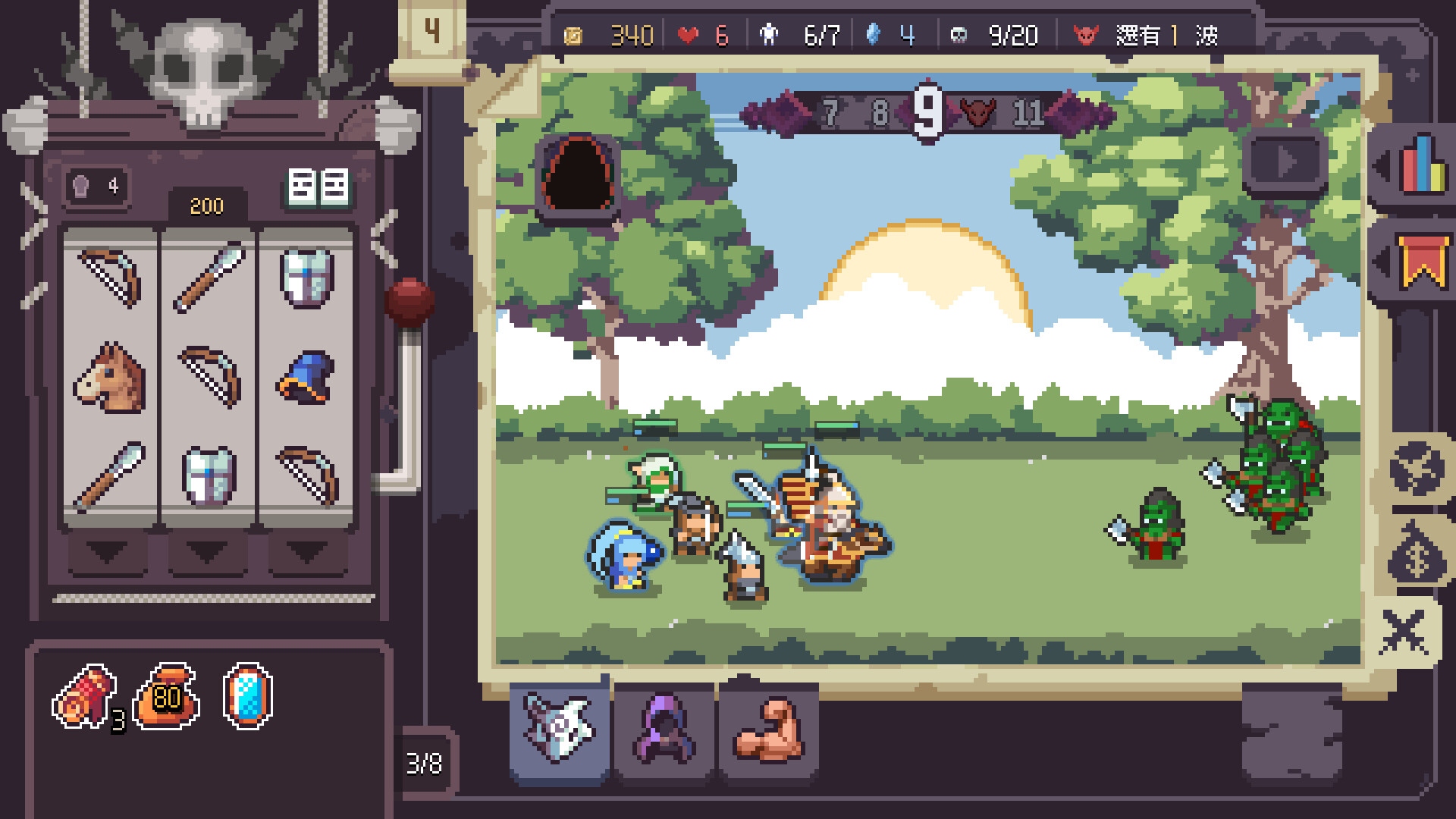
“Some of the visual assets and promotional content for Slotbound were created with the assistance of generative AI tools. However, all AI-generated content was reviewed, revised, and integrated by the developer to ensure it aligns with the game’s art direction and quality standards,” he said.
Even as generative AI continues to advance rapidly, the use of related technologies in game development has remained controversial, and many players still feel somewhat put off by works that use them. However, the success of Slotbound may suggest that, in certain cases, even development using AI technology can still generate considerable buzz.
Source: KOCPC Chinese