


The smart glasses created by Meta and Ray-Ban are moving in a more “smart” direction. In the future, this device is expected to directly identify the identity of the person in front of it through the built-in AI assistant and retrieve relevant information in real time. It is reported that Meta is developing a new facial recognition function with the goal of officially launching it within this year to add more topical application scenarios to smart glasses.

Meta plans to relaunch facial recognition technology on Ray-Ban smart glasses
according to”new york times” reported that people familiar with the matter revealed that this yet-to-be-disclosed facial recognition function is code-named “Name Tag” within Meta. Mark Zuckerberg has high hopes for this feature, hoping that it will become the most critical differentiation point between Meta smart glasses and competing products, so that the AI assistant will no longer just passively respond to commands, but can actively understand “who you are looking at.”

In fact, Meta is no stranger to facial recognition technology, and can even be said to have a “previous record.” In the early years, the company introduced facial recognition features on Facebook to help automatically tag people in photos and videos. However, as society’s concerns about privacy and surveillance continued to rise, this feature eventually faced strong criticism. Meta was not only forced to shut down related systems, but also paid a huge fine of up to $1.4 billion in Texas for violating privacy-related regulations, becoming one of the representative cases in the technology industry in the face recognition controversy.
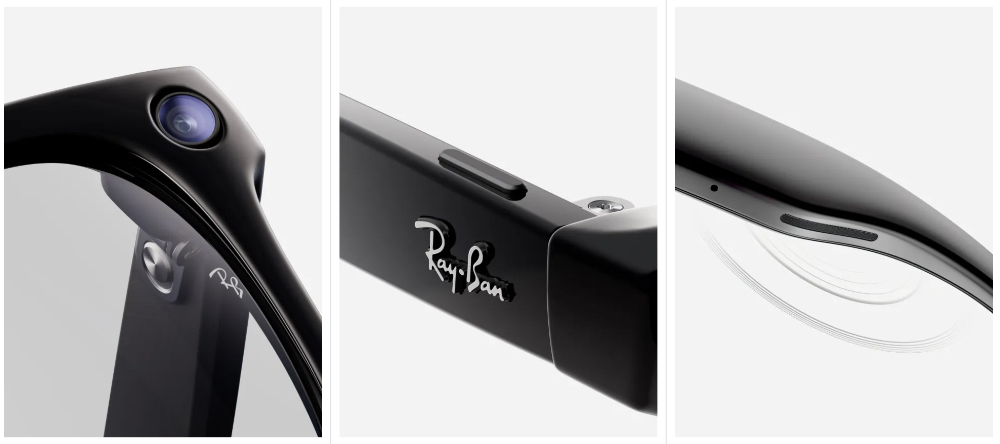
Despite getting into trouble with facial recognition in the past, Meta hasn’t given up on the technology entirely. The report pointed out that since the beginning of last year, Meta has restarted relevant discussions internally and gradually planned the launch schedule of the function. According to an internal document last May, Meta originally planned to demonstrate the practical application of “name tags” to attendees at a large conference for the visually impaired and blind, hoping to “help the visually impaired identify others” as an entry point to highlight the positive value of this technology. However, the preview did not take place in the end, showing that there are still quite a lot of tug-of-war and concerns within the company about when and how to make this feature public.

It’s not hard to understand why. Facial recognition technology involves far more than “whether it works or not”, but also includes privacy risks, ethical controversies, and legal battles that may ignite if something goes wrong. Who can be identified? Who has permission to enable this feature? How is the data stored and used? None of these questions are easy multiple choice. According to reports, Meta is currently conducting detailed permission design for the “scope of identifiable objects”, hoping to find a relatively less sensitive balance between functional practicality and social acceptance.
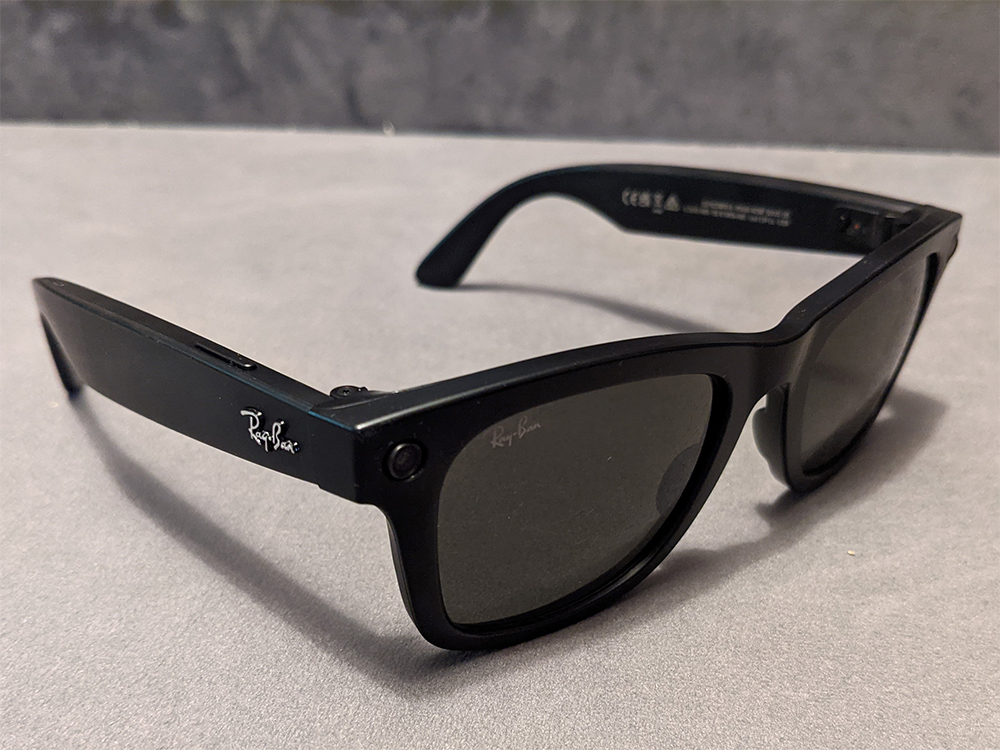
The current idea is that Meta will not allow users to freely query the identity information of strangers on the road. On the contrary, the system’s identification scope will be limited to two major categories of objects: first, people who the user has established connections with and “know” each other through Meta’s platforms (such as Facebook, Messenger, etc.); second, even if the user does not have a direct relationship with the other party, the other party has a public profile on platforms such as Instagram, and the relevant information is inherently visible to everyone. In other words, Meta seems to be trying to use “existing relationships with the platform” and “public data” as the boundaries of technology application to avoid falling into the extreme situation of “portable human flesh search”.
More controversially, according to MacRumors Citing internal documents, Meta had evaluated launching this feature at a time of “turbulent political environment” in the United States. The reason is that in such a situation, most civil rights groups and watchdog organizations may focus on other more pressing issues, and there will be relatively little pressure to backlash against the facial recognition function. In this regard, Meta told the New York Times that the company is “still considering various options.” If it finally decides to adopt such a strategy, it will conduct full evaluation and careful consideration before official release. However, such a statement has not completely quelled the outside world’s doubts about its motives and ethical judgment.

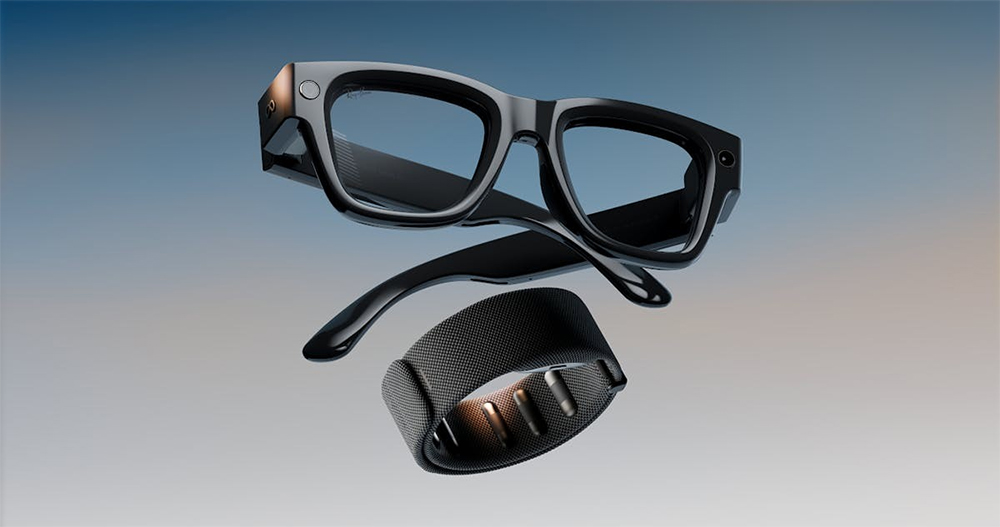
From a product line perspective, Meta has continued to bet on smart glasses and wearable devices over the years. Last year, the second generation of Ray-Ban Meta smart glasses and Ray-Ban Display glasses were launched one after another, focusing on a lighter appearance, better cameras and microphones, and closer integration with social platforms. As the market matures, more and more technology companies are joining the smart glasses battle. From photography, video recording, and live broadcasting to instant translation and sports recording, various application scenarios are flourishing.
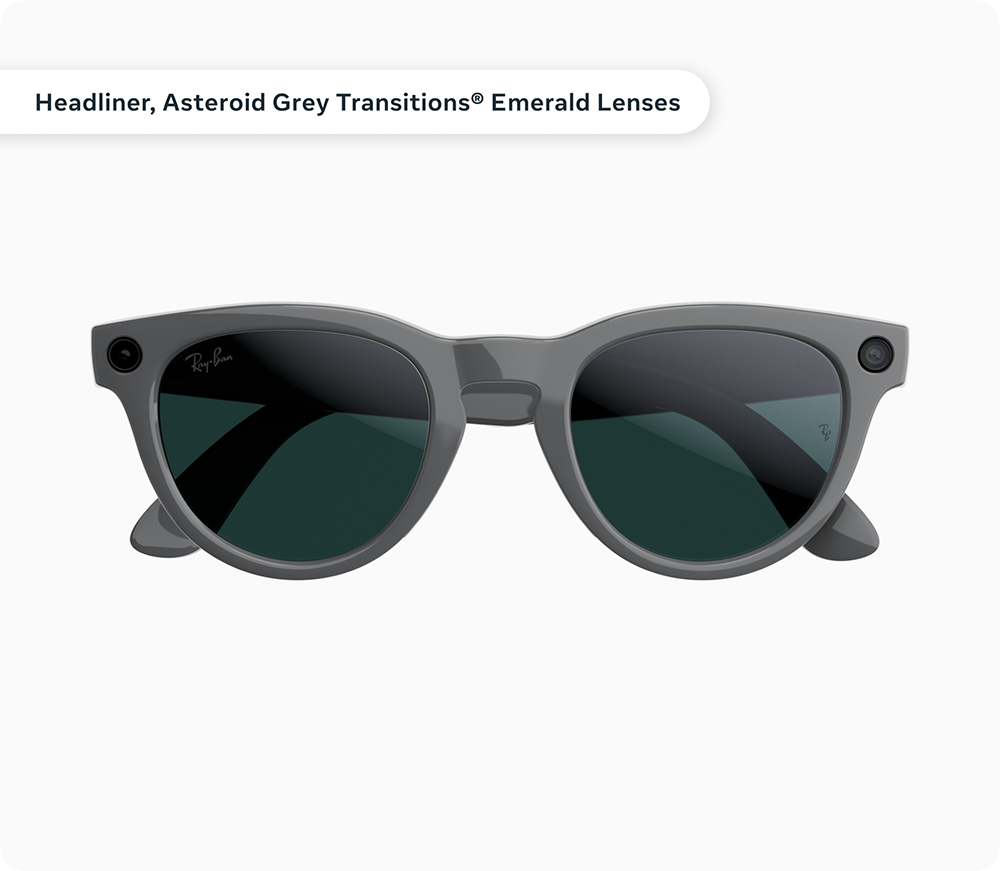
In such a competitive environment, Meta obviously hopes to create stronger memories for its products through highly-recognizable AI functions such as “name tags.” On the other hand, there is also a lack of imagination for other wearable devices on the market, such as the “Apple Watch with built-in camera” that has been rumored for a long time. Although such products are still in the rumor and patent stage, sources indicate that Apple is also evaluating the launch of smart glasses with camera functions, which may appear as soon as this year. If the news comes true, competition in the smart glasses market in the next few years will inevitably escalate from a battle over hardware specifications to a battle over “whose AI understands you better and the world in front of you better.”
Overall, if Meta and Ray-Ban’s smart glasses really introduce the “name tag” facial recognition function, it will not only be an update in product specifications, but also a redefinition of “how we are seen and recorded in the real world.” Whether this technology will be regarded as a tool to facilitate life or an outpost to monitor society may not only depend on how Meta designs its functions, but also how much risk the entire society is willing to accept and how much privacy is exchanged.
Source: KOCPC Chinese