


As streaming video takes over the big screen in the living room, the old statistical logic that “one account equals one viewer” can no longer keep up with modern household viewing habits. After adjusting its view-count threshold earlier this year, YouTube recently announced a “Co-viewing” counting mechanism. The new system will use algorithmic models to estimate how many viewers are gathered in front of a TV screen and count these “hidden viewers” toward total views.
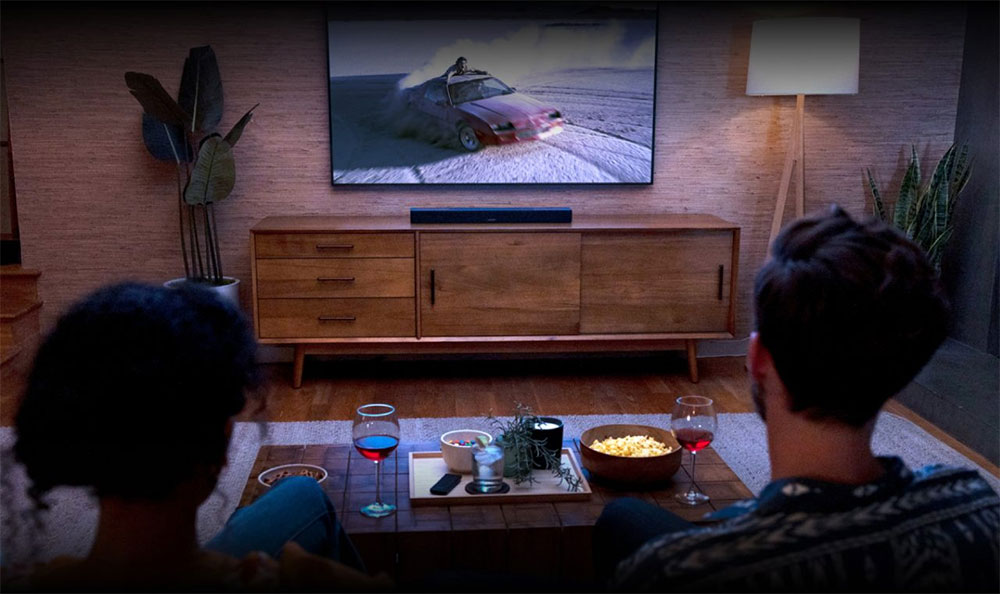
YouTube introduces a new TV “co-viewing count” system that can count how many people are on the couch even with the camera off.
Earlier this year,YouTube has just started counting “playing the first frame” as a valid view.However, under the old rules, whether one person or a whole family was sitting in front of the TV, a single playback still only registered as “1 view.” According to the official post, “co-viewing views” was created precisely to address the statistical blind spot in living-room scenarios. This rule applies only to viewing on TV; on phones, tablets, or computers, “one playback counts as one view” still applies.
In terms of content formats, long-form videos, Shorts, and live streams are all included in the calculation. However, creators should not expect a surge in the data for older content; YouTube emphasizes that the new system applies only to future viewing behavior, and historical data will not be retroactively changed.
New! Co-views included in the public YouTube viewcount https://t.co/AoYu2WRMU1
— YouTube Creator Insider (@YouTubeInsider) November 16, 2026
YouTube is making major changes to its underlying logic, backed by massive traffic. According to the company, global users now watch more than 1 billion hours of YouTube on TV every day. TV is not only the fastest-growing medium, but also puts YouTube head-to-head with traditional broadcast and streaming platforms in the living room market.

To let creators and advertisers accurately assess this “living-room dividend,” incorporating co-viewing data has become inevitable. YouTube says the new dimension can help creators grasp the full picture of engagement, optimize channel strategy, and have more persuasive leverage when negotiating brand promotions. This logic aligns with the industry standard used by traditional TV and streaming to estimate “total viewership,” symbolizing that YouTube is moving closer to the TV industry’s evaluation system. However, reported view growth does not equal expanded revenue sharing. YouTube has drawn a clear red line: additional views from “co-viewing” will not count toward platform earnings, because these estimated viewers do not qualify as “qualified views.” In other words, this data mainly serves as an “influence indicator” and a “reference for commercial negotiations,” rather than a direct monetization cash machine.

The technical core that has attracted the most outside attention is this: without facial recognition, how exactly does YouTube “guess” how many people are in the living room? In response to possible privacy concerns, parent company Google emphasized immediately that the system absolutely does not use any TV cameras, microphones, or sensors to spy on the living room. Instead, this mechanism relies on a statistical method developed by Google research scientists that is positioned as “privacy-focused.” This algorithm comprehensively analyzes variables such as demographic patterns and viewing-duration distribution, and refers to real data sources such as television industry samples for calibration. Through a probabilistic model, the system can then estimate how many co-viewers, on average, are in front of the screen.
This new system has already begun to be implemented gradually. As the true audience scale on the TV side comes to light, how creators design content for the living-room scenario of “family co-viewing” is bound to become the next major focus in audiovisual creation.
Source: KOCPC Chinese