


Nintendo’s The Legend of Zelda: Ocarina of Time, released for the N64 in 1998, has long been regarded as one of the most important works in video game history, and with the remake launching this month, this classic has once again become a focus of discussion. However, in an interview as early as 1996, veteran Nintendo developer Shigeru Miyamoto said that Nintendo at the time was caught in a trade-off between “innovation” and “production quality,” and had even begun to worry that the team would focus too much on quality and neglect the fun of the game itself.
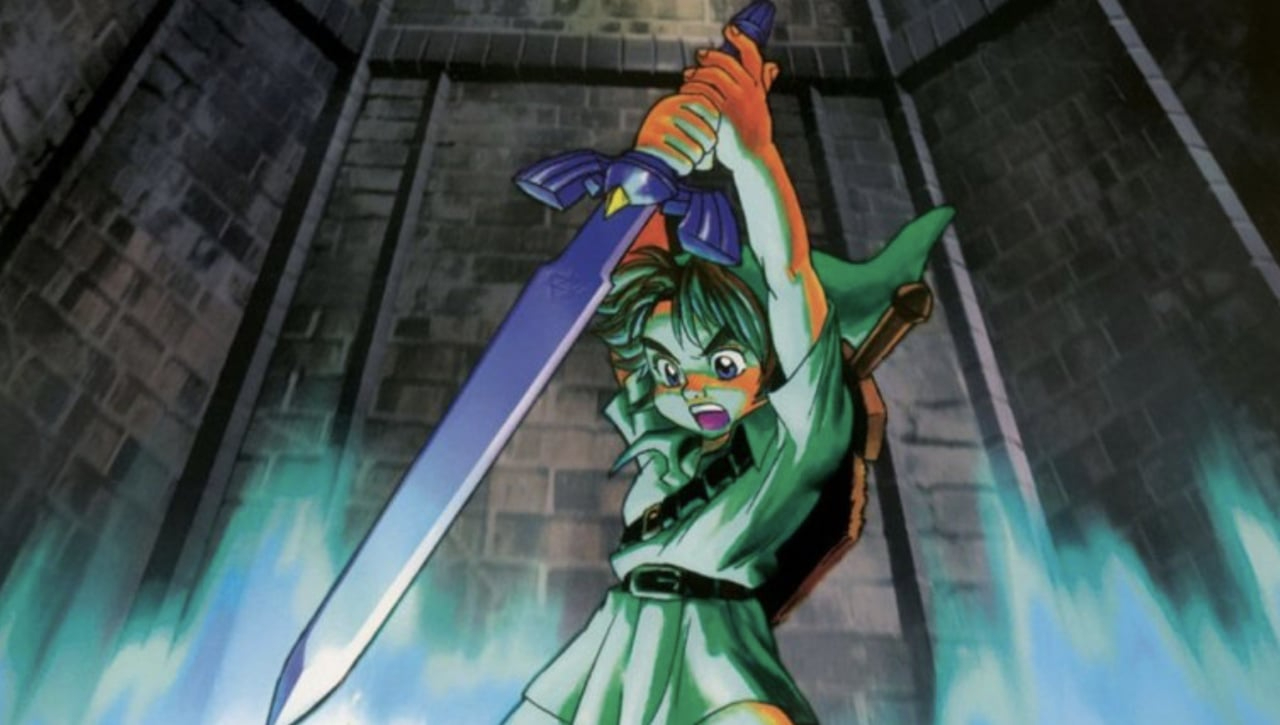
At the time, Nintendo had just released the equally important milestone Super Mario 64, and in an interview with game developer Keni Eno during that period, Shigeru Miyamoto was asked what he thought about Nintendo’s games beginning to increase in quality and complexity, and whether these works would continue to provide players with a means of escapism.
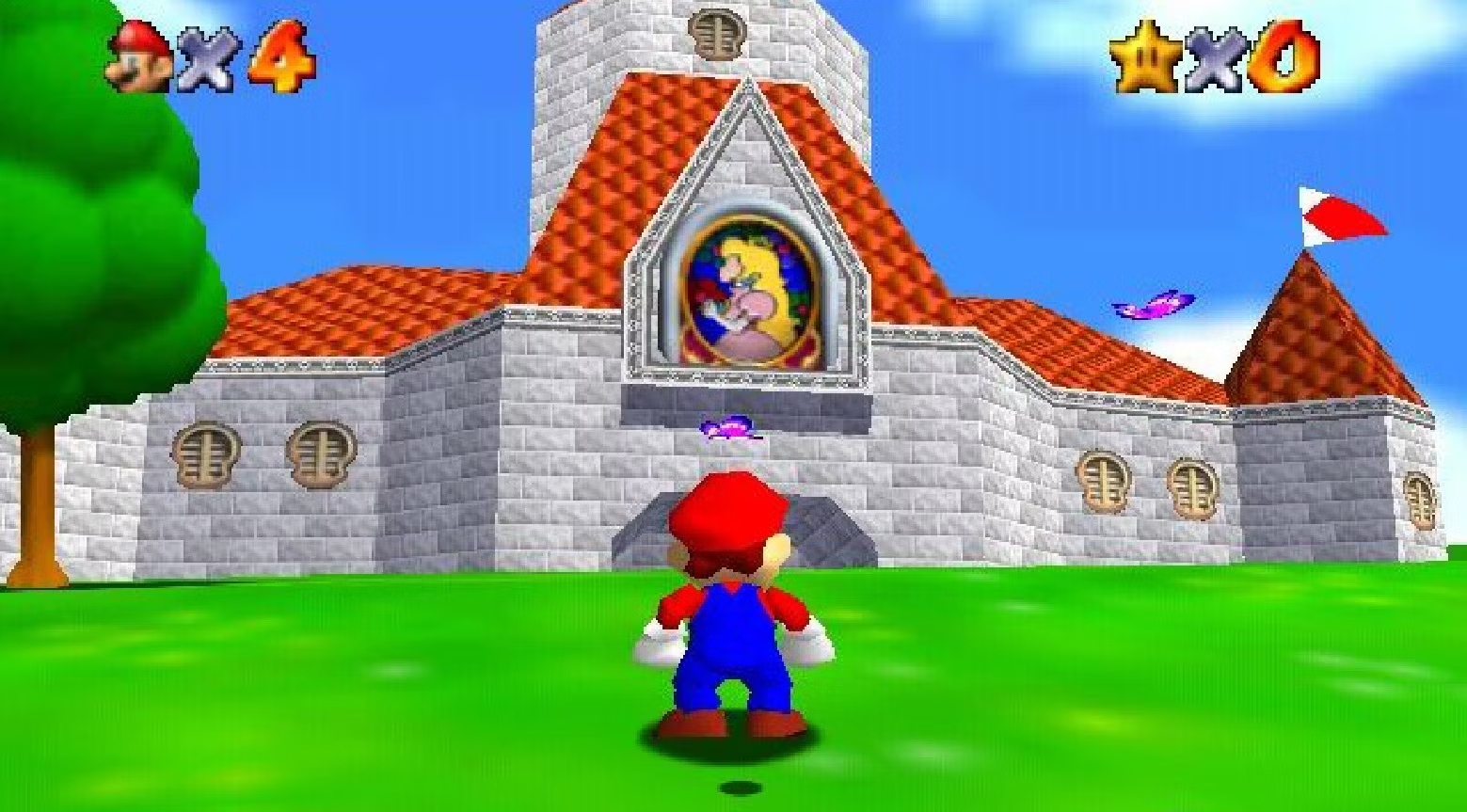
In response, Shigeru Miyamoto said that because the Mario and The Legend of Zelda series were being developed during the same period, the “boundary” that originally existed between the two series began to gradually disappear. In a later interview, Eno also mentioned some differences between the early demo version and the final released version of Super Mario 64. According to Miyamoto, the early demo version may have seemed to contain more innovative elements, but the final version delivered a stronger presentation in terms of overall completeness and quality. Even so, he emphasized that Nintendo should not be satisfied merely with a game’s commercial completeness.
“If you ask me whether Nintendo should be satisfied simply by ensuring its games have a high level of commercial polish, I don’t think so. There are two types of games: games that are well made, and games that are fun. And the public’s impression of Nintendo games has gradually shifted from ‘fun’ to ‘well made.’ As a result, we’ve put a great deal of effort into the latter,” he said.
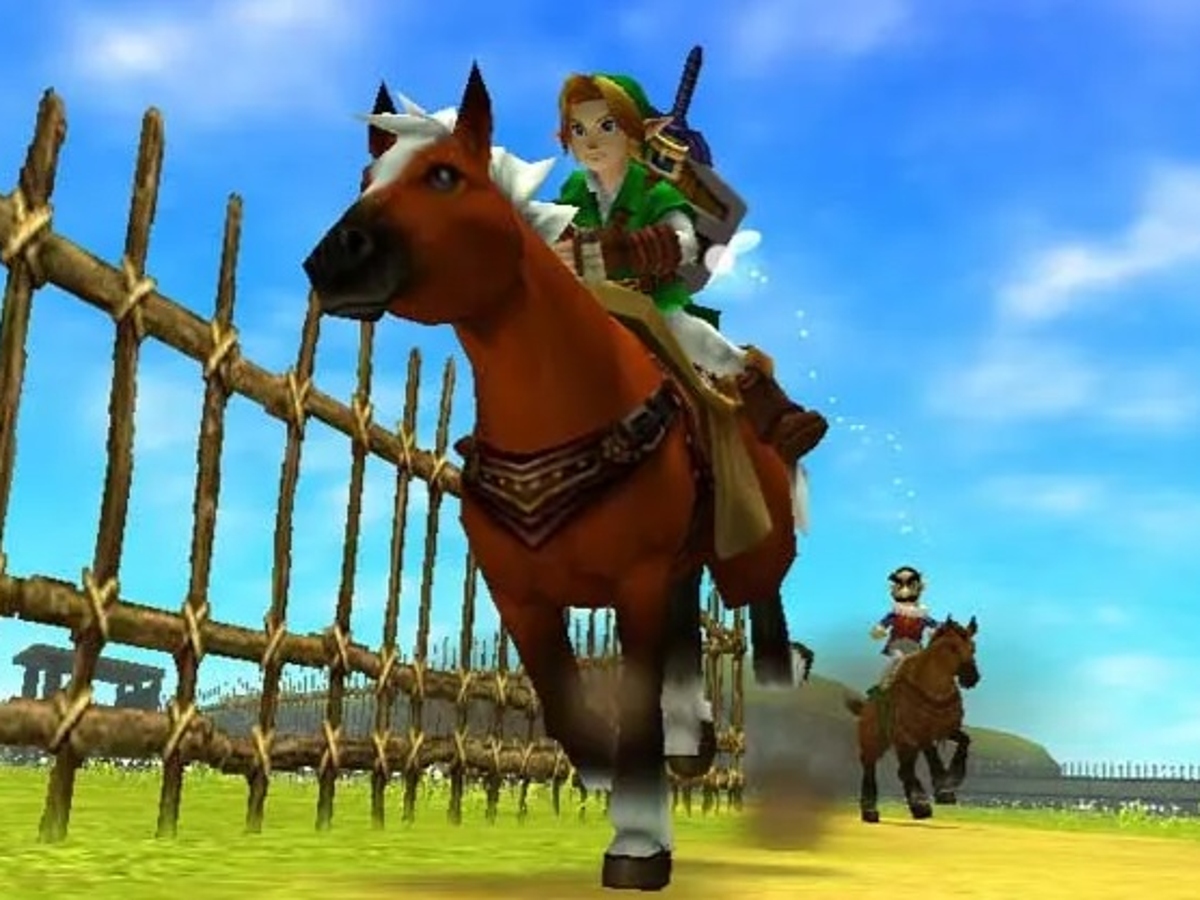
He continued by saying that after the success of Super Mario 64, the Nintendo team had also proven it was capable of creating consistently high-quality 3D action games, so they should next be able to try making something more interesting and more creative. Although Miyamoto did not explicitly reveal their plans at the time, within two years the Nintendo team delivered The Legend of Zelda: Ocarina of Time, an important work that had a profound influence on all later 3D action games, and it successfully earned a top score of 99 on Metacritic, still holding the title of “best-reviewed game of all time.”
After stunning the entire game industry with Super Mario 64 and Ocarina of Time in succession, Nintendo’s N64 console entered a brilliant heyday, and over the following years it released a slew of equally acclaimed hits—Mario Kart 64, Star Fox 64, Donkey Kong 64, Mario Party, and Super Smash Bros.—delivering results that greatly satisfied players in both creativity and quality.
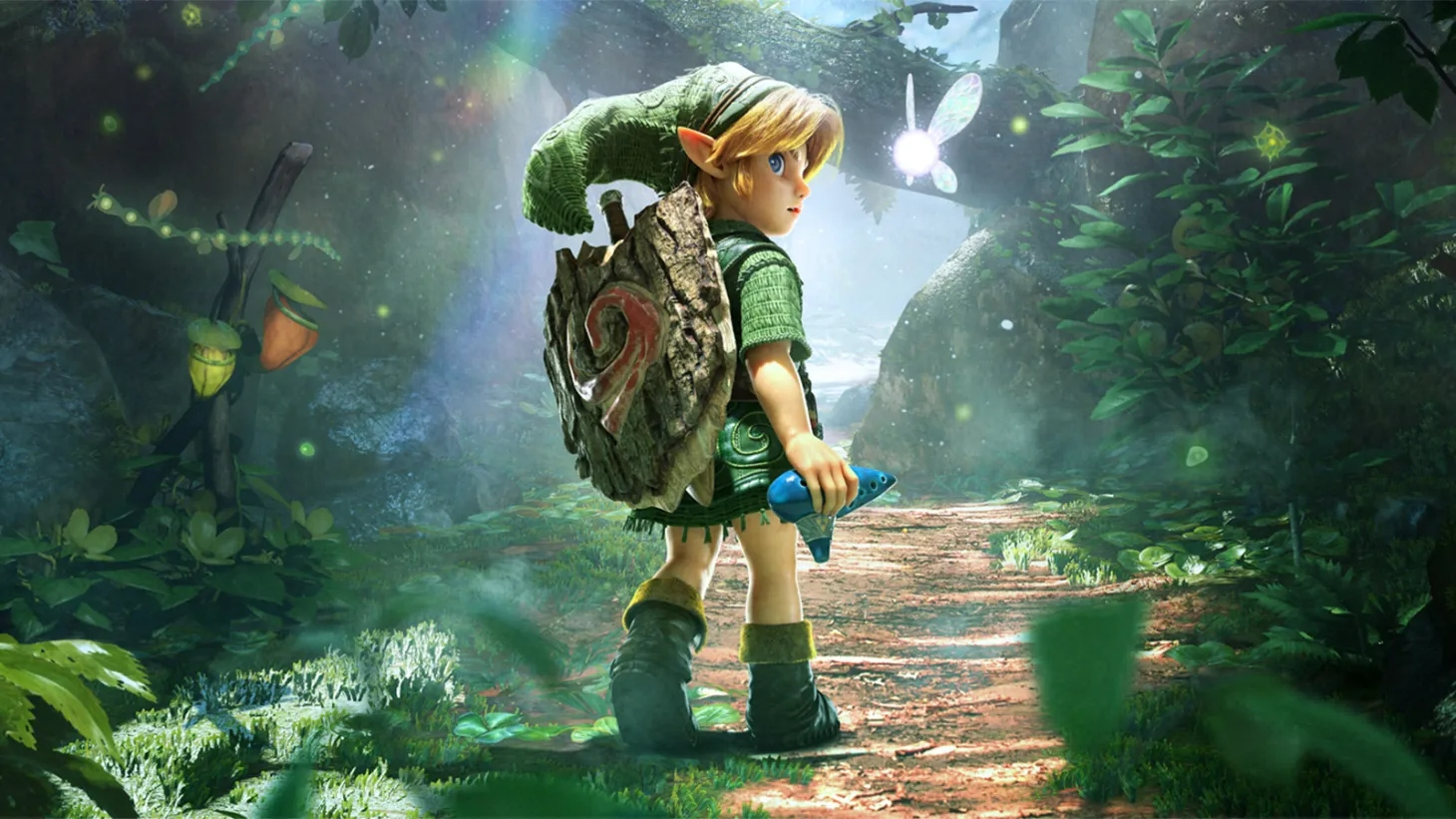
As for The Legend of Zelda: Ocarina of Time, released earlier this month, Nintendo also made a point of bringing in many new-generation developers, including quite a few who had never even played the original Ocarina of Time, with Eiji Aonuma, a veteran producer of The Legend of Zelda series, serving as producer, so as to retain the original’s creativity while delivering more modern production quality. After its official release, the game also received an extremely high score of 96 on Metacritic and achieved sales of 5.2 million copies within four days of launch, proving that even when presented with the highest-quality modern production techniques, the creativity of that time can still reach players today.
Source: KOCPC Chinese