


Speaking of Windows operating systems, I believe one of the most classic versions is Windows 98. It was also the first operating system to support multitasking, and may be older than many young friends. Recently, a Geek YouTuber named “Throaty Mumbo” successfully installed this ultra-old operating system on Raspberry Pi and developed an application called “Toast.exe” to control the toaster.
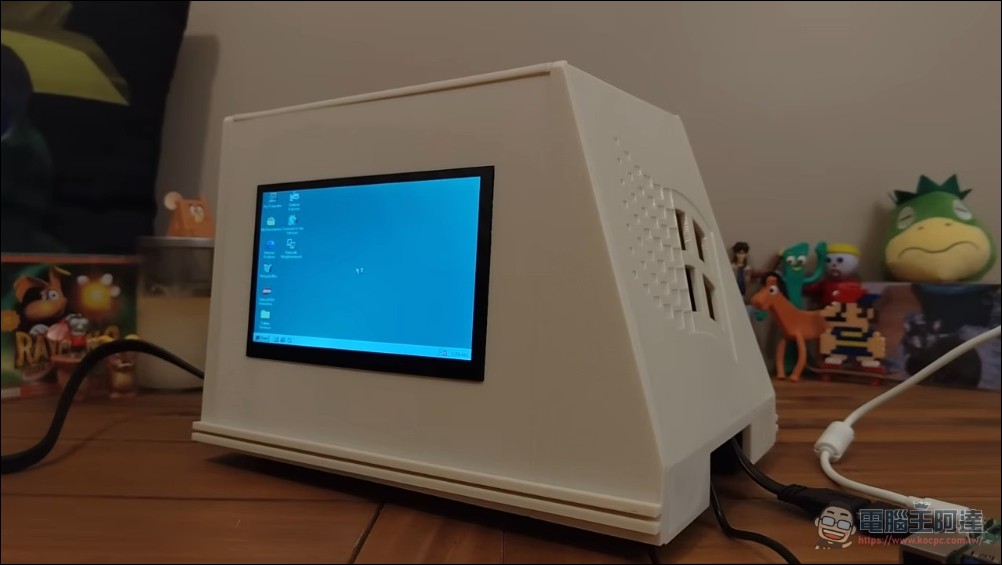
Hardcore modification! Foreign netizens install Windows 98 into a toaster
The origin of this crazy idea is actually quite simple. When Throaty Mumbo was visiting a store, he discovered an affordable “smart toaster” equipped with a screen. As a senior technology geek, he immediately realized: “There must be a way to hack this thing.” So he bought the toaster and started his reverse engineering journey.
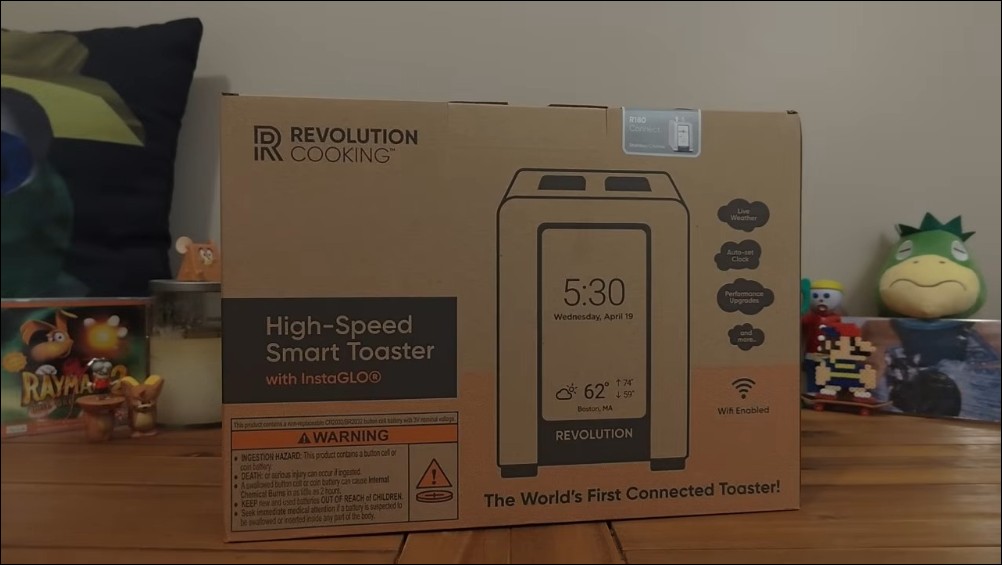
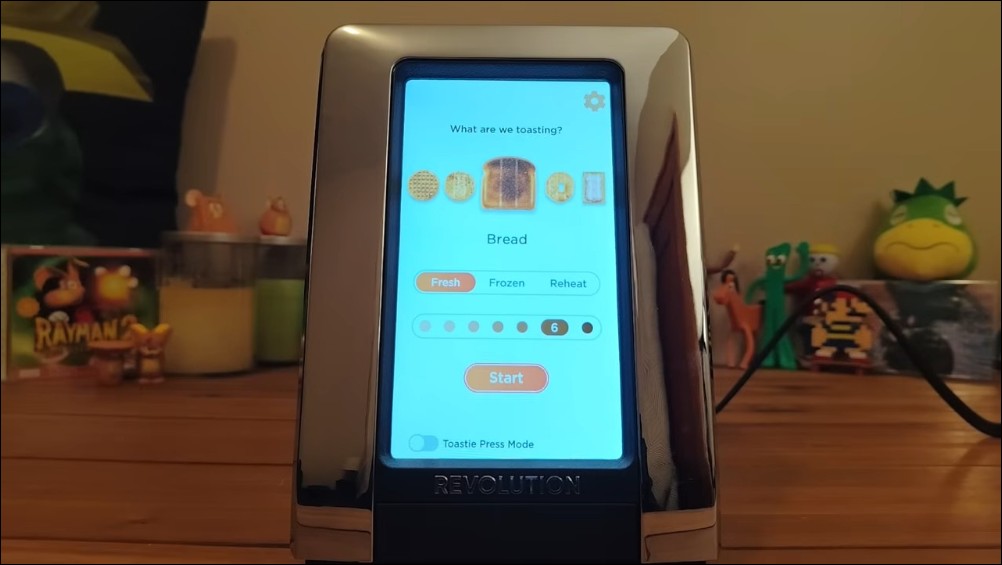
By carefully studying the machine’s internal structure and communication protocols, he successfully cracked the toaster’s input system, laying the foundation for the subsequent “Windows-based” transformation.
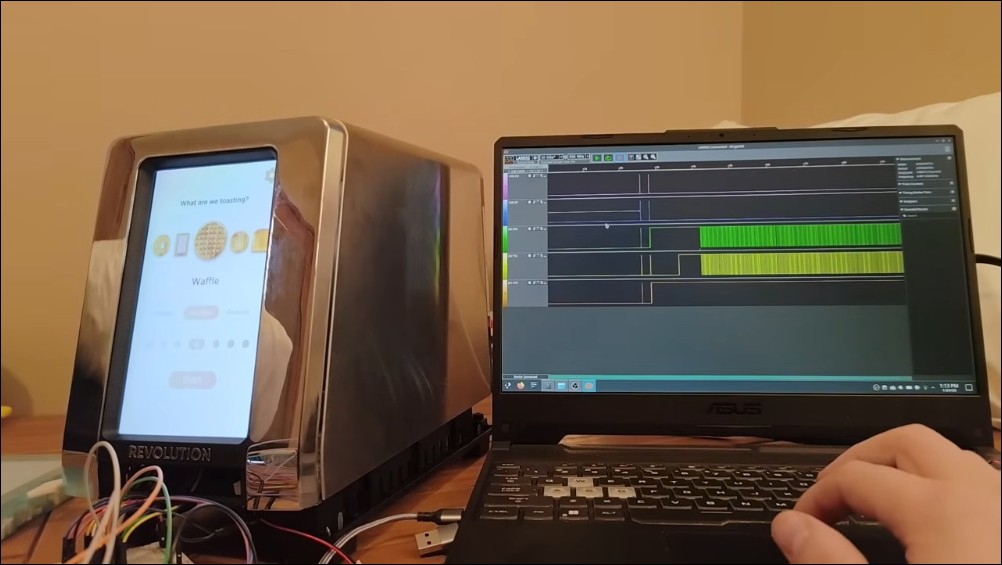
Throaty Mumbo uses a Raspberry Pi as the hardware core and installs Windows 98 on it through QEMU.
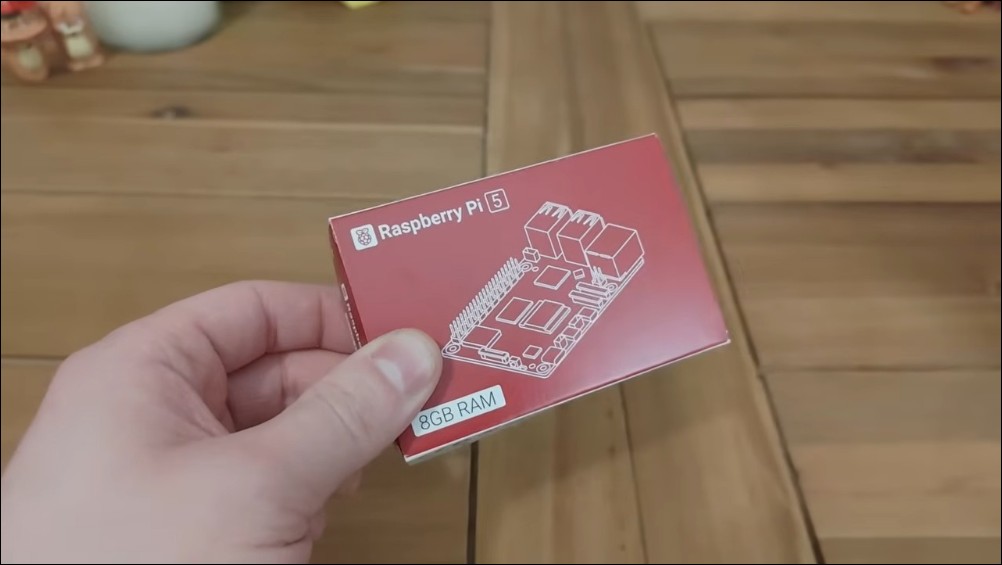
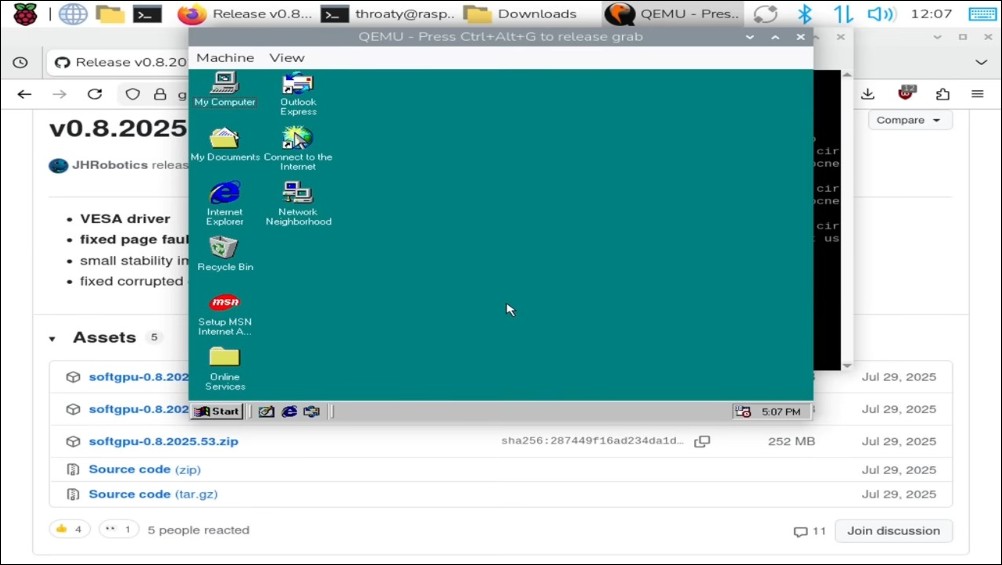
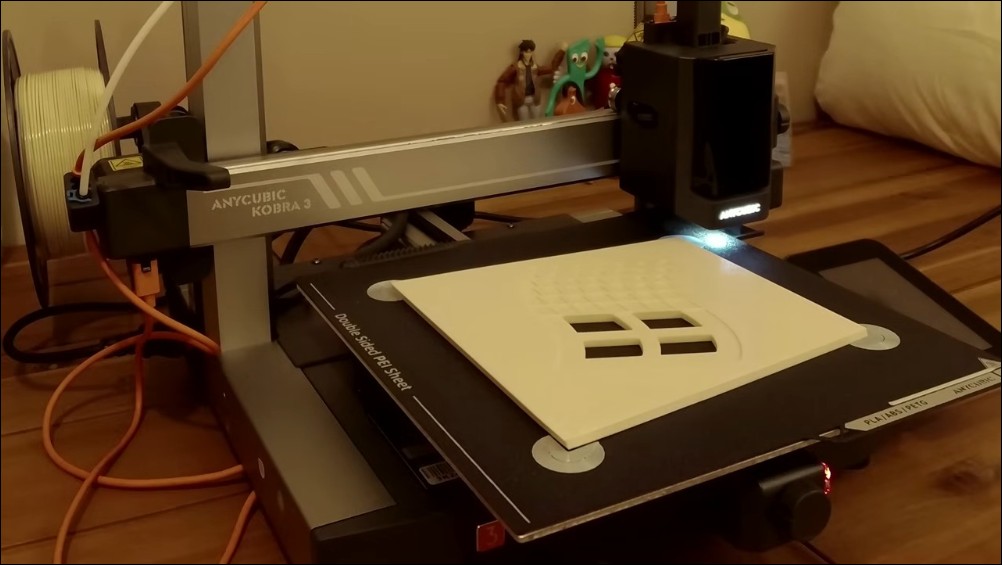
In order to recreate the retro atmosphere of the 1990s, he also specially designed and 3D printed an off-white casing, making the entire machine look like a mixture of the CRT screen and beige computer host of the year, with perfect visual effects.
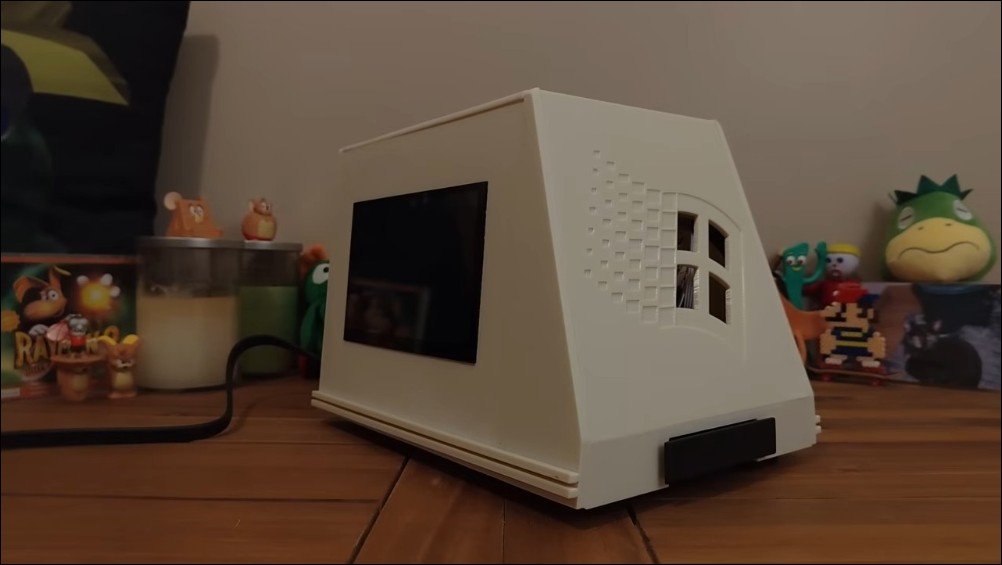
After that, just put the toast in the modified smart toaster and execute the “Toast.exe” executable file. The software will send a signal to the Raspberry Pi and control the GPIO pin through the level converter, thereby turning on the heating element of the toaster. The whole process is like running a normal Windows program, but in fact it is baking bread.
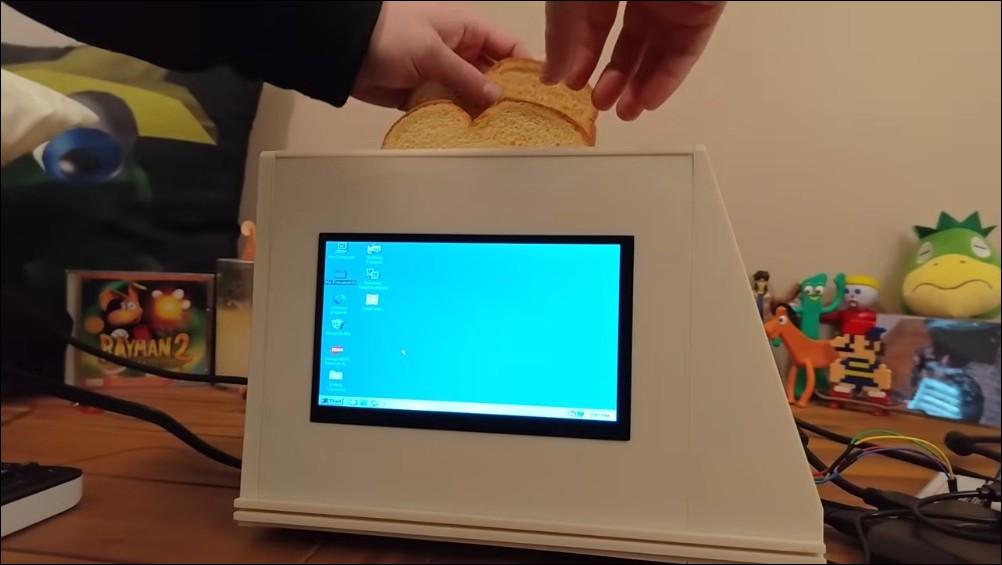
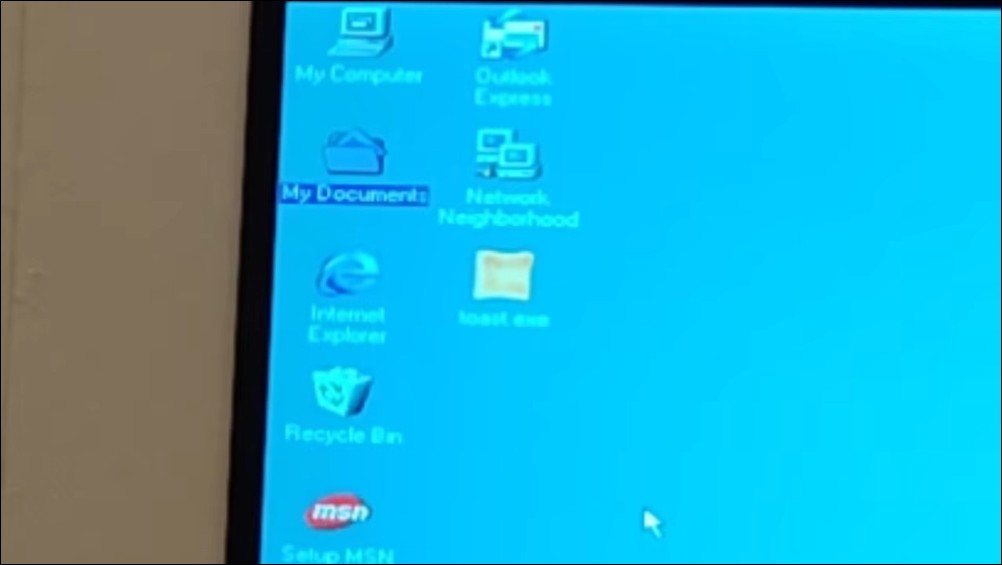
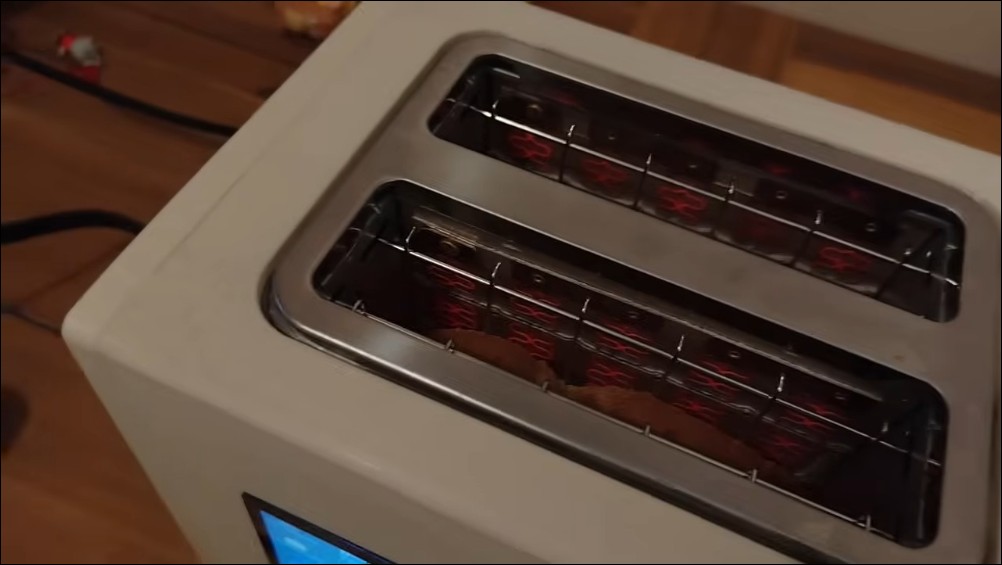
In the era of Windows 98, the concept of “smart home appliances” did not exist at all. Now, Throaty Mumbo has used a very creative way to combine that simple era with modern technology. Some netizens joked: “I can finally use the ‘blue screen crash’ as an excuse to burn the bread.”
From a technical perspective, this project also demonstrates the flexibility of the Raspberry Pi. This small development board can not only simulate the execution environment of Windows 98, but also handle communication with the physical hardware at the same time. Throaty Mumbo shows the entire development process in detail in his video, from circuit design to programming, providing complete instruction for all viewers who want to DIY. Interested friends can try it themselves.
This “Windows 98 Toaster” project is not only an interesting demonstration of the hardware transformation process, but also a technological romance that spans time and space. It reminds us that in the modern era of pursuing AI and extreme performance, those seemingly outdated systems and technologies can still have unexpected vitality under the imagination of the creators. Throaty Mumbo’s attempt blurs the boundaries between “antique software” and “modern hardware” and proves the core of the Geek spirit: it does not lie in the level of equipment, but in the pure curiosity of “because I can, so I do it.” Perhaps in the near future, we will see more forgotten classic systems return to our daily lives in such a disgusting but extremely admirable way.
Source: KOCPC Chinese