


In recent years, the global memory market has fallen into a severe state of supply falling far short of demand due to the rapid development of AI data centers. In addition to the components themselves, devices that rely on memory, such as game consoles and phones, have also seen prices rise in response, causing great suffering for gamers worldwide. However, in the eyes of OpenAI CEO Sam Altman, having people install memory in their own PCs is actually “a terrible thing.”
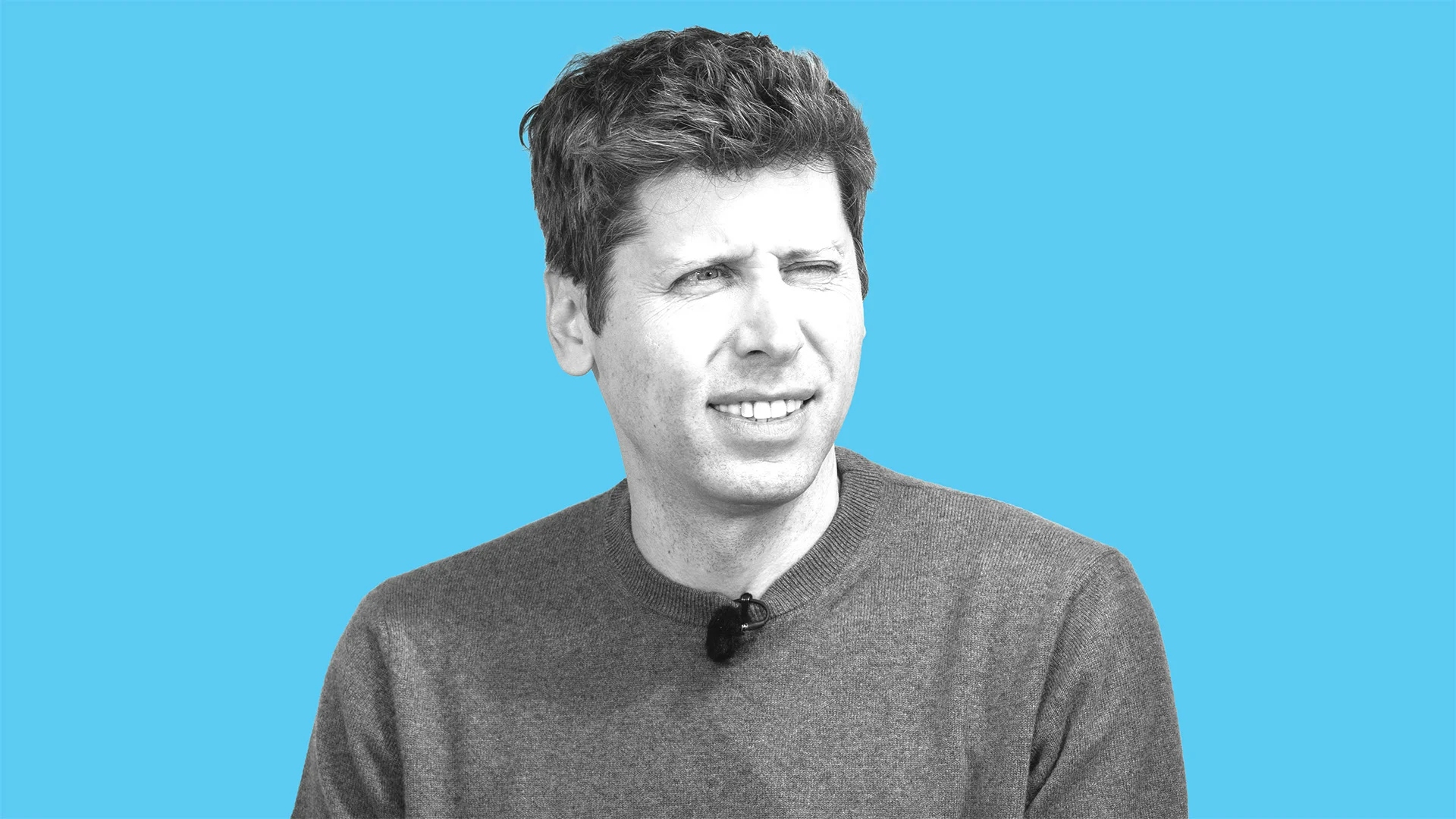
In a recent interview on the YouTube channel “Cheeky Pint,” Sam Altman discussed how the current AI industry is also facing global supply issues for computing resources. When responding to memory-related topics, Altman claimed that the “invisible hand” of the free market has now completely failed; however, he blamed this phenomenon on DRAM “not” all flowing to data centers and being used for cloud computing AI models.
According to Sam Altman, from the perspective of global resource allocation, everyone stuffing large amounts of the globally limited DRAM supply into their own computers is actually “a terrible thing,” because this memory sits idle 95% of the time. If people want to solve the current supply problem, they should maximize the utilization of cloud technology, but many people’s intuition is completely the opposite.
From Altman’s perspective, this seemingly exaggerated idea is not entirely unreasonable. After all, for OpenAI, only by getting more large data centers up and running as quickly as possible can it run its massive AI models at maximum speed and keep rolling out new innovations; otherwise, it could be overtaken by competitors at any time, seriously affecting the company’s interests and position.
However, the impact of the memory shortage may be far more severe than Altman imagined, because in addition to computer components such as memory and graphics cards, the three major current-generation game consoles—PS5, Xbox Series X|S, and Nintendo Switch 2—have also successively announced price increases, and even used PS5 Pros have soared to over $1,399.
But for Altman, who firmly believes that “cloud AI models” are the future direction of computing, the shortages facing these consumer electronics products may instead have become an opportunity to ensure that more memory flows to AI companies, allowing suppliers to redirect these resources to data centers. And according to Samsung’s latest earnings call, this situation is already underway—meaning that even by 2027, this memory turmoil is unlikely to improve.
Source: KOCPC Chinese