


In recent decades, consumer electronics have evolved rapidly, profoundly changing people’s lifestyles. Among the many electronic products, smartphones are undoubtedly one of the most representative and popular technology products. Today, mobile phones have long been integrated into people’s daily lives and become indispensable tools. In the highly competitive smartphone market, however, few products have had such a profound impact on user habits and industry development as the iPhone.
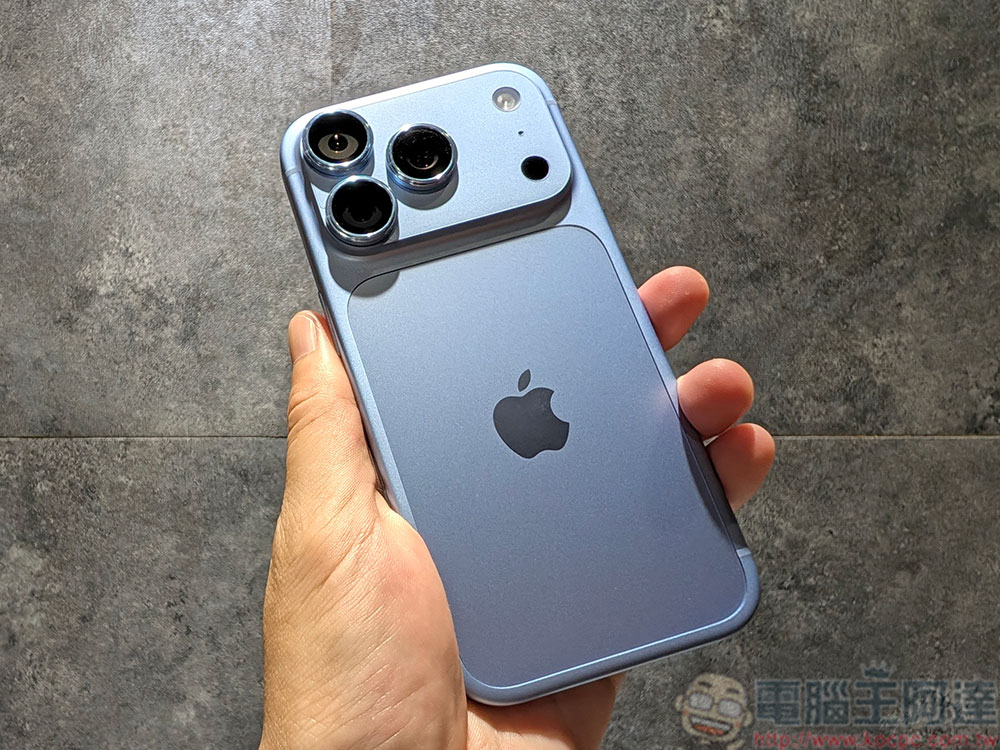
5 Ways iOS and iPhone Changed the Mobile Phone World
Under Steve Jobs’s leadership, the iPhone not only rewrote Apple’s development trajectory but also redefined the future direction of the entire mobile communications industry. With innovative hardware design, advanced software technology, and deep integration with the iOS operating system, the iPhone introduced many groundbreaking features and user experiences. To this day, the iPhone and iOS remain at the core of Apple’s product ecosystem. However, from the first-generation model to today’s products, the iPhone has undergone countless innovations and breakthroughs, continuously improving in ease of use, privacy protection, and the overall user experience.
Next, we’ll take an in-depth look at 5 important milestones in iPhone history that changed the industry landscape, to understand how it step by step set new standards for smartphones and left many competitors far behind.
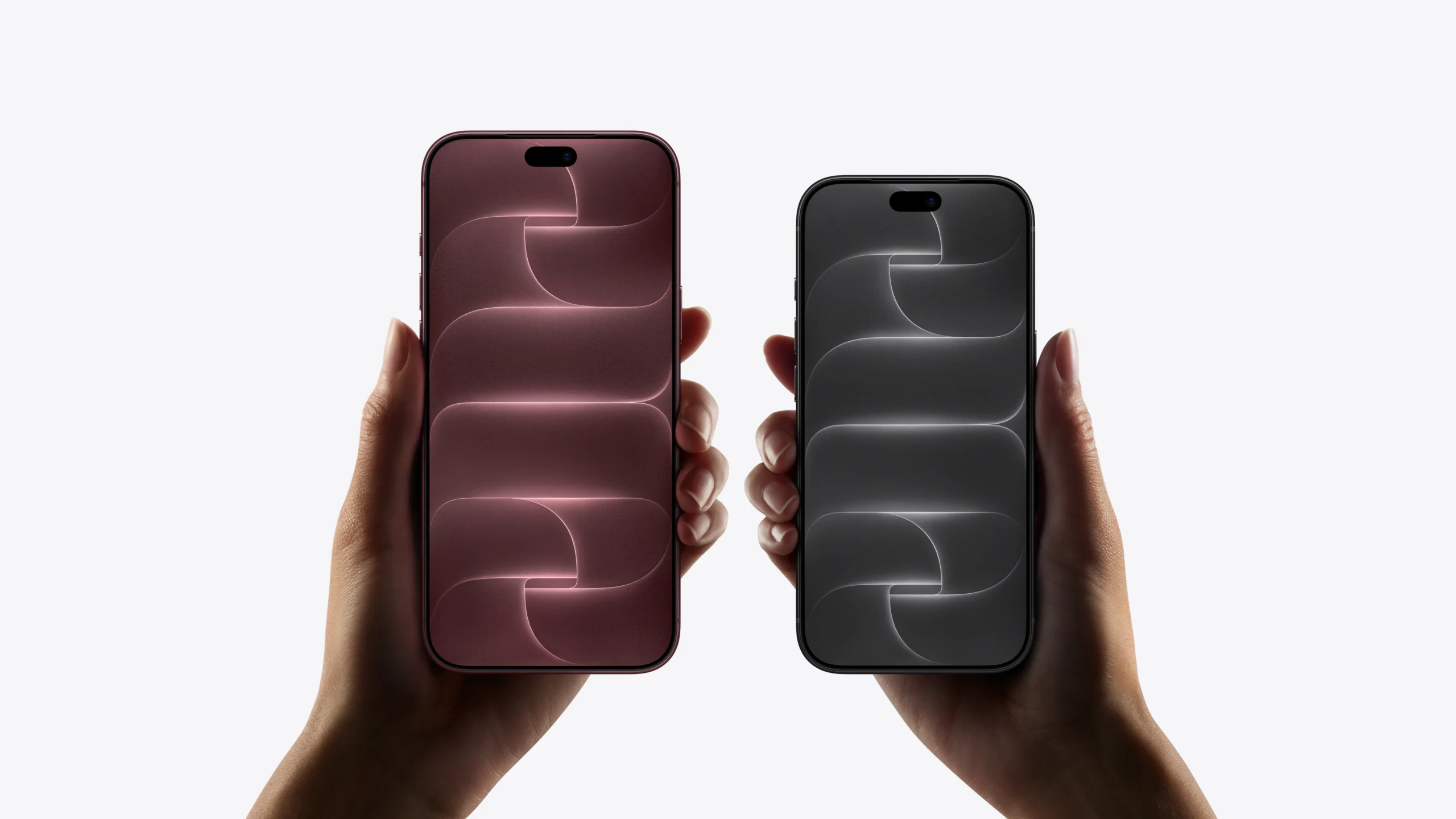
AI assistant Siri
In today’s era of rapid technological development, powerful and easy-to-use AI assistants are no longer a novelty. The market is flooded with all kinds of artificial intelligence tools that can help users meet various needs, from everyday questions to professional fields. Although the emergence of ChatGPT set a new standard for the mass market—especially since its free and easy-to-use nature made it widely popular—as early as fourteen years ago, Apple had already launched a groundbreaking product and led competitors to follow suit.
That product is Siri. Apple announced Siri in 2011 and integrated it into the iPhone 4S running iOS 5, making it a highly revolutionary feature on the market at the time. In an era when intelligent voice assistants were not yet widespread, Siri’s debut allowed users to interact with their phones through natural language, opening a new chapter in human-computer communication. It is worth noting that Apple did not build Siri from scratch; after acquiring the company Siri for about $200 million in 2010, it further developed the technology and integrated it into its own ecosystem. In fact, Siri was originally developed by SRI International, and before Apple acquired it, it had already been available as a standalone app supporting other platforms, including Android. However, as Apple brought it in-house and deeply integrated it into the iPhone, Siri’s potential was fully realized, and Apple gained a leading position in artificial intelligence and voice interaction.
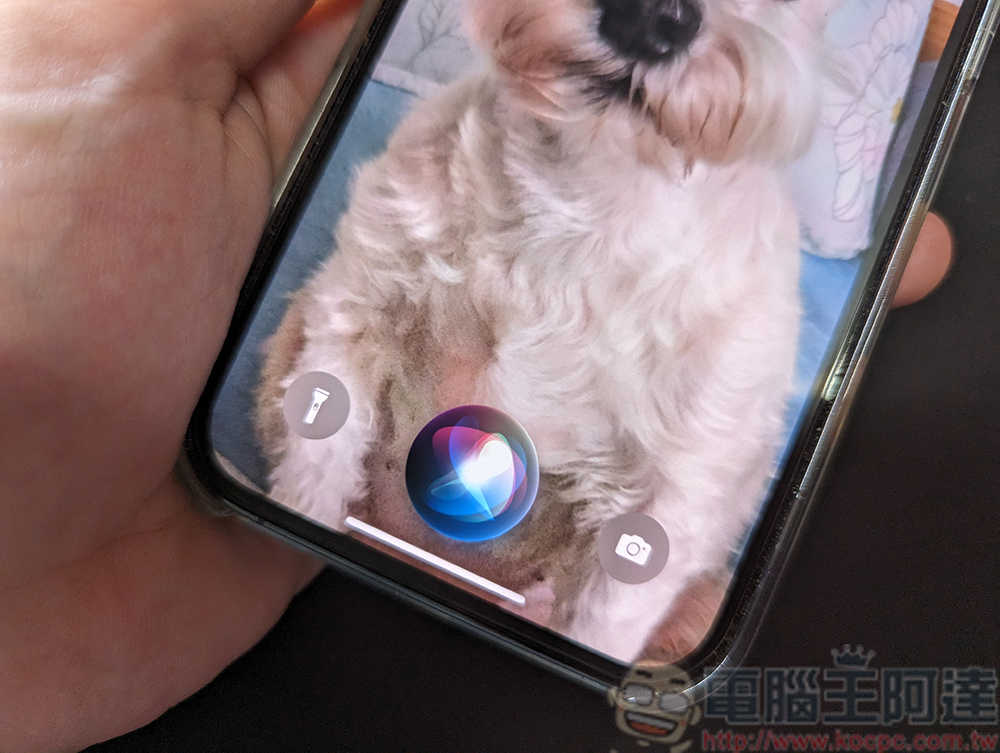
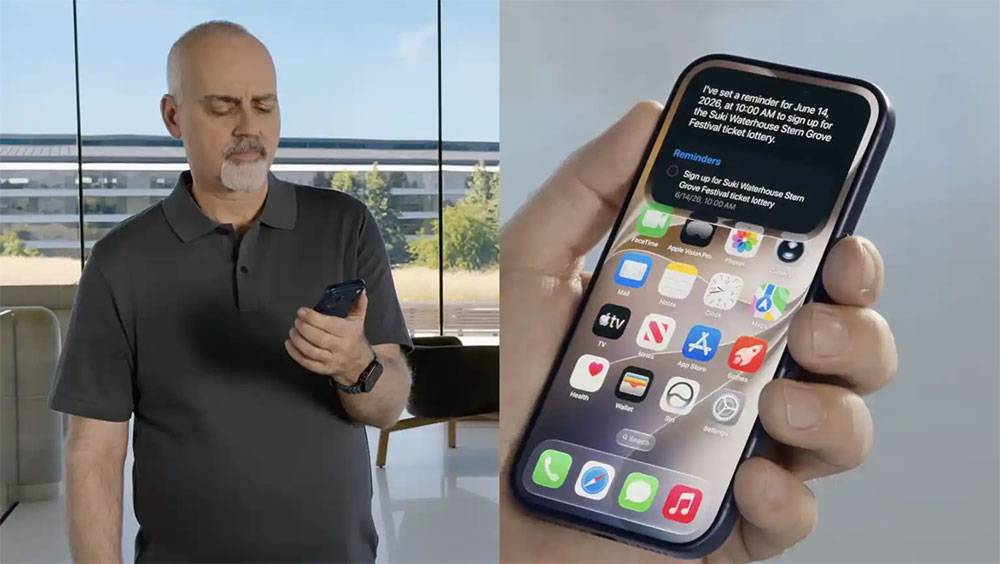
During the era of standalone apps, Siri could already perform basic tasks such as sending text messages and setting reminders; when it became deeply integrated with the iPhone system, it delivered an unprecedented intuitive operating experience. As technology continued to evolve, Apple gradually expanded Siri to more product lines, including the iPad launched in 2012, and through SiriKit allowed developers to integrate Siri into third-party apps, further expanding its capabilities and range of applications.
Multi-touch interface
Today, touchscreens have become standard on smart devices, and major tech companies continue to pursue larger screen sizes and better display quality. However, looking back at the history of smartphones, the key moment that truly changed the way people interact with their phones was none other than Steve Jobs’ classic 2007 keynote introducing the first-generation iPhone. Hailed as one of the most representative product launches in tech history, it not only redefined the smartphone but also completely transformed the model of human-computer interaction.
Before 2007, although mobile phones were already quite widespread, most products still relied on physical buttons and numeric keypads for operation. Apple wanted to break away from this traditional design and allow users to interact with devices in a more intuitive and simpler way. To realize this vision, Apple acquired FingerWorks in 2005, obtaining its Multi-Touch technology and related patents, laying an important foundation for the birth of the first-generation iPhone.
With its 3.5-inch multi-touch screen, the first-generation iPhone abandoned the traditional physical keyboard and instead made a virtual keyboard and gesture controls its primary input methods. Users could not only manipulate the interface directly with their fingers but also complete various operations using gestures such as pinch-to-zoom. Features that now seem commonplace—the virtual keyboard, image zooming, and touch gestures—were groundbreaking at the time, and it was the first-generation iPhone that popularized these innovations and spread them across the industry. Since then, Apple has continued to optimize the multi-touch experience through iOS updates and new generations of iPhone. From smoother gestures and more refined animations to the new interface design language introduced in recent years, all have made human-computer interaction more natural and intuitive. These cumulative innovations have not only consolidated the iPhone’s leadership position in the smartphone market but also profoundly influenced the design direction of subsequent mobile devices.
App Store
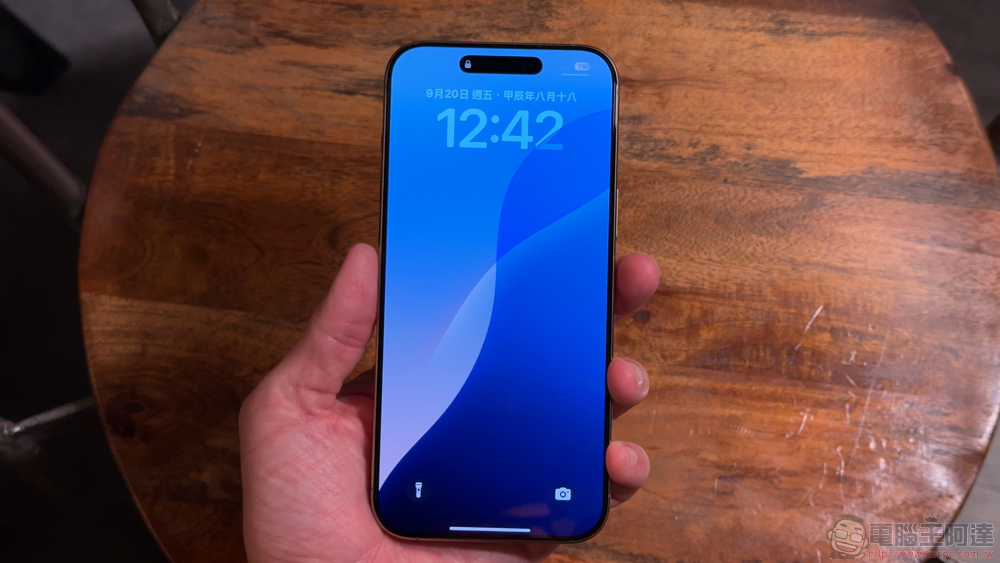
When the first-generation iPhone was released in 2007, the number of built-in apps was quite limited, consisting mainly of basic functions such as phone, messaging, calendar, and camera, along with a few apps that hinted at future potential. However, in the iPhone ecosystem at the time, users could not yet freely download and install third-party apps, and the phone’s functionality remained limited to the content provided by Apple.
It was not until the announcement of the second-generation iPhone 3G in 2008 that Steve Jobs officially opened iPhone app development to third-party developers and simultaneously launched the App Store. This decision not only completely changed the way the iPhone was used, but also opened a new chapter in the era of mobile applications. From then on, phones were no longer just communication tools, but smart platforms that could continuously expand their functions according to users’ needs.
The birth of the App Store created an unprecedented business model for software developers, enabling both individual developers and enterprises to reach a large number of users through a global platform, and its growth rate was astonishing. When the platform first launched, it offered only about 500 apps, but within just one year, the number of apps had rapidly grown to more than 35,000. By 2010, cumulative downloads from the App Store had surpassed 3 billion, demonstrating remarkable market influence and development potential. The success of the App Store also quickly changed the direction of the entire technology industry. Faced with the new model established by Apple, competitors rushed to build app stores. Among them, Google’s Android Market (later renamed Google Play) was the most representative example. Although the Android ecosystem eventually grew strong, for several years after the App Store’s launch, Apple still maintained a leading position in the mobile app market thanks to its first-mover advantage.
The App Store not only brought nearly unlimited expansion capabilities to the iPhone, but also redefined how software is distributed and monetized. Its emergence changed the relationships among developers, businesses, and users, and laid the foundation for the modern mobile app ecosystem, making it one of the most influential innovations in the history of smartphone development.
Face ID
In addition to redefining how smartphones are operated and their app ecosystems, Apple has also continued to make major breakthroughs in mobile device security and privacy protection. Among these, the introduction of Touch ID is undoubtedly an important milestone. This biometric technology debuted in 2013 with the iPhone 5s, replacing traditional password entry with fingerprint recognition and giving users a faster and more convenient unlocking experience. At the same time, Touch ID can also be used for App Store purchases and mobile payment verification, which not only improves convenience but also demonstrates Apple’s emphasis on personal privacy and data security.
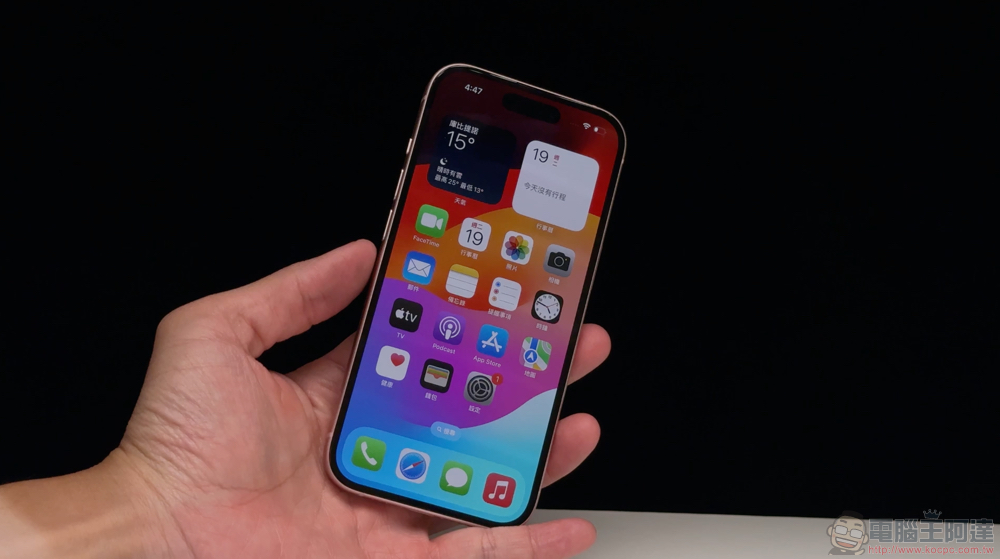
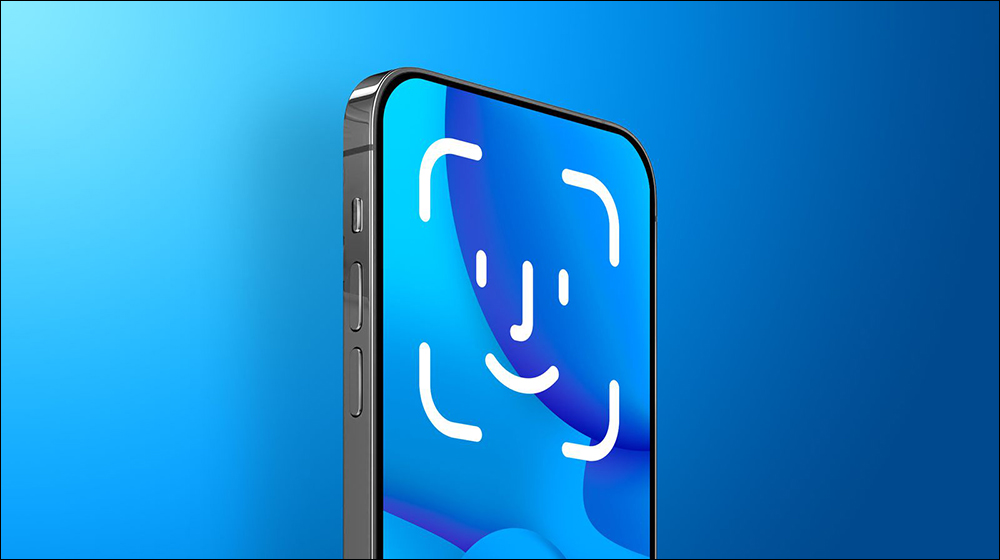
However, Apple did not stop there. With the arrival of the iPhone X in 2017, the introduction of Face ID once again set a new standard for biometric technology in smartphones. Compared with fingerprint recognition, Face ID uses more advanced facial recognition technology, allowing users to complete identity verification simply by looking at the screen, further enhancing the smoothness of the unlocking and payment experience.
The core technology behind Face ID comes from the TrueDepth camera system first introduced on the iPhone X. This system projects more than 30,000 infrared dots onto the user’s face to build a detailed 3D depth model, enabling highly accurate identity verification. With the adoption of Face ID, Apple was able to eliminate the Home button design it had used for many years and further adopt a nearly all-screen OLED display. This change not only increased the screen-to-body ratio and improved visual effects but also led the trend toward full-screen smartphone design.
Through deep integration of hardware, software, and algorithms, Apple has established a significant technological advantage in facial recognition. Its related core technologies and patents make it difficult for competitors to reach the same level in security, stability, and recognition accuracy. For this reason, Face ID has not only become one of the signature features of iPhone, but is also regarded as an important milestone in the development of biometric technology in modern smartphones.
FaceTime
Among the iPhone’s many innovative features, FaceTime was not the world’s first video calling service, but it was one of the first technologies to truly popularize the video calling experience. Before FaceTime, video calling software such as Skype already existed, but due to hardware limitations on mobile devices and poor usability, users found it difficult to enjoy a smooth, intuitive video calling experience on a phone comparable to that on a computer. Although other companies had attempted to develop related features at the time, it was Apple that truly integrated video calling into the core smartphone experience, with FaceTime launched alongside the iPhone 4 in 2010.
Unlike most third-party apps that require an additional download, FaceTime was deeply integrated into iOS from the start. Users could quickly start a video call via a phone number or contact without cumbersome setup or installing software. This highly integrated design greatly lowered the barrier to use and gave FaceTime clear advantages in stability and convenience, making it one of the most mature mobile video calling solutions at the time.
FaceTime’s success also prompted other tech companies to accelerate their efforts in the video communication market. In 2016, Google launched its video calling service Duo in response, but it remained essentially a standalone app and was not directly integrated into the overall Android operating system experience the way FaceTime is. By contrast, FaceTime remains an important part of Apple’s ecosystem and stays tightly integrated with products such as iPhone, iPad, and Mac.
It is worth mentioning that in its early days, FaceTime only supported Wi‑Fi network environments, but as mobile network technology has continued to advance, users can now make high-quality video calls anytime and anywhere via mobile data. By hiding complex technology beneath a clean and intuitive interface, FaceTime successfully lowered the barrier to using video communication and helped video calls gradually become an important way for people to communicate in daily life. The arrival of FaceTime not only enhanced the competitiveness of the iPhone but also changed the public’s imagination of mobile communication. It proved that video calling could be a simple, reliable, and widely accessible feature, and it laid an important foundation for subsequent major platforms to develop mobile video services.

Source: KOCPC Chinese