


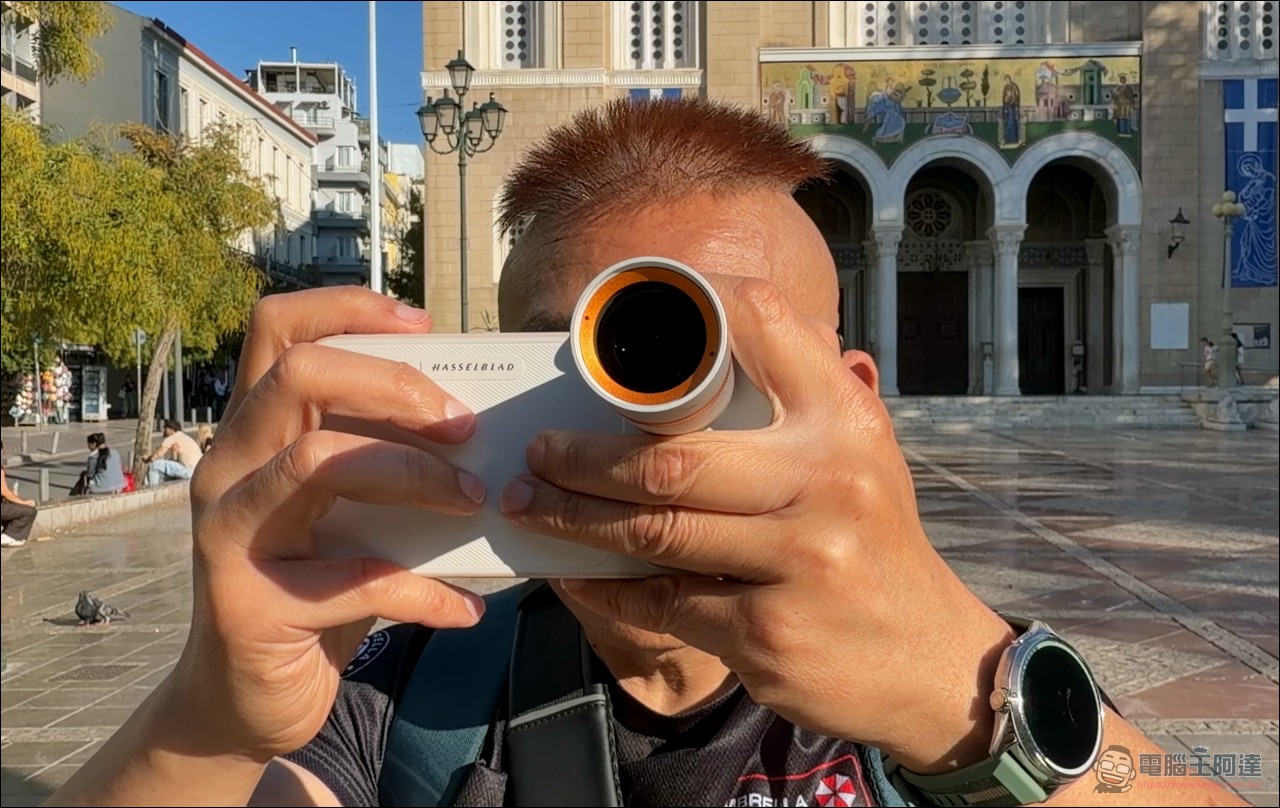
Have you noticed that in recent years, flagship phones haven’t had a new feature that makes people go “WOW” for quite a while? Speaking of today’s flagship phones, brands have really become increasingly aggressive with imaging specs—200MP, large sensors, and co-branding with professional brands have almost become table stakes. But for users, what really matters is whether, when they pick up their phone to take a photo, they can properly capture the scene they want to keep, and whether they can edit it to look the way they want. This time, OPPO’s Find X10 series raises both commonly used lenses—the main camera and telephoto—to 200MP at once, pairs them with a Hasselblad co-developed imaging system, and adds features such as 17EV high dynamic range video on the main camera, Master Color Palette, and Inspiration Composition. There’s also still a Hasselblad teleconverter kit to choose from. How much difference can these upgrades make in different shooting scenarios? Next, A-Da will walk everyone through them one by one!
OPPO Find X10 Series Unboxing and Appearance
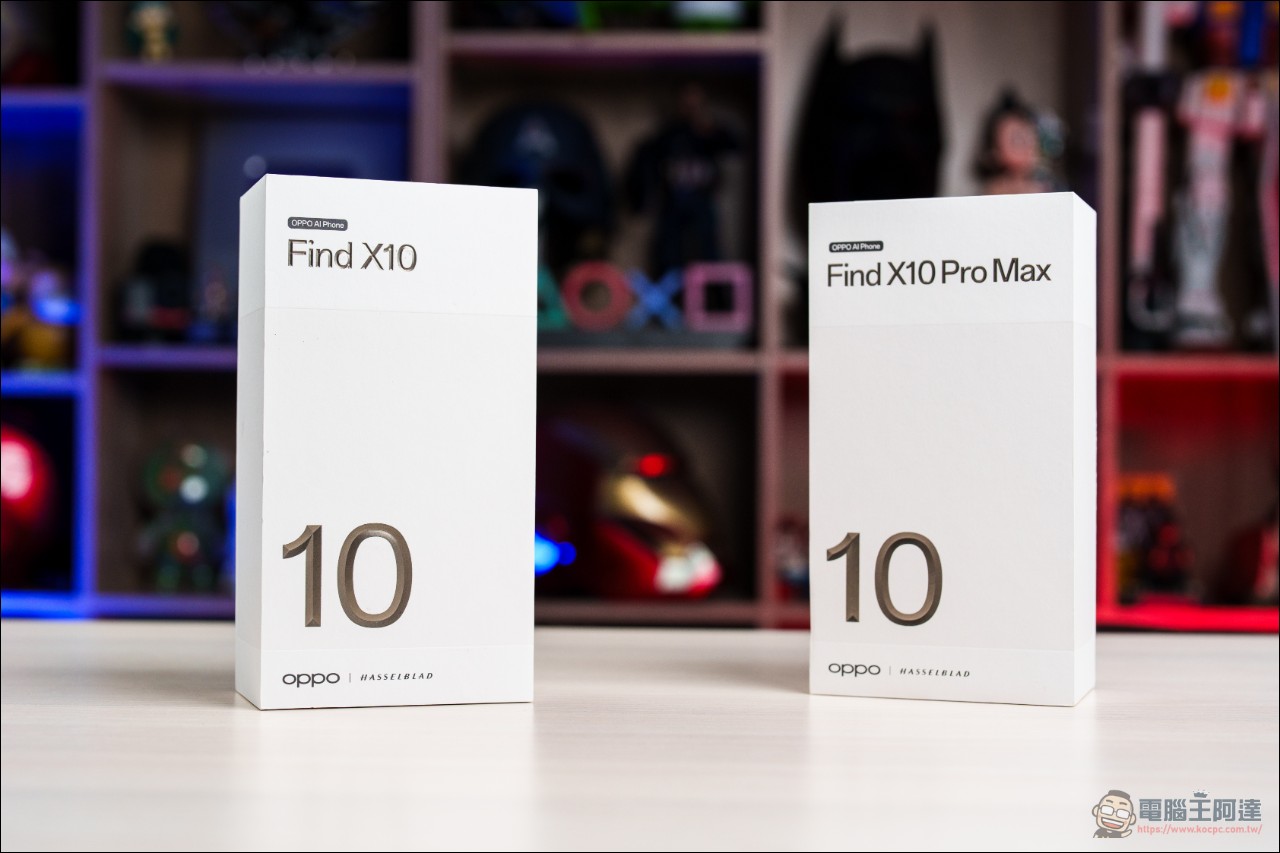
Following international convention, let’s start with the unboxing and appearance. This time we’re unboxing OPPO’s latest 2026 annual flagships, the Find X10 and Find X10 Pro Max:
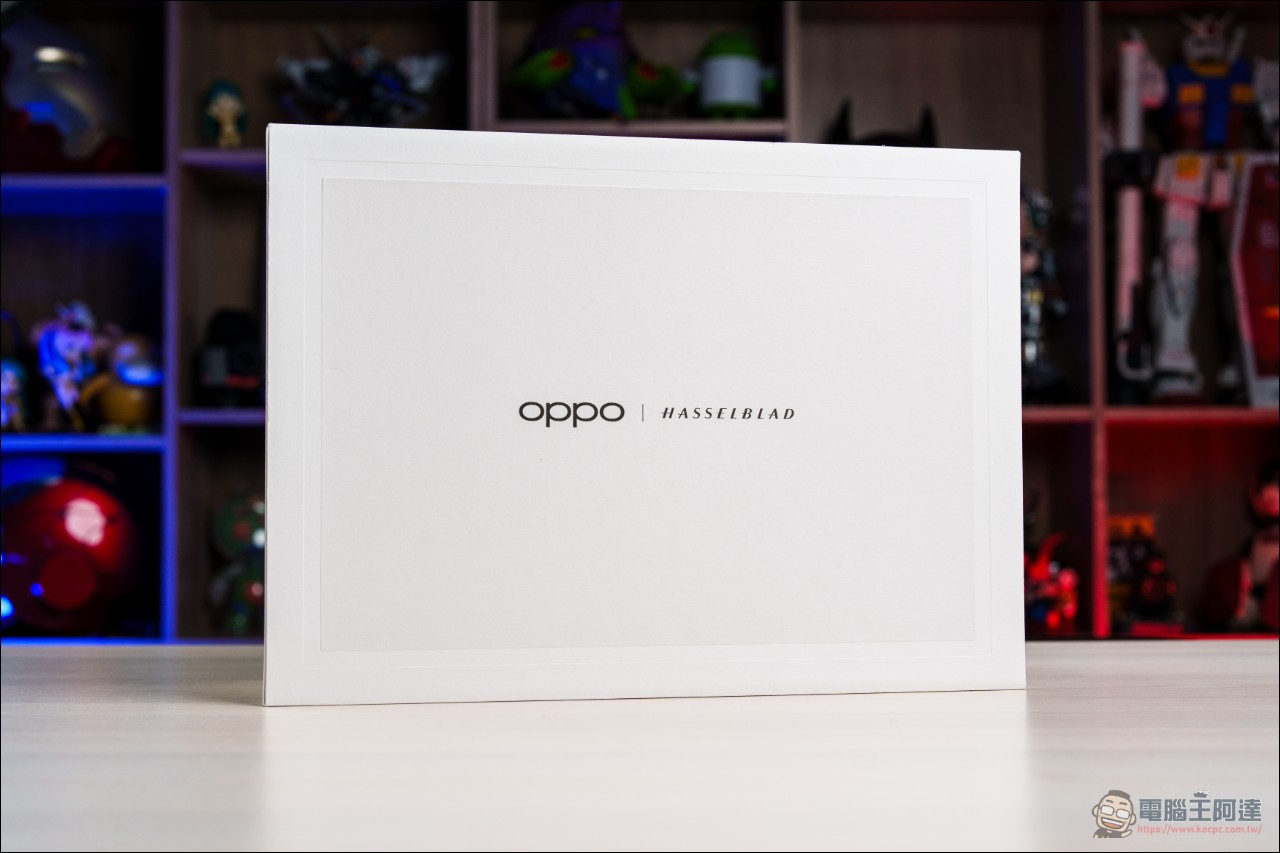
Moreover, both of these flagship models will also have Hasselblad teleconverter kits launching at the same time. This time I received the teleconverter for the Find X10, and the accessories inside are also quite comprehensive:
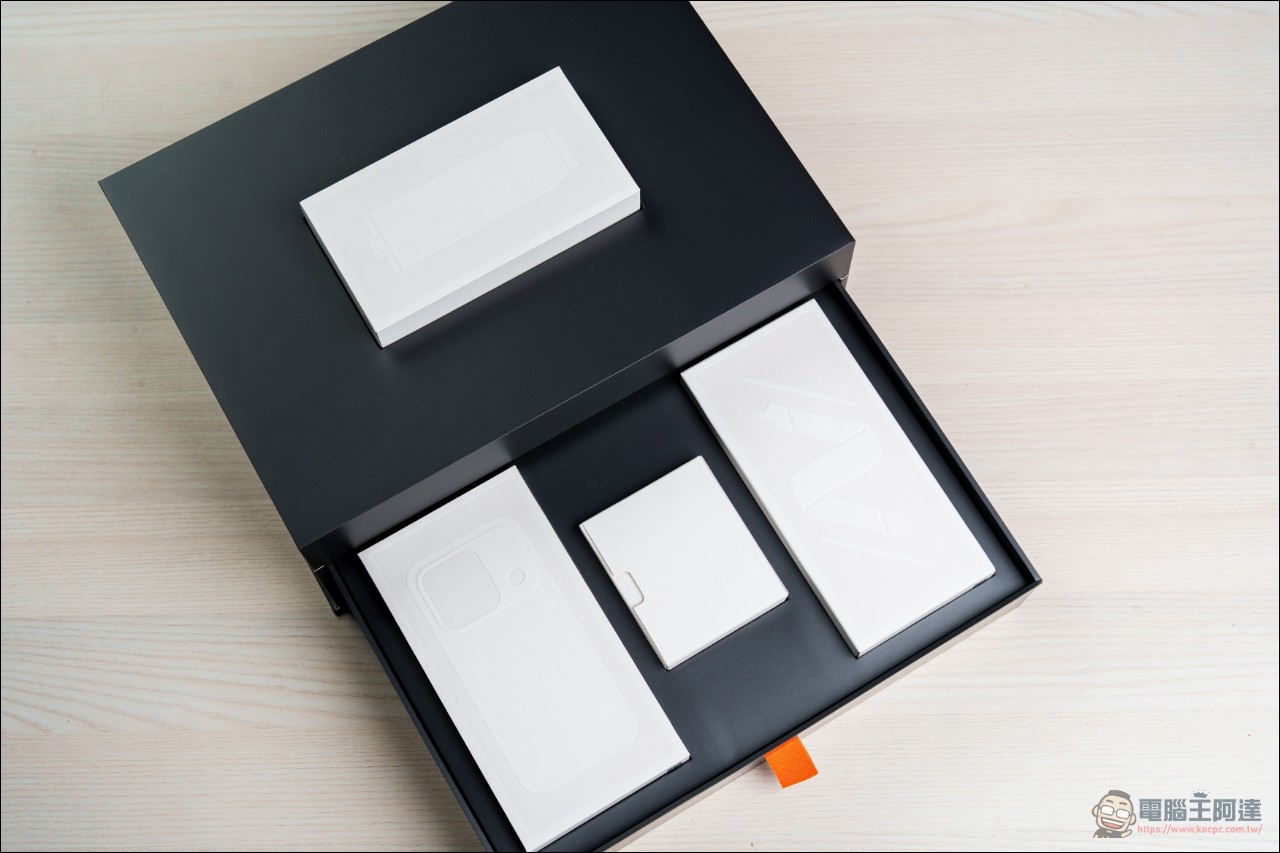
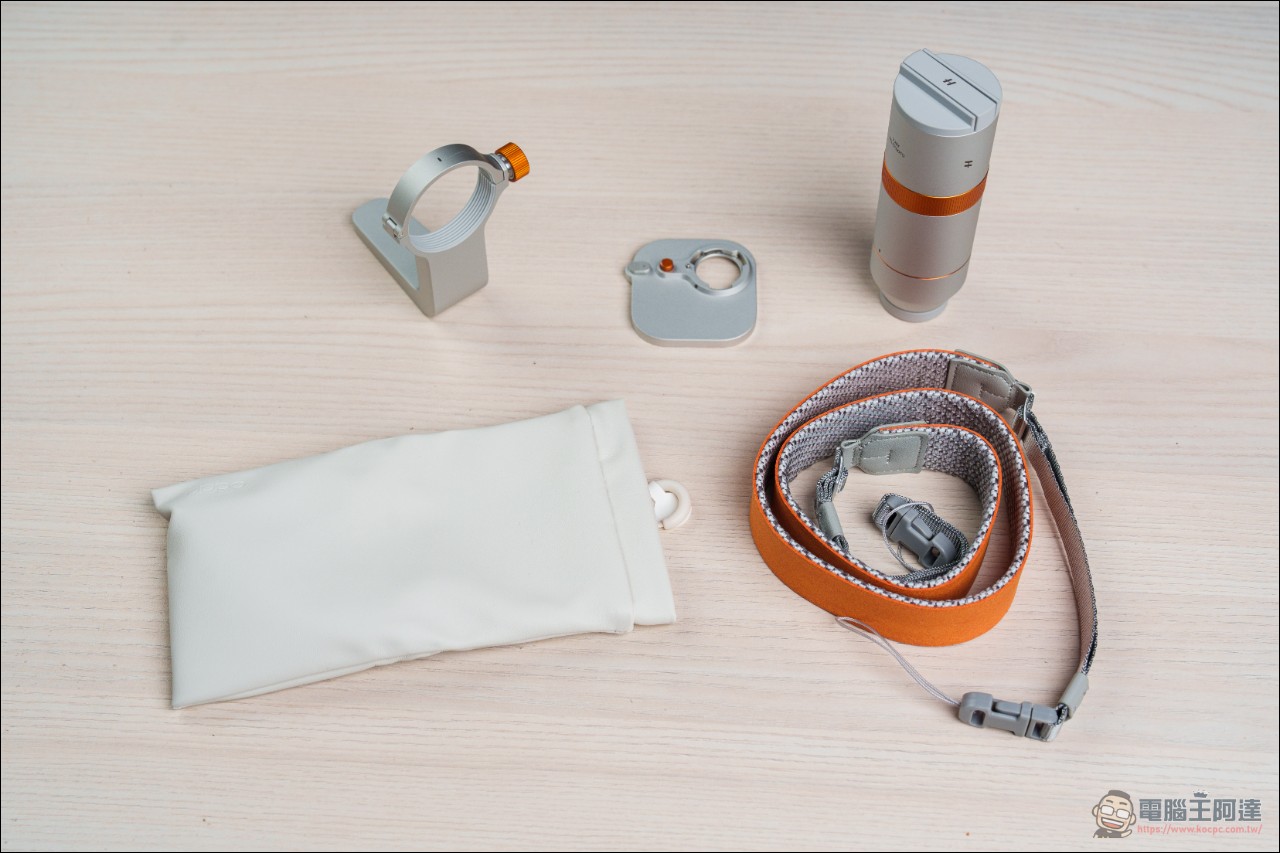
The teleconverter box is much larger than the phone. The accessories inside include the OPPO Hasselblad professional teleconverter, OPPO Hasselblad professional magnetic protective case, Hasselblad professional teleconverter adapter ring, teleconverter stand, camera shoulder strap, and teleconverter storage bag, among others:
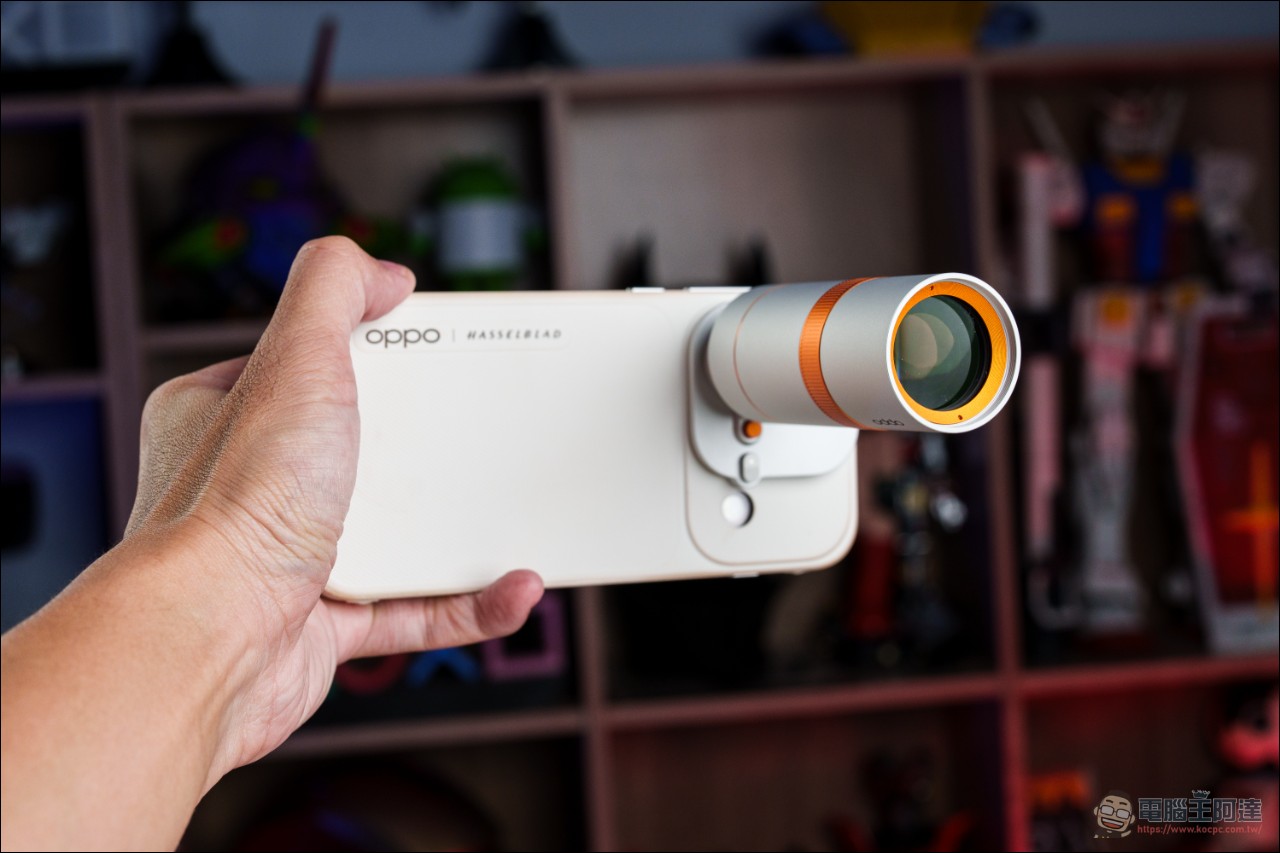
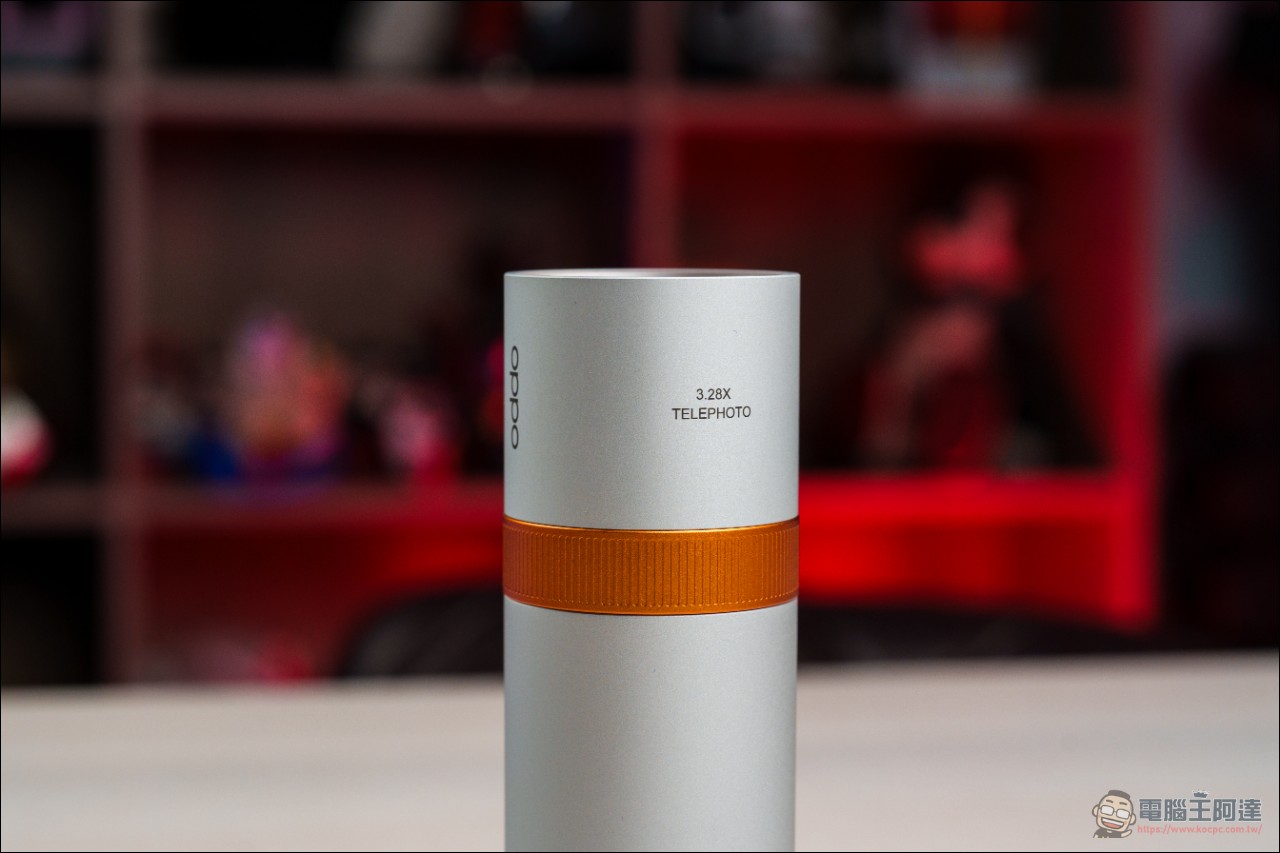
The teleconverter internally uses 8 groups of 13 high-transparency glass elements (arranged in three groups of 4 elements + 4 elements + 5 elements, effectively eliminating aberrations) and 3 ultra-low dispersion elements, featuring a native telephoto 2.8x large aperture. When shooting portraits, it can create a sense of compression, and when shooting landscapes, it also offers the advantage of large light intake. It also supports stage mode, making it very useful for shooting concerts:
Next, let’s take a direct look at the stars of this show: OPPO’s latest annual flagships, the OPPO Find X10 and OPPO Find X10 Pro Max:
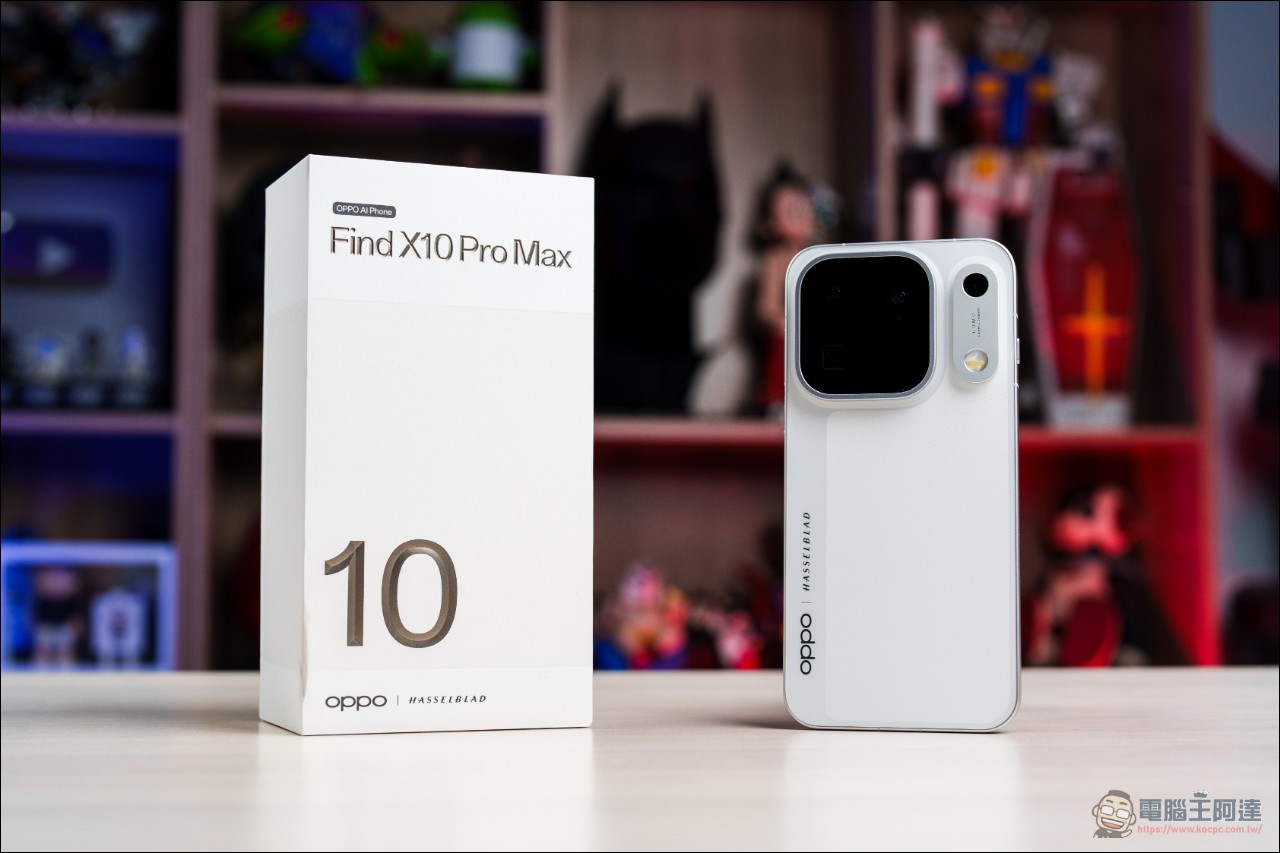
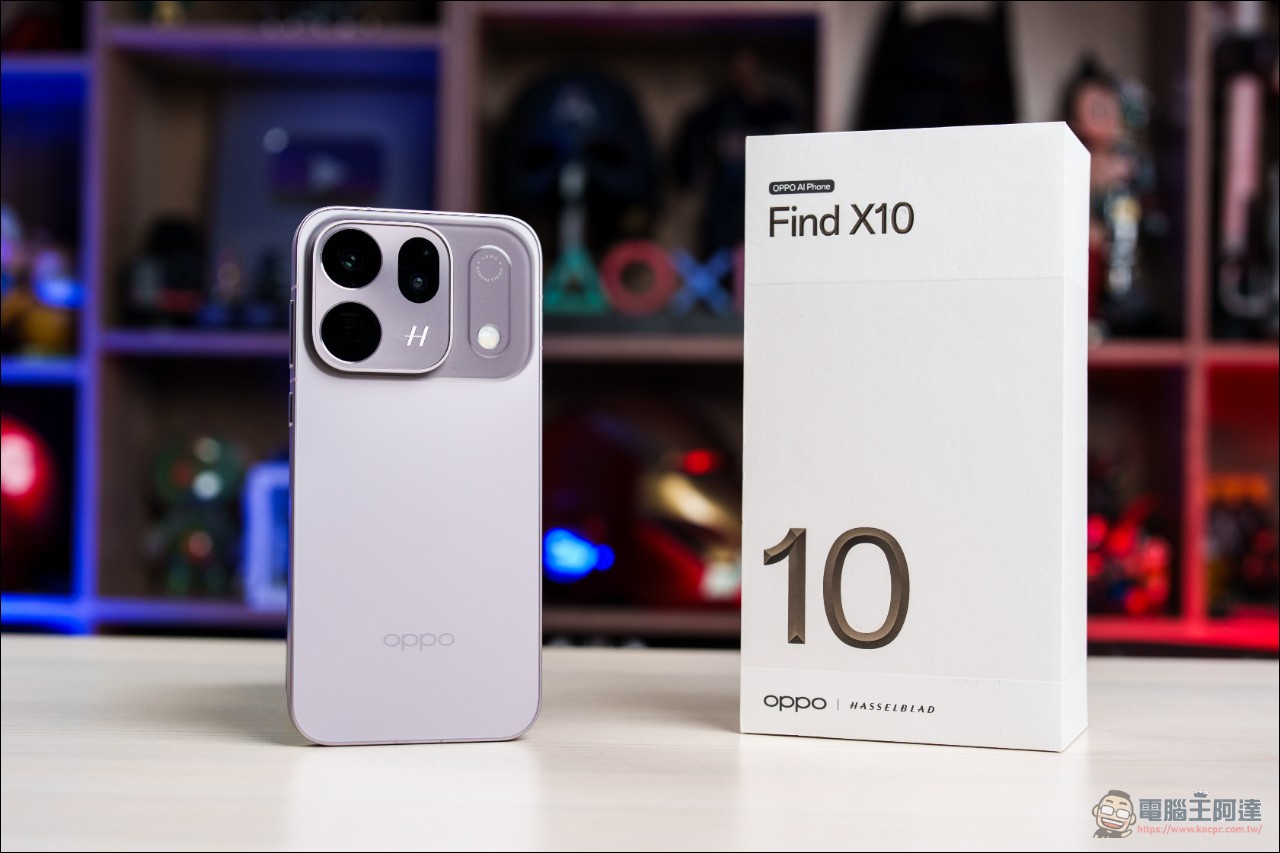
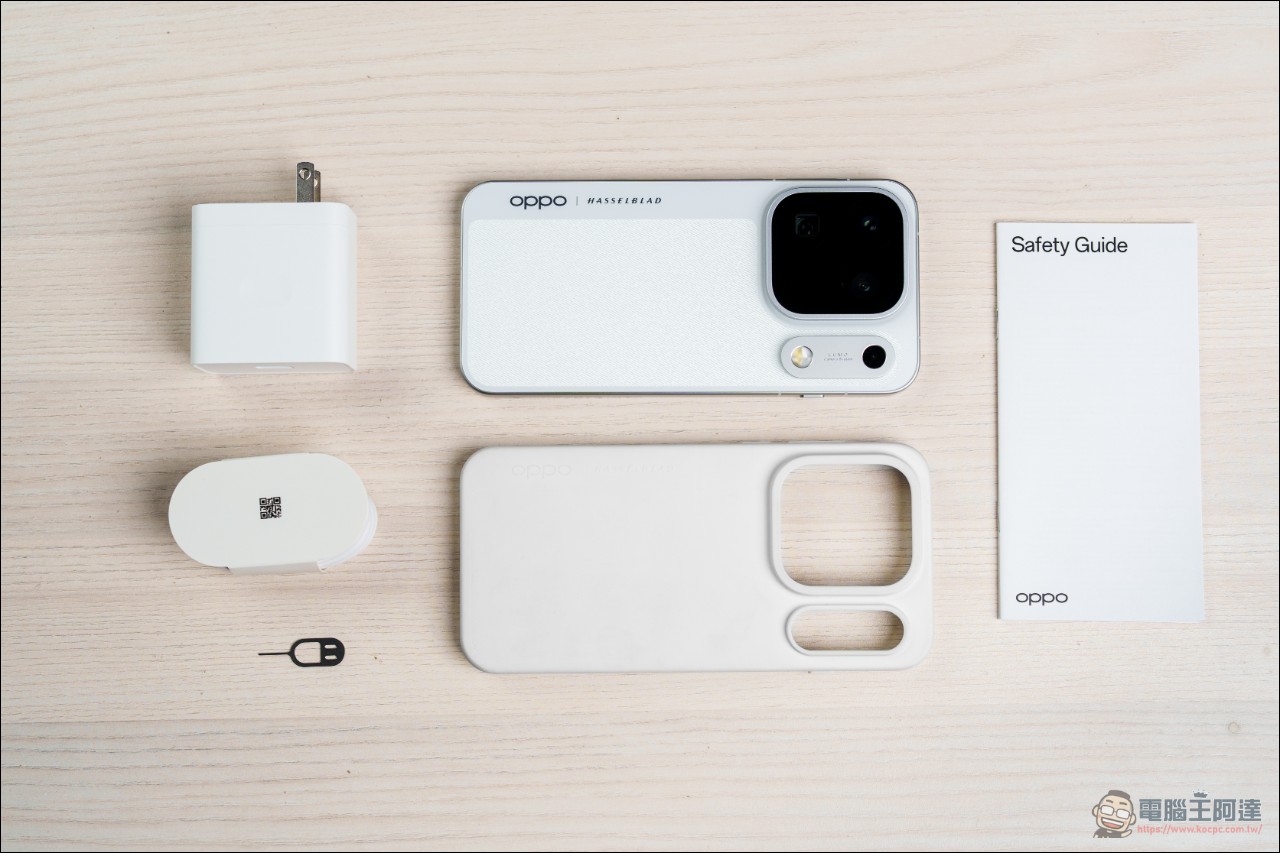
Their accessories all include the phone itself, a protective case, a quick start guide, a charger, a charging cable, and a SIM ejector pin:
Starting with the OPPO Find X10, it features a 6.59-inch AMOLED display with 2768*1272 resolution (the Find X10 Pro Max has a 6.78-inch 2772*1272 AMOLED display), supports a 1–120 Hz refresh rate (up to 144Hz in some game scenarios), delivers quite beautiful colors, and includes AI eye protection. At the top of the screen is a 50-megapixel front camera that supports facial recognition and portrait photography, and it also features under-display ultrasonic fingerprint unlocking and wet-hand touch functionality:
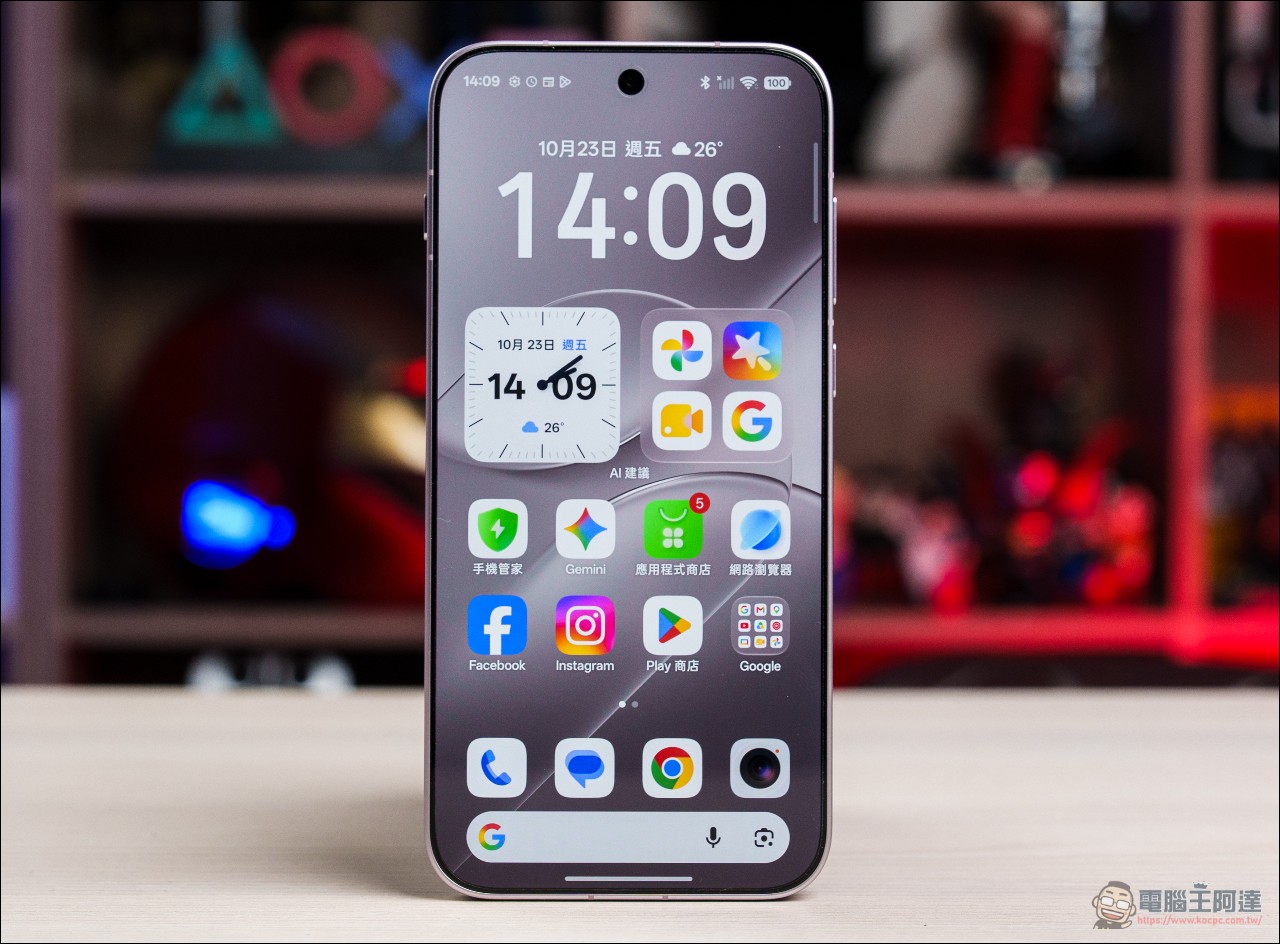
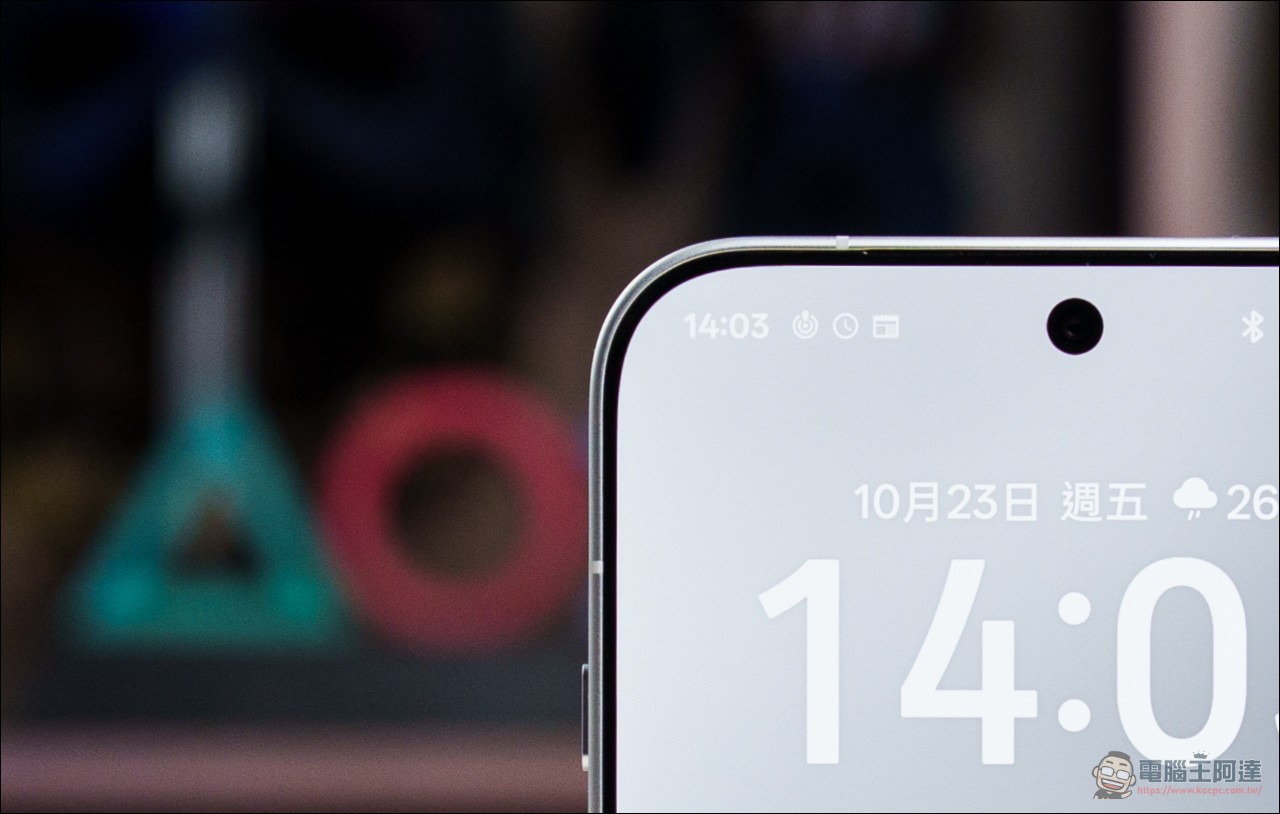
What’s most impressive is that the bezels are only 0.99mm on all four sides, which also visually increases the screen-to-body ratio:
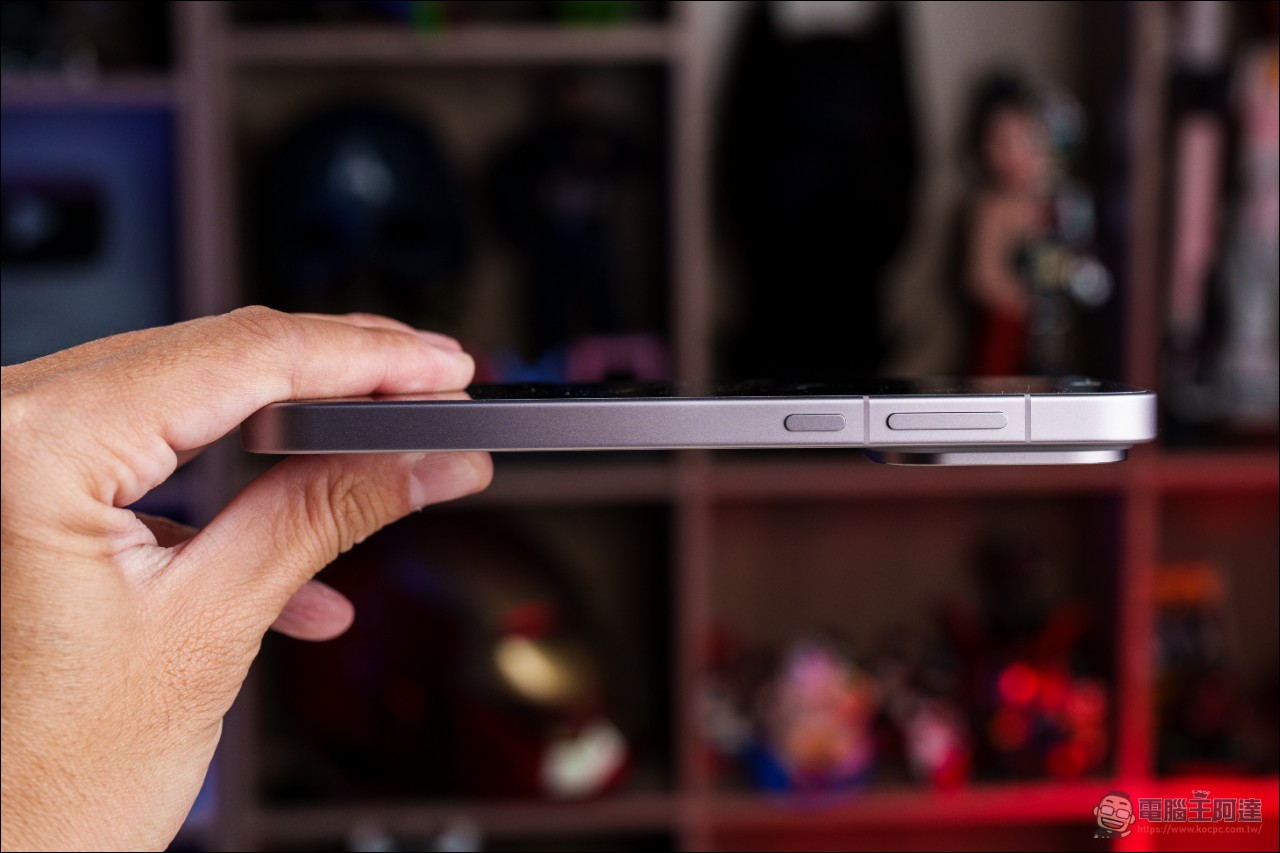
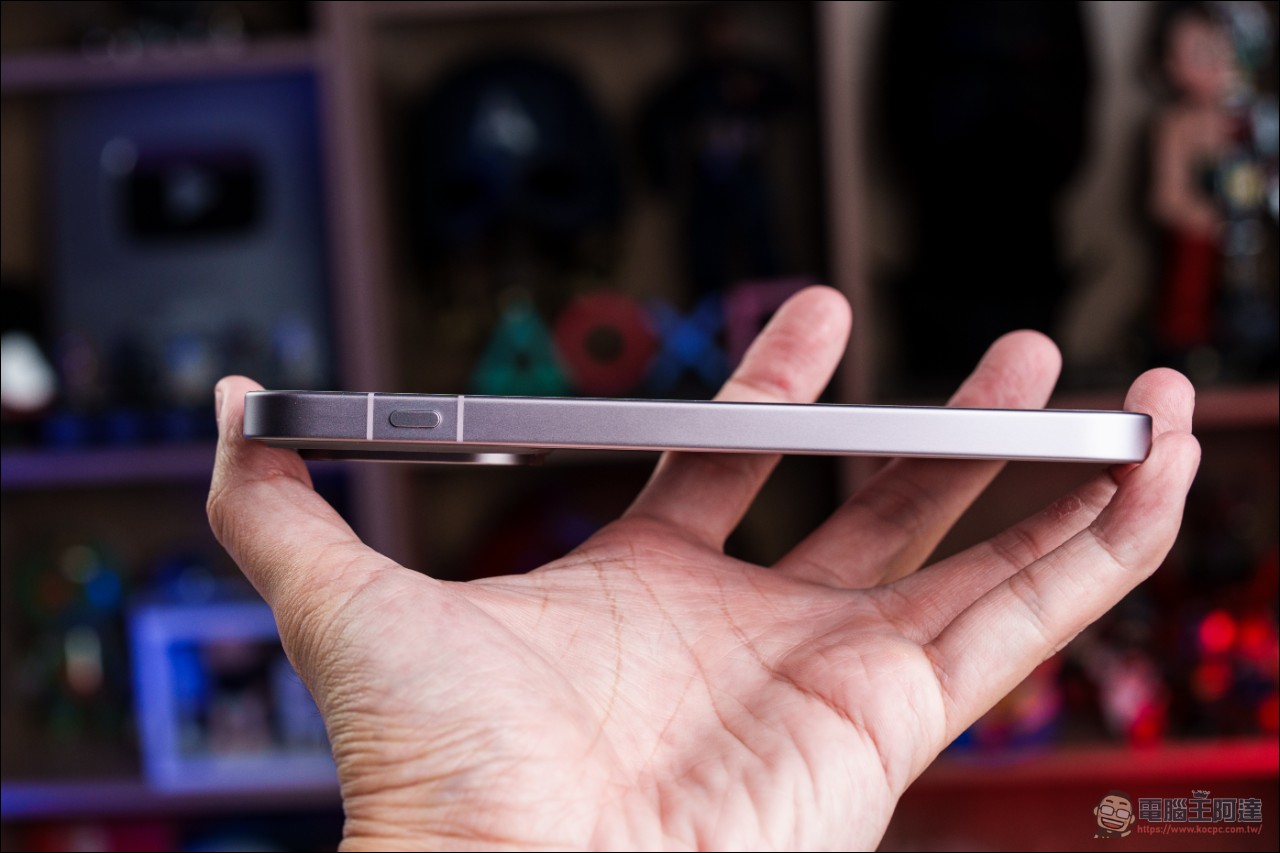
Both have volume and power buttons on the right side of their bodies:
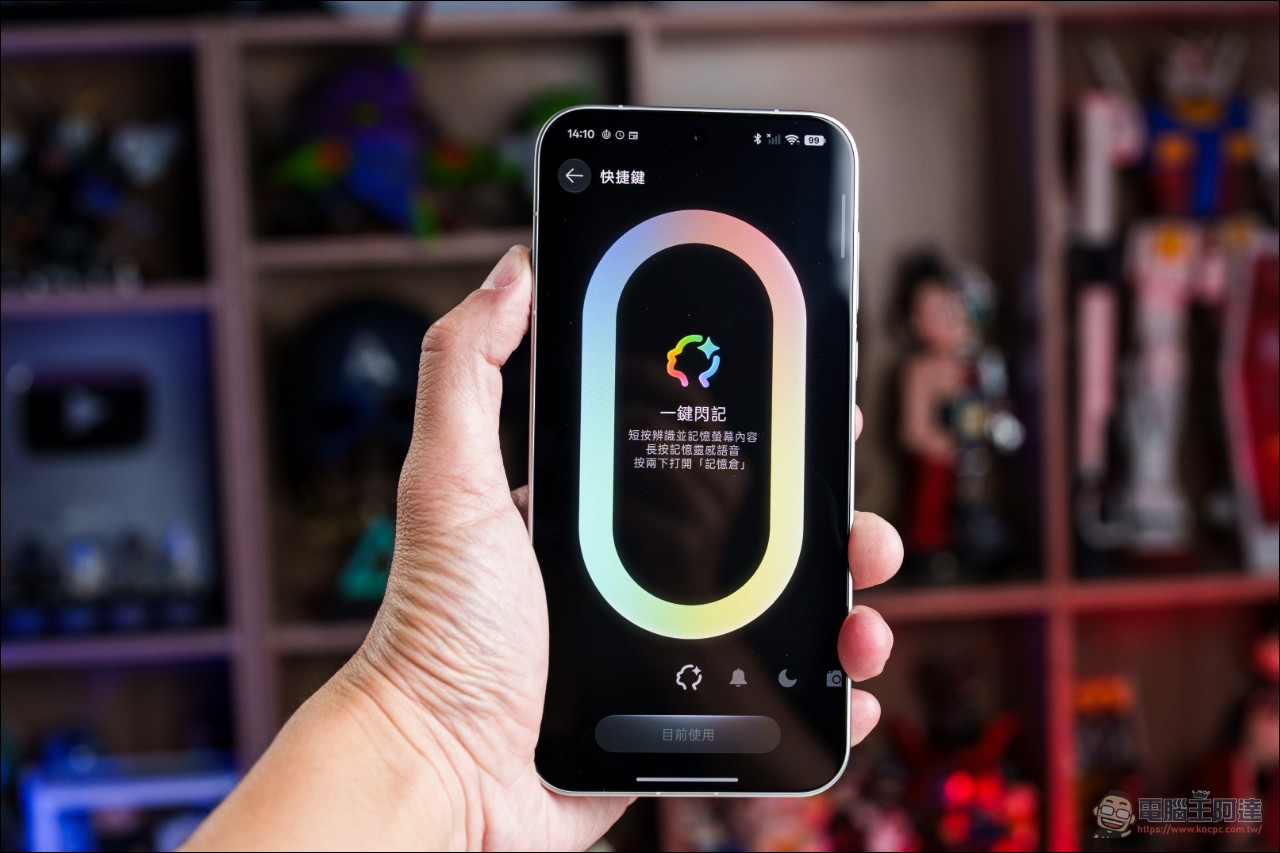
On the left are customizable AI Memory Vault shortcuts:
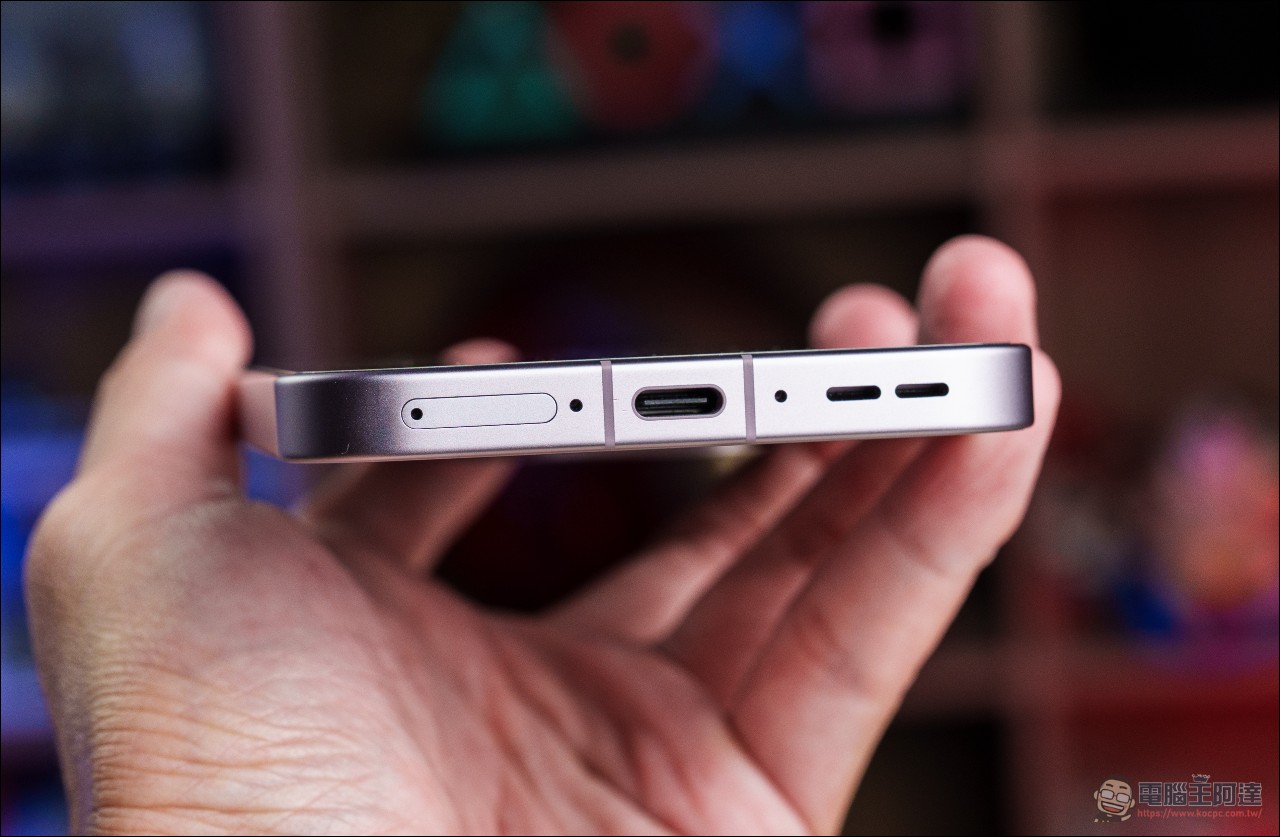
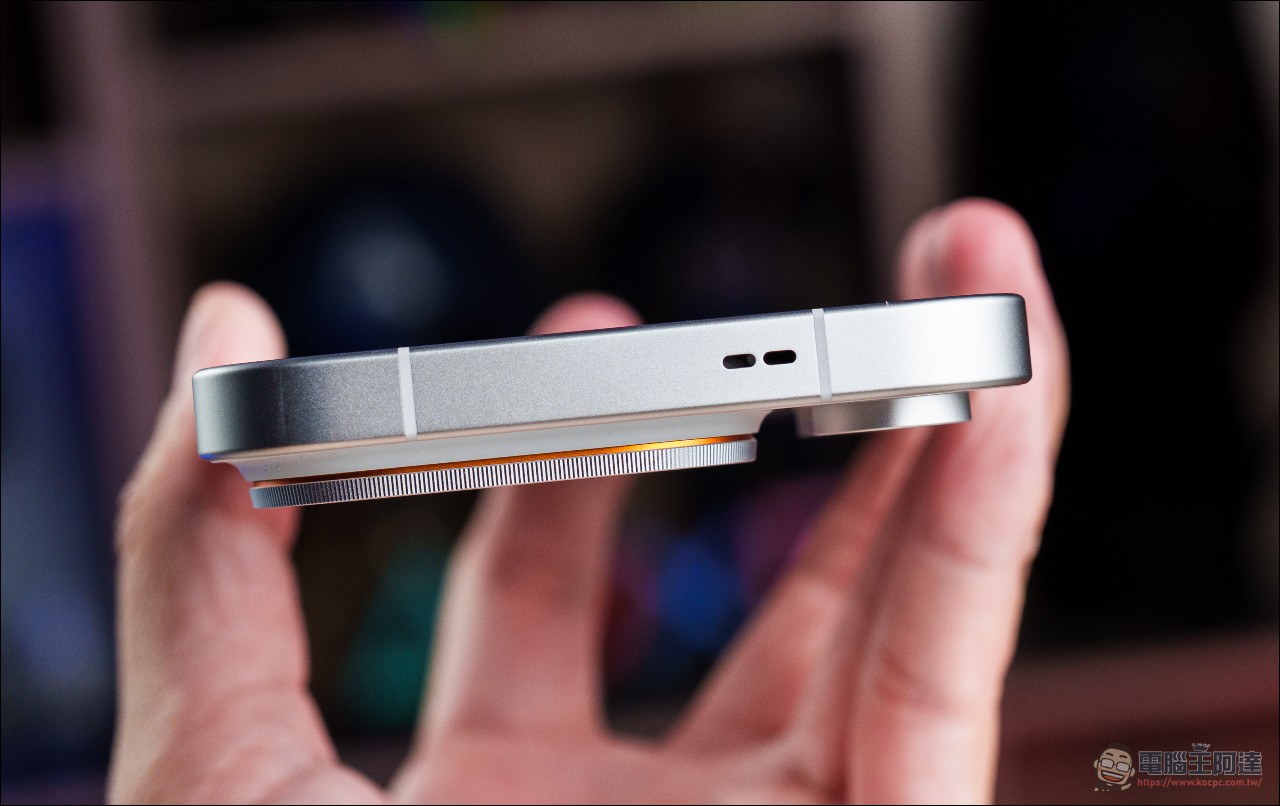
At the bottom of the device are a nano SIM card slot supporting Taiwan’s full 5G bands with dual SIM dual standby + dual eSIM (use either one), along with a USB 3.2 Type-C port supporting IP69 and 80W SUPERVOOC super flash charging, and stereo speakers:
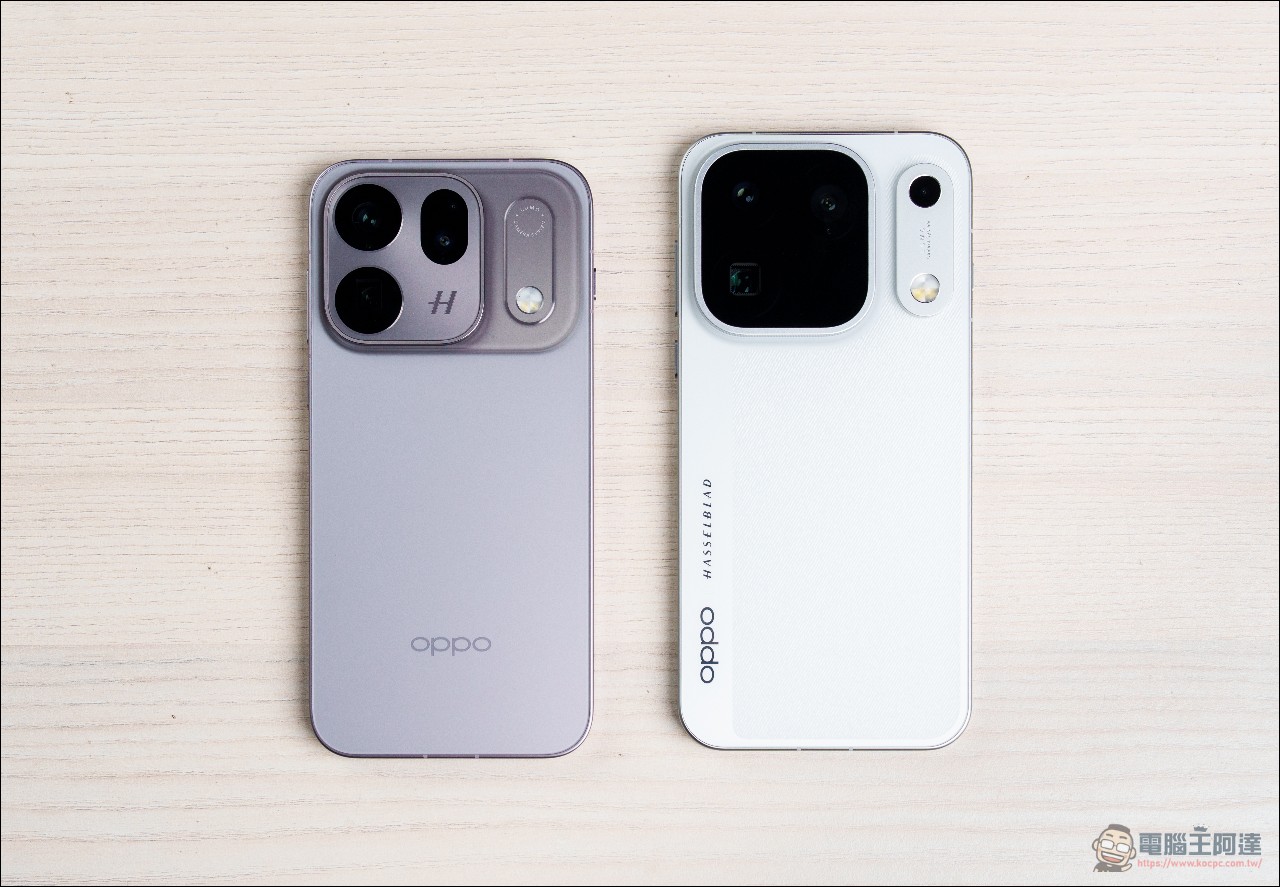
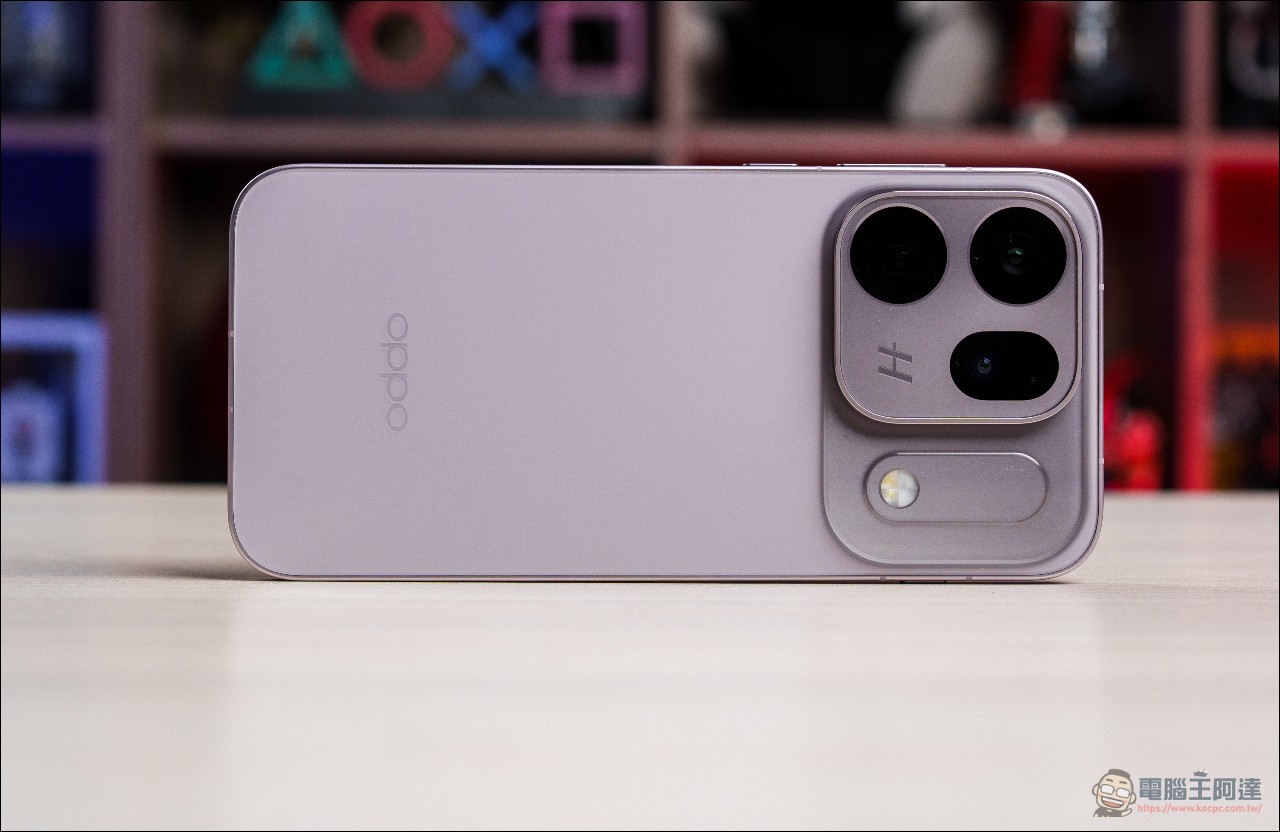
In terms of dimensions, the Find X10 measures 156.51 * 74.29 * 8.35mm, while the Find X10 Pro Max measures 161.32 * 76.57 * 8.4mm. The back of the body is where the two flagship models differ more noticeably in design. Both use “one-piece cold-carved glass” technology, making the transition between the back and the camera module (lens island) feel smoother and more natural, and softening the visual protrusion caused by the high-spec camera module. However, in the details, you can still see the manufacturer’s care:
In terms of weight, the Find X10 Pro Max weighs about 235 grams and the Find X10 about 216 grams; both the weight and dimensions are at a standard that makes them easy to hold with one hand:
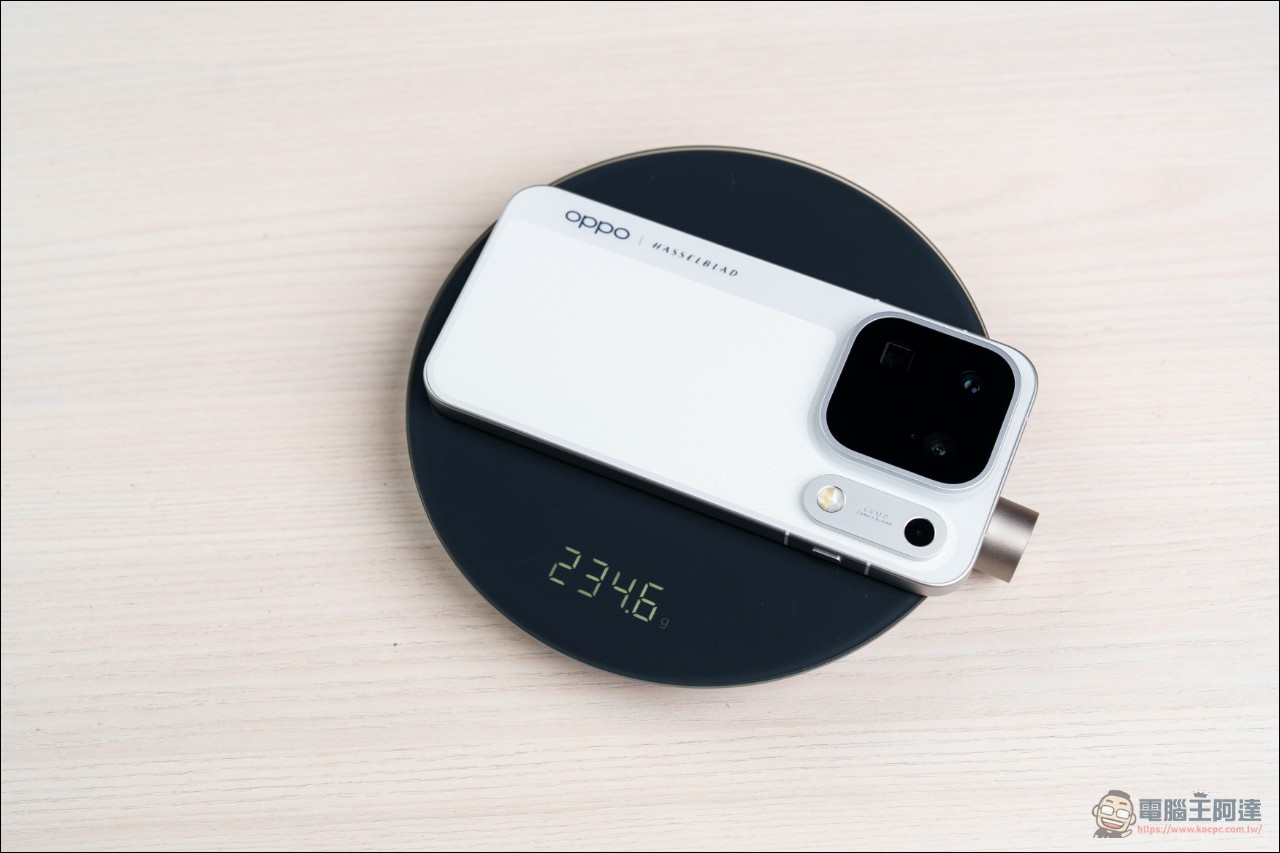
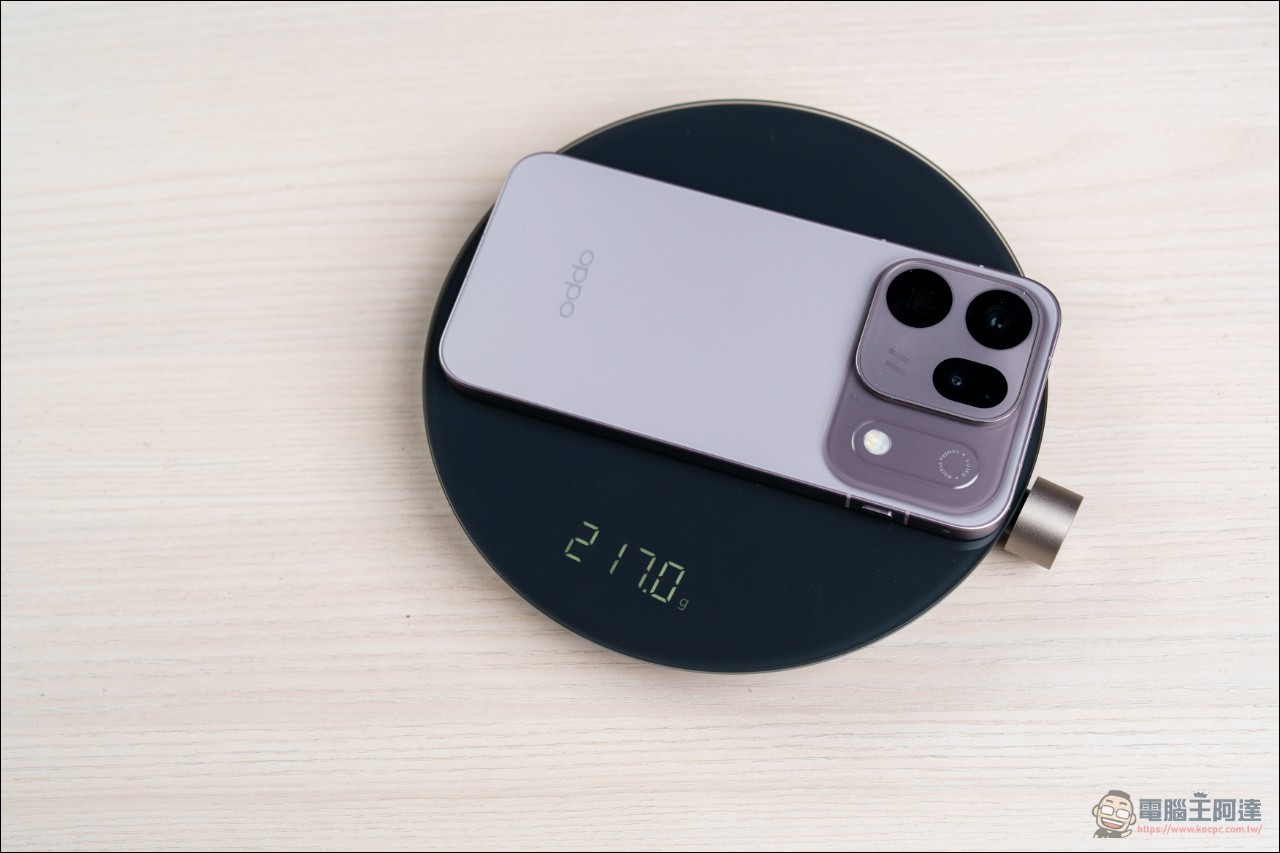
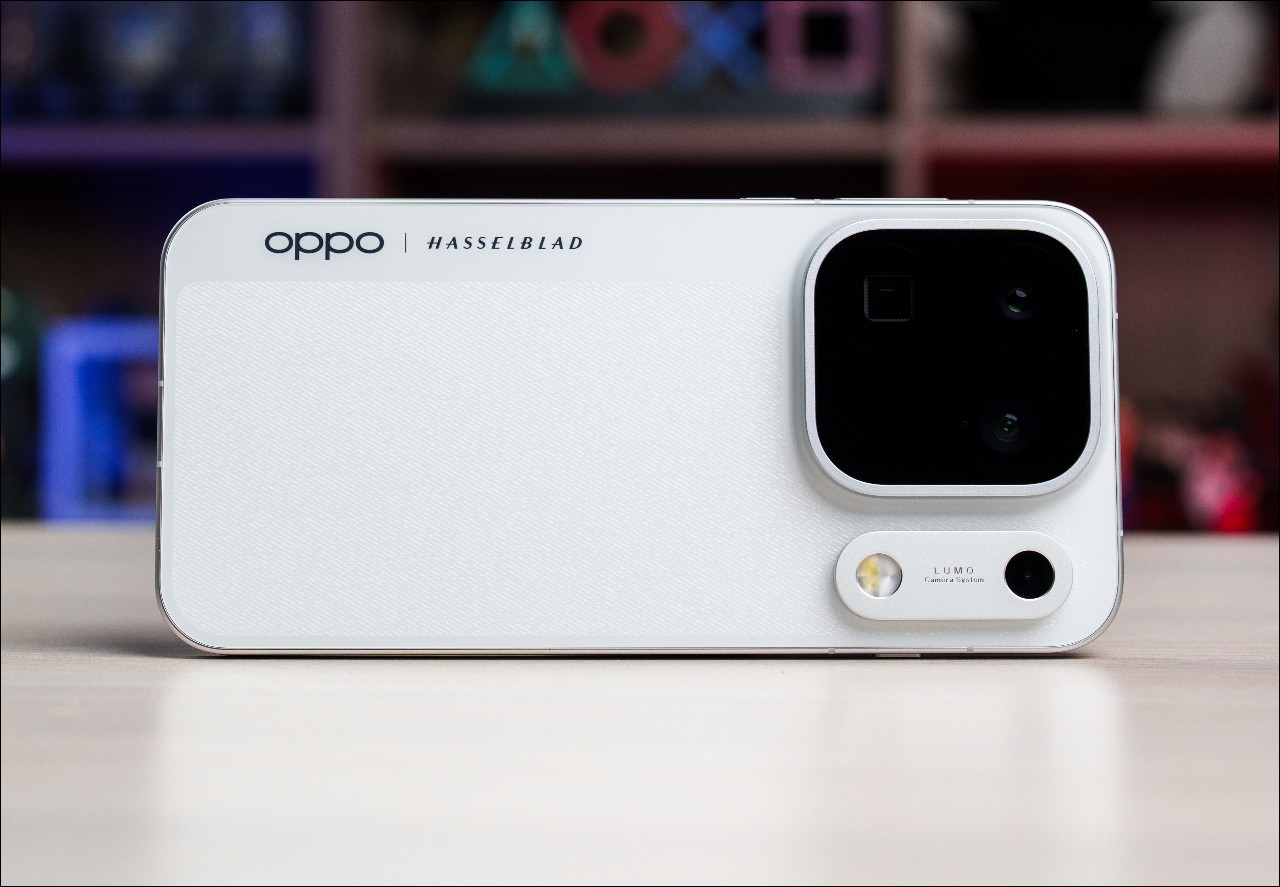
In terms of body design, these two flagships each have their own distinctive features. The OPPO Find X10 Pro Max “Silk Moon White” (also available in “Moon Shadow Titanium”) draws direct inspiration from classic rangefinder cameras. Its back uses smooth matte glass combined with a unique “velvet-feel process,” achieving a perfect balance between a warm, soft touch and fingerprint-resistant texture. Add the white dual-material拼接 design? Need natural: white two-material拼接? Let’s make natural English: “white two-tone mixed-material design” not “splicing”. “matte silver metal frame”, “camera metal engraving around the lens module”, and Hasselblad’s signature “matte orange” accents, and the whole device exudes a strong professional imaging equipment feel. Moreover, the OPPO Find X10 series is not just good-looking: both models feature IP66&IP68&IP69 top-tier dust and water resistance and have passed SGS five-star whole-device drop and impact resistance certification:
The standard version of the OPPO Find X10, meanwhile, continues the Navia design aesthetic, with the overall design exuding a sense of style:
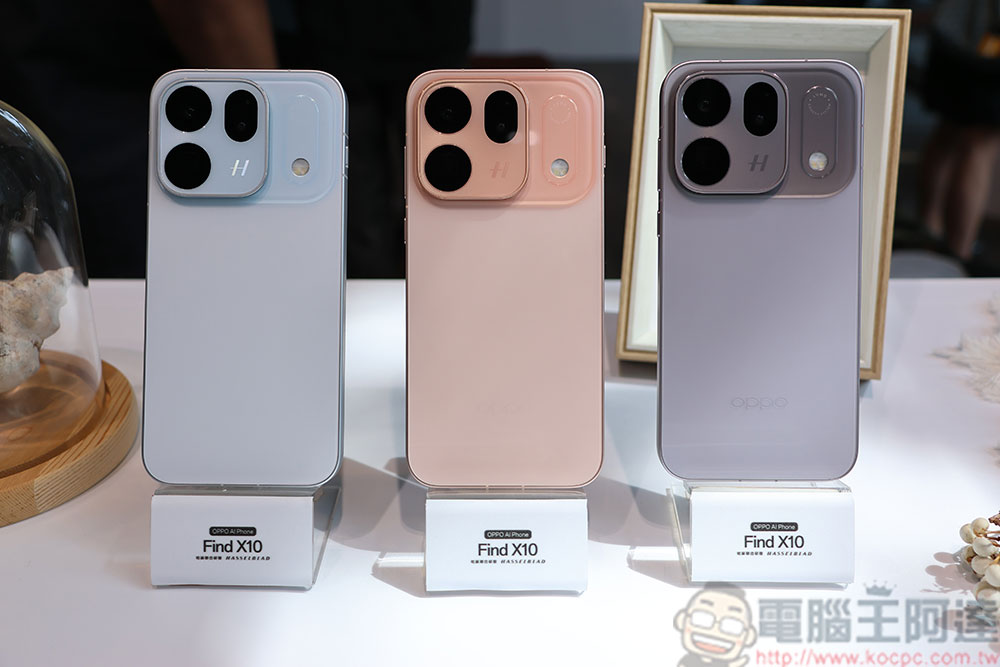
In terms of colors, the Find X10 offers more choices, with three options: Glacier Blue, Moonlight Titanium, and Coral Orange (a 512GB exclusive color), so stylish users can choose the color they like:
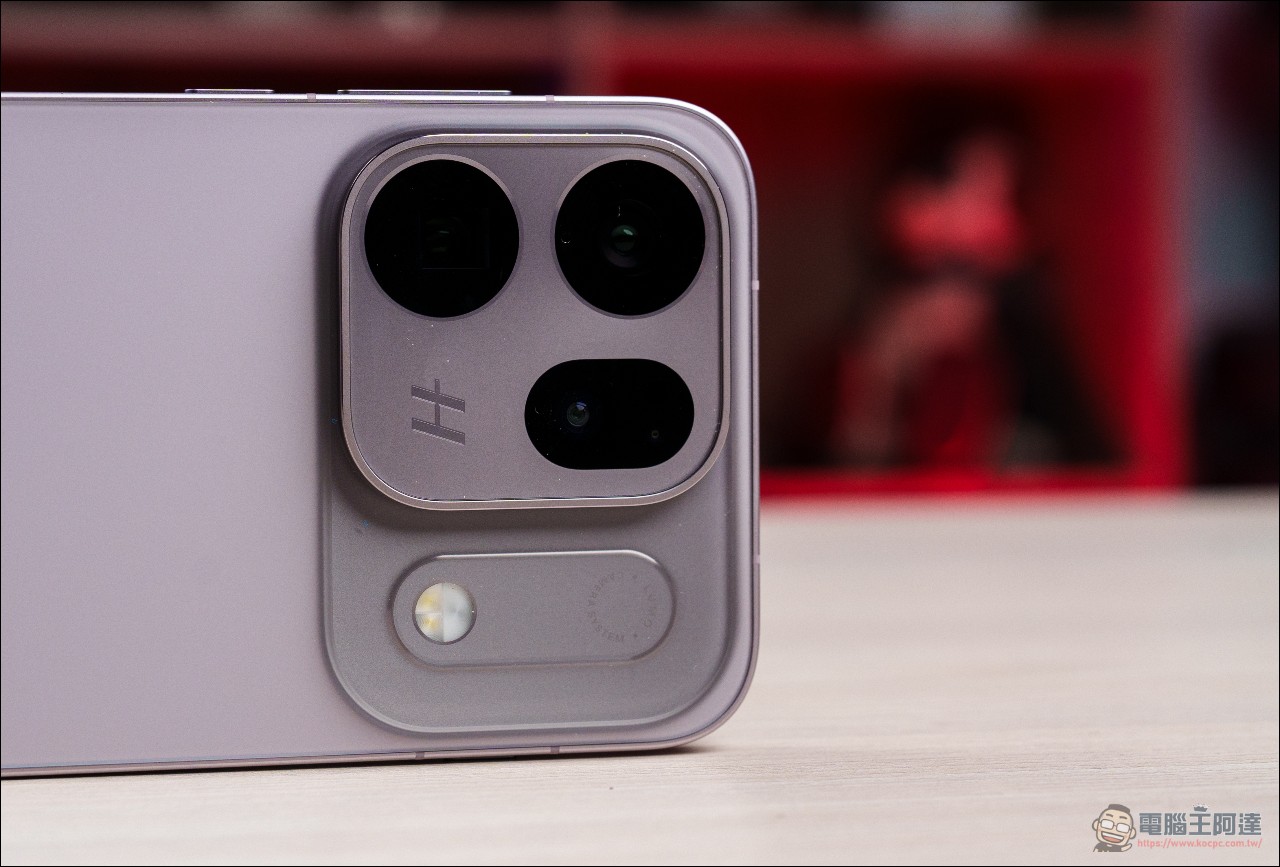
Next, for the photography section, the flagship OPPO Find X10 Pro Max spared no expense by packing three 200-megapixel cameras: a 200MP wide-angle lens (f/1.5, 24 mm equivalent focal length, 7P lens, supports OIS optical image stabilization), a 200MP ultra-wide lens (f/2.2, 13 mm equivalent focal length, 124° wide field of view), and a 200MP telephoto lens (f/2.1, 70 mm equivalent focal length, 3x optical zoom, 3P+3P lens, supports AF autofocus, supports OIS stabilization), plus a 3.2-megapixel second-generation Danxia color restoration lens. The hardware is maxed out, and the camera module area also has an infrared port that can control home appliances:
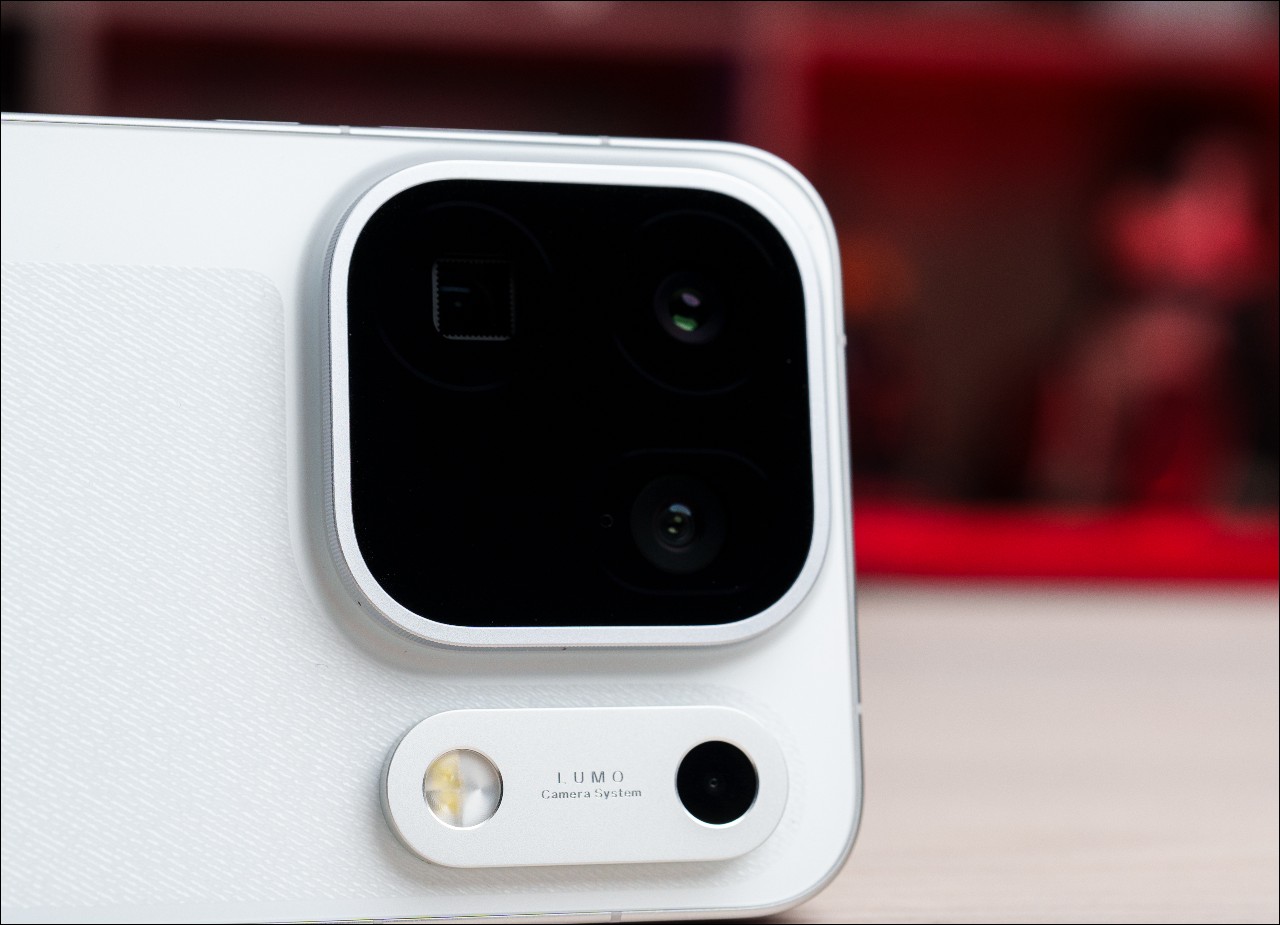
The standard OPPO Find X10 is no slouch either, equipped with two 200MP cameras: a 200MP wide-angle camera (f/1.6, 23 mm equivalent focal length, 7P lens, supports OIS optical image stabilization), a 50MP ultra-wide camera (f/2.0, 15 mm equivalent focal length, 6P lens, 120° wide field of view), and a 200MP telephoto camera (f/2.6, 65 mm equivalent focal length, 5P lens, supports AF autofocus, supports OIS optical image stabilization). It also has the second-generation Danxia color restoration lens and an infrared port:
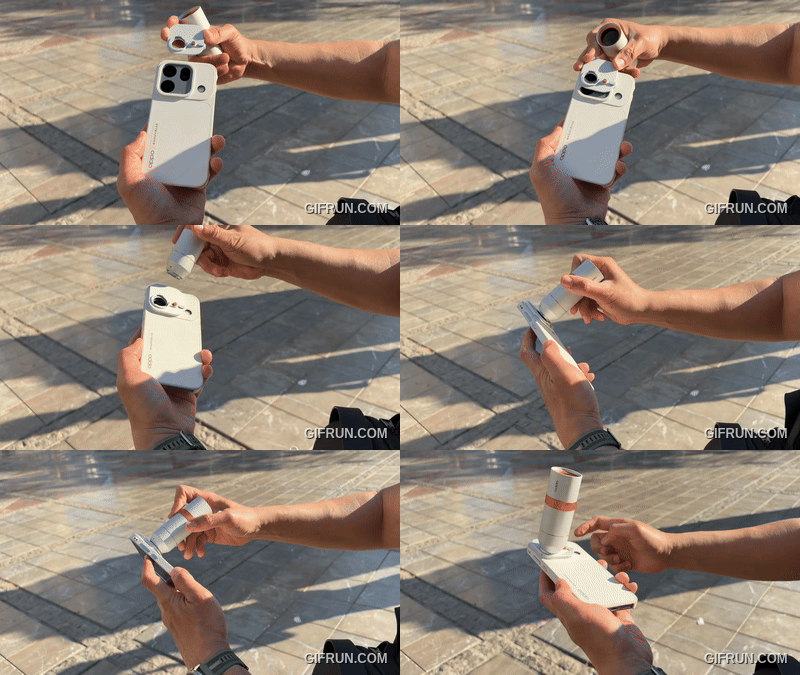
When paired with the dedicated OPPO Hasselblad Professional Teleconverter (requires a dedicated phone case), you can quickly attach a longer-focal-length teleconverter for shooting. With the Find X10 dedicated kit I received this time, the equivalent focal length is 253mm; once mounted on the phone, it enables 20X lossless zoom, and with the dedicated “Hasselblad Teleconverter” mode and AI assistance, it can achieve ultra-high-magnification shooting:
For example, when I’m shooting at the Temple of Zeus at the foot of the hill, if I want a close-up of the Acropolis on the hilltop, that’s no problem either:
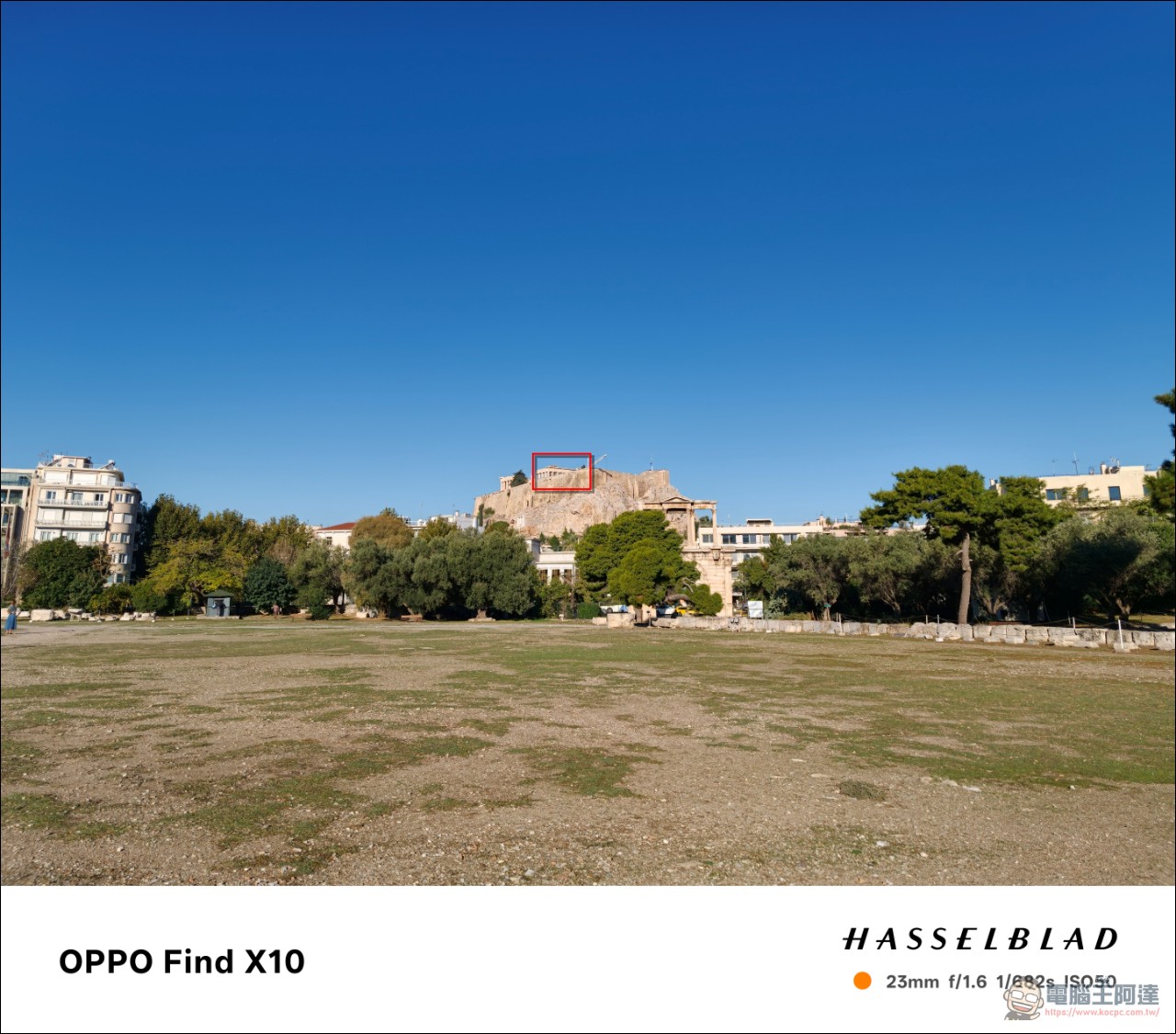
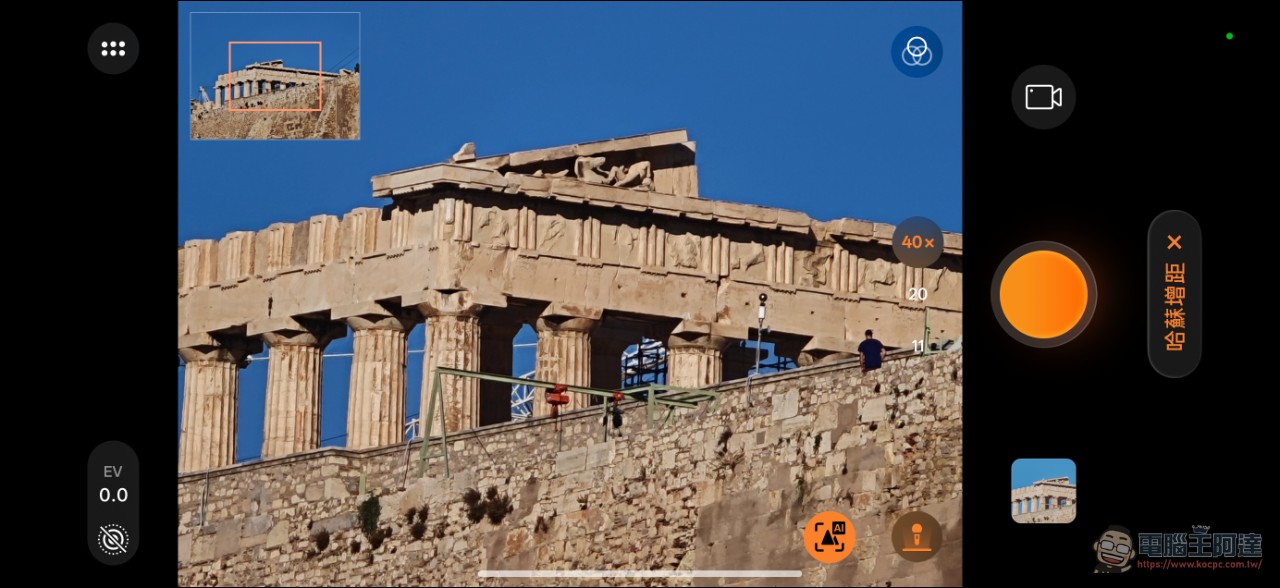
11X lossless shooting with the teleconverter attached:

40X (AI-assisted), and the final product is just that dramatic:

I’ve taken many more photos of scenes like this. If you’re interested, I’ll put together another post later—given the limited space, I won’t show too many here:
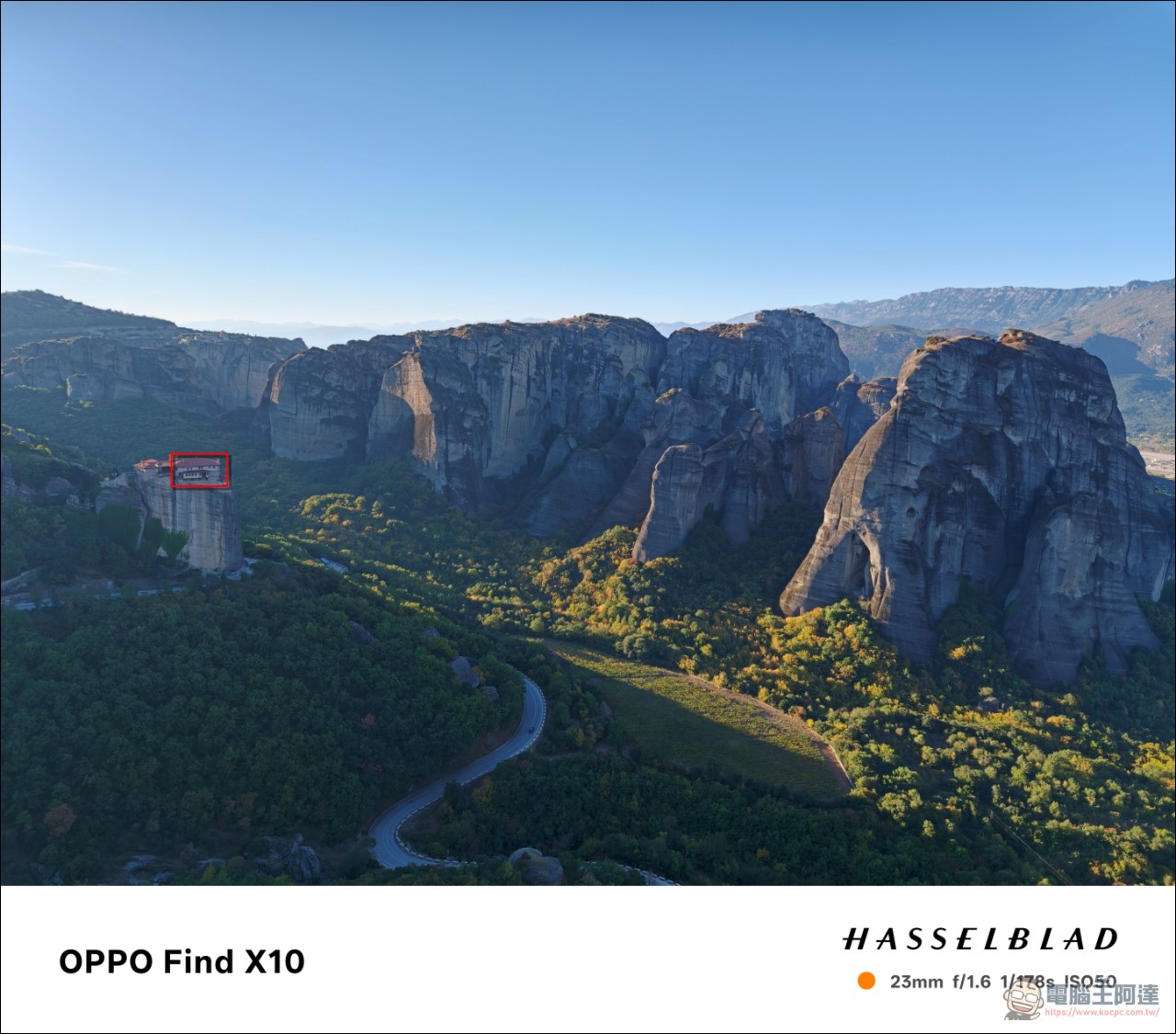
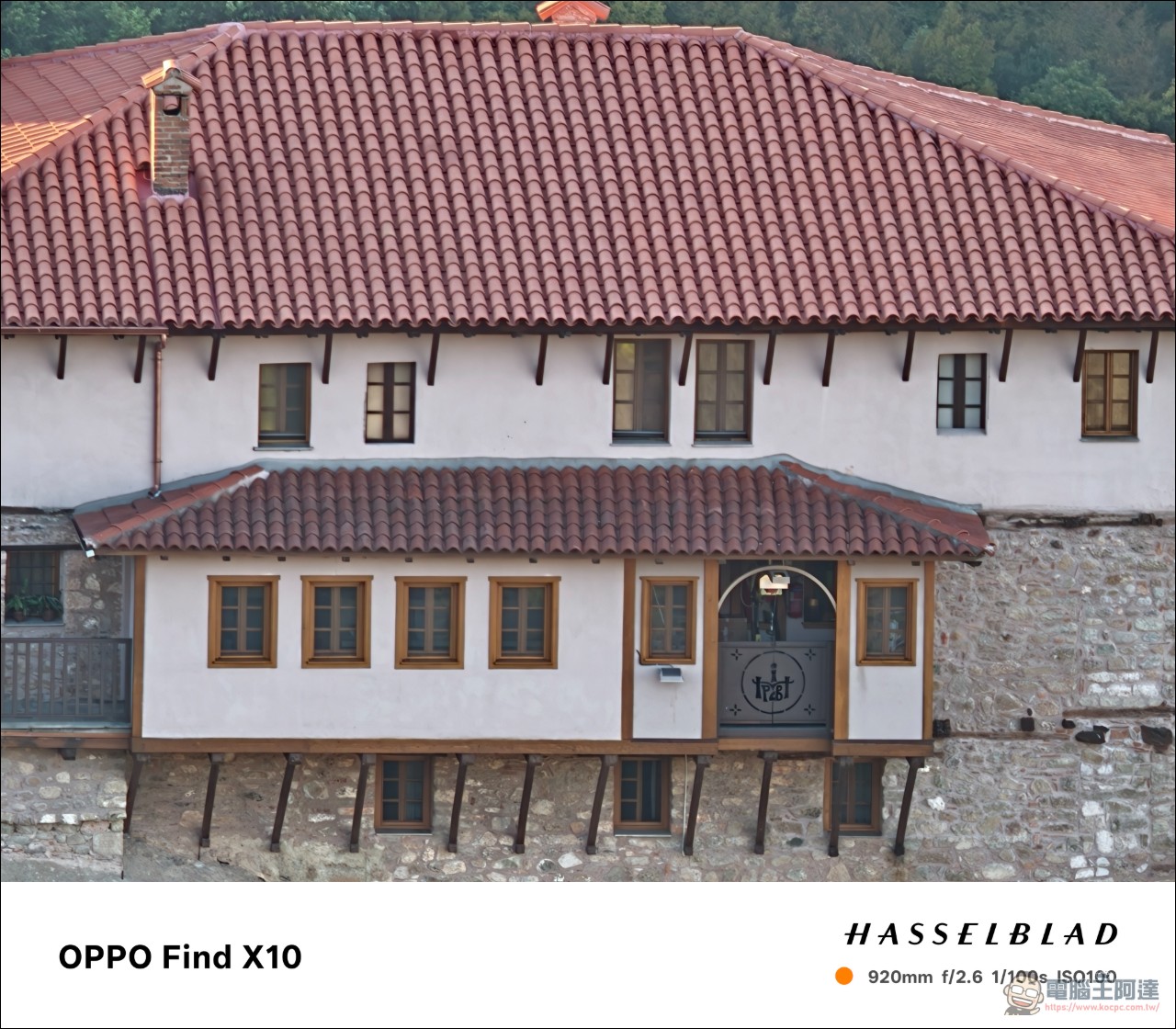
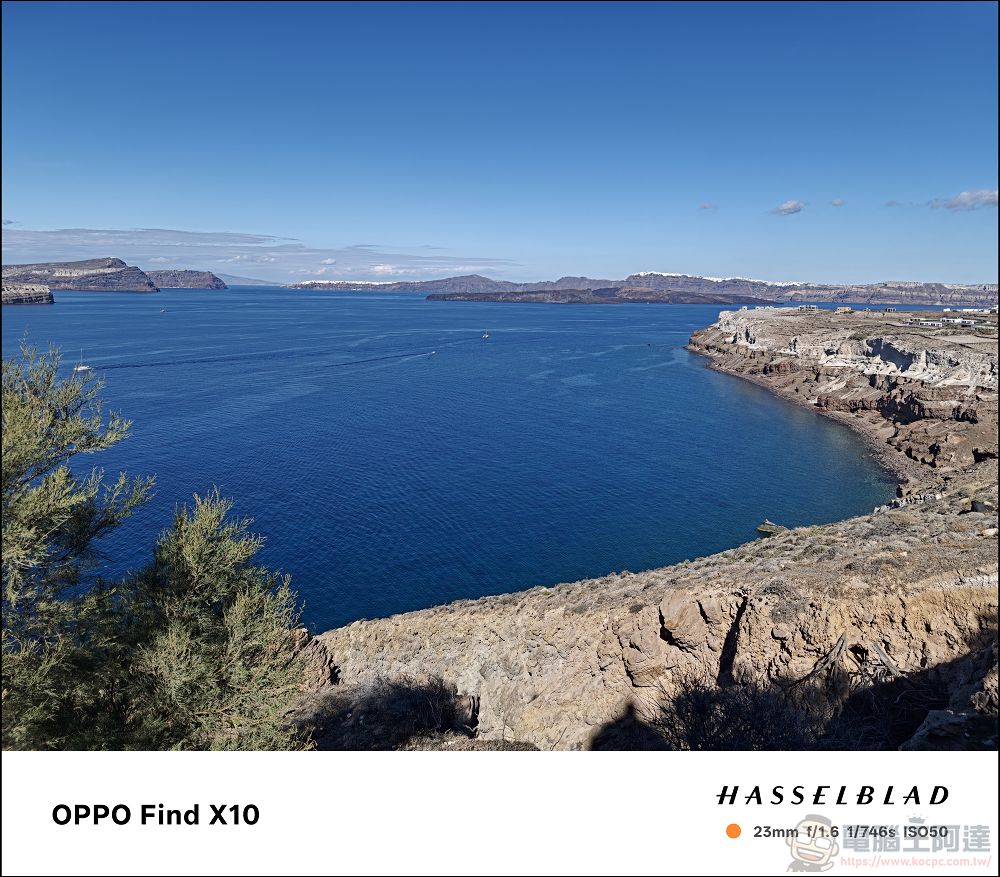
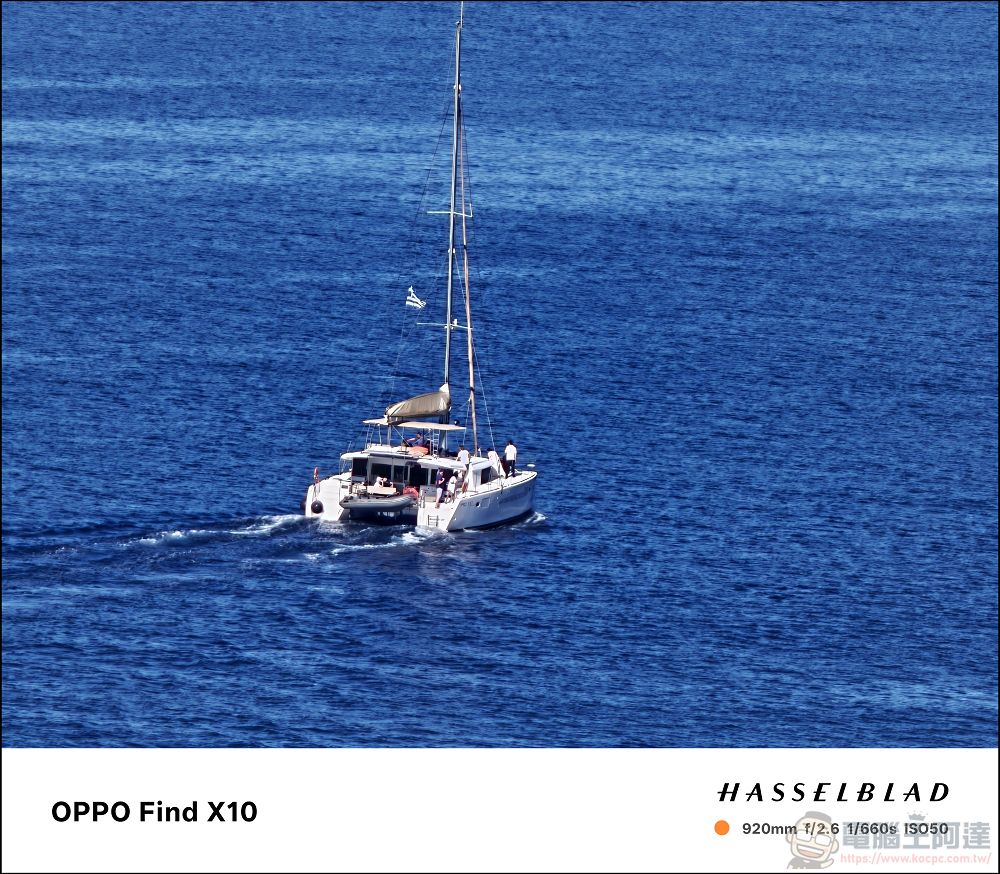
A while ago I traveled to Greece and brought the OPPO Find X10 and Find X10 Pro Max to shoot landscapes in various places. I’m very pleased with the results; due to space constraints, I’ll share some of the photos first:






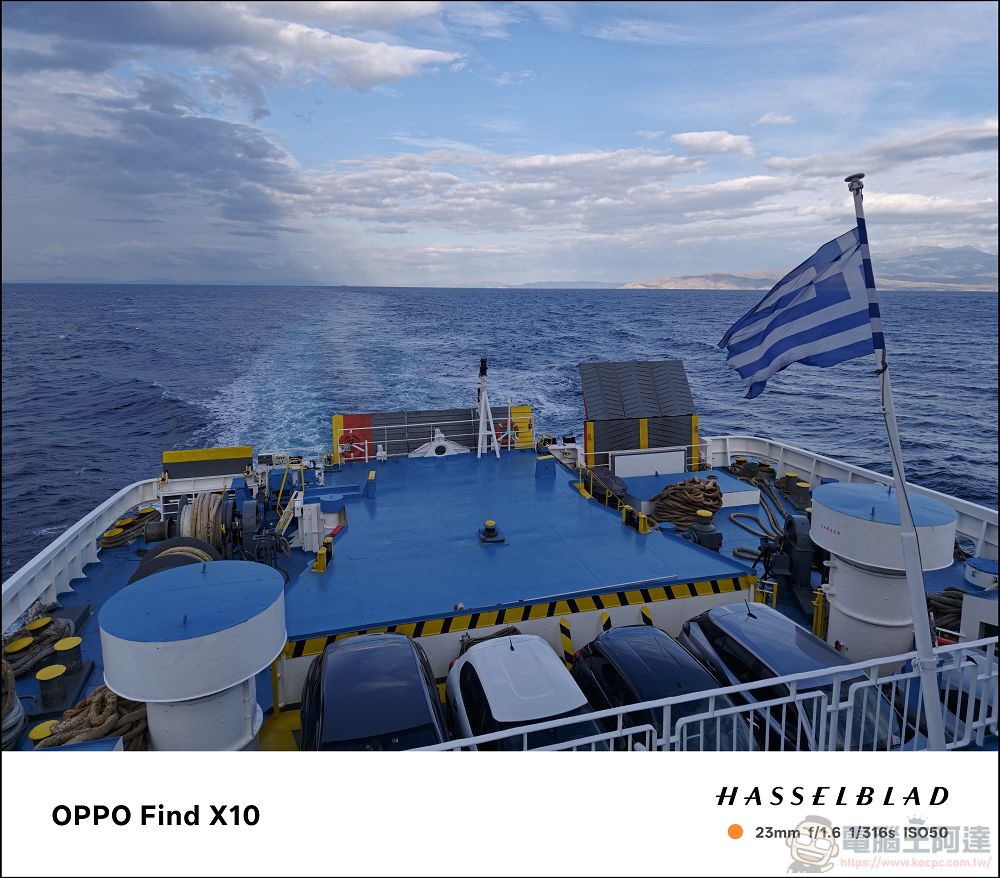
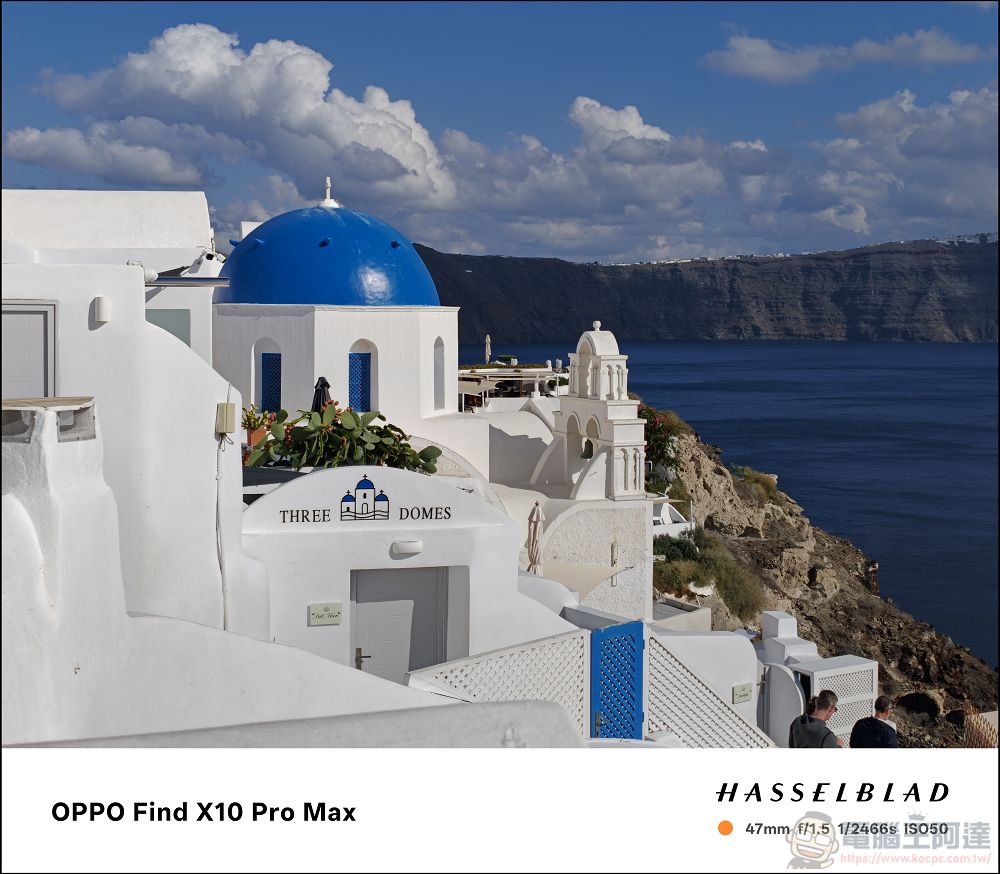
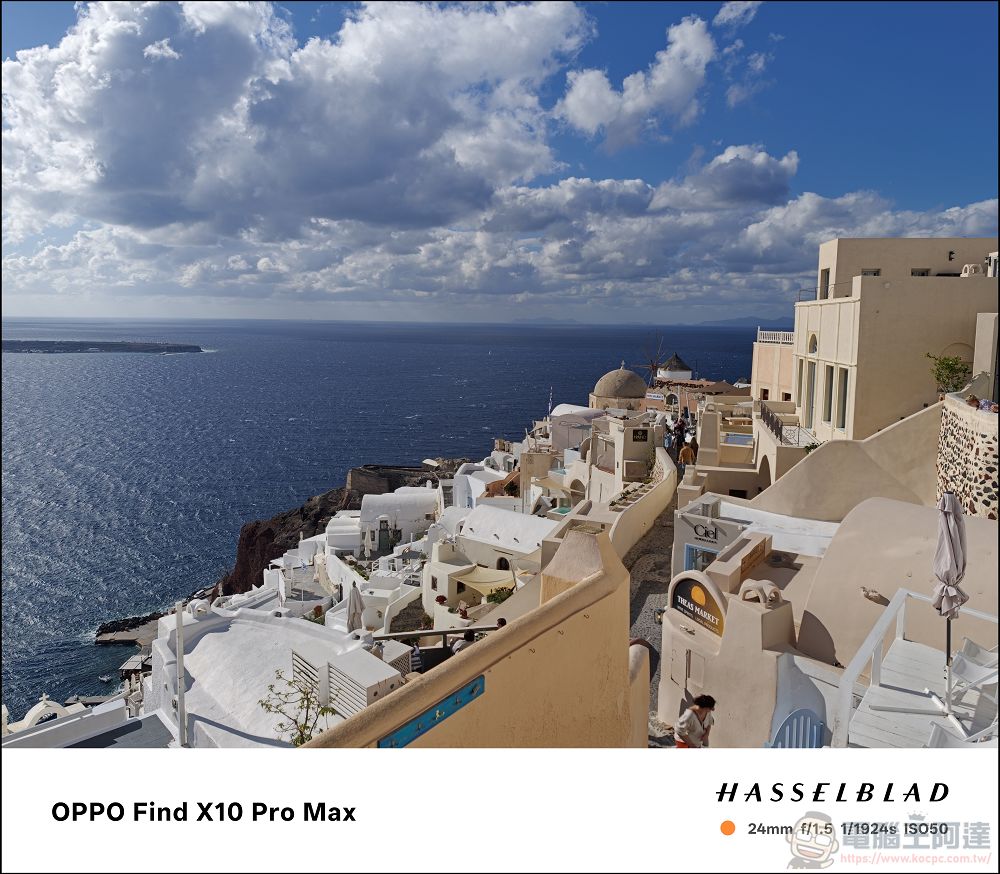
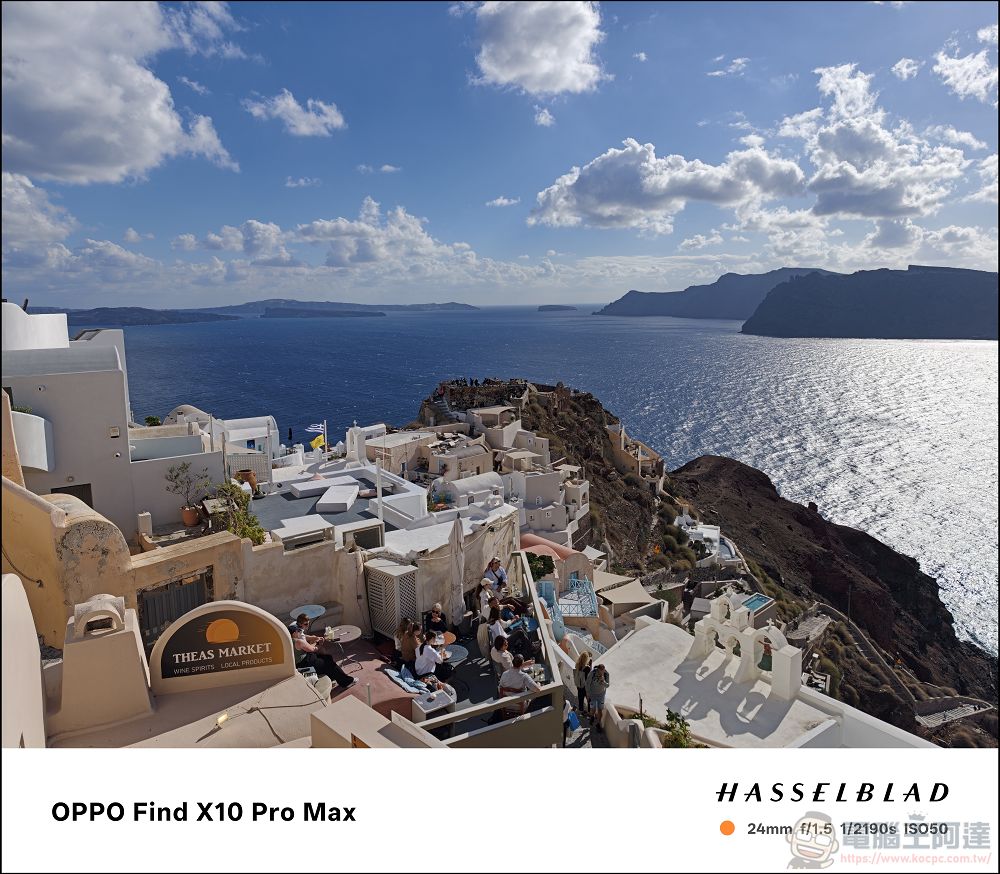
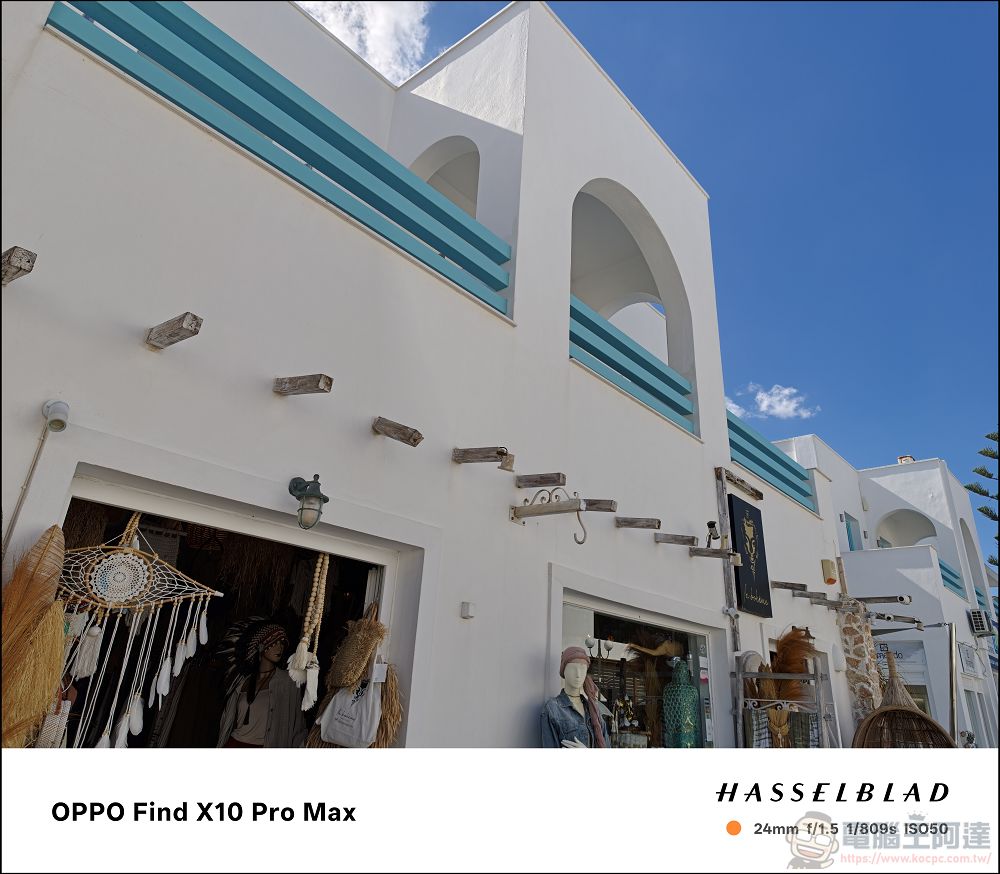
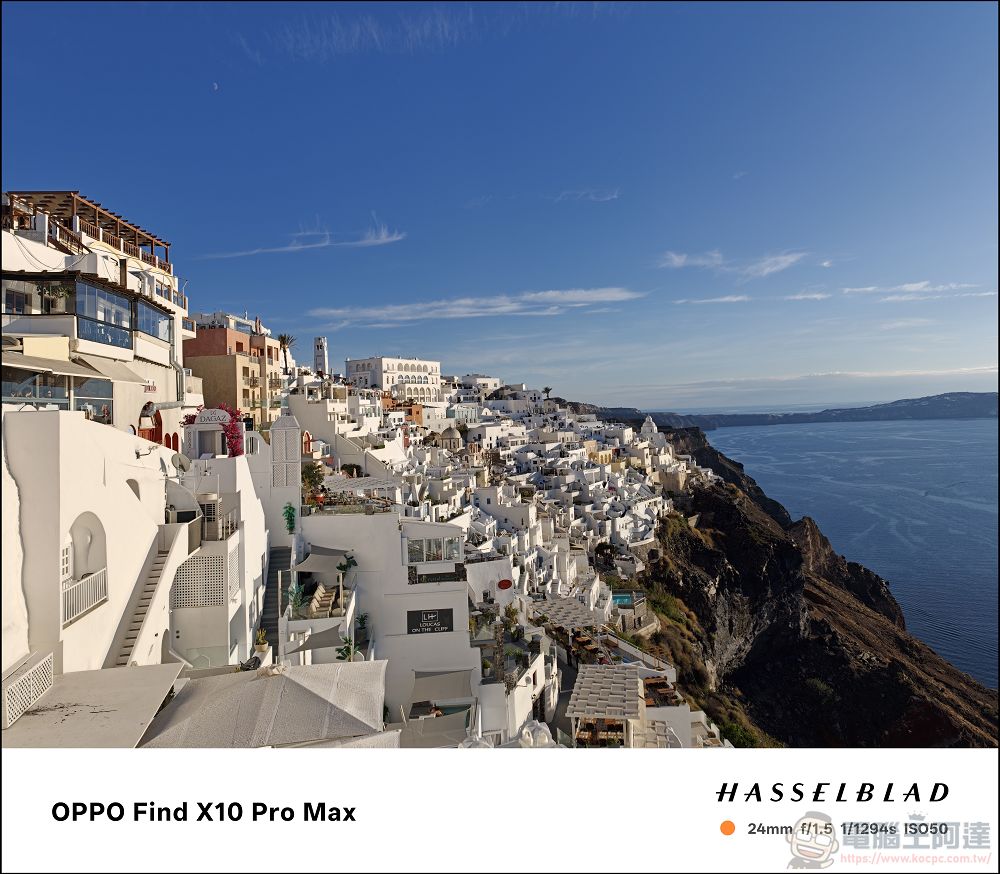
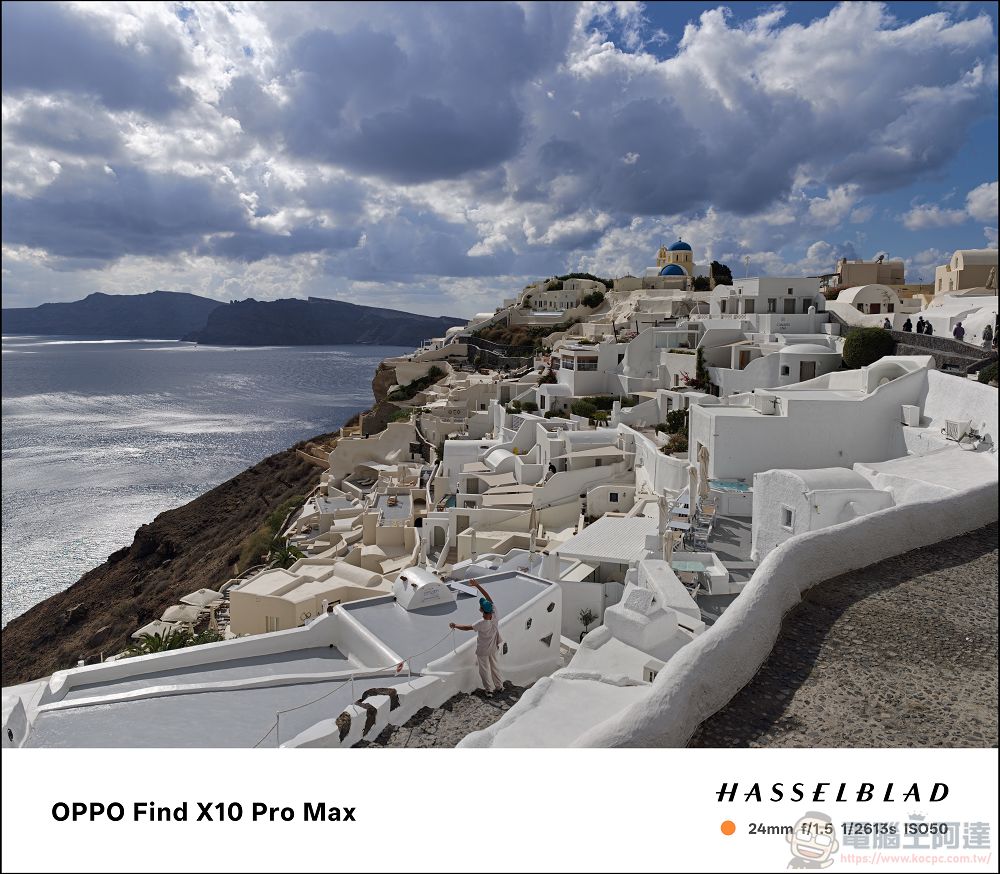
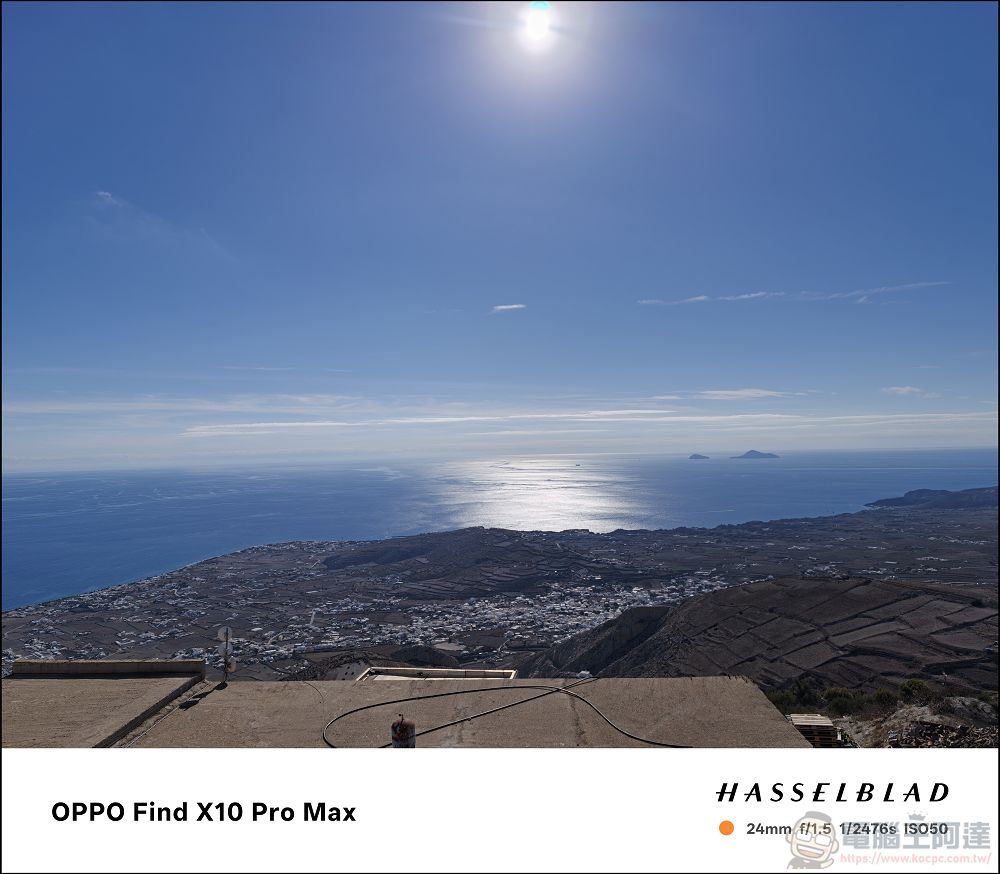
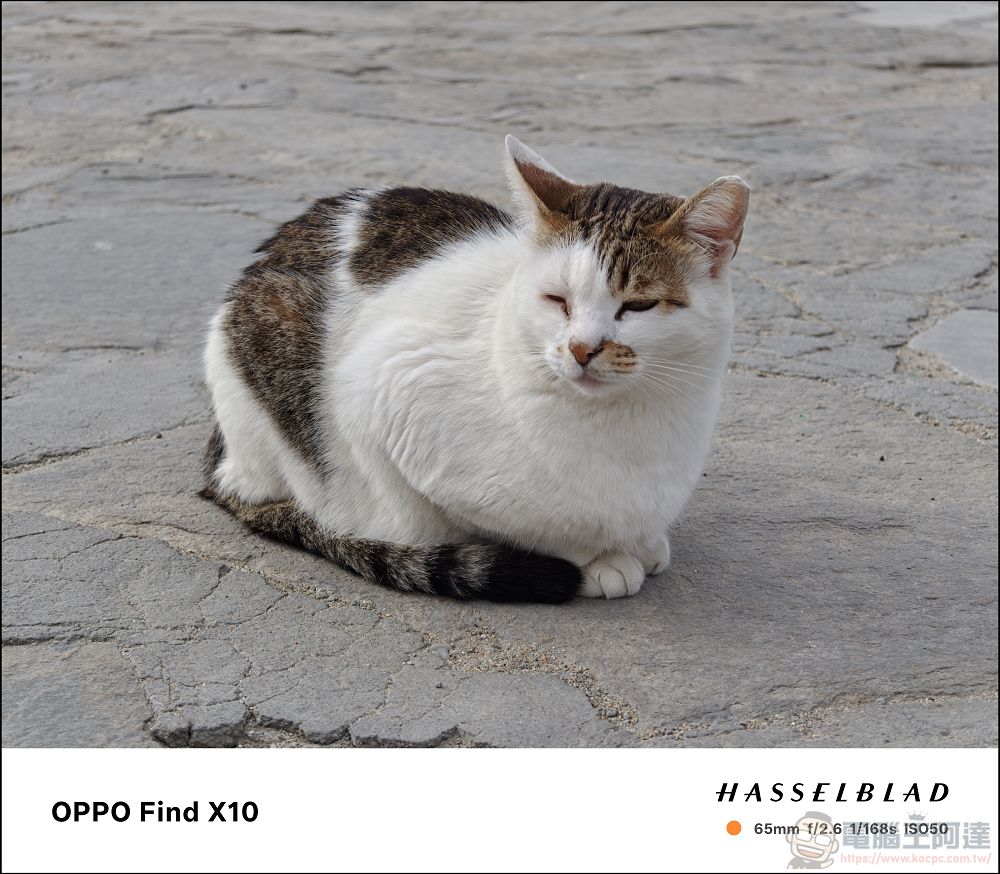
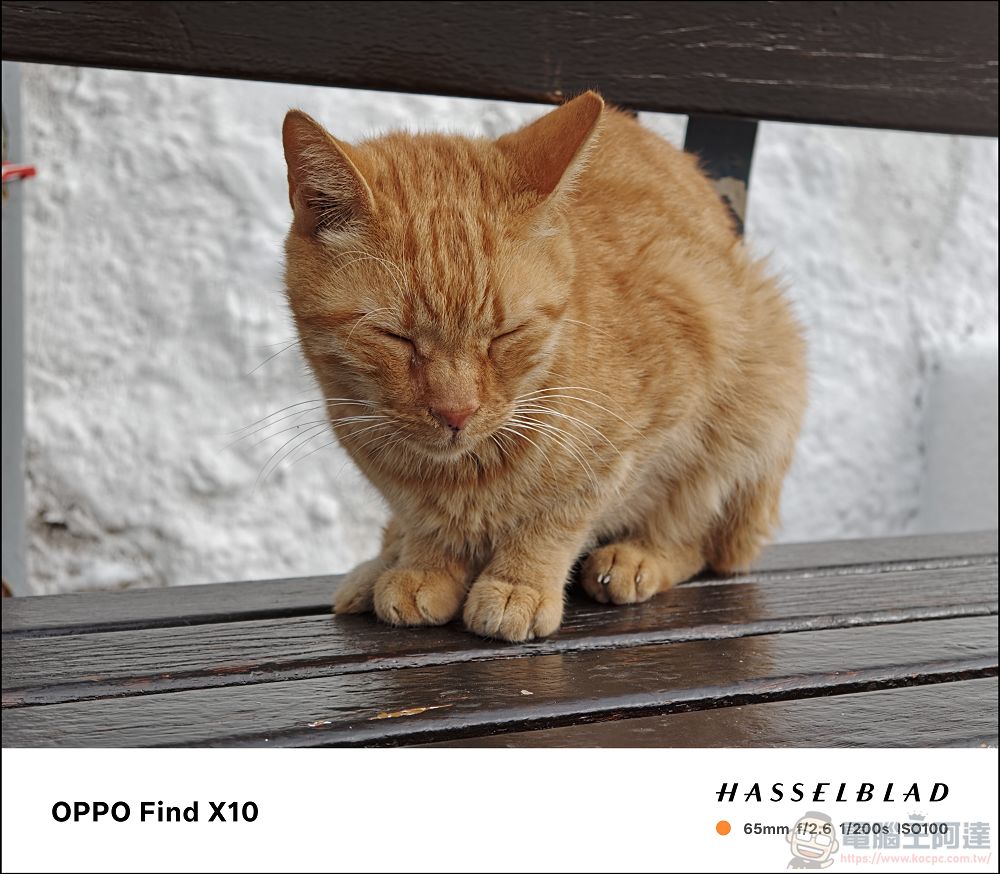
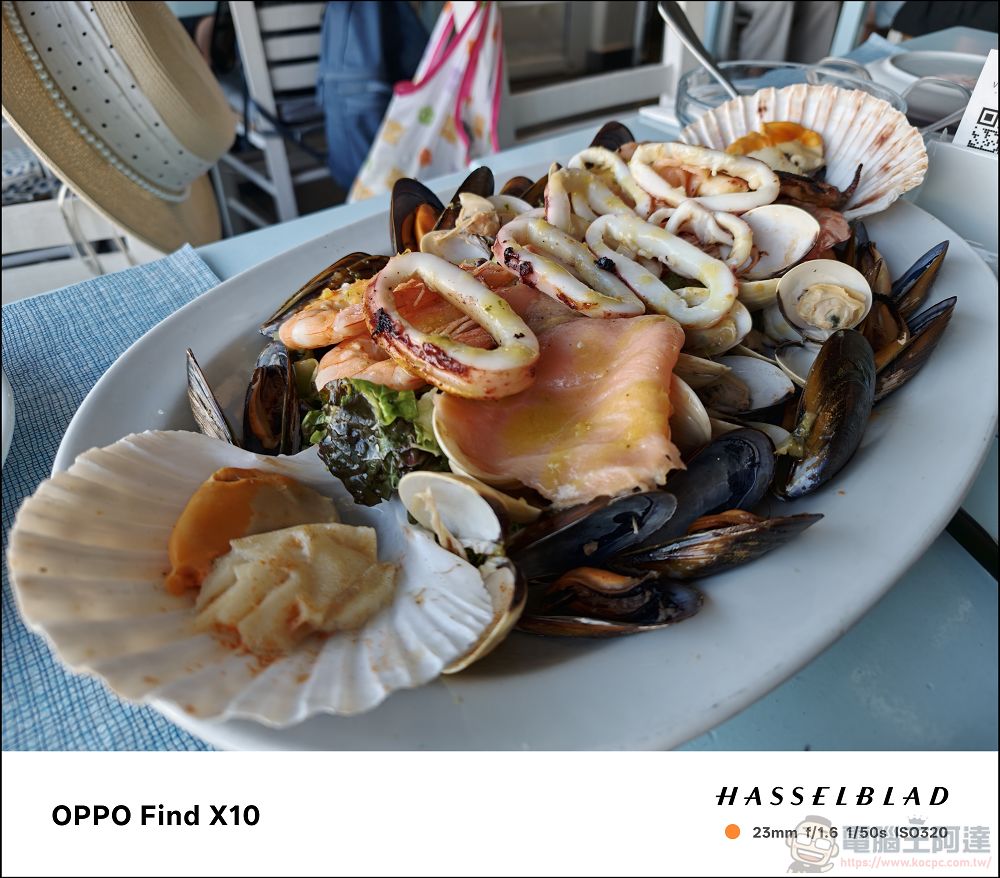
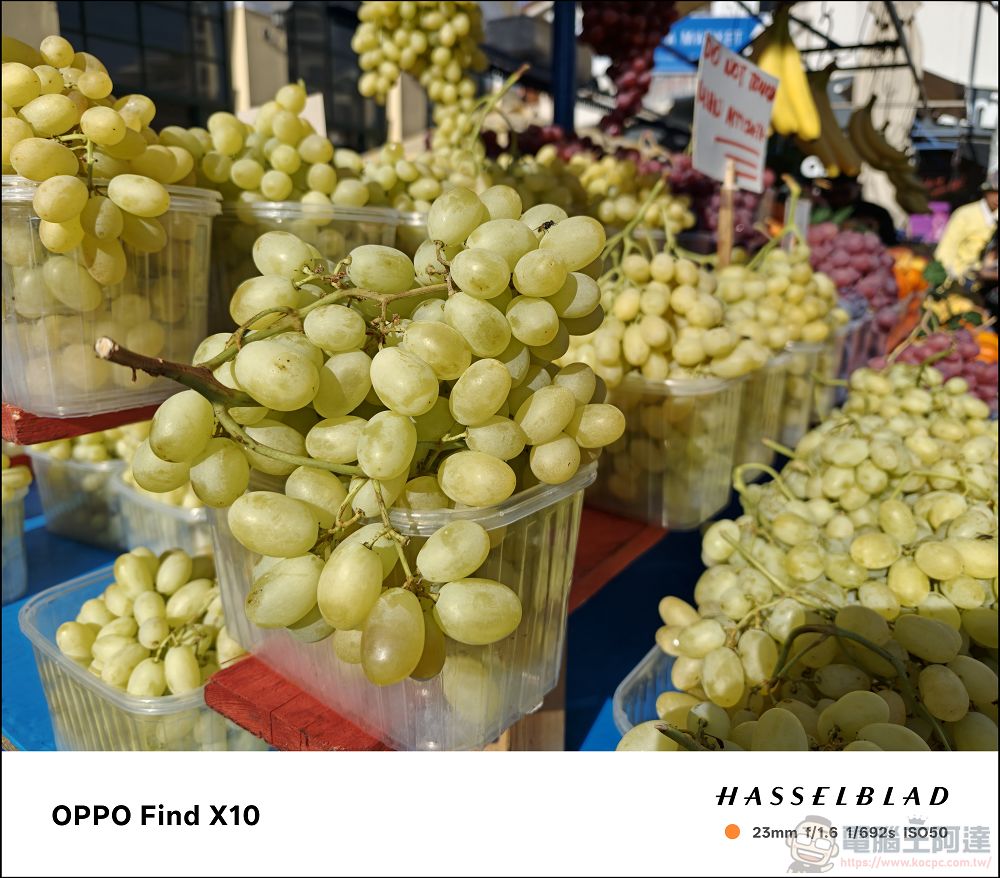

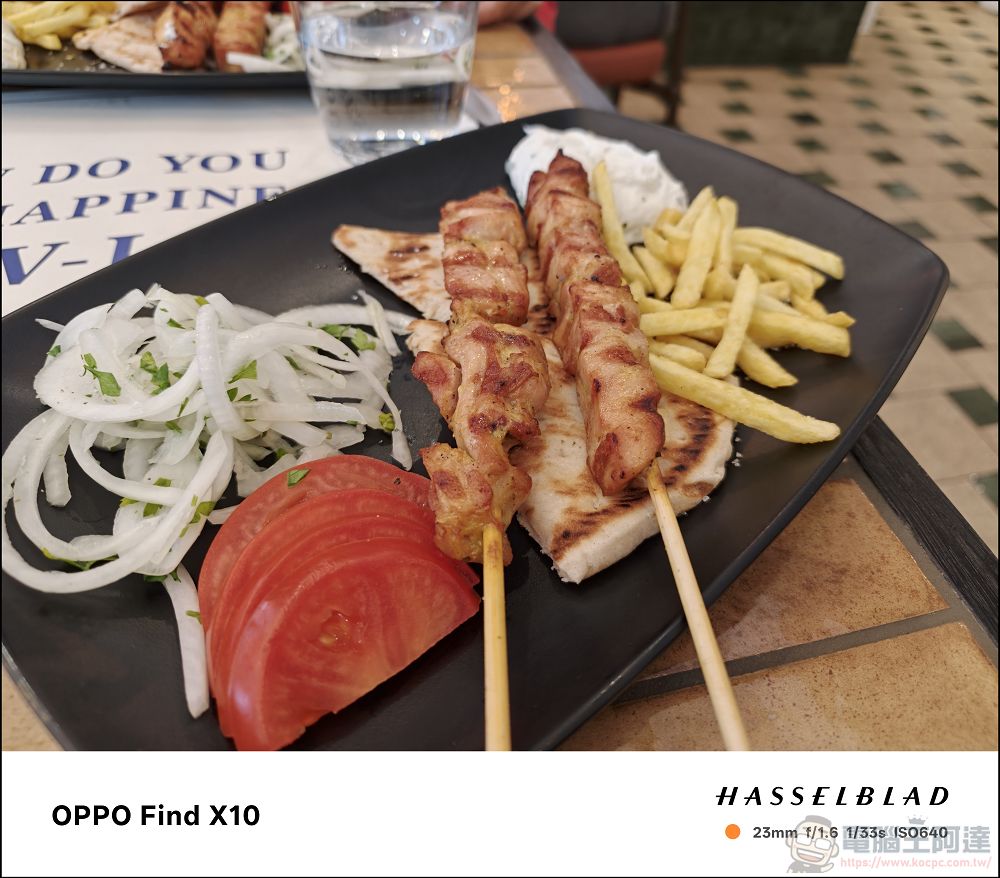
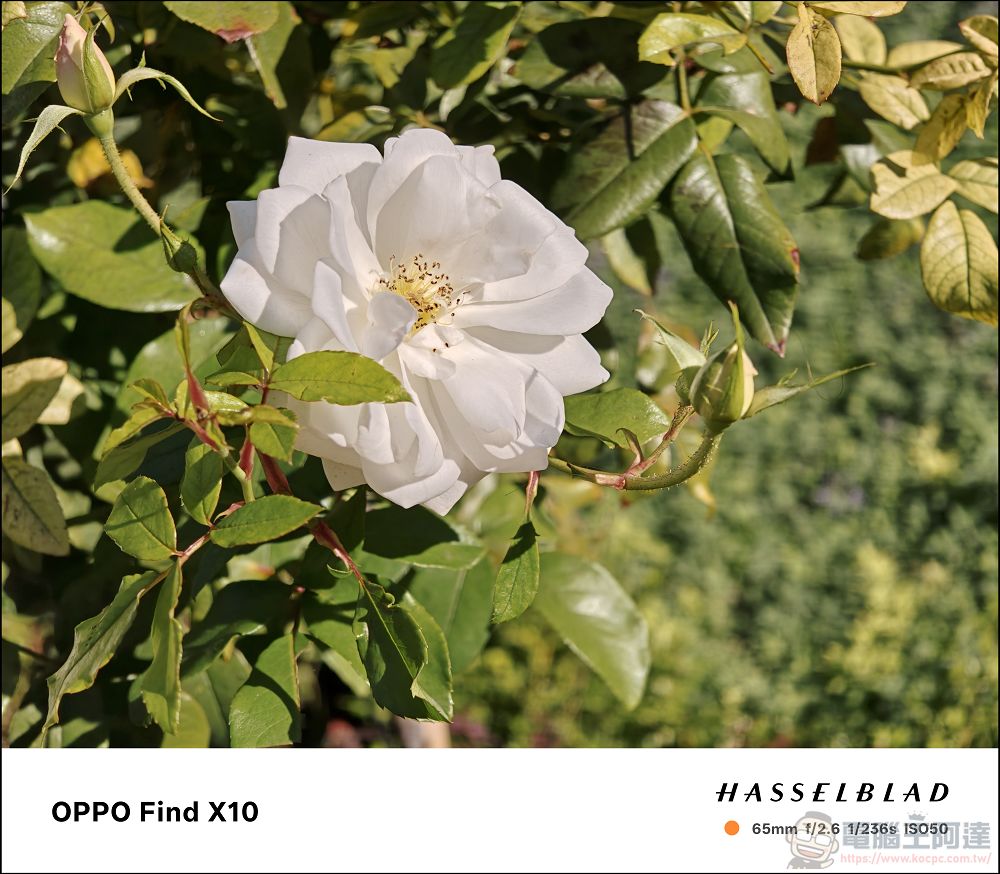
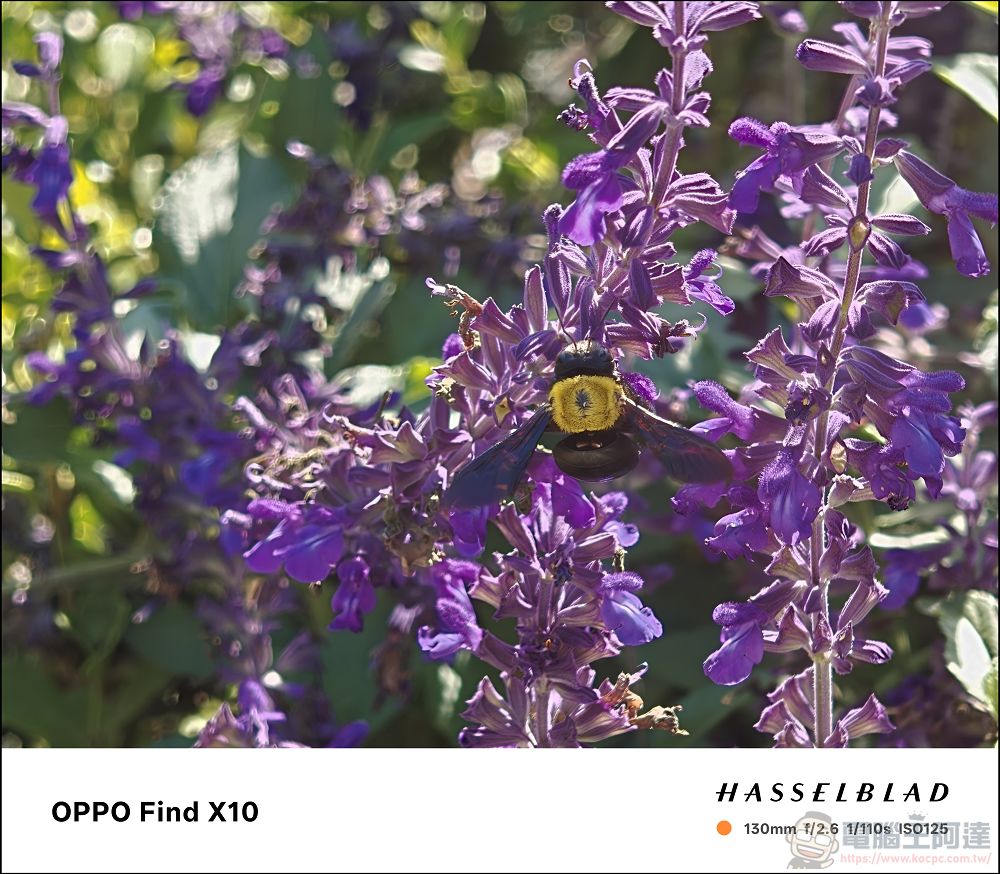
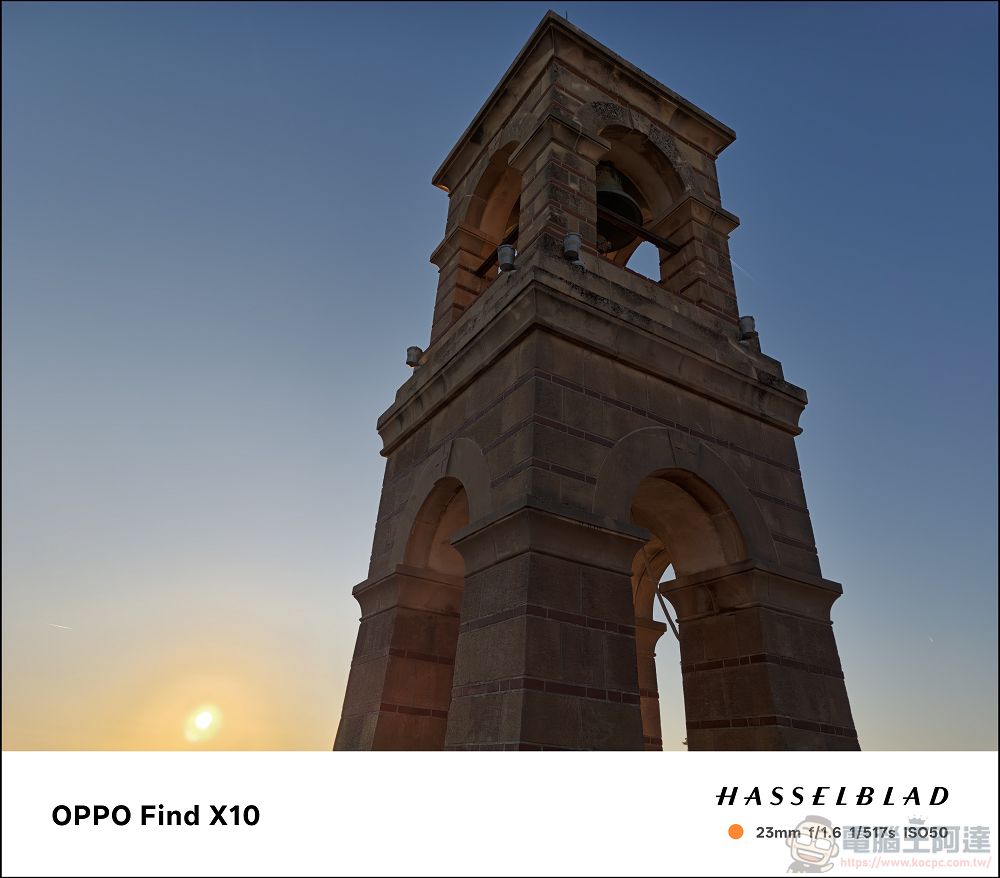
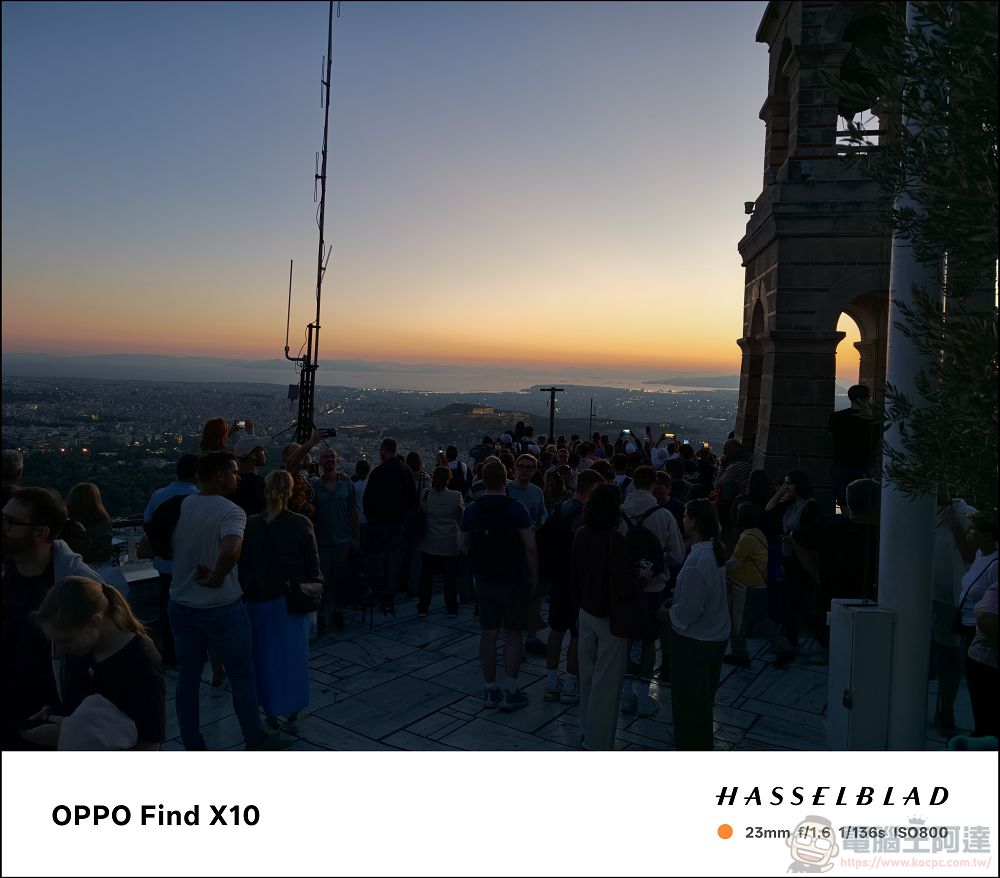

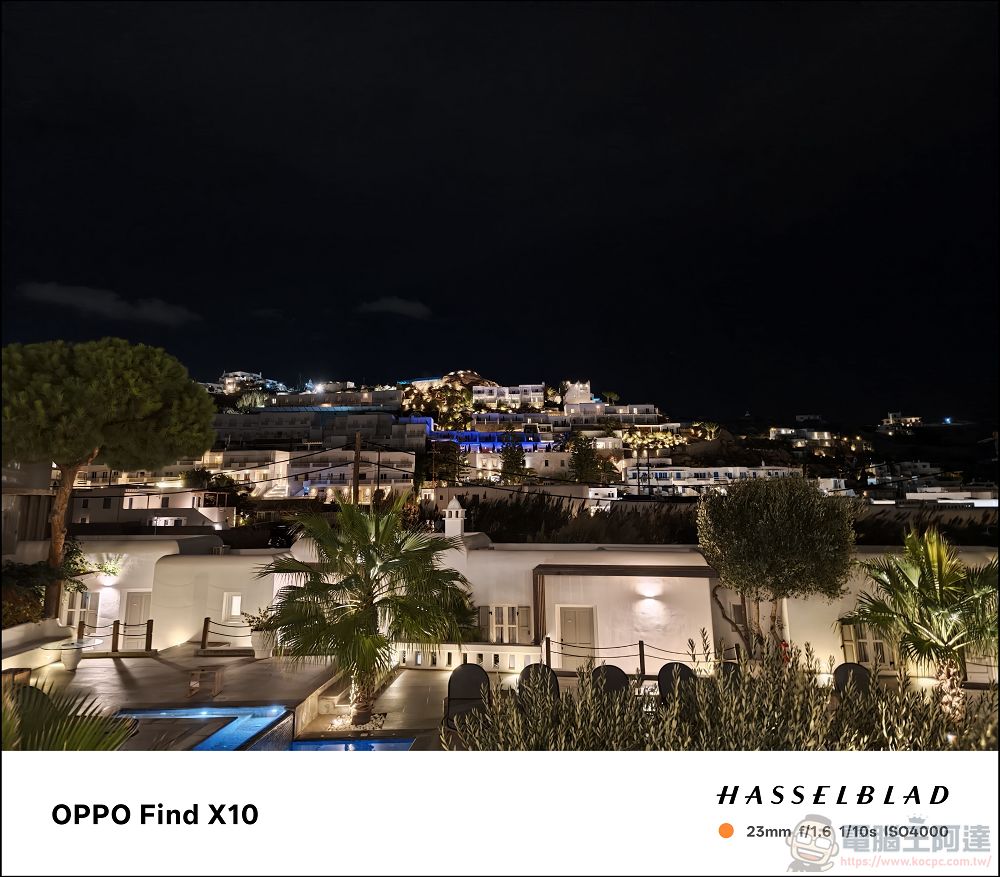
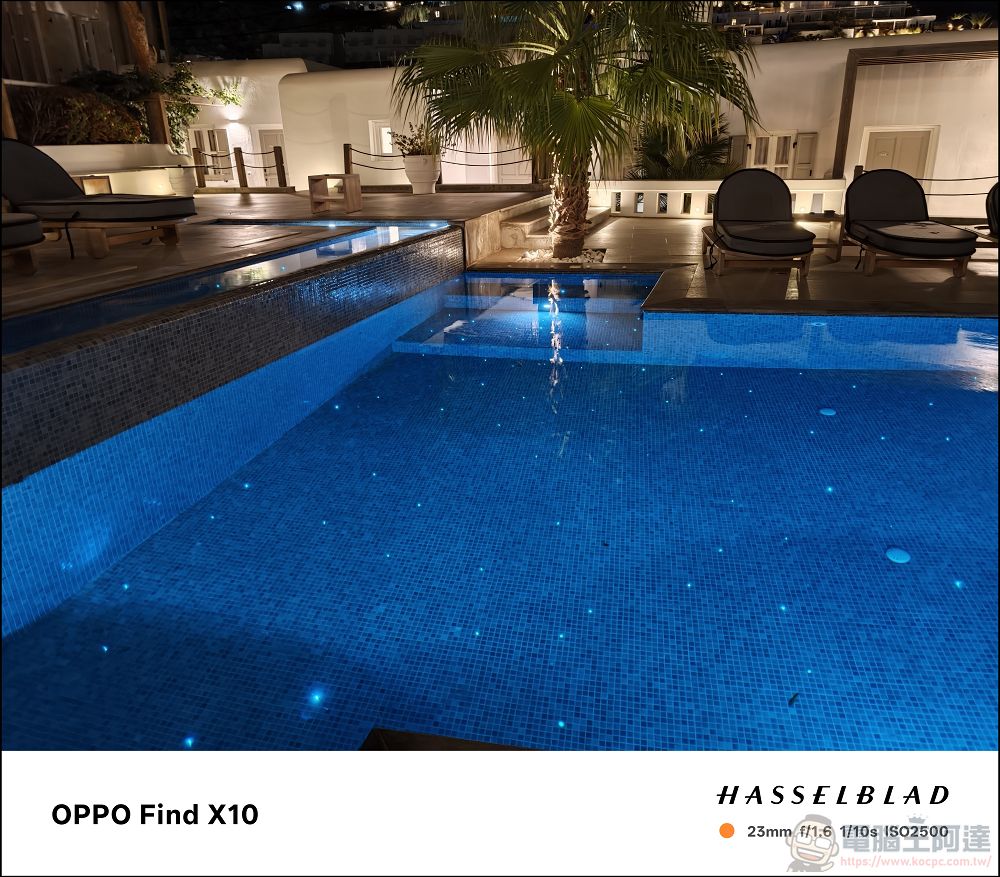
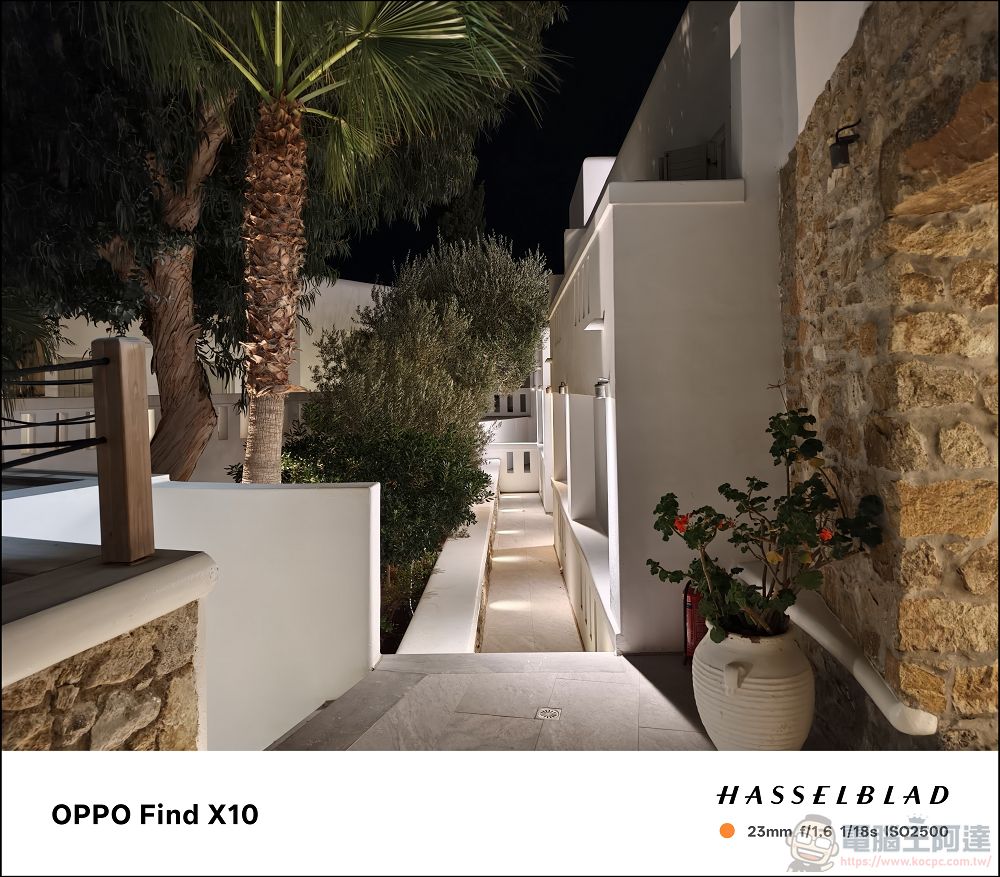
Portrait:




Epic upgrade to AI camera features! Anyone can become a master.
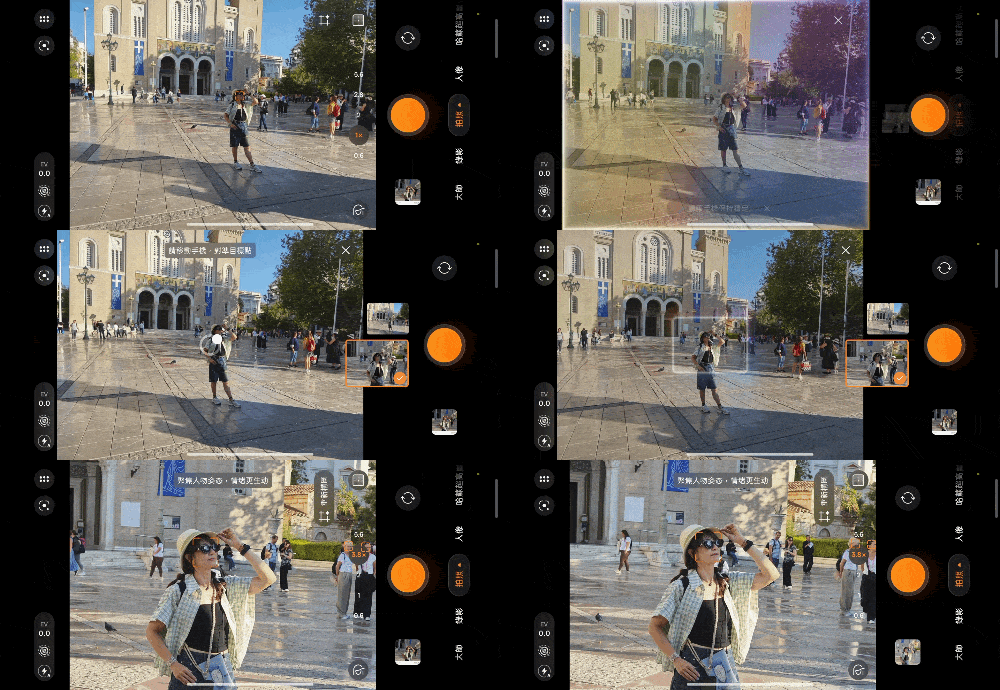
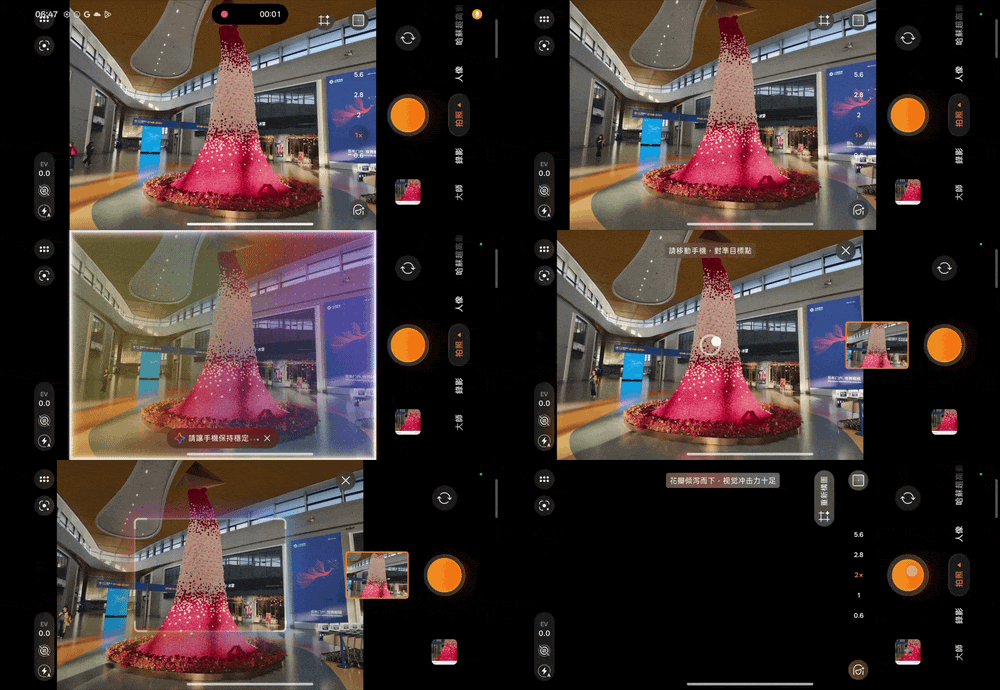
The photography capabilities are already very strong, and this time OPPO has also introduced many AI applications into shooting and photo editing, each of which can strengthen your photography skills to a master level. Here I’ll share a few features I find super useful. For example, even when you hold the phone well, the composition of the photos you take just isn’t as good-looking as other people’s online. The main reason is that most people don’t have enough sense of “composition” and “aesthetics.” This time OPPO has added the “Master Inspiration Composition” feature. OPPO has trained it on millions of professional photography data points, so when you pick up the phone and turn on Inspiration Composition, it can guide you in shooting. It’s very powerful:
That’s not all—if you feel the scene’s color tone is off while shooting (for example, too warm) and want to adjust filters or color temperature, previously you could only wait until after taking the photo to edit it. Now, with the “Master Color Palette” feature, you can adjust it on the spot until it feels right and then shoot. With up to 16 filter options, you can also adjust the color temperature and filter intensity yourself:
You can also quickly switch between effects for notoriously tricky photography settings such as “Dusk,” “Stage,” and “Fireworks” while shooting—AI adjusts them all for you with one tap:
That’s still not enough to make you a “master.” If you’re not satisfied with your photos after shooting, the all-new “AI Photo Retoucher” feature can adjust the scene or remove unwanted passersby in a second. What’s even cooler is that AI will preselect the effects you might want, so you don’t have to scroll through a bunch of features:


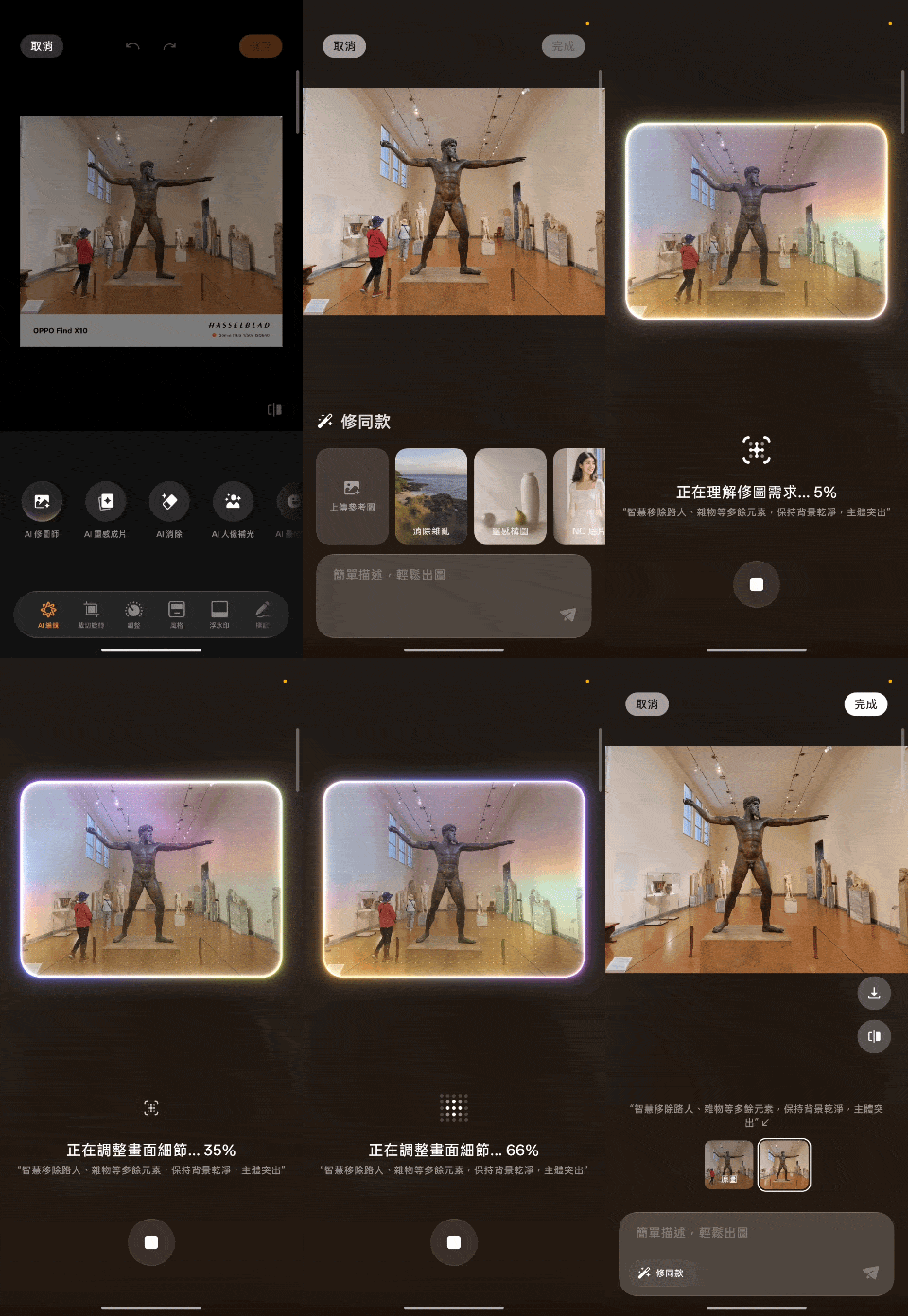
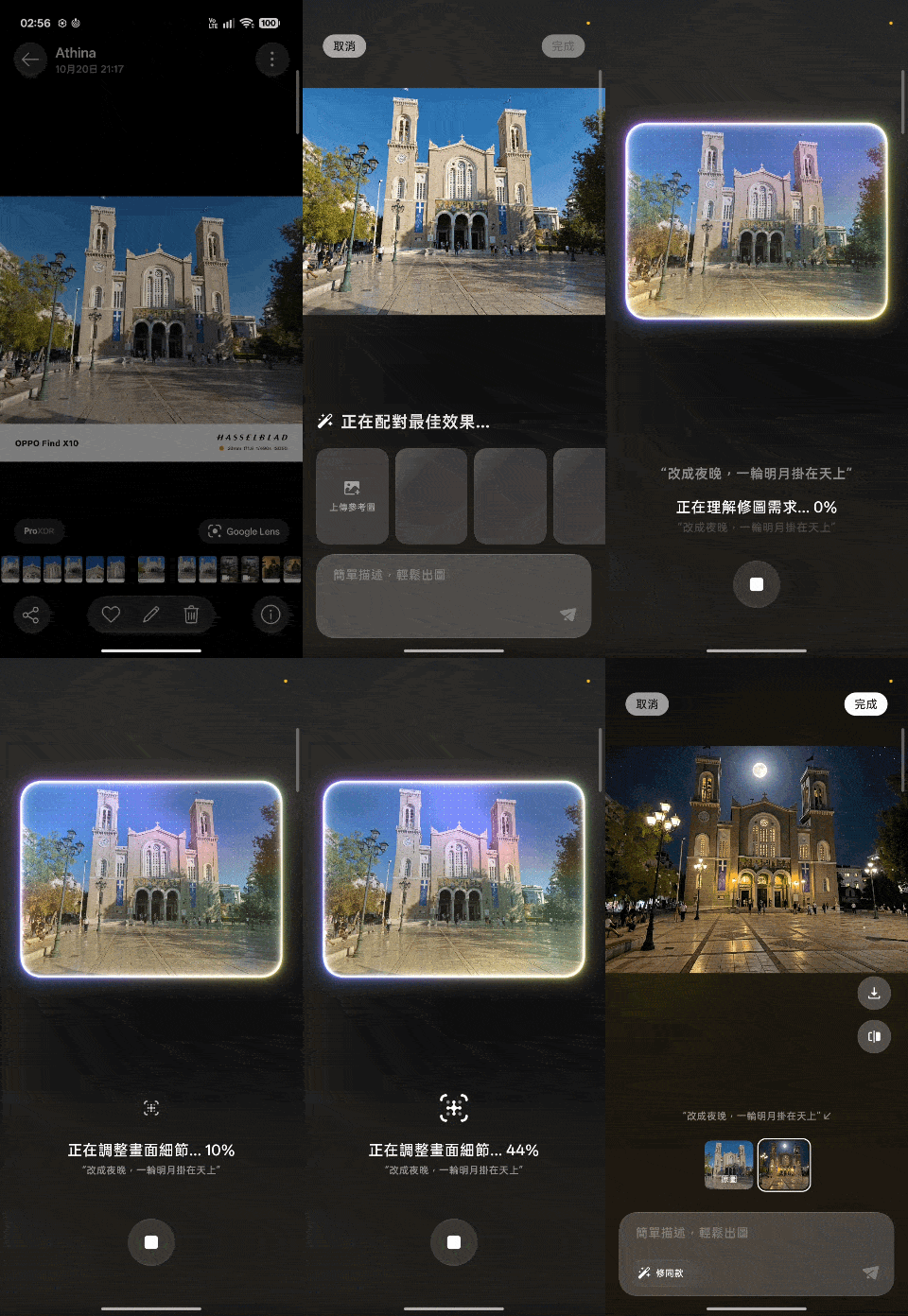
That’s not all—if necessary, you can even use “prompts” to help edit your images; turning day into night or adding a moon to the sky is no problem:
This isn’t even the wildest part: if you feel the shooting angle isn’t perfect, the AI photo editor can even help you adjust the camera angle “after the fact.” There are many template features, but due to space limitations, I won’t go into them further:

Before/After Angle Adjustment Comparison: 

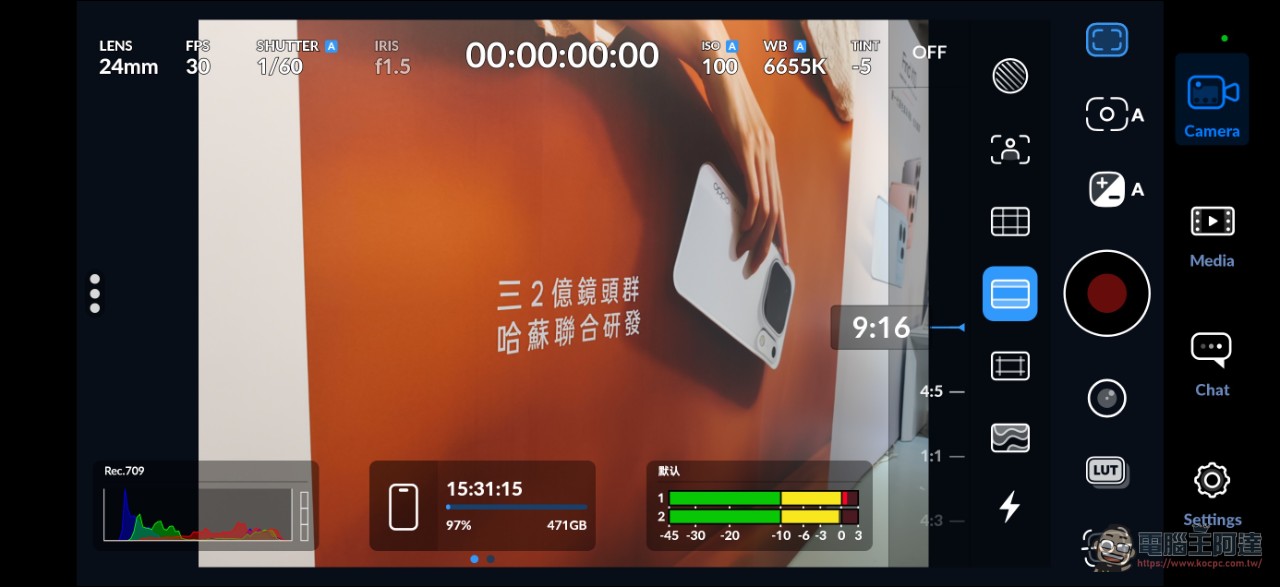
In addition to strong photography, both OPPO Find X10 series models also support OpenGate (recording using the full aspect ratio of the entire sensor, with no cropping). You can use it by pairing with Blackmagic Camera (a free app that must be downloaded separately). Anyone with professional video needs will really need this feature: 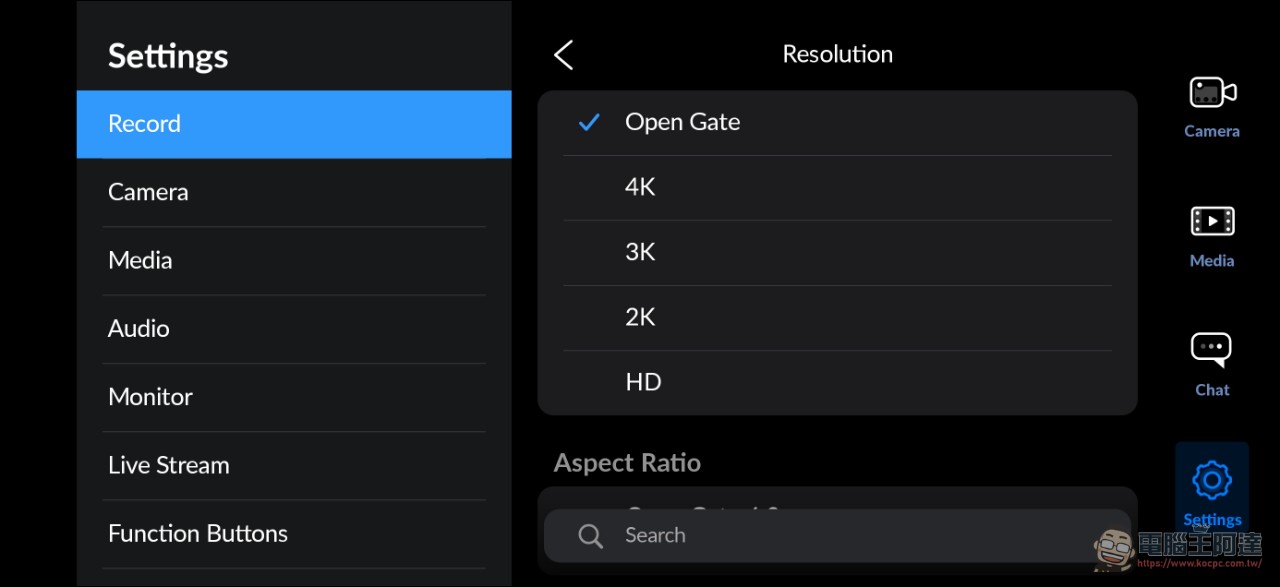
Let AI agents enter mobile phones.
The OPPO Find X10 doesn’t just have AI for photography; it brings AI into every aspect of everyday phone use. For example, the AI Memory Vault feature, activated by pressing and holding the shortcut key, not only helps you remember things but also summarizes the key points of the content:
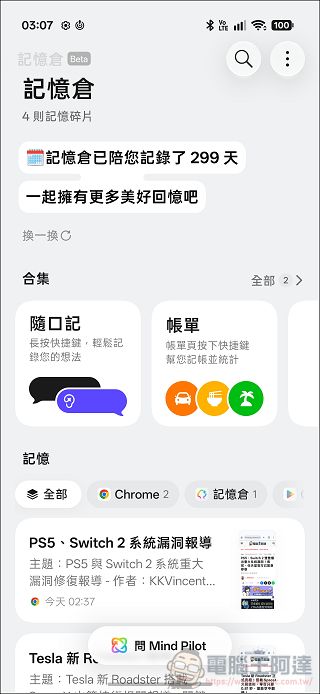

You can also use the built-in “AI Mind Pilot” feature to have it help you with various tasks, such as finding photos of a certain place on your phone or planning travel itineraries… no problem:



You can also ask it directly about everyday questions you don’t understand and various kinds of real-time information (you can also ask Gemini):
Not only is the AI photography excellent—the performance and battery life are absolutely insane.
The OPPO Find X10 series has always used MediaTek flagship processors, and this year is no exception. The Find X10 Pro is equipped with the MediaTek Dimensity 9600 Pro, 16 GB RAM, and 512 GB ROM, while the Find X10 uses the Dimensity 9600M, 12GB RAM, and 256GB ROM. Both flagships are also equipped with an 8000mAh ultra-large battery, which gives the Find X10 series outstanding performance and battery life:
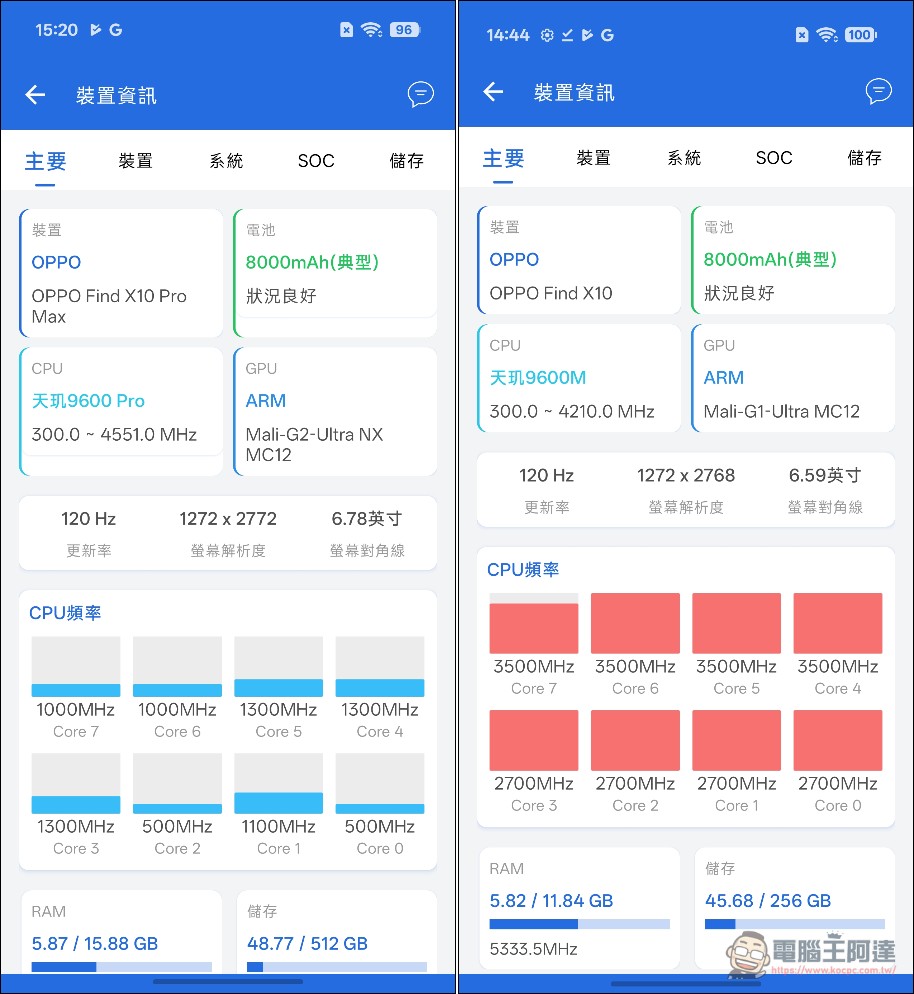
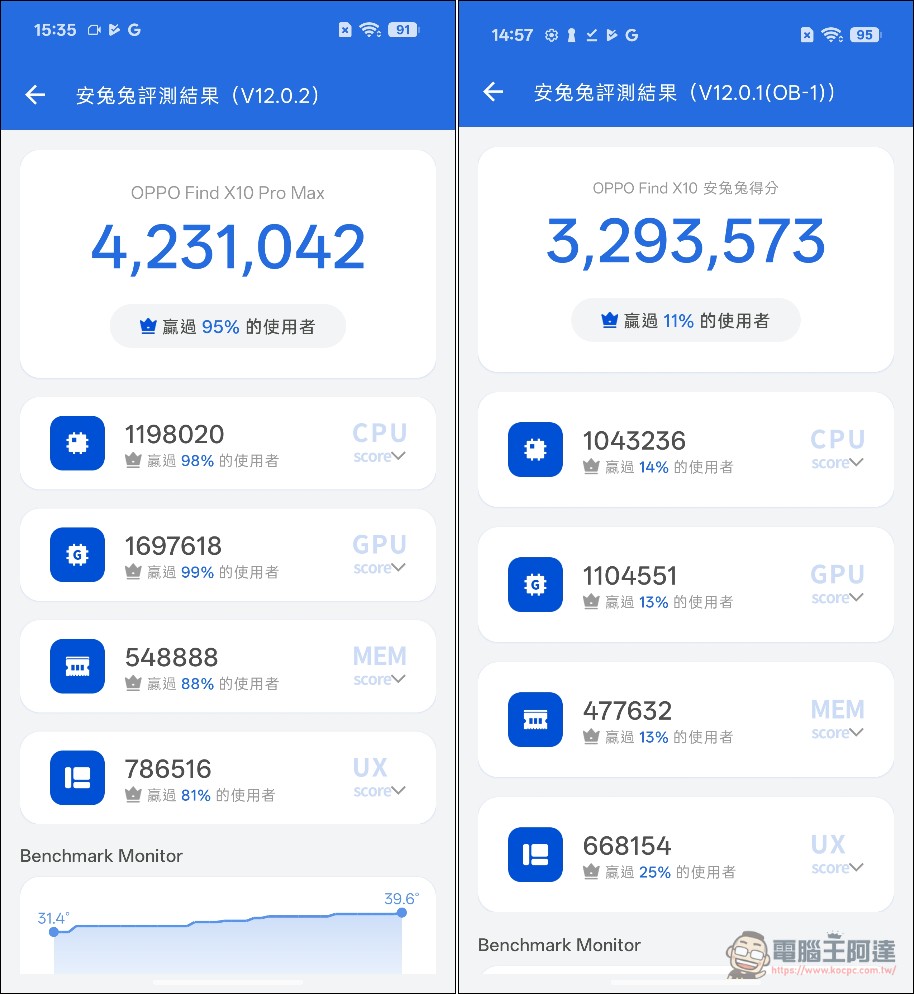
For the performance benchmark, using the latest version of AnTuTu, the flagship Find X10 Pro Max scored 4.23 million; the standard Find X10 also scored 3.29 million points, and the standard version is already at the level of last year’s top flagship:
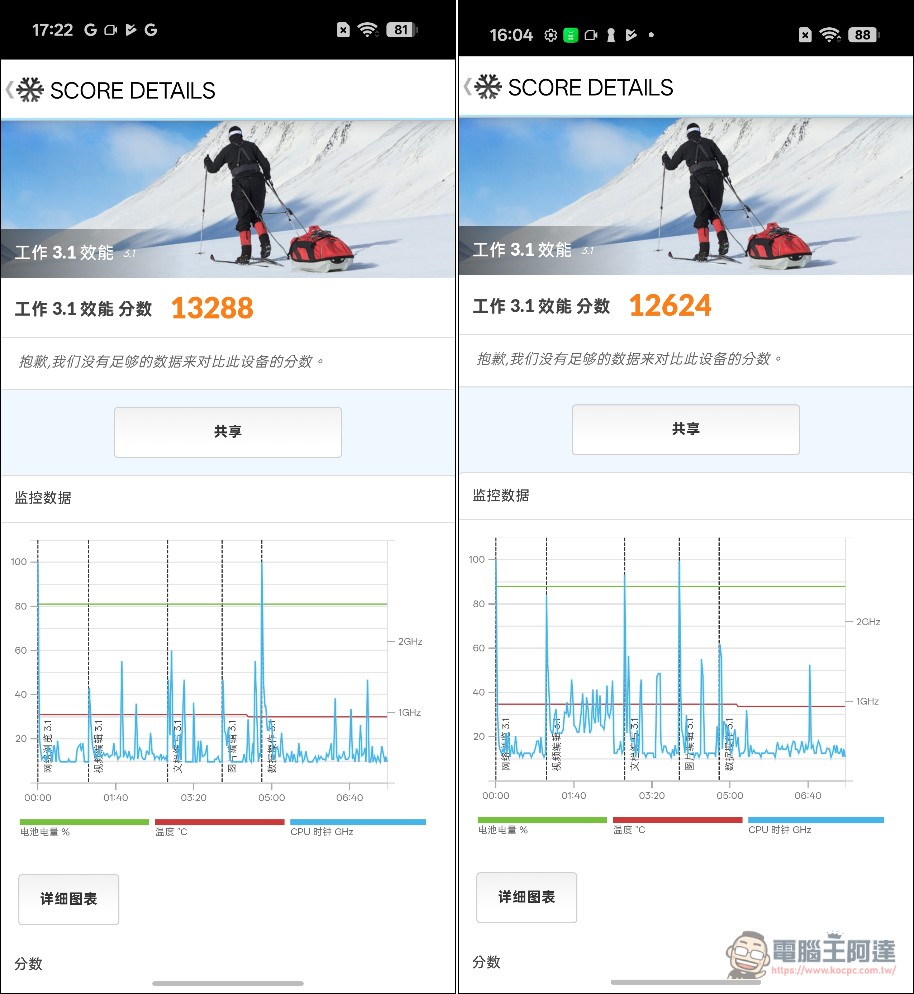
PCMARK 2.0 score: the flagship Find X10 Pro Max scored 13288 points, while the standard Find X10 also scored 12624 points:
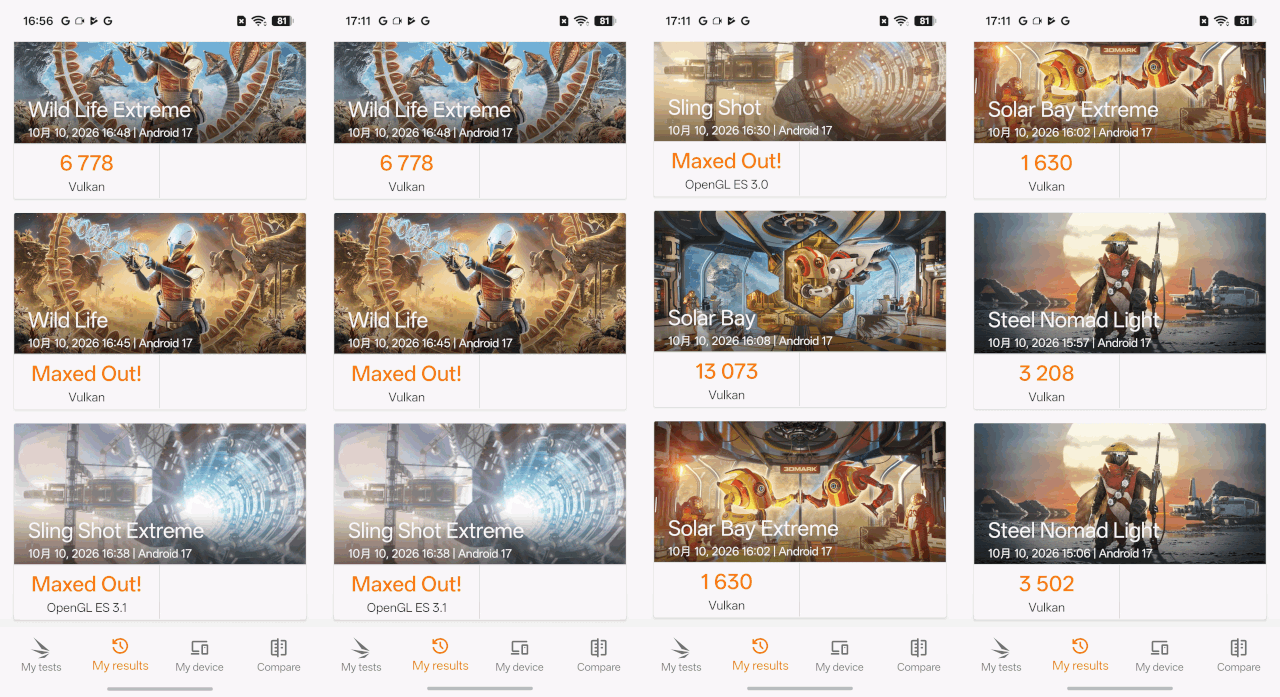
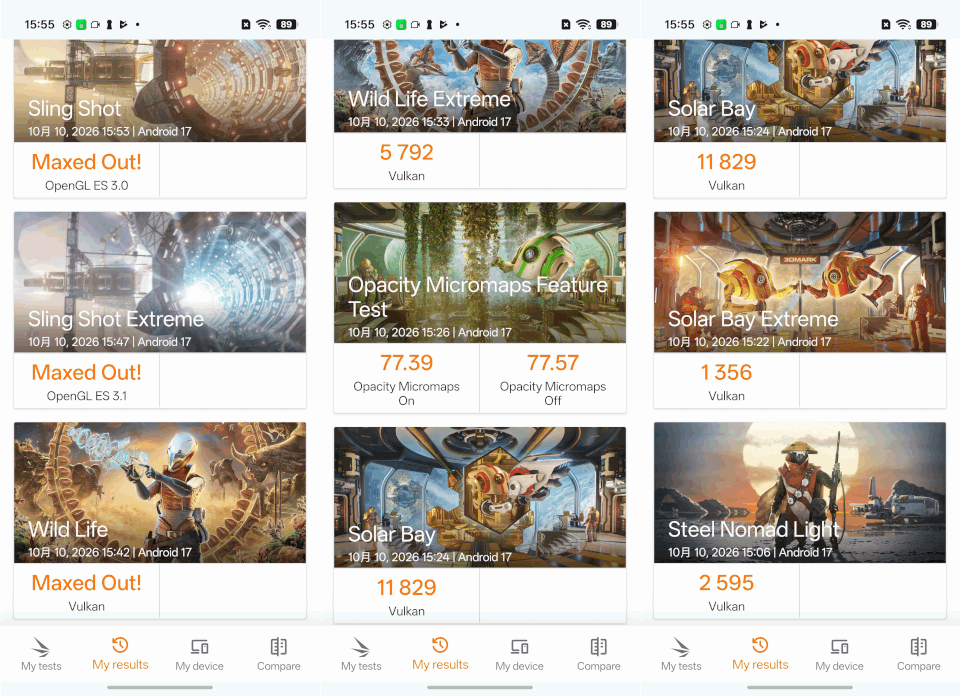
The 3D MARK scores are as follows (left: Find X10 Pro Max, right: Find X10). The Find X10 already runs almost any game smoothly—Genshin Impact basically hits 60 FPS—and with the entire series equipped with symmetrical dual stereo speakers and a more powerful Glacier cooling system, gaming on the Find X10 series is as easy as everyday life:
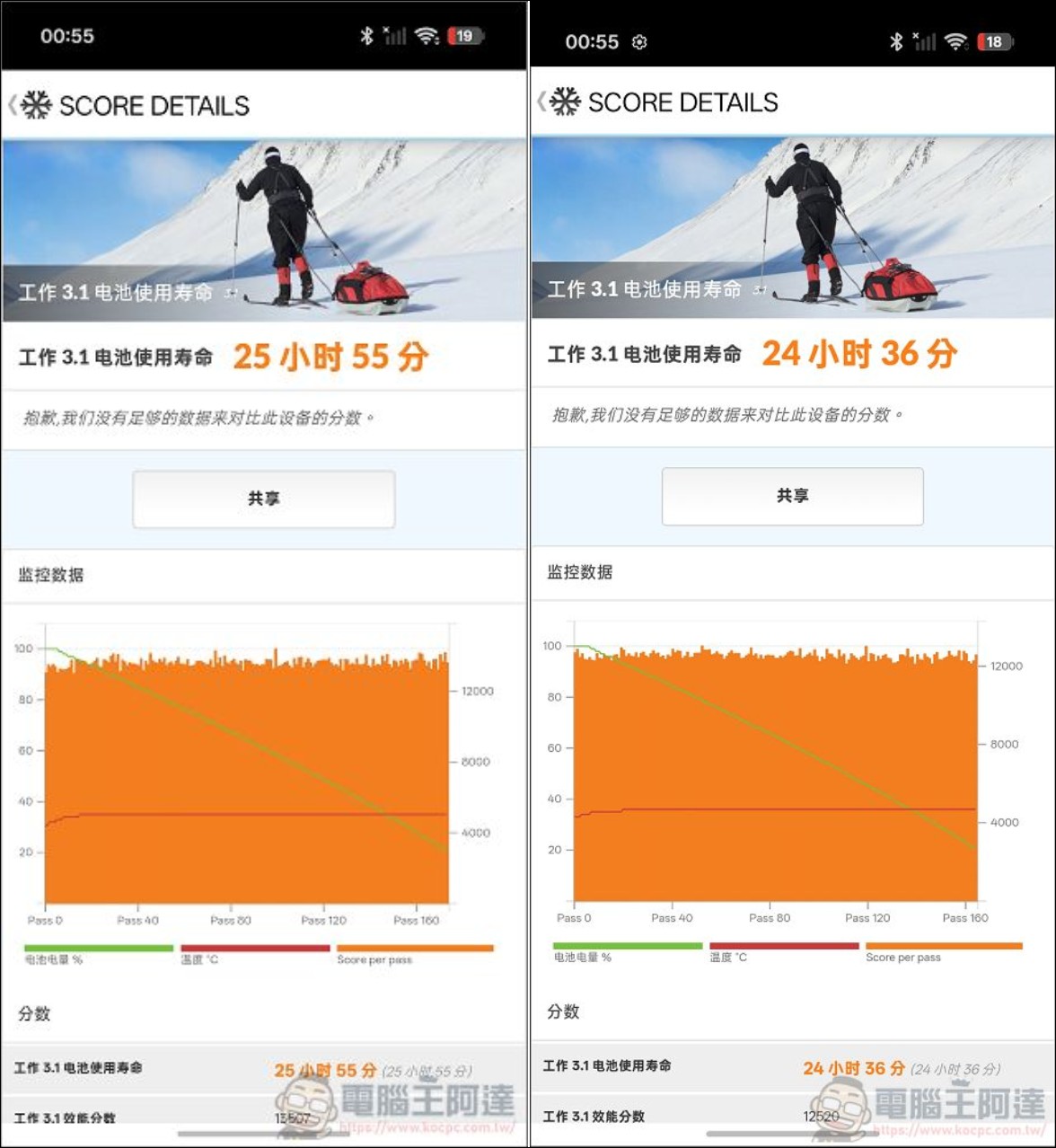
As for battery life, honestly this was the test that nearly drove me crazy, because they lasted so long! Every run meant I couldn’t continue with any other testing work for an entire day. Using PCMARK to simulate everyday scenarios such as photo editing, web browsing, and watching videos for stress testing, from 100% to 20%, the Find X10 Pro Max lasted nearly 26 hours, and the Find X10 also managed 24.5 hours. I was really afraid that if someone bumped it midway and it stopped, I’d be embarrassed. I estimate both models have continuous-use battery life of at least around 30 hours:
Conclusion
Personally, I think what makes the Find X10 series worth paying attention to this time is that OPPO has also made the shooting specs across different focal lengths, video capabilities, and post-adjustment tools more complete. From taking a photo and recropping the composition to adjusting color and light and shadow, users can decide how a photo ultimately looks according to their own habits. On top of that, the rich and useful various AI features greatly improve everyday convenience and expand the use cases for life and photography.
If your budget is limited and your main needs are everyday photos and social sharing, the standard Find X10 with its dual 200MP cameras plus the series-wide composition and color grading features should be your priority consideration. If you are already used to handling video color yourself, often shoot high-contrast scenes, and have professional video recording needs, the Find X10 Pro Max—with its ultra-high dynamic range cinematic camera, 17EV cinematic high dynamic range, and Open Gate support—offers more features you can put to deeper use. However, advanced features each have their applicable modes and conditions, so before buying you should still match them against your own needs and pick out the capabilities you will actually use; that is more meaningful than simply chasing a full spec sheet. I am sharing the above for everyone’s reference.
Source: KOCPC Chinese