


For years, the television industry has followed the same evolutionary path: increasing resolution. From the early bulky black-and-white CRT TVs to color TVs, EDTV, HD, and now 4K ultra-high-definition TVs that have become mainstream, each upgrade has delivered more detailed picture performance. In terms of pixel count, traditional 480p standard definition has only about 300,000 pixels, while 4K resolution exceeds 8.3 million pixels—the level of image detail is no longer comparable.
By rights, the next step should have been the 8K era, with four times as many pixels. 8K resolution reaches 7680×4320, with over 33 million pixels, and in theory can deliver more detailed and lifelike images. However, this product, originally regarded as the next-generation display technology, now faces an awkward reality: it may be heading into decline before it ever becomes mainstream.

The era of 8K TV ended before it could even begin.
In recent years, several TV brands have successively exited the 8K market. LG has stopped launching new 8K OLED and LCD TVs, TCL paused its related product line as early as 2023, and Sony also ended production of its last 8K TV in 2025. Looking across the market, only a handful of brands are still actively selling 8K TVs.
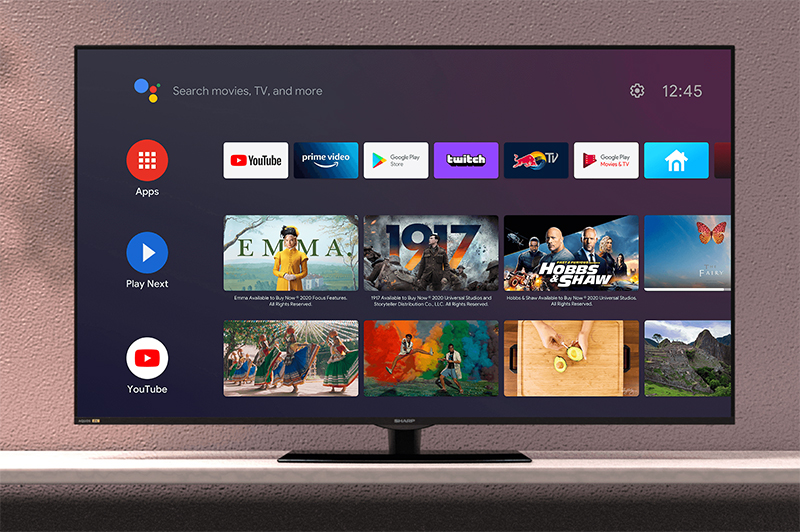
The reason is actually quite simple: consumers aren’t buying it. Although major manufacturers once saw 8K as a new growth driver for the TV industry, actual sales have fallen far short of expectations. Compared with how quickly 4K TVs became widespread back then, 8K has never attracted enough market demand. Consumers find it hard to justify paying several times the price just for a picture quality improvement they may not even be able to see with the naked eye. Samsung still continues to launch a small number of high-end 8K products, such as its extra-large Neo QLED series, but prices often run into the thousands of dollars or more. For most households, the same budget can often buy a large-screen 4K TV with excellent picture quality, with even some money left over to upgrade audio equipment or other home entertainment systems.
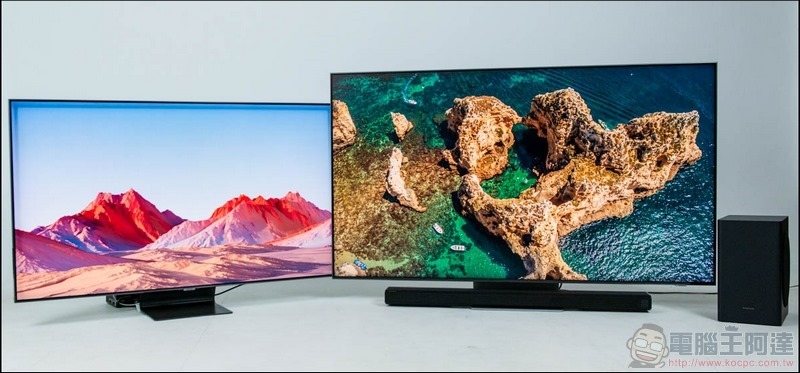
The bigger problem is that there is almost no 8K content to watch. Looking back at the early days of 4K, although it initially faced a content shortage, it soon turned around. Game consoles began supporting 4K output, UHD Blu-ray discs launched one after another, and streaming platforms such as Netflix and YouTube gradually offered large amounts of 4K video. As network bandwidth continued to increase, watching 4K content became commonplace. The situation with 8K, however, is completely different. Even today, movies, series, or games truly produced in native 8K remain very few. Streaming platforms are unwilling to bear the huge storage and transmission costs, and film and television production companies lack the commercial incentive to upgrade to 8K. As for gaming, even with high-end PC hardware, it is difficult to maintain smooth frame rates at native 8K resolution. In other words, even if consumers buy an expensive 8K TV, they will mostly only be able to watch upscaled 4K or lower-resolution content.

Moreover, many people actually can’t tell the difference at all. This isn’t just a problem for 8K; 4K itself has similar limitations. Once screen size and viewing distance reach a certain balance point, the detail the human eye can discern is actually limited. In a typical living room environment, even if a 1080p and a 4K TV of the same size are placed side by side, at a normal viewing distance, many people may not immediately notice a difference.
The situation with 8K is even more pronounced. Because its pixel density is much higher than 4K, it must be paired with a very large screen or viewed from a relatively close distance to appreciate the advantages of the resolution. Even so, most consumers may still not be able to accurately tell whether the image in front of them is 4K or 8K. Many public tests show that when users view the two types of images without knowing which is which, their correct identification rate is not ideal.
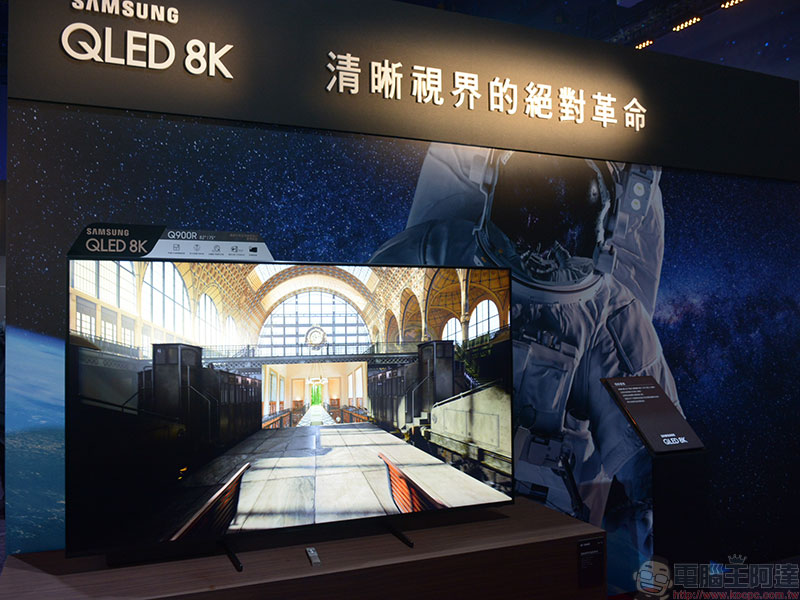
In fact, image quality has never been just a contest of resolution. In recent years, TV manufacturers have devoted more resources to developing OLED, Mini LED, quantum dot technology, high dynamic range (HDR), and higher peak brightness and color performance. For consumers, these technologies often make differences easier to perceive than simply increasing pixel count. A 4K TV with excellent contrast and color performance often delivers a visual impact far superior to an 8K product with higher specifications but lacking content.
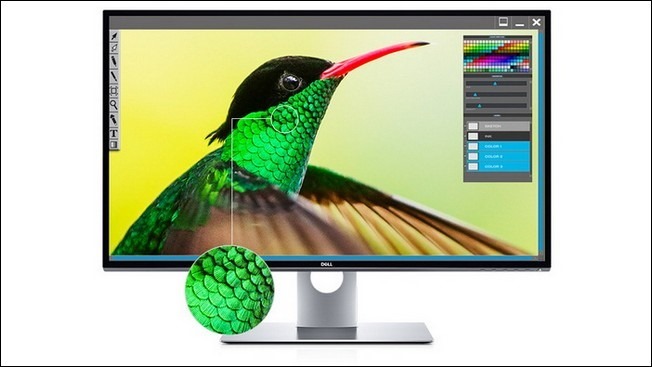
Does this mean 8K has no future at all? The answer may not necessarily be so. As image production technology advances and hardware computing power continues to improve, the cost of producing and playing 8K content is bound to gradually decline in the future. In professional creative fields or the large computer monitor market, 8K still has room to shine. In particular, when designers, engineers, or video professionals use large screens at close range, higher resolution can indeed provide a better working experience. However, for living-room entertainment, it will not be easy for 8K to replicate the success 4K had back then. Unless the content ecosystem, hardware performance, and consumer demand mature in sync, for most households 4K has likely already reached the most reasonable balance between image quality and cost. At least in the foreseeable future, 8K is more like a technology showcase than the next television revolution for everyone to upgrade to.
Source: KOCPC Chinese