


The Google Pixel Watch is undoubtedly an excellent smartwatch. As the “official benchmark” of the Android camp, it has successfully secured a place in the wearable device market thanks to its distinctive design, timely system updates, and stable battery life. However, Google seems to be single-handedly ruining this product’s future, because to unlock the watch’s full potential, you have to keep opening your wallet to subscribe to various services.
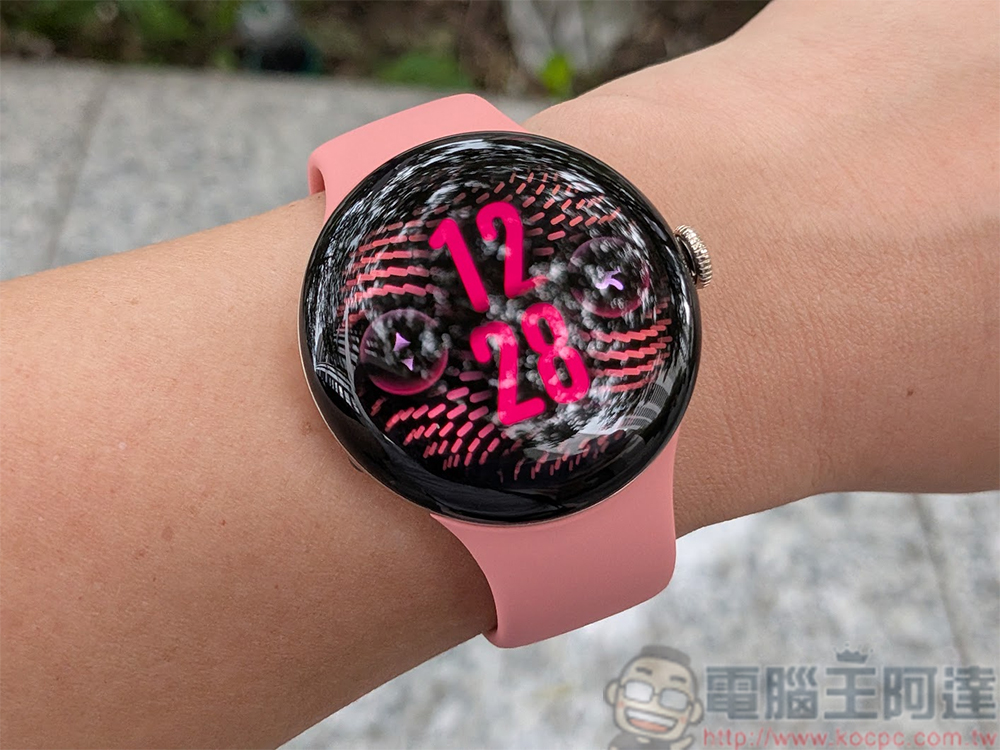
The Pixel Watch’s biggest rival isn’t competing products, but Google’s own “subscription wall.”
Fitness Health Analysis: The Sky-High Cost of Ownership
The most prominent paywall comes from Fitbit (Google Health Premium). Whether it’s AI fitness coaching, adaptive workout plans, or in-depth health data analysis and exercise tutorial videos, you have to pay $10 per month (or $100 per year).
These features are certainly useful, but when you do the math, they come at a high cost: after four years of wear, the subscription fee alone reaches as much as $400, almost enough to buy another brand-new Pixel Watch. By contrast, competitor Samsung’s latest Galaxy Watch 9 offers free health coaching and analysis features. Although the two differ in the details, for most users, the subscription-free Samsung experience is already more than enough.
You can keep treating the Pixel Watch as a basic fitness tracker—it still does the job—but it’s hard not to feel resentful: after all, Pixel phone users regularly get exclusive AI features for free, while watch users are forced to pay twice over.
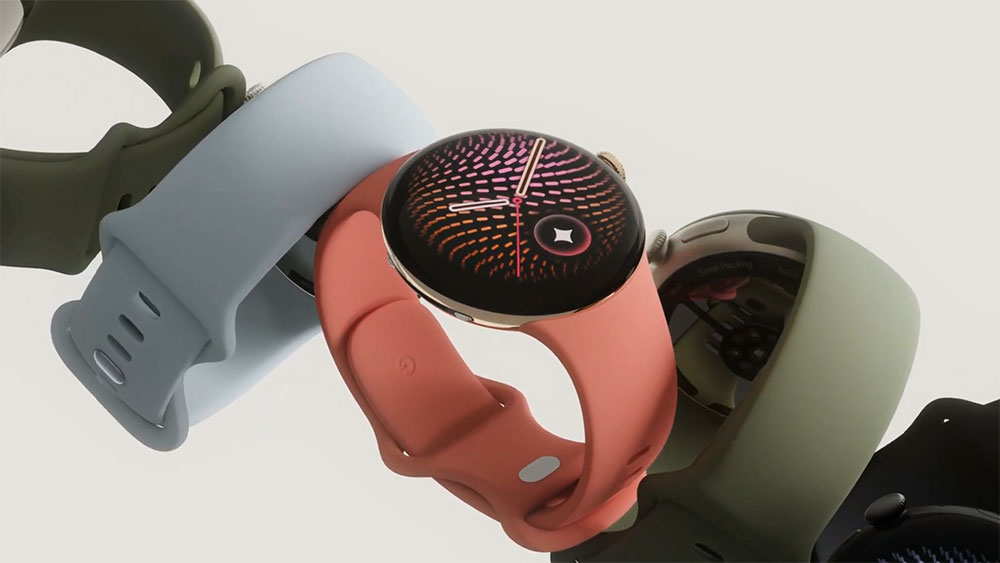
Security Protection Withdrawn: Forced to Bear Double Charges
Previously, users who bought the LTE version of Pixel Watch could subscribe to Google Health Premium and get Safety Signal’s automatic emergency calling and fall detection features even if the watch did not have an activated cellular data plan. However, after Google announced it was discontinuing the Safety Signal service, anyone who wants to keep using automatic emergency calling while running away from home without their phone must buy an additional data package from their carrier. Free emergency calls are still available, but for users who want complete safety protection, what used to require only one subscription now forces them to pay double—carrier fees + health subscription fees—which is effectively indirect pressure on users to switch to newer models with satellite SOS.
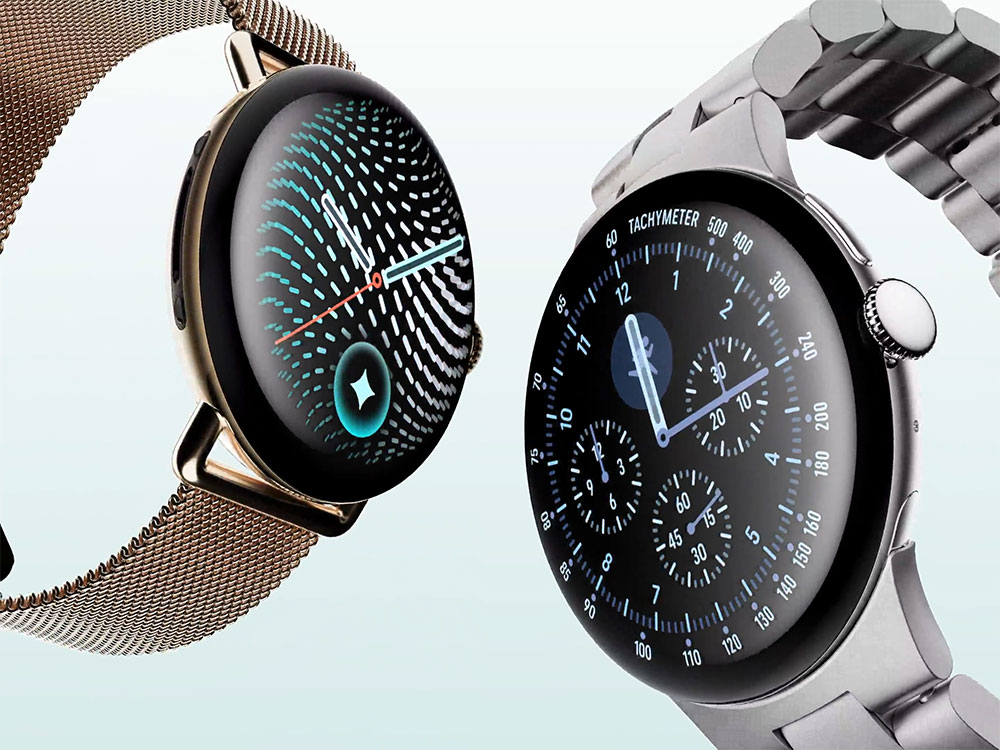
Gemini AI Upgrade: A Top-Tier Experience Comes at a High Price
Gemini AI was originally the biggest selling point that set Pixel Watch apart from its competitors, making voice interactions more natural and answers smarter. But to experience the most powerful AI, the paywall still stands in the way:
- Basic features: Free accounts only provide basic general knowledge Q&A (such as asking for travel recommendations or the origins of food).
- Google AI Plus ($5 per month): Unlock more advanced Gemini 3 models.
- Google AI Pro ($20 per month): only then can you use the most advanced Gemini 4 Argon model.
Although the subscription includes cloud storage, and everyday situations may not require a top-tier model, this tiered approach leaves users who want the best AI experience with no choice but to opt for a monthly subscription.
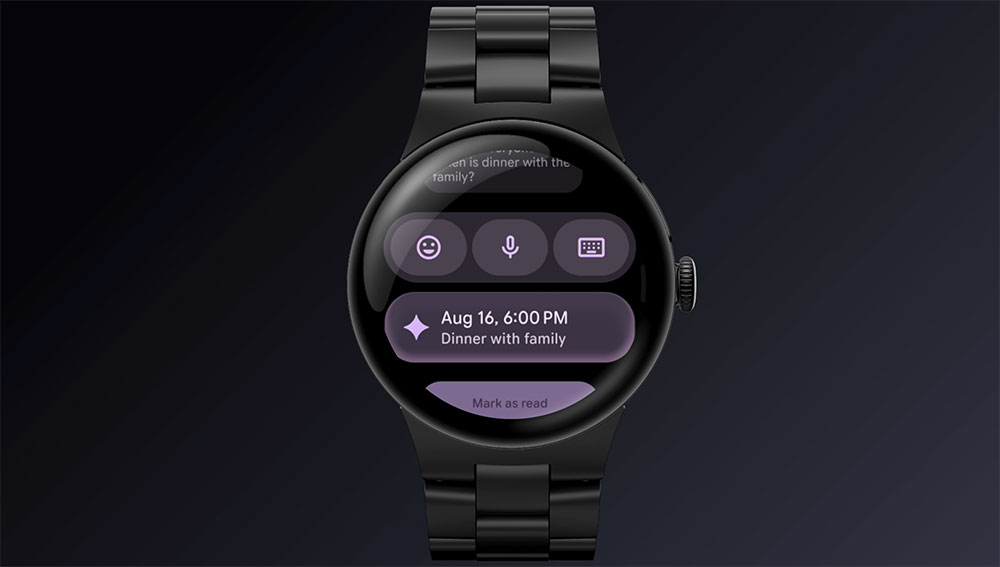
It is extremely difficult to completely bypass the Pixel Watch paywall. Although basic features remain available, the fact that “you must pay to unlock the full experience” is now established, and Google clearly has no intention of backing down in the short term. If you don’t want to be held hostage by a subscription model, there are more cost-effective options on the market: Samsung users can directly consider the Galaxy Watch 9 and enjoy free AI health coaching; those focused on running and health data can also choose the new Moto Watch Ultra.
The best way for consumers to respond is to “vote with their wallets” and refuse to pay for basic features that should work out of the box, so Google realizes that powerful hardware needs to be matched by a genuinely committed software ecosystem, not an endless stream of subscription bills.
Source: KOCPC Chinese