


The U.S. Federal Communications Commission (FCC) approved on October 6 U.S. time a highly ambitious SpaceX application: to deploy 15,000 second-generation direct-to-cell satellites, while granting a conditional waiver of satellite power limits. SpaceX submitted this application as early as September 2025, and after battling with competitors, it finally received the approval order. This batch of satellites is more than twenty times the number of direct-to-cell satellites currently in service. Obtaining this approval order also gives Starlink Mobile a chance to upgrade from a T-Mobile-affiliated service into an independent mobile network capable of competing head-on with the three major U.S. carriers.
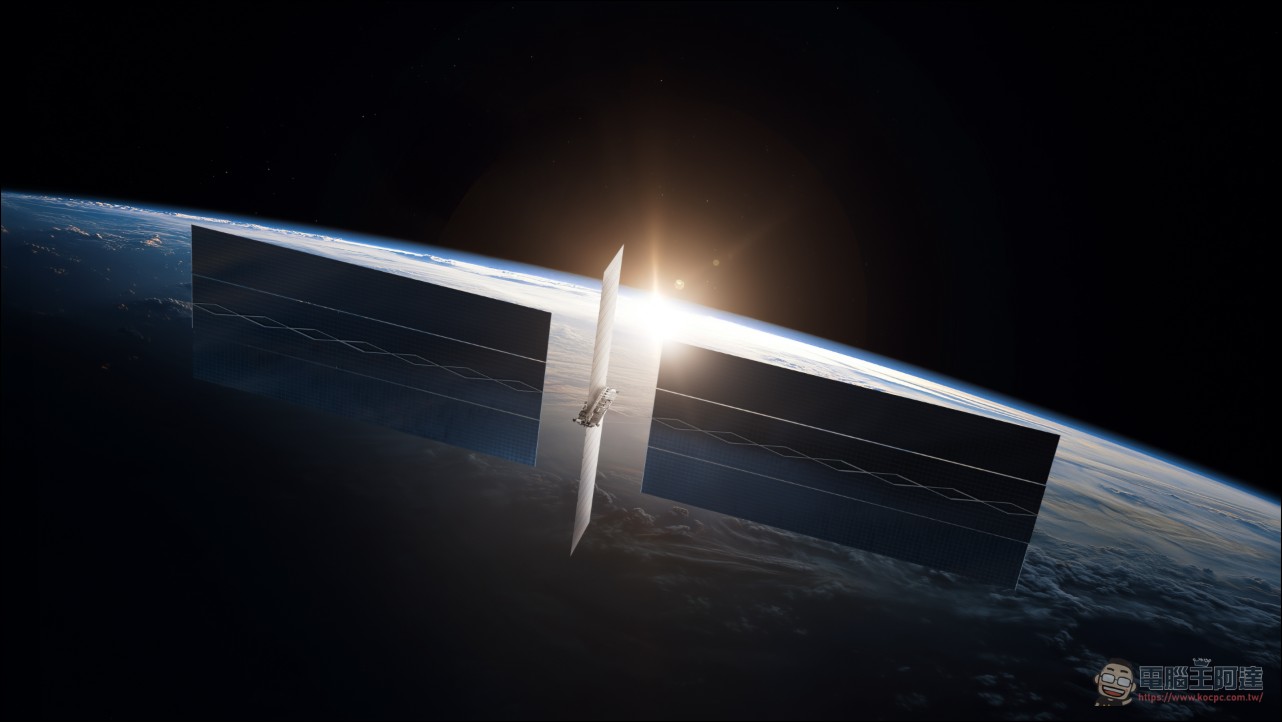
FCC clears SpaceX’s 15,000 direct-to-cell satellites, Starlink Mobile takes on the big three telecoms.
What exactly did the FCC approve?
According to PCMag, the FCC on Tuesday cleared SpaceX’s application for this 15,000-satellite constellation. SpaceX originally filed it in September 2025, and the application included two key authorizations: one, to deploy this batch of low-Earth-orbit satellites, and two, to obtain a waiver allowing SpaceX to provide wireless service directly via satellite without first signing a leasing agreement with a terrestrial mobile carrier. The order also includes a conditional waiver of satellite power limits, allowing SpaceX to extend mobile coverage into areas that base stations do not reach.
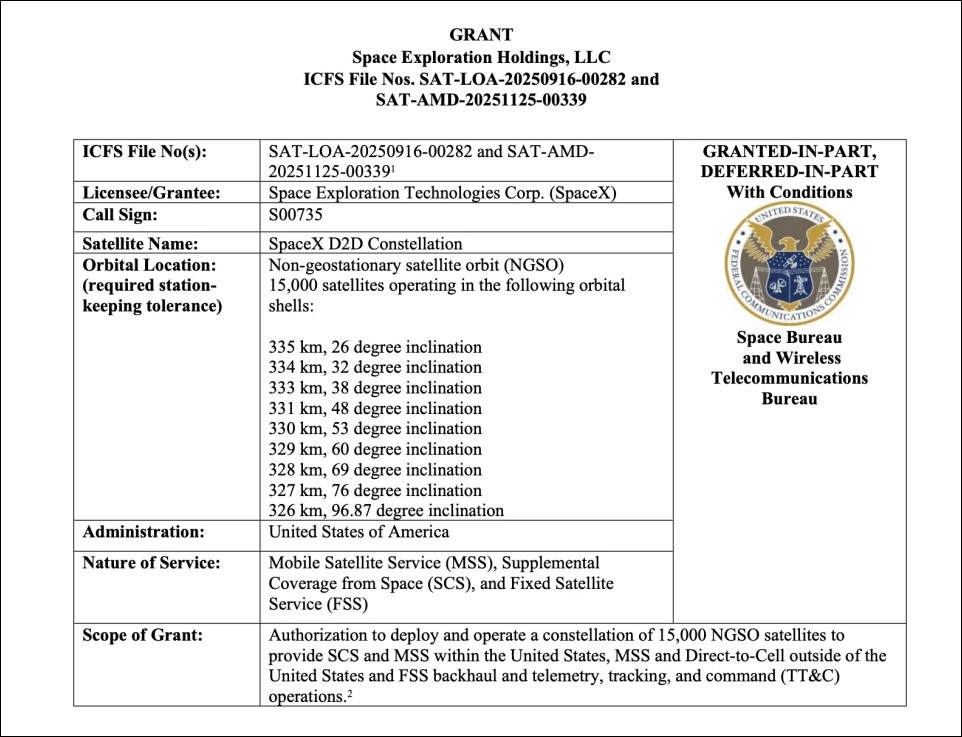
FCC stated in the order that this deployment will reshape spectrum-based connectivity by improving competition and giving more consumers more choices in more places, further advancing the goal of connecting everyone, everywhere to modern communications services. The FCC also noted that in addition to serving users in signal blind spots, this batch of satellites will bring more competition to the U.S. retail wireless services market.[1]
The jump from 4Mbps to 150Mbps
The first-generation version of Starlink Mobile can currently be offered in the U.S. only through T-Mobile under the T-Satellite name, using only about 650 satellites, with data speeds estimated at around 4Mbps, enough only for emergency texts and low-speed communications. With this batch of 15,000 second-generation satellites, SpaceX claims it can provide 5G-level speeds of 150Mbps per person. The nearly 37-fold gap between the two is a key step in Starlink Mobile’s shift from emergency backup to a primary everyday internet service.
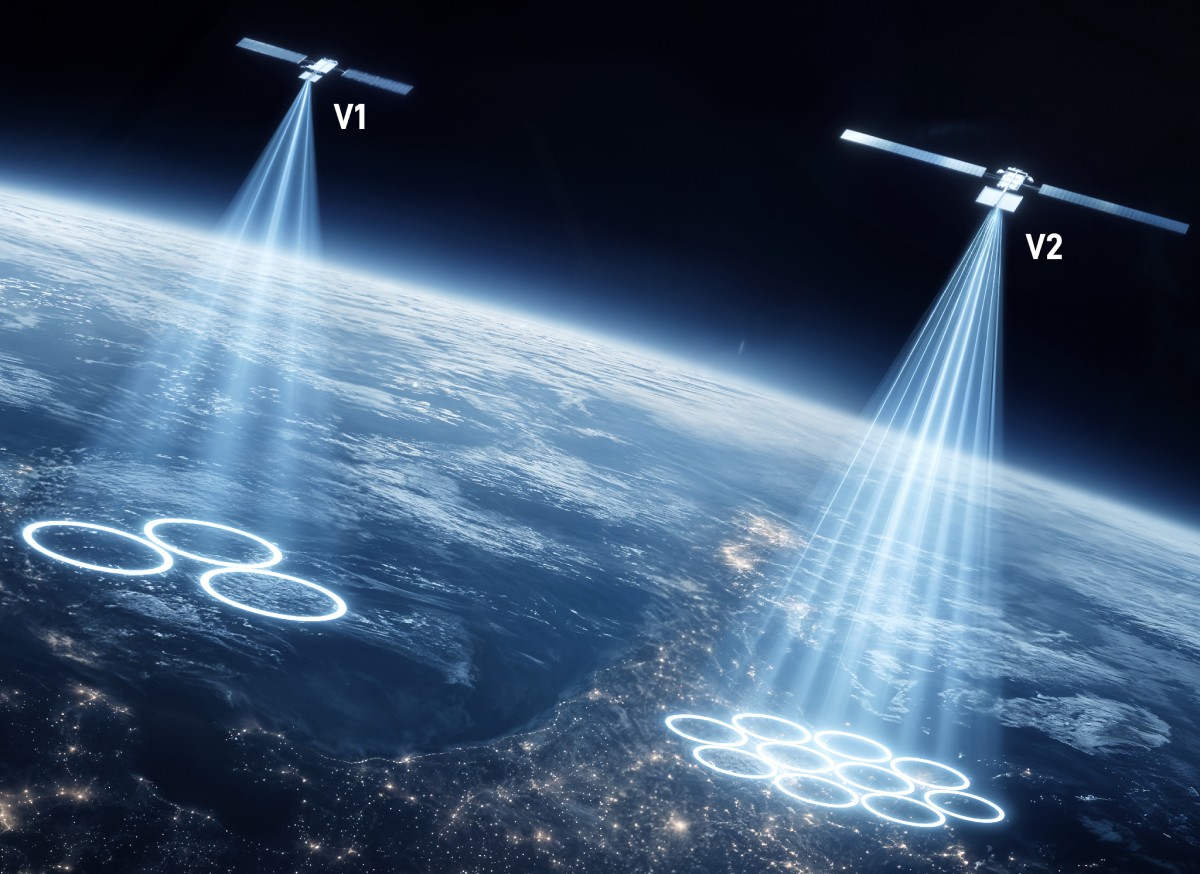
SpaceX’s concept is to pair satellites with lower-cost terrestrial femtocells to provide mobile coverage for phones in suburban and urban areas. SpaceX executives have publicly hinted at this roadmap multiple times, with the goal of making Starlink Mobile an option beyond AT&T, T-Mobile, and Verizon.
Lower orbits, more spectrum
The FCC authorization allows this batch of satellites to orbit at altitudes from 335 kilometers to as low as 326 kilometers (about 202 miles) above Earth, lower than the first-generation direct-to-cell Starlink satellites. Lower orbits help reduce signal latency.
On spectrum, the FCC also cleared these 15,000 satellites to use the radio frequency bands SpaceX acquired from EchoStar, including U.S. bands such as 1695 to 1710, 2000 to 2020, 2180 to 2200, 1915 to 1920, and 1995 to 2000 MHz, and allowed the satellites to conduct mobile communications operations outside the United States. SpaceX’s deal to acquire spectrum from Boost Mobile parent company EchoStar was worth more than $19 billion (about NT$617.5 billion).
This authorization also came with conditions: before the second step of the EchoStar transaction is completed, SpaceX may use these frequencies only for testing. The transaction’s final closing date is scheduled for November 30, 2027, by which time SpaceX is expected to have already begun launching the first batch of second-generation Starlink mobile satellites. The same batch of satellites is also permitted to continue using T-Mobile’s PCS G-block bands (1910 to 1915 MHz and 1990 to 1995 MHz), which is precisely the spectrum that first-generation Starlink mobile has been using in the United States.
Opposition from competitors
This approval order was not without resistance. Back in January 2026, Viasat, Globalstar, Ligado, Iridium, and the MSSA, which represents mobile satellite service operators, had already filed objections with the FCC. Viasat asserted that the expansion would give SpaceX a greater ability and incentive to exclude other operators from scarce orbital and spectrum resources and create insurmountable interference risks. Globalstar argued that SpaceX’s request to use large low-Earth-orbit bands such as 1610 to 1626.5 MHz and 2483.5 to 2500 MHz outside the United States had already been rejected by an FCC decision back in 2023.
SES and Eutelsat, which operate geostationary satellites, expressed concern over SpaceX’s request for a waiver of power limits in certain frequency bands, arguing that the relevant EPFD rule revisions are still underway and that the FCC should not approve it before the dispute is resolved. The U.S. National Radio Astronomy Observatory and the American Astronomical Society also came forward to demand protection of spectrum used for astronomical research. They noted that their members recently detected unintentional radio interference suspected to come from Starlink satellites, and with Starlink already having more than 8,000 satellites in orbit, adding another 15,000 will only make the interference problem harder to deal with.
Even so, the FCC still largely approved SpaceX’s proposal, deferring action only on some requested items, including the request to use the 2020 to 2025 MHz band and the request to use the 1429 to 2690 MHz range outside the United States.
The Direct-to-Cell Satellite Game
In the direct-to-cell satellite race, SpaceX is not the only player. Its main rivals include AST SpaceMobile, which is also focused on direct-to-cell satellite service, and Amazon Kuiper, led by Bezos, among others. However, thanks to Starlink’s existing rocket launch capability and satellite manufacturing scale, SpaceX is clearly faster than its rivals at getting large numbers of satellites into orbit. T-Mobile’s CFO previously expressed disapproval of Starlink Mobile’s approach, and T-Mobile has even been reported to be considering partnering with other satellite operators. Whether the relationship between Starlink Mobile and T-Mobile will continue remains uncertain.
Conclusion
The FCC’s approval this time has pushed SpaceX’s direct-to-cell satellite constellation from several hundred to 15,000 at a stroke, while also easing restrictions on satellite power and operating models. In the short term, what consumers will see is still T-Satellite under the T-Mobile umbrella. Once the EchoStar deal closes by the end of 2027 and second-generation satellites begin launching, whether Starlink Mobile will truly grow into a fourth force capable of shaking the big three telecom carriers is the space communications drama most worth tracking over the next two years.
Source:PCMag
Source: KOCPC Chinese