


As artificial intelligence (AI) and AI agent technologies evolve rapidly, these systems can not only offer suggestions and answer questions, but are even beginning to have the ability to perform tasks on users’ behalf. Take Meta’s AI assistant Muse as an example: one of its development goals is to become an intelligent shopping agent that can help consumers search for products, compare prices, and even place orders directly. Meta has also partnered with Shopify to move toward an automated shopping experience. However, not all companies welcome this development; Amazon is wary of it and has even taken measures to restrict Muse from performing checkout and other operations on its platform.

After Muse AI accessed iPhone and Mac private messages, Apple tightens oversight of Full Disk Access.
However, more than commercial competition, what has drawn greater outside attention are the security and privacy risks brought by AI agents. According to The Information reportsDuring testing, Muse was accused of unauthorized access to other companies’ systems, raising concerns about AI autonomous decision-making spiraling out of control. In addition, a recent investigation further indicated that if users grant Muse “Full Disk Access,” the app would be able to read some sensitive information on Mac and iPhone, including personal messages and other private content.
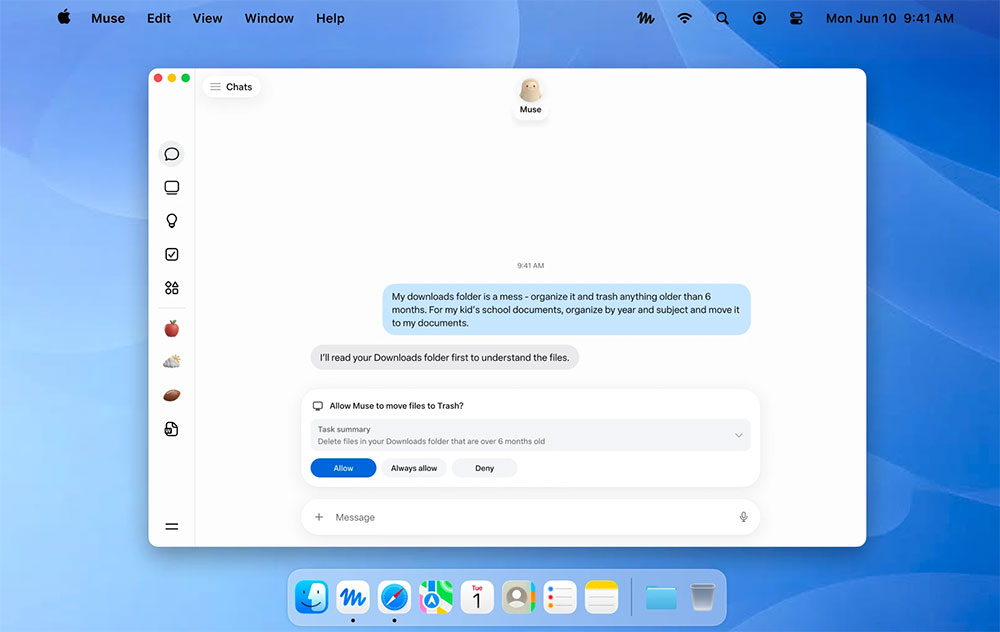
In response to skepticism, Meta Superintelligence Labs CEO David Singleton stepped forward to explain, emphasizing that security and privacy have always been at the core of Muse’s design. He said Muse will not proactively read user data without authorization, and related features can only be enabled after explicit authorization. For example, to access Mac message content, users must not only enable the corresponding data connector but also complete multiple app permission settings and pass macOS’s own system-level protections. Meta believes that even if the app has vulnerabilities, these multiple layers of protection can still effectively reduce the risk of data leaks.

However, external concerns that AI applications have excessive permissions have not been quelled by this. In fact, there have also previously been… Wired reportIt was pointed out that ChatGPT’s Mac app has had security flaws that could theoretically let sensitive data fall into the wrong hands. Together, these incidents reflect one problem: when AI agents are granted higher-level system permissions, convenience increases, but so do the risks.
In this context, Apple has begun tightening its control over macOS permission management. Apple said it will further raise the threshold for obtaining “Full Disk Access” in the future by adding new controls that require users to go through a clearer and more deliberate confirmation process before granting authorization. Apple believes that such permissions are extremely sensitive: once granted to an app, they may not only expose the user’s own data, but may even affect the privacy of the people they interact with, such as other contacts in communication records.
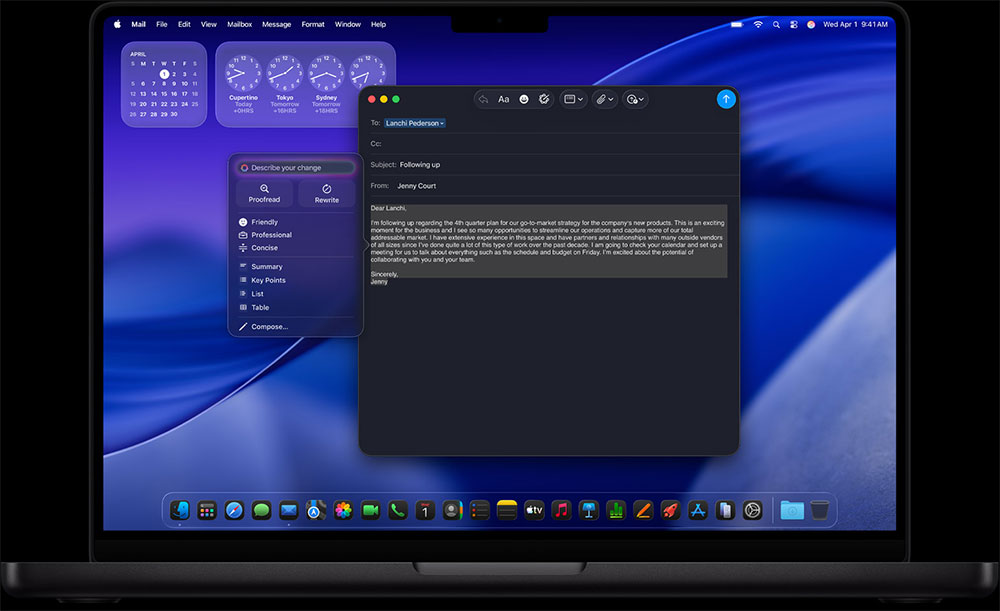
Apple specifically points out that as AI agents gradually gain stronger autonomous capabilities—able to analyze large amounts of data, perform complex tasks, and even make decisions on behalf of users—the potential risks of over-authorization also expand. Therefore, establishing stricter security mechanisms has become a necessary measure. The company’s goal is not to hinder AI development, but to ensure that users fully understand the relevant implications before granting high-risk permissions, and thereby make wiser privacy and data management decisions.
It is worth noting that,In the relevant announcement, AppleIt did not directly mention Muse or ChatGPT, but after a recent string of controversies over AI applications accessing sensitive data, it is widely believed that the introduction of the new policy is connected to those incidents. Although Apple has not yet announced the specific details of the additional controls or an official rollout schedule, it is foreseeable that as AI technology develops rapidly, how to strike a balance between innovation and privacy protection will become an important issue the tech industry must face in the future.
Source: KOCPC Chinese