


In recent years, the design language of smartphones has gradually shifted toward minimalism—body lines have become sharper, bezels continue to shrink, and buttons and openings are being streamlined wherever possible. Yet within this pursuit of simplicity and aesthetic appeal, there has always been one contradiction that’s hard to ignore: the increasingly prominent camera module on the back of phones. Whether it’s the iPhone or major Android flagships, the bulky lens area has almost become a shared hallmark of modern smartphones—and the biggest obstacle on the road to minimalist design.
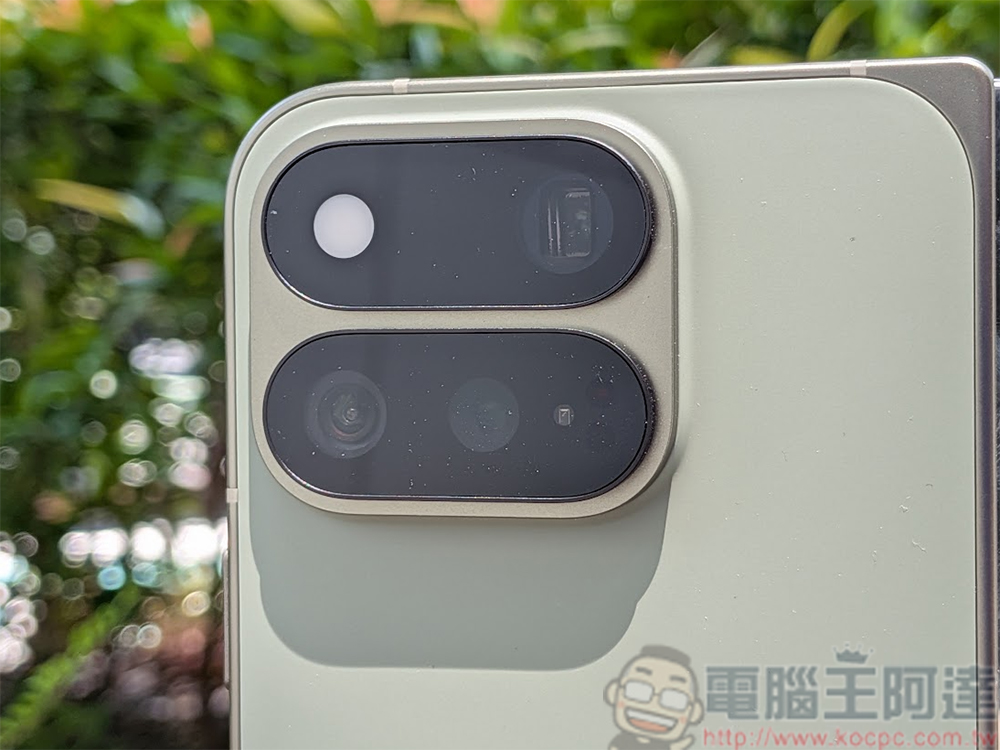
Why do the camera lenses on modern smartphones protrude so much?
The reason for this phenomenon is that phone manufacturers continuously pursue superior camera capabilities while having to maintain a slim body design. As consumers demand increasingly higher photo quality, smartphone cameras need to be equipped with larger image sensors, higher-magnification optical zoom systems, and more complex lens structures—all of which require actual physical space to accommodate, yet the internal space inside a phone is already very limited. Rather than significantly increasing the overall thickness of the device, which would affect grip comfort and portability, most brands choose to extend some camera components outward, resulting in the noticeable camera bump.

From a technical standpoint, this design is a trade-off that manufacturers have no choice but to accept. A larger sensor can capture more light, thereby improving image clarity, dynamic range, and low-light performance. Generally speaking, the larger the sensor, the better the image quality, which is why manufacturers have been adopting higher-spec image sensors in recent years. However, sensors have a fixed physical size, and pure software algorithms cannot replicate their hardware advantages. Given current technological constraints, improving light sensitivity requires reserving enough space for the sensor, which makes thicker camera modules nearly unavoidable.

Besides sensors, optical zoom technology is also a major reason driving the continued enlargement of camera modules. When a lens needs to provide higher magnification zoom capability, it must have a longer focal length, and a longer focal length means that a greater optical distance must be maintained between the lens and the sensor. To achieve this within the limited body space, manufacturers have designed special structures such as periscope-style lenses, which use mirrors to redirect light and create a longer optical path inside the phone. Although this approach effectively improves zoom capability, it also increases the size and complexity of the hardware.

On the other hand, modern flagship smartphones are rarely equipped with just a single lens. Combinations of wide-angle, ultra-wide-angle, telephoto, and even macro lenses are gradually becoming the mainstream configuration, with each lens handling different shooting tasks to suit various usage scenarios. As the number of lenses increases, each lens and sensor requires its own dedicated space, ultimately causing the camera module to grow larger. Combined with optical image stabilization, laser autofocus sensors, and other auxiliary components, the rear camera area naturally becomes more prominent.
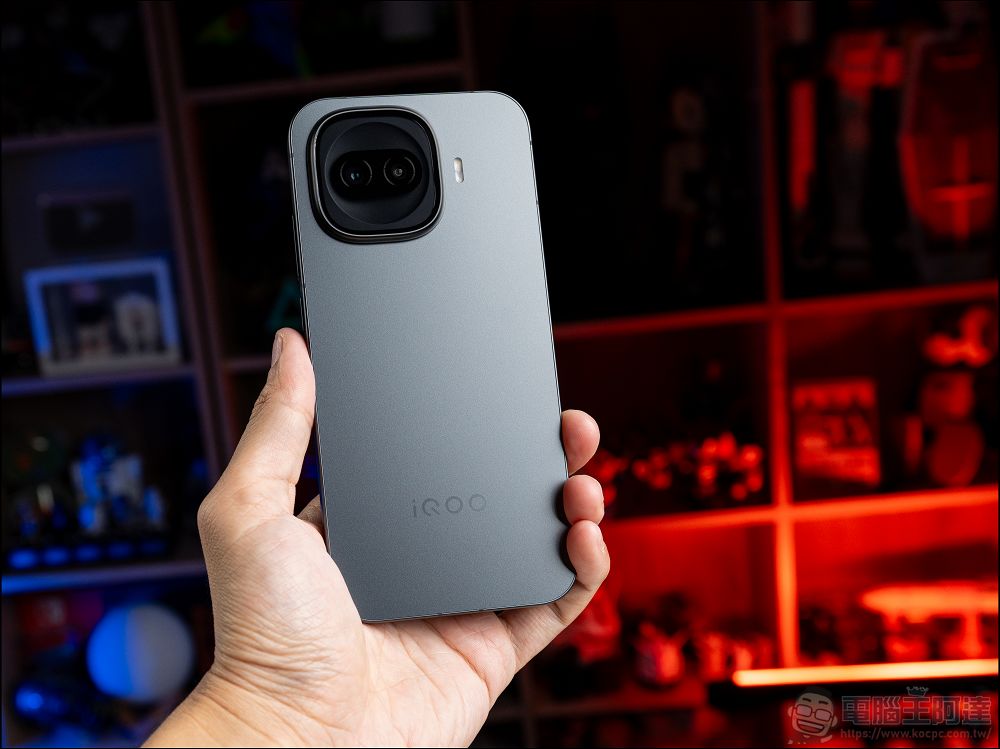
Therefore, the camera bump on the back of smartphones is not merely a design choice but an inevitable outcome of current imaging technology development. Consumers want a better photography experience, while manufacturers must strike a balance between device thickness, aesthetic design, and camera performance. Until revolutionary sensor or optical technology emerges, the camera bump is likely to remain a feature that high-end smartphones can hardly escape. In other words, when camera capability has become one of the most important competitive edges for flagship phones, sacrificing some degree of body flatness in exchange for superior image quality remains a widely accepted trade-off in the industry today.
Source: KOCPC Chinese