


In the past, most computer hardware fraud incidents were caused by stolen goods, not the brand. However, an exaggerated incident has recently been reported, and the well-known hardware review media NotebookCheck exposed it.ChinaLaptop brand Chuwi has two modelsLaptop Powered by CoreBook X and CoreBook Plusprocessor, completely different from the official label. Not only the performance may be 20% lower at worst, but the truth is also concealed by tampering with the BIOS firmware. There is no way to know it until it is opened.
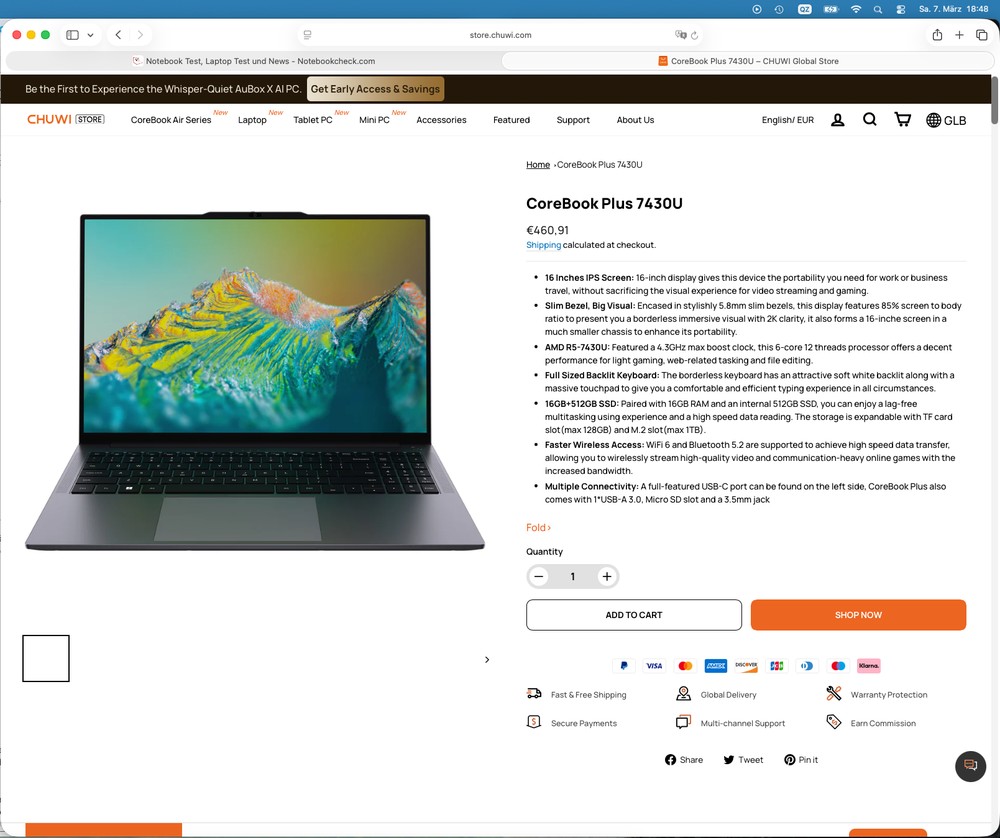
Image source: NotebookCheck
NotebookCheck teardown reveals Chuwi laptop CPU specification fraud
The incident initially occurred in early March 2026 when NotebookCheck Chuwi CoreBook X Discovered during routine review. The specifications of this laptop are marked as being equipped with AMD Ryzen 5 7430U processor. In the Windows system, BIOS settings, and even professional hardware detection tools such as CPU-Z and HWiNFO64, Ryzen 5 7430U is displayed. It seems to be no problem at all:
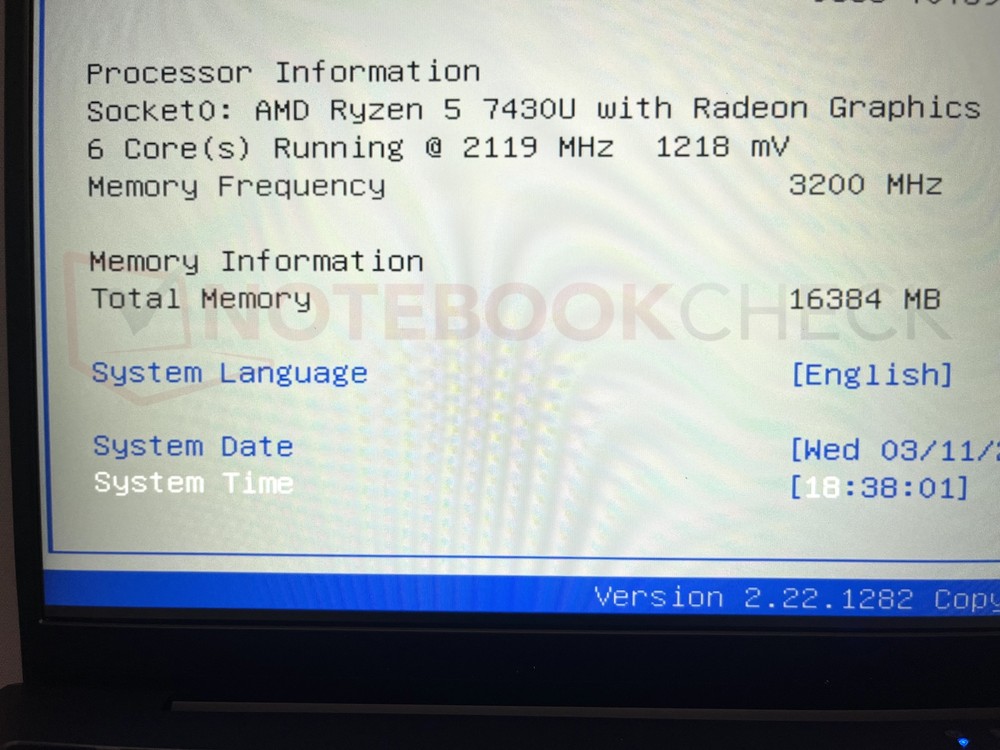
Image source: NotebookCheck
However, NotebookCheck found something “wrong” with the performance data, so it decided to directly disassemble the machine and check the OPN number (AMD original part number) on the processor. The result was shocking: “100-000000375” was printed on the chip. This set of numbers corresponded to the older Ryzen 5 5500U, not the 7430U claimed by Chuwi (OPN is 100-000001471). In other words, not only is the processor misplaced, but the identification information of the processor is also deliberately modified at the firmware level:
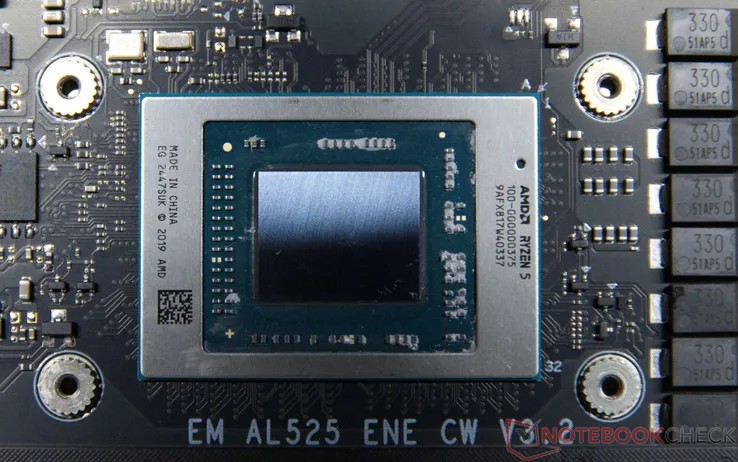
Image source: NotebookCheck
After Chuwi learned of the report, instead of responding directly, he asked NotebookCheck to remove the article, claiming that the report had damaged the brand’s reputation, and even threatened to take legal action. However, this approach did not achieve the effect. Instead, it stimulated NotebookCheck to investigate and subsequently purchased another Chuwi laptop from a reputable retailer in Germany. CoreBook Plus(priced at about $535), this one also boasts a Ryzen 5 7430U. After disassembling and inspecting the machine, the results were exactly the same. Ryzen 5 5500U was installed inside, and the firmware had also been tampered with:
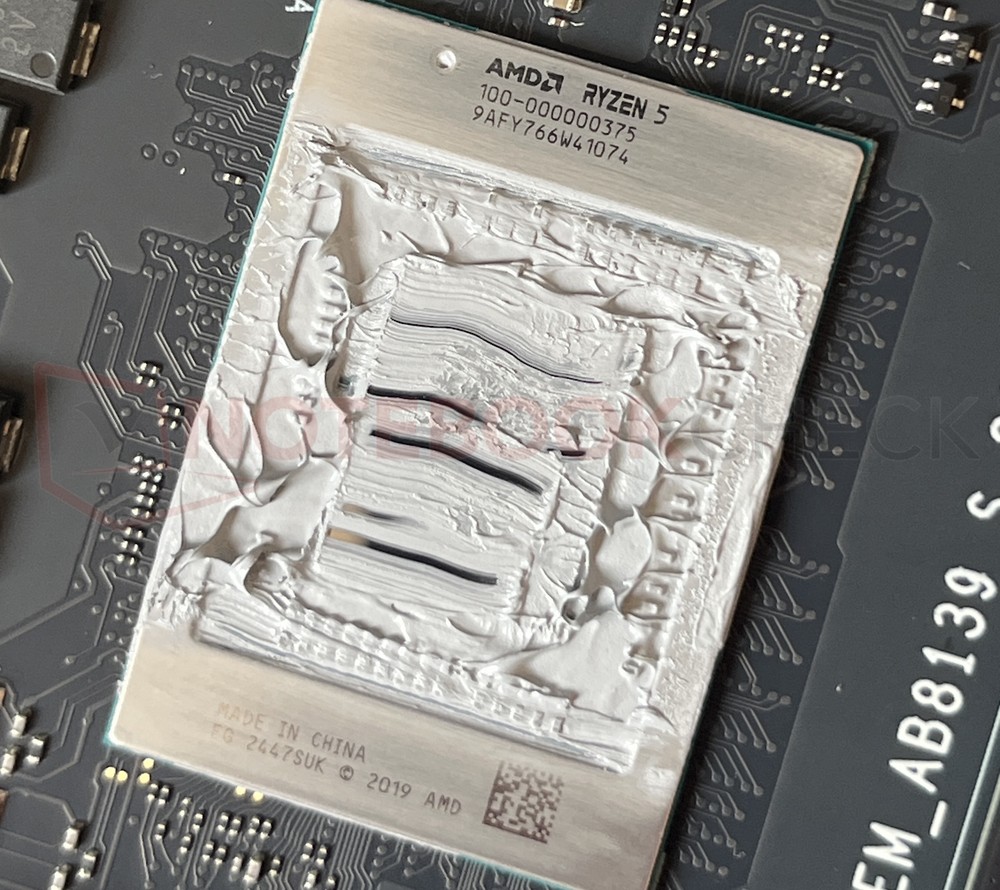
Image source: NotebookCheck
More importantly, CoreBook
Ryzen 5 7430U is AMD’s newer generation processor. It has several upgrades compared to the 5500U. In addition to the base clock being 200 MHz higher and the maximum acceleration clock being 300 MHz higher, the L3 cache has doubled from 8 MB to 16 MB. Therefore, in actual use, the performance of the 7430U is about 7% faster than the 5500U. In addition. CoreBook X also has the limitation of single-channel memory, and the performance gap will widen to about 10%. Under certain workloads, the gap even reaches 20%:
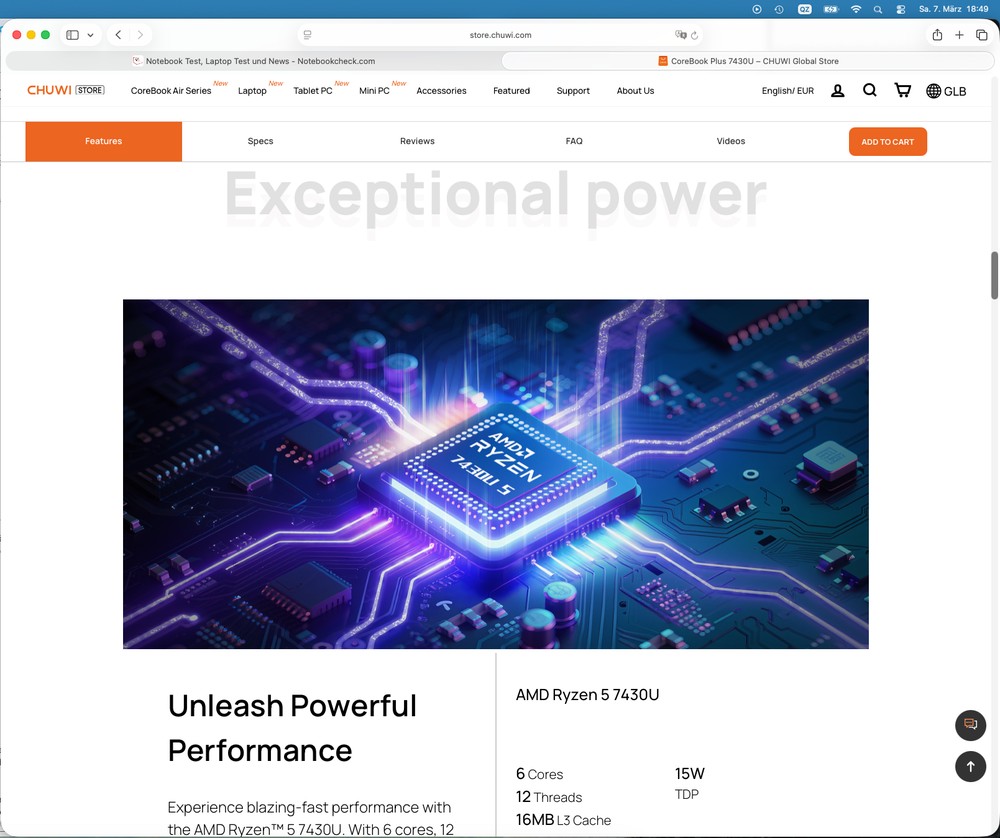
Image source: NotebookCheck
For ordinary users, the effect may not be obvious when doing daily documents or surfing the Internet, but if they are running multitasking, video editing or program development, the impact will be more obvious. What’s more important is that consumers paid the price of 7430U, but only got the performance of 5500U. No one will be happy.
As for why? Most speculations at present are cost considerations. The Ryzen 5 5500U is an older chip and costs less than the 7430U, so the savings are considerable when shipping in large quantities. Moreover, through tampering at the firmware level, it cannot be easily discovered under normal circumstances. If it were not for this NotebookCheck disassembly and verification, it might never have been exposed.
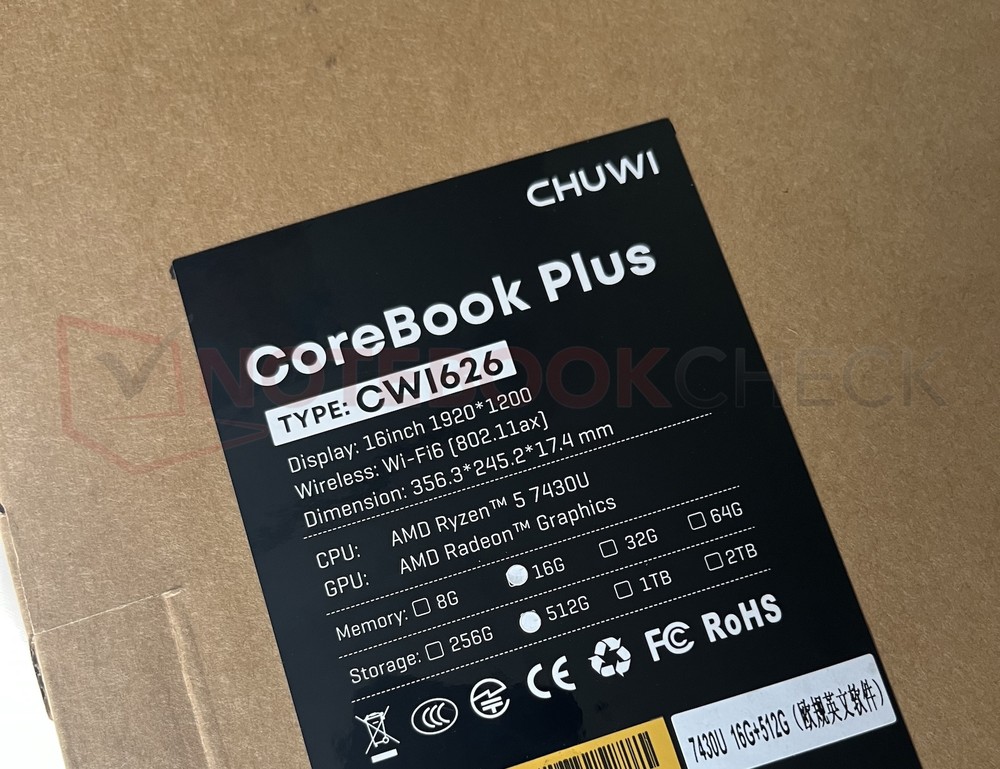
Image source: NotebookCheck
Source: KOCPC Chinese