


Earlier this week, Nintendo officially released its financial results for the first quarter of fiscal year 2027, covering April to June 2026, and the figures revealed a rather unusual gap between the company’s revenue and profit performance.
According to their public report, Nintendo’s net sales for this quarter were ¥517.8 billion, a 9.5% decline from last year. Even so, operating profit surged 150.5% to ¥142.6 billion, while ordinary profit also rose 115.1% to ¥206.1 billion. Net profit attributable to parent company shareholders increased 53.5%, reaching ¥147.4 billion.
There are two main reasons for this phenomenon. First, software’s share of total sales this quarter surpassed that of the same period last year, and this segment can generate significantly higher profit margins than hardware. Additionally, Nintendo received a refund of U.S. IEEPA tariffs, which had been included in cost of sales in prior periods, so this refund further boosted Nintendo’s profit performance for the quarter. However, this is clearly a one-time gain.
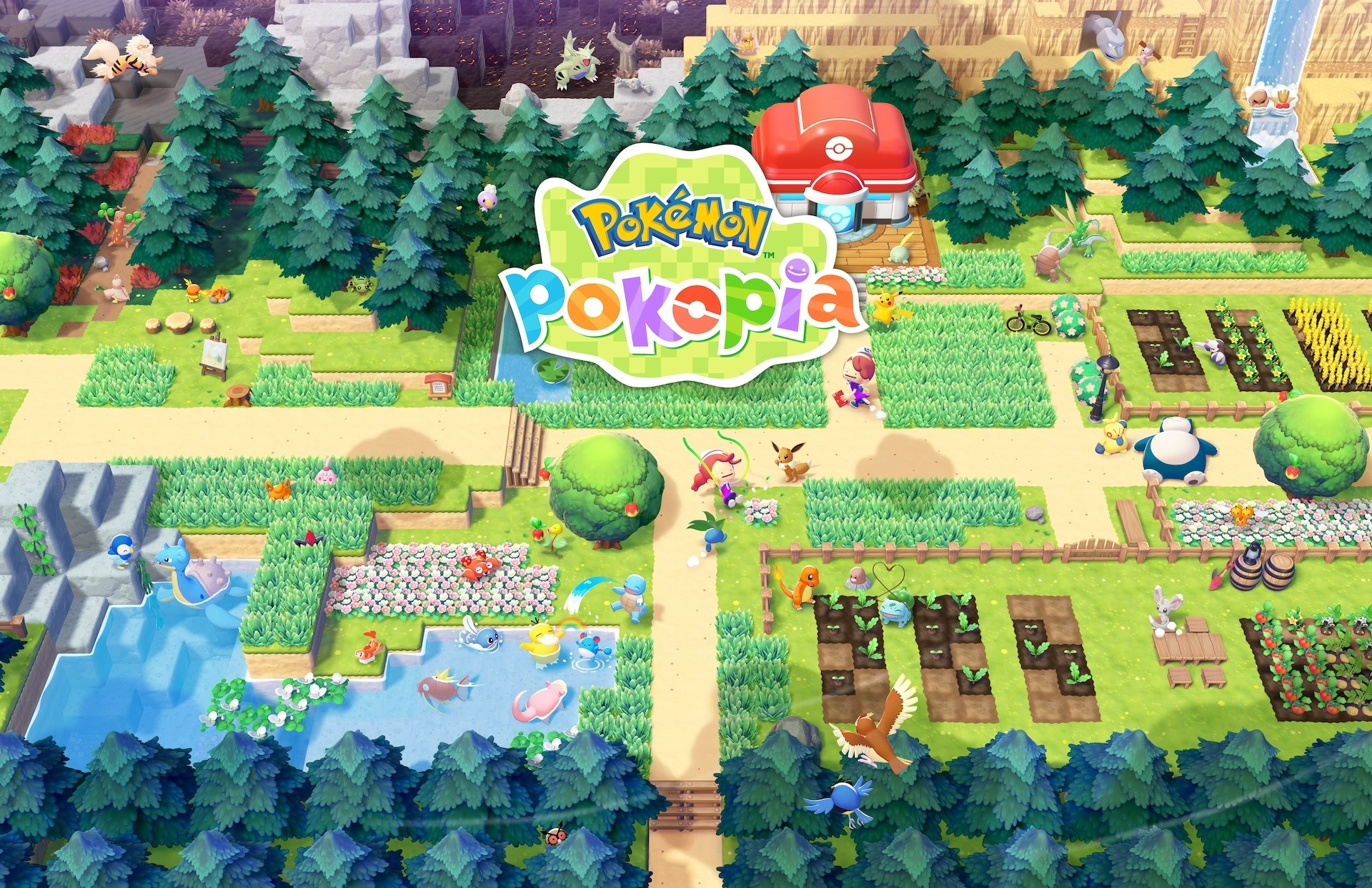
On the hardware side, the current-generation console Nintendo Switch 2 continues to show strong sales momentum. In this quarter alone, the system sold an impressive 3.82 million units worldwide, bringing its lifetime total to 23.68 million units. Software sales for the quarter reached as high as 9.46 million copies, with steady contributions from Yoshi and the Mysterious Picture Book released in May and Star Fox in June, while the life simulation game Pokémon Pokopia from the previous fiscal year also continues to sell well.
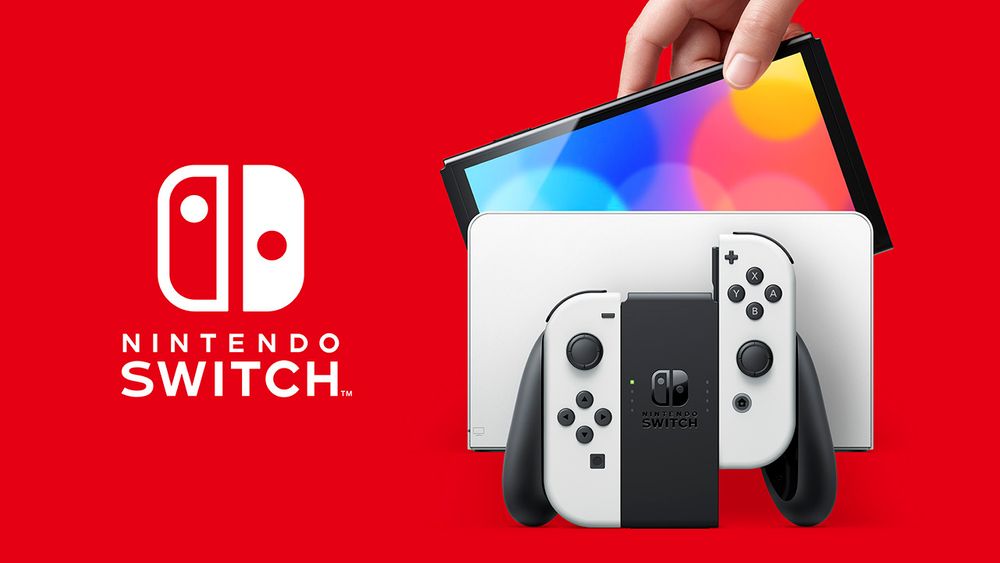
As for the original Nintendo Switch, it sold 660,000 units this quarter. Although its global lifetime sales have already reached an impressive 156.59 million units, the console itself appears to be nearing the end of its lifecycle. However, if it can reach 160 million units before production ends, it will surpass the PS2 to become the best-selling game console in history.
Since the NS2 supports games from the original console, NS software sales remain quite impressive. For instance, “Friend Collection: Dream Life,” released in April, has sold 7.94 million units to date. Nintendo specifically noted that this game has shown strong growth, while sales of other NS games have also remained steady, bringing total quarterly sales to 33.81 million units.
As for digital game sales, the combined digital sales across Nintendo’s platforms reached a staggering 132.7 billion yen this quarter, surging 90% compared to last year, and the “key card” design for physical games also contributed significantly to this figure. On the other hand, Nintendo’s IP-related businesses, such as licensing, merchandise, and movies, also saw impressive growth, with revenue up 107.4% year-over-year, totaling 34.8 billion yen. Nintendo also confirmed that this was largely driven by the Super Mario Galaxy Movie, which was released earlier this year.
However, it is worth noting that Nintendo did not make any adjustments to its full-year financial performance forecast announced on May 8. At that time, they projected total net sales of 2.05 trillion yen for the full fiscal year, a decline of 11.4% from the previous year, with operating profit and ordinary profit expected to reach 370 billion and 430 billion yen, respectively, while profit attributable to parent company shareholders was expected to reach 310 billion yen.
As for its performance in the remaining financial quarters this year, Nintendo is also highly confident—thanks of course to the many key titles launching on the NS2 platform this year, including *Rhythm Heaven: Miracle Stars* and *Splatoon: Splat Attack*, which were already released in July, along with the upcoming *Fire Emblem: A Thousand Threads* and *Nintendo Switch Sports Resort*, plus the highly anticipated flagship title *The Legend of Zelda: Ocarina of Time Remake*, scheduled for release within the year.
Source: KOCPC Chinese