


Google will unveil the 11th-generation Pixel smartphones at its “Made by Google” event on August 12. Based on current information, the new lineup is expected to include the Pixel 11, Pixel 11 Pro, Pixel 11 Pro XL, and the first-ever Pixel 11 Pro Fold. Although Google has always been tight-lipped about hardware details, industry observers widely expect the Pixel 11 series to introduce six new features, with the potential to surpass Samsung in certain experiences.

Google Pixel 11 series will adopt dynamic pricing — what could this mean?
However, the focus of this year’s smartphone market is not limited to spec upgrades. The ongoing global memory supply crunch has already driven up prices for several Apple products, and the Pixel 11 series appears unlikely to escape the same fate. Most rumors indicate that the starting price of the standard Pixel could be around $100 higher than the previous generation. That said, Google doesn’t seem to be planning a fixed price increase—instead, it appears to be preparing a more flexible pricing strategy.
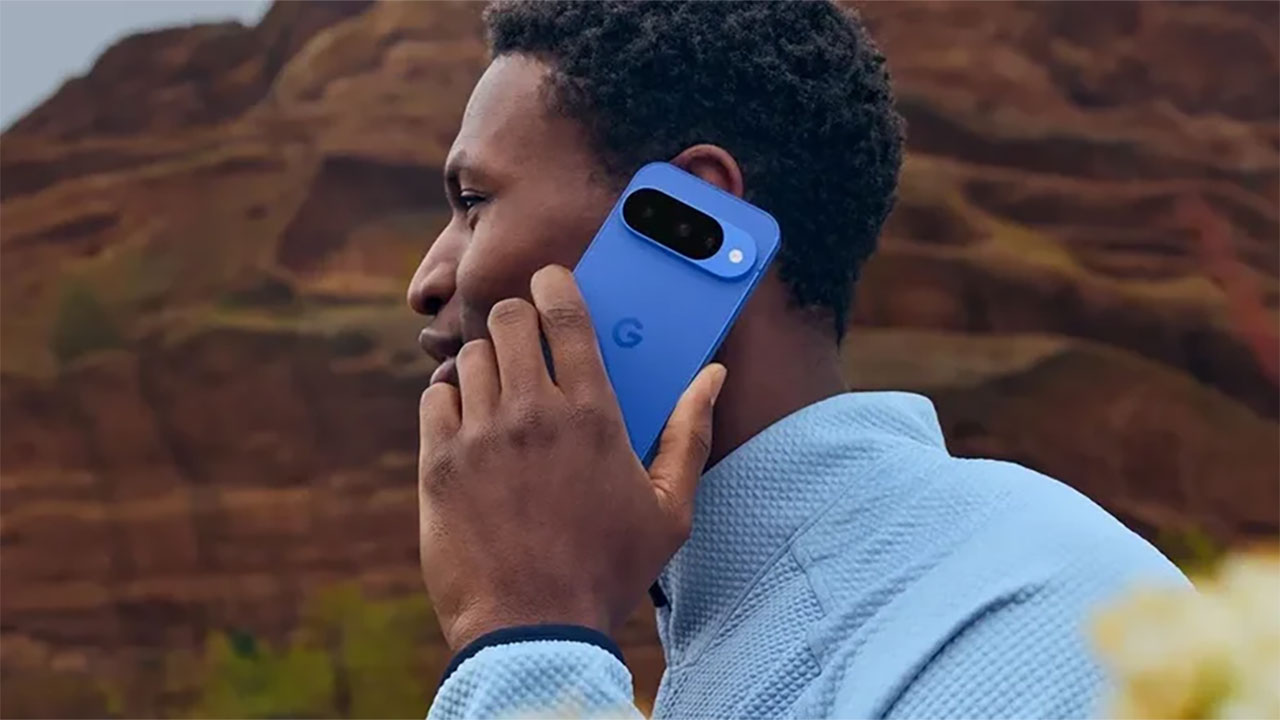
Google’s Vice President of Devices and Services, Shakil Barkat, recently in an 9to5Google During the interview, he stated that the Pixel’s price would be “dynamically adjusted based on actual supply conditions,” a remark that immediately sparked discussion, since dynamic pricing is not standard practice in the smartphone industry. Consumers have begun to worry that Pixel prices in the future might fluctuate like airline tickets or hotel rates—even with identical hardware specifications, the price could still change due to fluctuations in component costs, making getting a “good deal” potentially a matter of luck.

Google Pixel 11 Dynamic Pricing: Where Things May Be Heading
In mid-July 2026, Amazon product listings leaked the latest price references for the Pixel 11 series: the Pixel 11 at $899, the Pixel 11 Pro at $1,099, the Pixel 11 Pro XL at $1,299, and the Pixel 11 Pro Fold at a hefty $1,899. These starting prices are generally $100 higher than the 2025 predecessor models. Rumors also indicate that the base storage capacity for the Pixel 11 and Pixel 11 Pro will double to 256GB, partially offsetting the sting of the price increase.
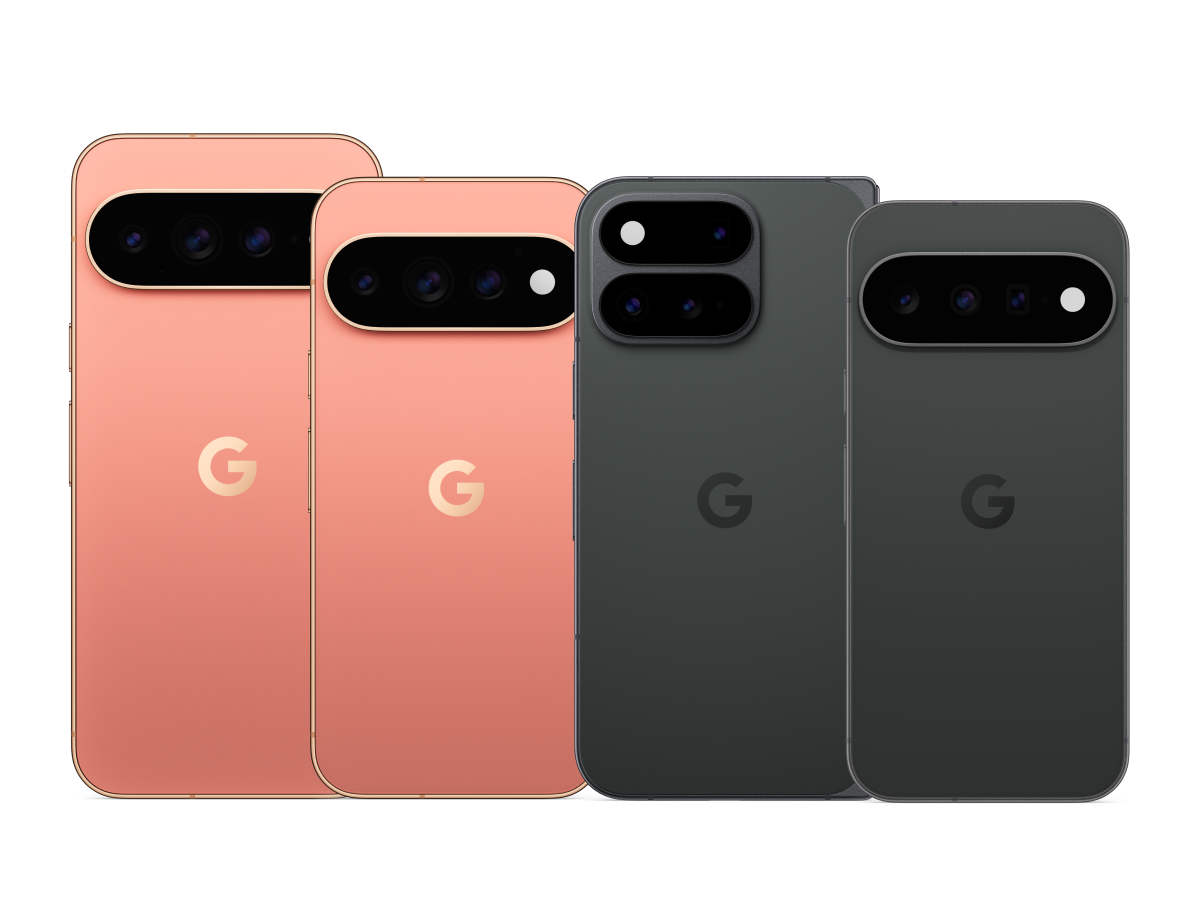
If Google ultimately adopts a dynamic pricing model, it means Pixel prices will adjust based on component costs and supply conditions. For example, a Pixel 11 might be $899 this week, but if the cost of the next batch of memory rises, it could become $1,000 next week. If this model is successfully implemented, it could even become a direction that other phone brands follow.
For consumers, this change could bring new hesitation: should they wait for the Pixel 11, or grab the previous-generation model while prices are still stable? However, aside from Barkat’s remarks, there is currently no concrete sign that Google is preparing to fully adopt dynamic pricing anytime soon. At least in the foreseeable future, Pixel’s pricing strategy is likely to remain traditional.
Source: KOCPC Chinese