


Everyone should remember that when the iPhone Air was launched last year, the market generally believed that the iPhone Air only equipped a single lens and sacrificed battery capacity, port data transmission speed and speaker sound quality for the sake of thinness and lightness. It might not be favored by consumers, and it would be difficult to compete with many Android flagship phones with better specifications and cheaper prices at the same price. The market at that time was also confused. iPhone Air is slow to sellnews. However, according to the latest data from Ookla Speedtest Intelligence for the fourth quarter of 2025, the answer may surprise most people.
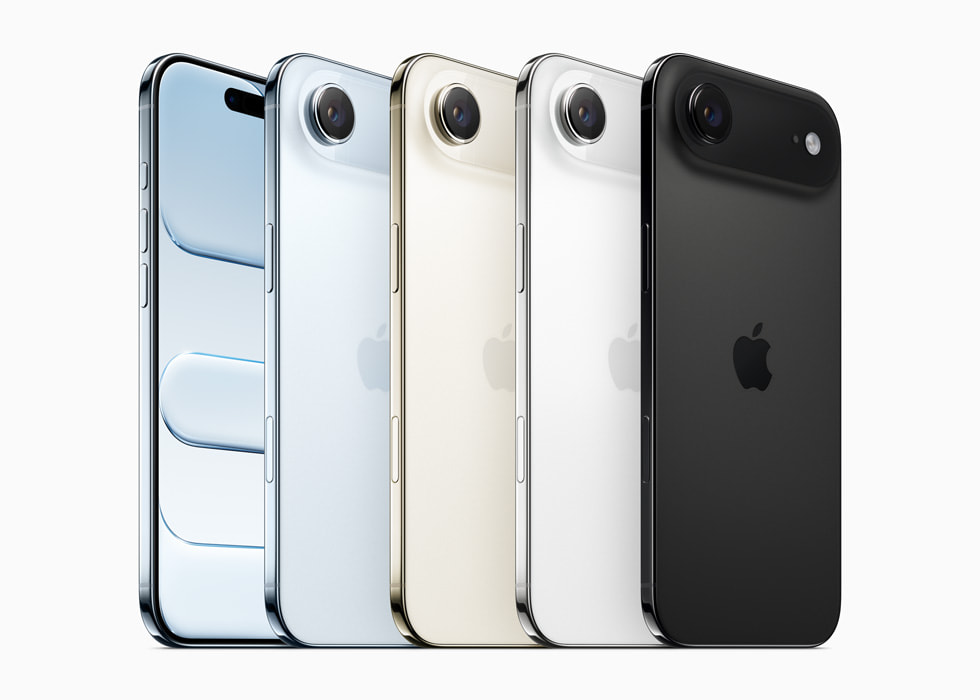
Unexpected! iPhone Air sales double, outselling Samsung Galaxy S25 Edge
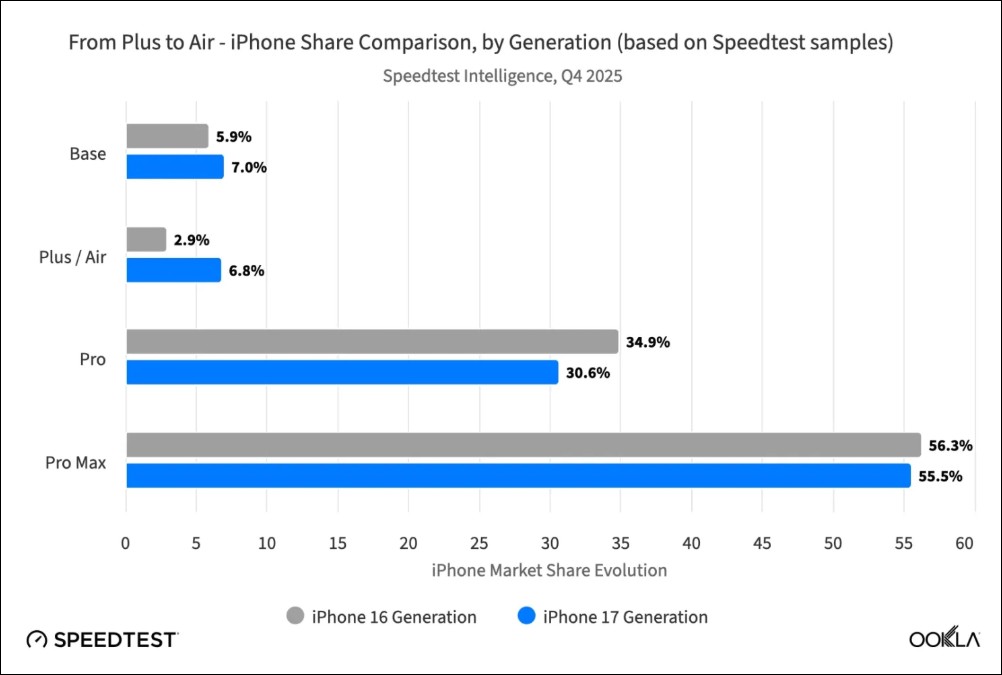
Data shows that iPhone Air’s Speedtest sample share in the US market has reached 6.8%. This number may not be as dazzling as the Pro series at first glance, but if compared with the 2.9% share of the model it replaces: “iPhone 16 Plus” in the same period of 2024, the growth rate of iPhone Air is more than double. This means that Apple has successfully used “thin and light aesthetics” to accurately penetrate the market segment that the Plus series has never been able to grasp in the past, and has successfully opened up a new value growth point for the brand.
“A cooler iPhone”: Consumer psychology and the flow of Pro users
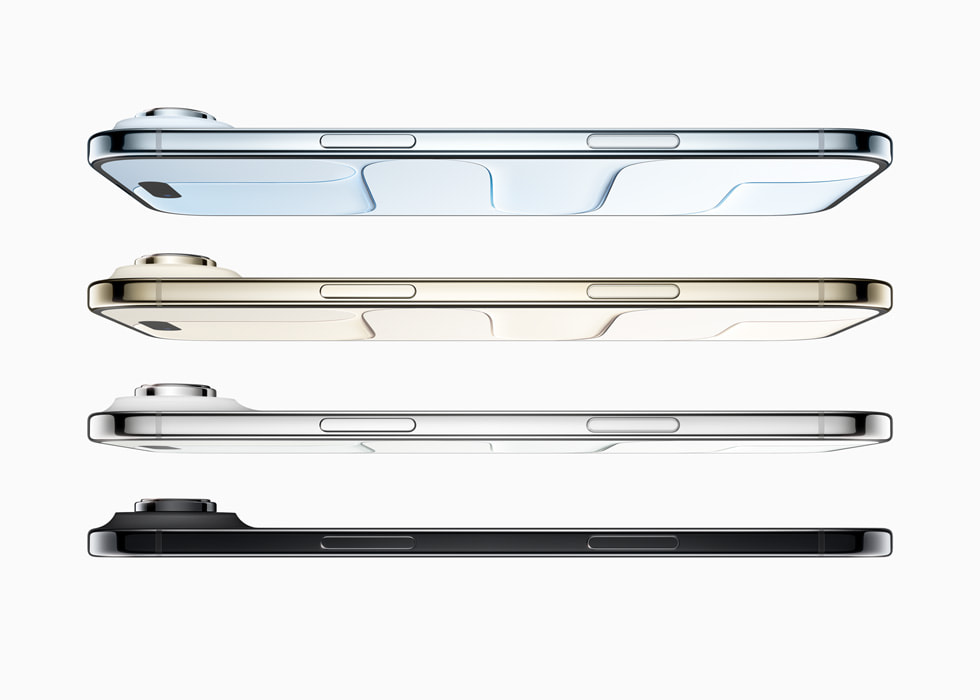
Why is the iPhone Air so successful despite seemingly mediocre specs? Market analysis points out that consumer demand is shifting from “bigger or smaller” to “cooler”. With an extreme thickness of only 5.64mm, iPhone Air redefines the fashion sense of smartphones. For many users, smartphones are not only productivity tools, but also an extension of personal style. For these people, as long as the mobile phone is “enough”, it may be more important to highlight their personal style.
Even more interesting is the impact the iPhone Air has had on the internals of Apple’s product line. according to 9to5Mac According to the detailed comparison, the increase in iPhone Air’s share mainly comes from the transfer of users of the standard Pro model. Data shows that the iPhone 17 Pro’s share dropped to 30.6% from 34.9% of the previous generation, while the top-of-the-line Pro Max model remained relatively stable (slightly changing from 56.3% to 55.5%). This shows that a group of “professional entry-level” users who have moderate performance requirements but extremely high requirements for industrial design and portability are collectively turning to the iPhone Air.
Dominant in the aesthetics market: mainly anti-customer in Samsung’s home country
The iPhone Air’s influence isn’t limited to North America. In the Asian market, which attaches great importance to appearance and design, the performance of iPhone Air is even more impressive. In South Korea, iPhone Air samples accounted for as high as 11.2%; in Japan and Singapore, they remained at the high end of 8.9% and 8.4% respectively.
What shocked the industry the most was the performance of the Korean market. Even in Samsung’s home country, iPhone Air still accounted for 11.2%, beating Samsung’s Galaxy S25 Edge (8.7%) launched for the same market. This “anti-customer-oriented” phenomenon shows that Apple’s dominance in high-end design language is enough to transcend the emotional barrier of a national brand.
Samsung’s Waterloo: Galaxy S25 Edge is struggling
While the iPhone Air is enjoying great success, Samsung’s thin and light flagship Galaxy S25 Edge is in unprecedented trouble. In the US market, the iPhone Air leads the Galaxy S25 Edge by a 3:1 margin (the latter only accounts for 2.4%). In the European market, the adoption rate of Galaxy S25 Edge is so low that it is almost negligible.
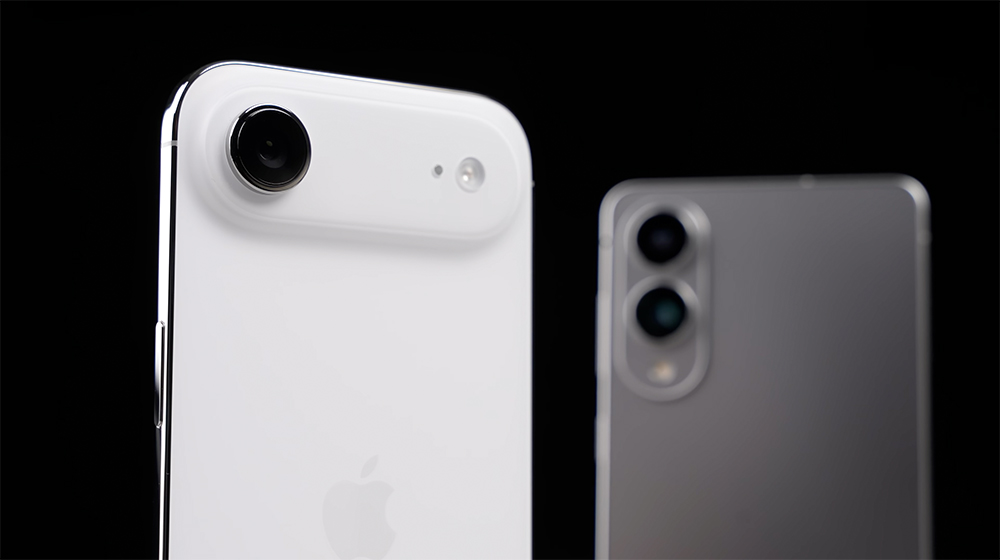
The specification competition between the two products has also become a focus of discussion. Although the Galaxy S25 Edge has a slim body of 5.8mm and is equipped with technology that Samsung is proud of, its price of US$1,100 is higher than the US$999 of the iPhone Air. Under the dual pressure of cost-effectiveness and brand appeal, it seems inadequate. In addition, the C1X modem used in iPhone Air is even better than Qualcomm X80 in terms of latency performance, which breaks the myth that “thin and light models must have poor connection quality.”
Comparison of industrial specifications: head-to-head confrontation between thin and light flagships
| Specification items | Apple iPhone Air | Samsung Galaxy S25 Edge |
|---|---|---|
| Body thickness | 5.64 mm | 5.8 mm |
| Listing pricing | $999 USD | $1,100 USD |
| US market share (2025 Q4) | 6.8% | 2.4% |
| Key wireless technologies | Apple C1X Modem | Qualcomm Snapdragon X80 |
(Source: CNET, Ookla, Gadget Hacks)
Subsequent development: strategic adjustments under the trend of thin and light products
Faced with the strong performance of the iPhone Air and the failure of the Galaxy S25 Edge, the market has reported that Samsung has planned to adjust its future strategic layout. It is reported that due to the weak performance of the Edge model in the European market and the difficulty in competing with Apple globally, Samsung has considered canceling the development plan of the Galaxy S26 Edge.
In contrast, Apple has proven that thin and light design is not a niche hobby, but a mainstream segment with high growth potential. iPhone Air has successfully transformed the stagnant Plus series into a dynamic growth engine, and effectively attracted some users who have the ultimate pursuit of appearance from the Pro model, achieving a virtuous cycle of the product line. With the upcoming release of Apple’s new phone in 2026, will the iPhone Air go into history like its predecessor Plus or will it continue to launch the next generation? Let us wait and see.
Source: KOCPC Chinese