


The USB port is something that modern young people take for granted. You can plug in your mobile phone, keyboard or many peripheral accessories, and you can use it as soon as you plug it in. But not that long ago, this was just the stuff of science fiction, USB didn’t come out until around 1996, and before that, trying to connect peripherals was a bit like assembling IKEA furniture blindfolded, with too many parts and vague instructions guaranteed to blow you away.
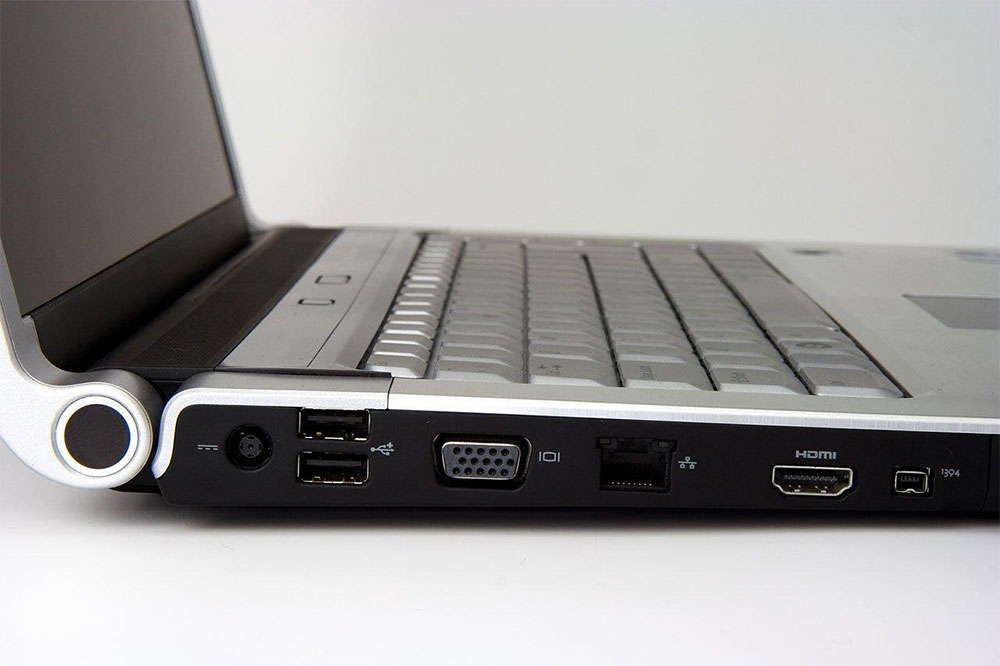
Before the advent of USB ports, what external devices did computers rely on?
Computers in the 1980s and early 1990s were filled with a variety of ports, including serial ports, parallel ports, PS/2, SCSI, and the occasional proprietary port. Each one has its own plug type, data rate, and settings, and plugging it in isn’t the end of the process, it’s the beginning. You have to manually configure IRQ, COM and various other settings, which is very complicated for home users.
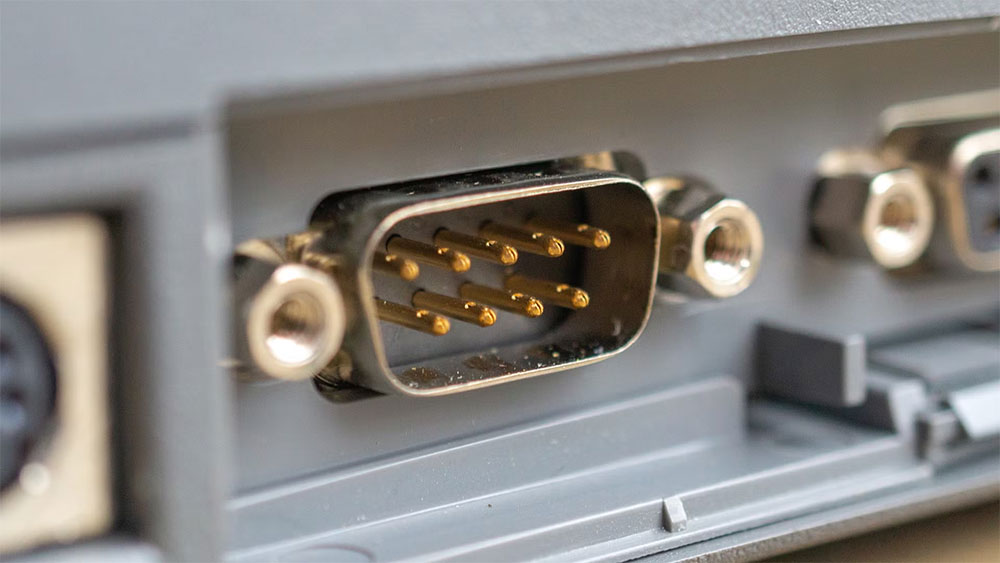
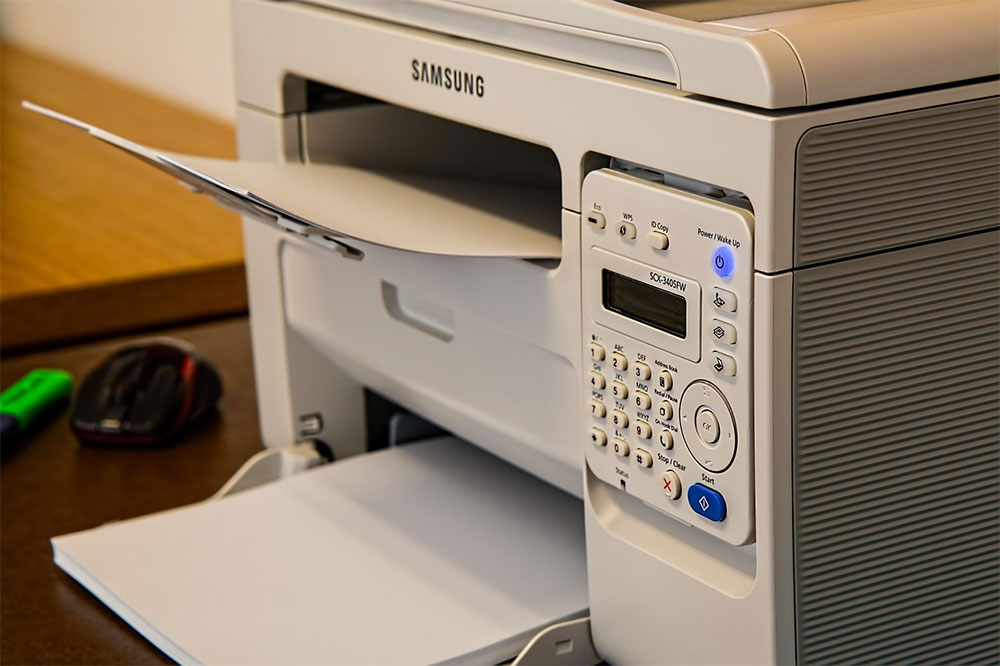
If you’re unlucky, installing a new printer means you have to take apart the computer and add another interface card, and hope you don’t break something else in the process. There is no such thing as standardization; each manufacturer plays by its own rules, and as expected, the result is pure chaos.
First, there are the serial ports (RS-232 and variants). They handle mice, modems, and a few printers, but move data slowly in kilobits per second (kbps). To make matters worse, you have to manually match the baud rate and COM settings, and if one of the values is wrong, the entire device won’t work.
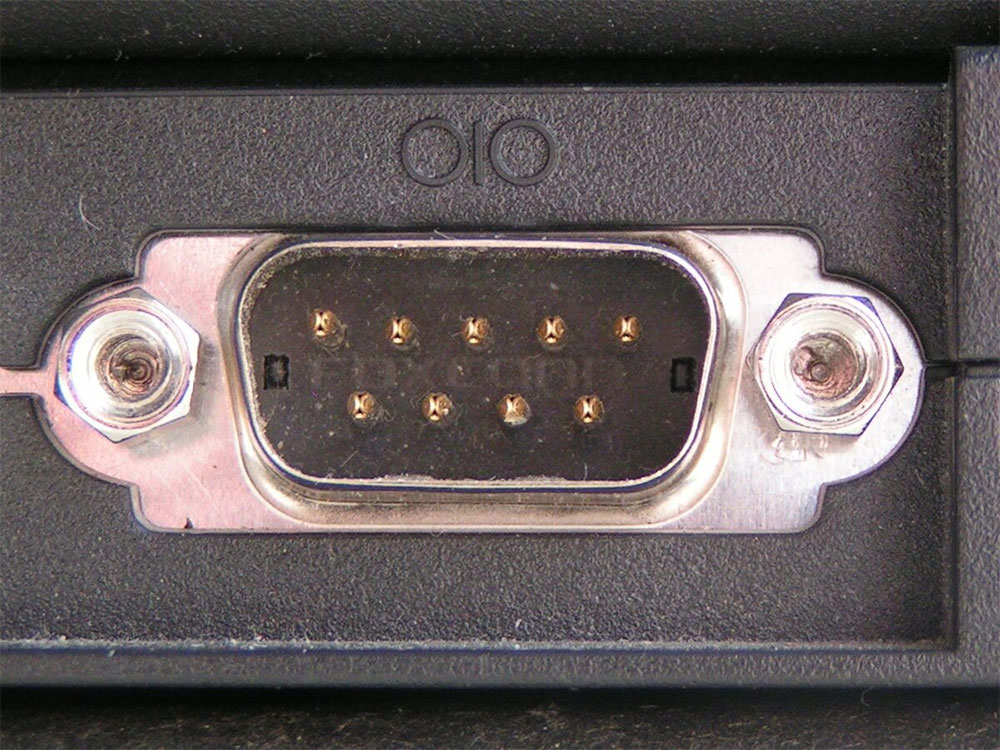
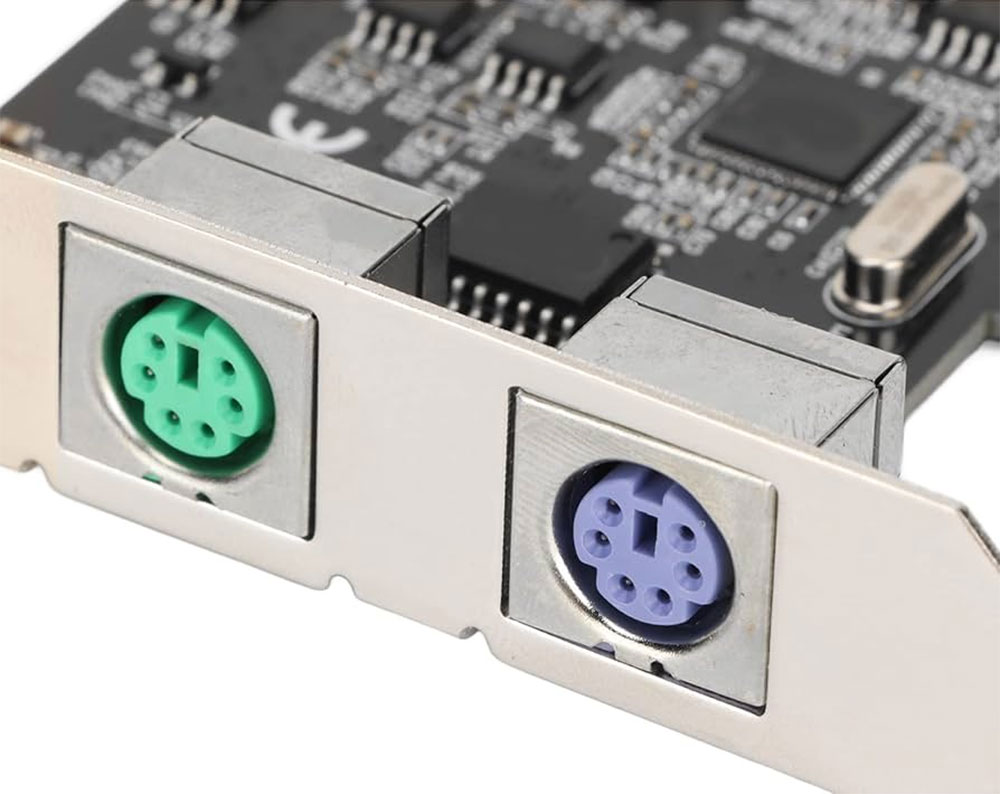
Then there are parallel ports. This is a thick 25 Pin port mainly used for printers. It is faster than the serial port, but only if your cable is not too long or the signal is not out of sync. You can’t daisy-chain devices, and each printer has its own “quirks.” The PS/2 port simplifies things a bit, a circular plug with two plugs, one for the mouse and one for the keyboard, but it’s still not universal.
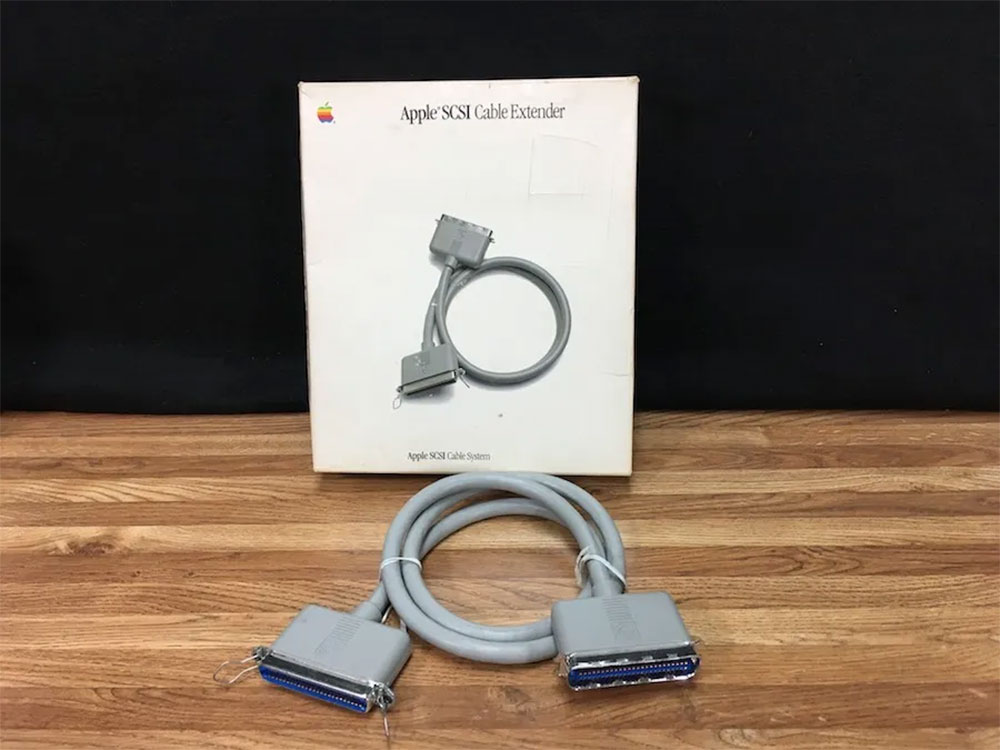
Of course, Apple is different, using its Apple Desktop Bus (ADB) as an external device. External hard drives and scanners use SCSI, which is more powerful but expensive and withdrawn. You can connect up to seven devices, but SCSI may require a lot of patience to work properly. Even game controllers require their own game connection, usually on a dedicated sound card.
Each device has its own language, requires its own port, and often requires its own expansion card. These ports are slow (sequential runs around 100 KB/s, parallel runs between 115 and 450 Kbps), and some don’t even run simultaneously. By the mid-1990s, the technology giants of the time, including Intel, Microsoft, and Compaq, finally agreed to integrate the fragmentation with a unified connection port. A single universal standard could connect any device to any host. USB was born, and what followed was a revolution in the way computers were used.
How USB is changing the game
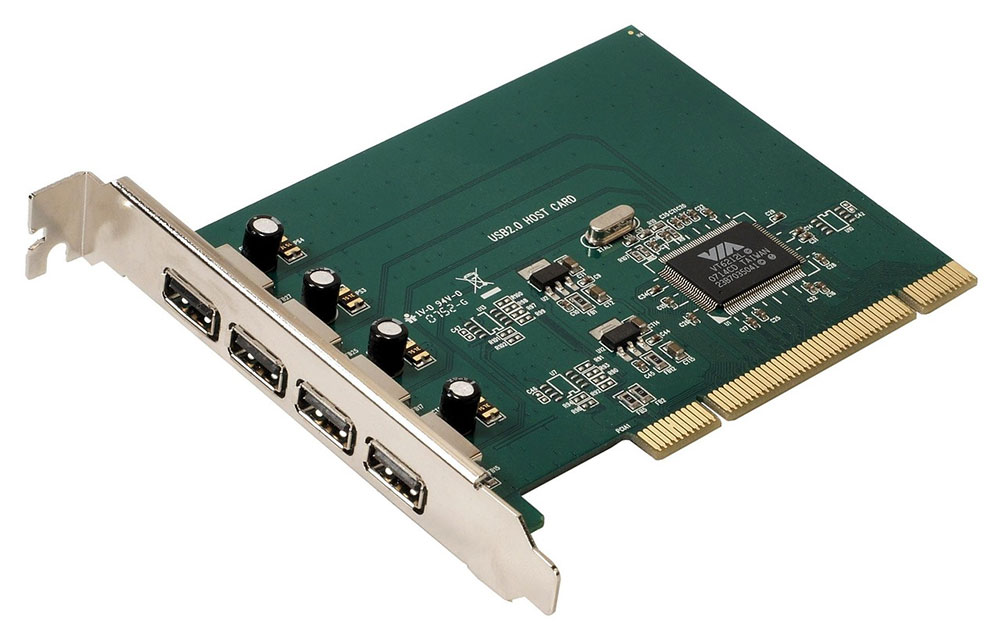
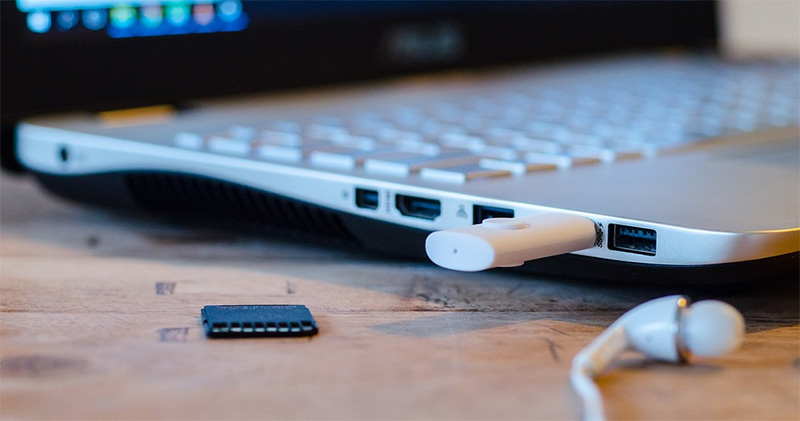
When USB 1.0 came out in 1996, it felt like futuristic technology. A single cable can carry power and data at the same time, so you no longer need to provide separate connections for each cable. It also supports hot-swapping, which means you can connect or remove devices without restarting the computer, which was like a small miracle at the time. And, unlike serial ports and parallel ports, each USB connection can theoretically handle up to 127 devices through an expansion hub.
But it wasn’t until the creation of USB 1.1 in 1998 that the standard became truly usable. It runs at up to 12 Mbps at full speed and 1.5 Mbps for slower devices like mice and keyboards. That’s modest by today’s standards, but light-years ahead of the older technology it replaced. But accessory manufacturers didn’t all switch overnight, and there was certainly a chaotic transition period until all accessory manufacturers gave up on traditional ports.
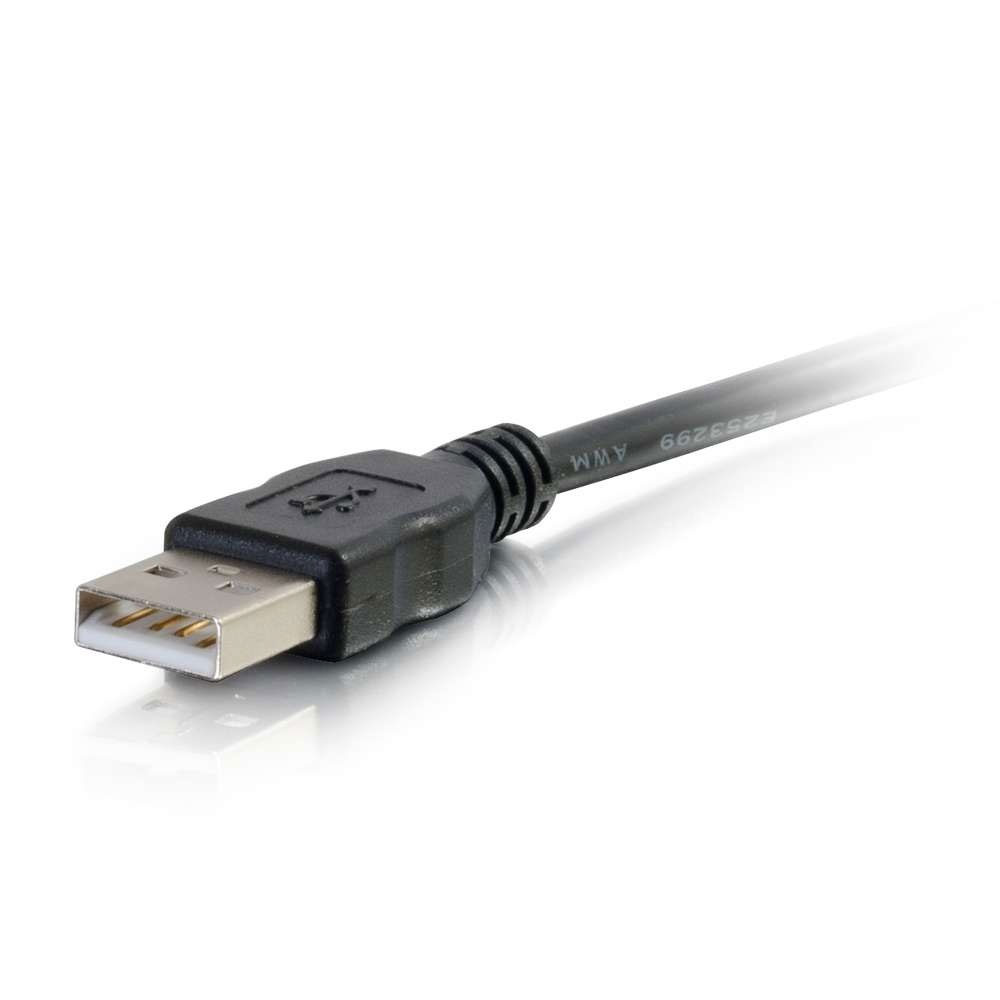
Apple’s accelerated adoption also played a crucial role. The original iMac G3 famously ditched all legacy ports in favor of only USB. Within a few years, various manufacturers followed suit, and “plug and play” was finally implemented. Since then, USB has come a long way, not only improving performance and speed several times compared to the original generation, but also ending the chaos of a hundred schools of thought.
Source: KOCPC Chinese