


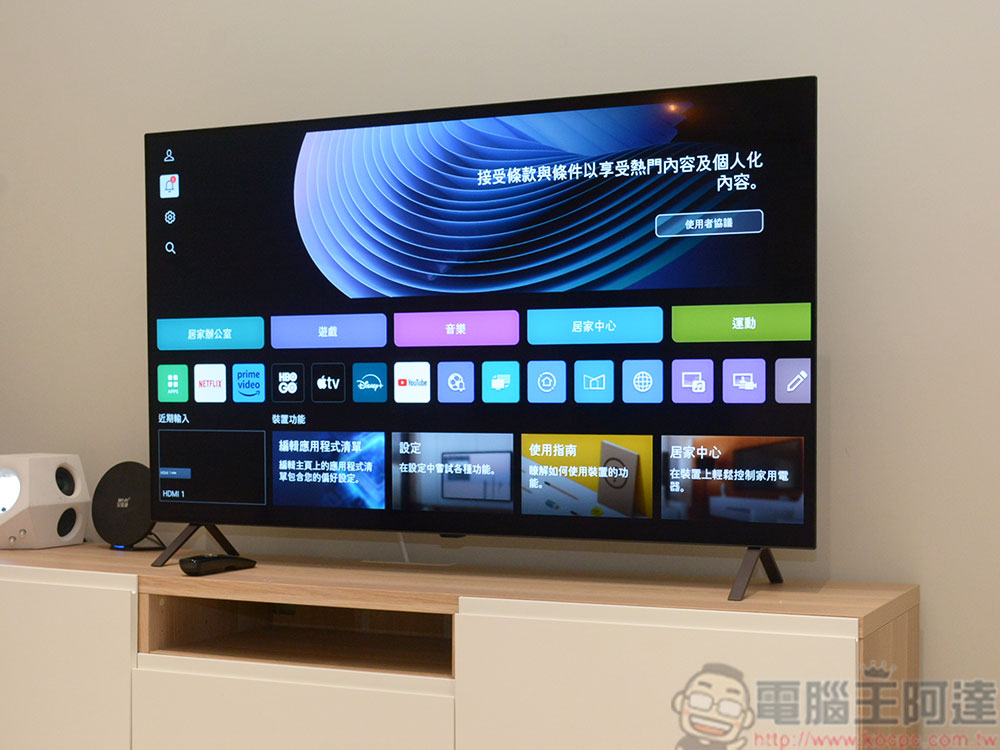
Technology is advancing rapidly. The ideal smart TV should not only allow you to watch various cable channels, serve as an entertainment center, and stream media services, but also become the hub of a smart home. A smart TV is a large appliance. Unlike small appliances that are easy to leave unused or resell/give away if you don’t like them, fully understanding your priorities when purchasing can ensure that you don’t overlook any important points and can truly choose a new device that meets your personal lifestyle, needs and budget. Next, let’s take a look at the 6 aspects you should pay attention to when purchasing a smart TV.
6 key points you should give priority to when buying a smart TV
display technology
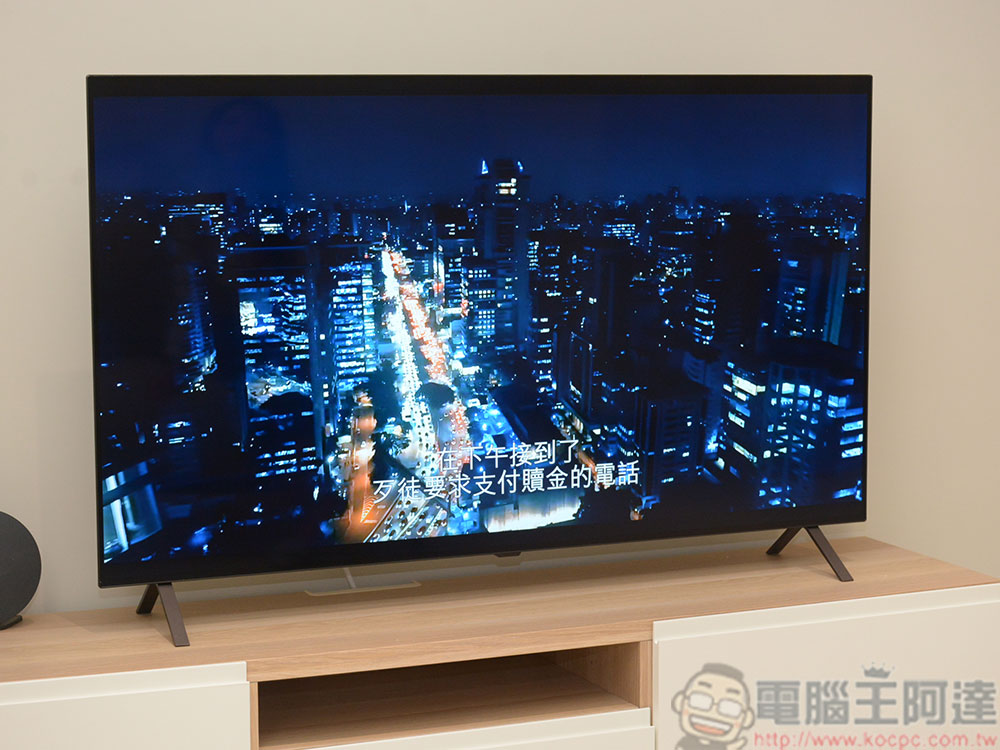
Display technology is the core of any smart TV, and the three most mainstream ones are LED, OLED and QLED.
LED TVs, also known as LCD TVs, offer vibrant colors and decent brightness levels, but don’t have deep contrast, but their bright colors are ideal if you’re placing them in a bright space. OLED TVs have better picture quality, contrast and deeper blacks, and are most suitable for use in darker spaces, but they are slightly more expensive than LED TVs and have a thicker body.
QLED uses quantum dot technology, which has higher color accuracy, wider viewing angles, and more perfect black performance than LED and OLED. It also provides instant pixel response to minimize motion blur and is very suitable for home theater use. However, QLED is the most expensive of the three display technologies.
Screen resolution
The resolution of a smart TV determines the image quality it provides. There are currently three main common options, namely FHD (1080P), 4K and 8K.
FHD is generally available for smaller TVs and is more affordable, but now that you can find TVs with higher resolutions for almost the same price, FHD is basically on its way to becoming obsolete. 4K resolution is 4 times that of 1080P and is also standard on most new smart TVs. It can provide detailed and clear images. There are many affordable models on the market to choose from, and some streaming applications provide 4K content, allowing you to make full use of the hardware conditions of 4K TVs.
While 8K is the highest of the three resolutions and has better, clearer images, it’s not particularly recommended that you spend your money on it. The reason is that the price is too high and the current 8K content is very limited. By the time 8K content becomes popular, you may be ready to replace your next TV. Therefore, the sweetest choice for resolution is 4K, which is also the most mainstream specification in the software and hardware markets.
screen update rate
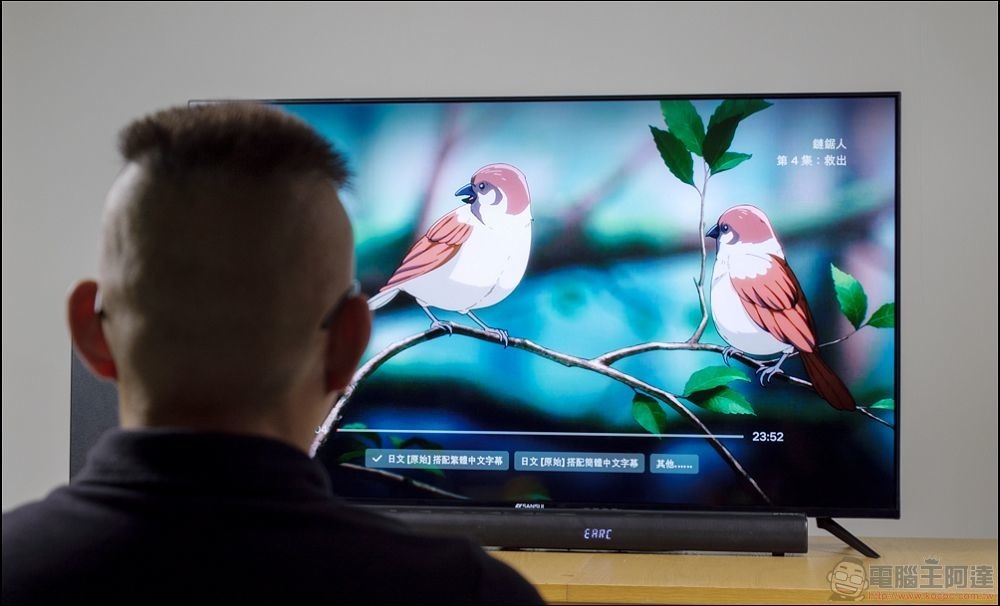
When buying a smart TV, another important consideration about the screen is the refresh rate, which represents how quickly the image is updated per second. Higher update rates also reduce motion blur more effectively, delivering clearer, smoother images.
Most FHD TVs have a refresh rate of 60Hz, which is great for watching movies and TV shows. If you frequently use your TV for gaming, look for options with higher refresh rates, such as 120Hz, 240Hz, etc., with 120Hz being the most balanced option that can handle almost any task you throw at it, and is a bit more affordable.
Connection options
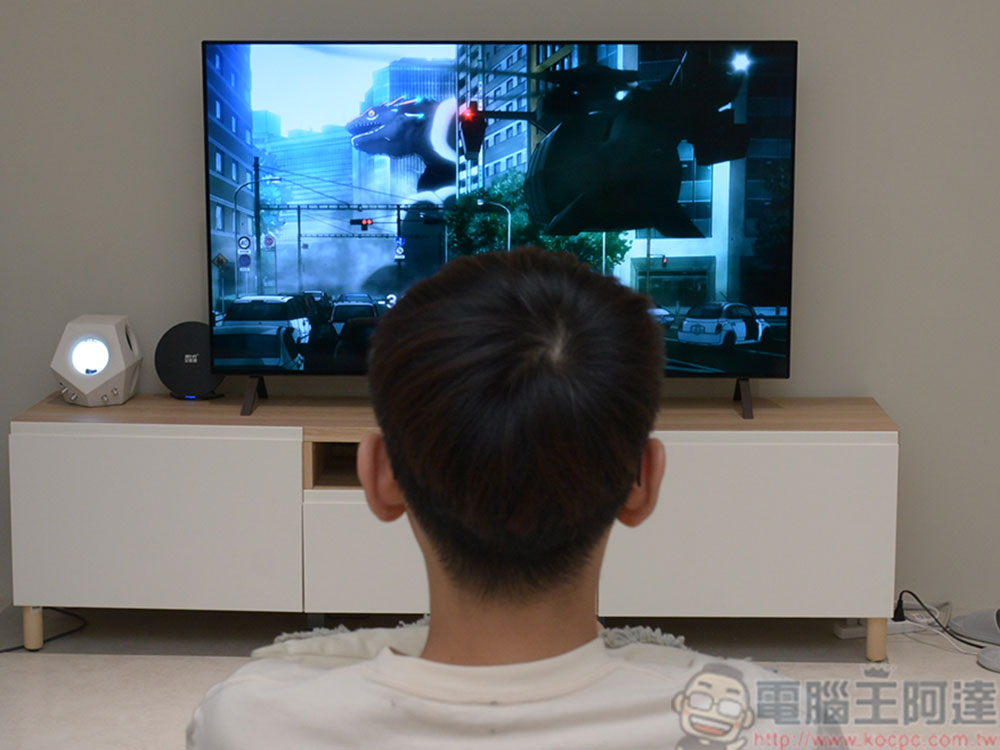
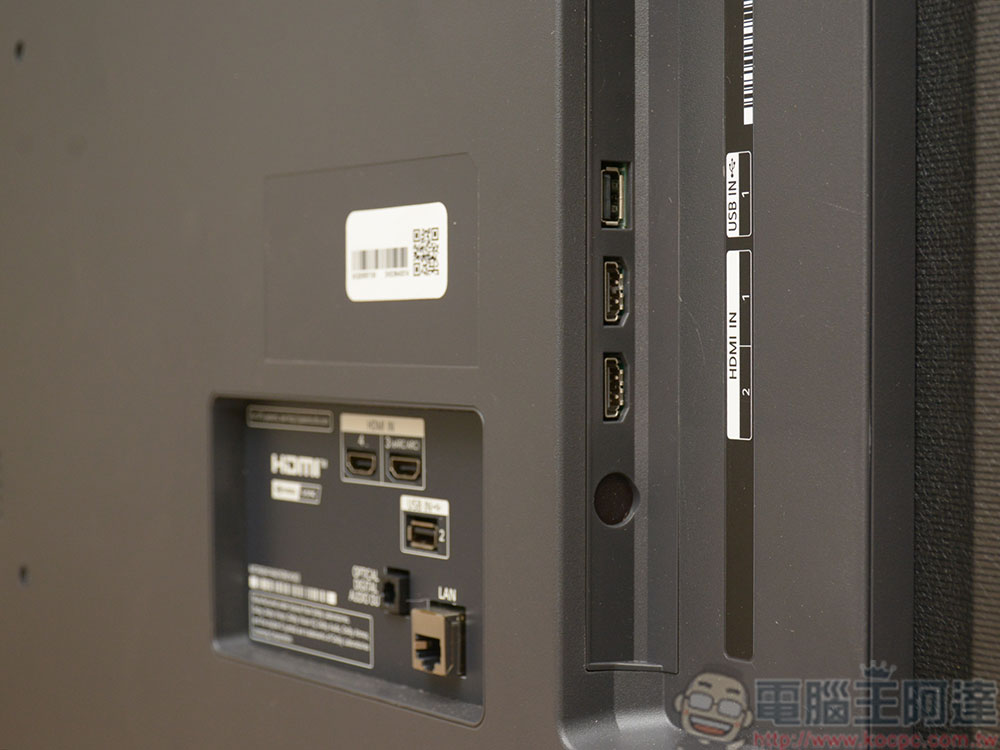
You’ll often use your TV with other devices, so having enough ports is important. In terms of wired connections, HDMI and USB are necessary for connecting to game consoles, sound systems, external storage, and other accessories. The latest version is HDMI 2.1, which is great for gamers who want to maximize the capabilities of their Xbox Series X or PlayStation 5 thanks to bandwidth enhancements that offer higher refresh rates and higher resolutions.
As for wireless connectivity, Wi-Fi 6 is the latest standard seen on TVs and offers faster network speeds, while Bluetooth is also useful for connecting Blu-ray players, external speakers, headphones, and other external wireless devices.
Smart TV operating system or platform
The user experience and available apps largely depend on the operating system your smart TV is powered by. You’ll want a platform that’s easy to use, seamless to navigate, and compatible with commonly used apps. For example, if you already have many Google products, your best choice would be Android TV or Google TV. Both options offer maximum compatibility with Google Voice Assistant, a host of apps from the Play Store, including built-in Chromecast.
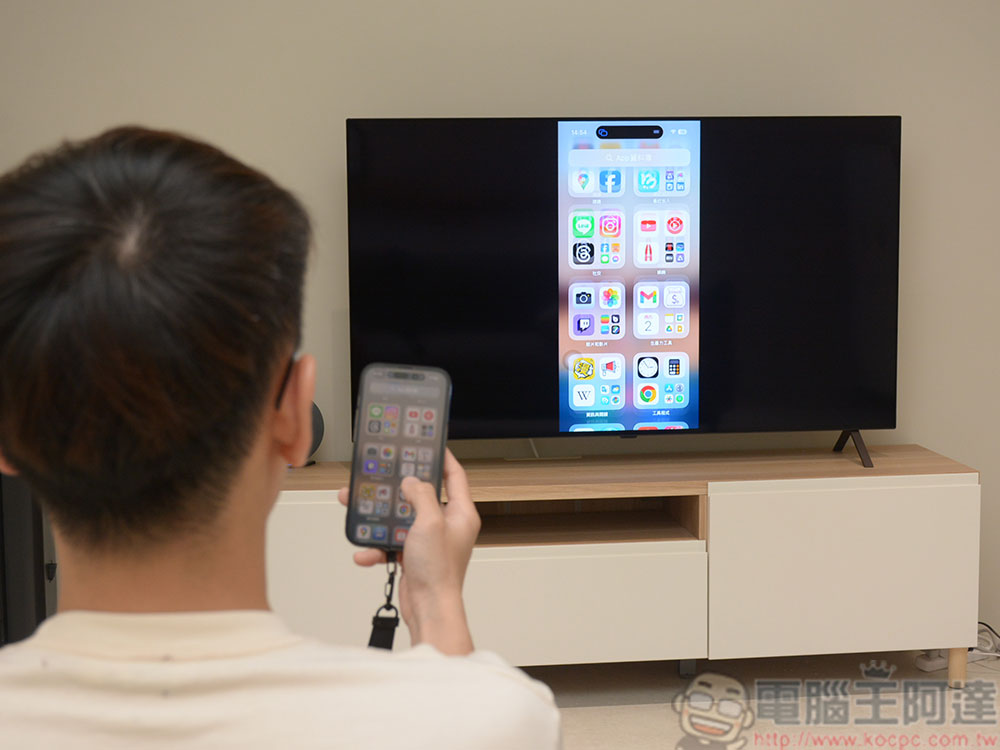
For Apple users, the best choice is a TV that supports AirPlay 2, because it can seamlessly stream from MacBook, iPad and iPhone. Brands such as Samsung and LG have launched smart TVs that can support it.
Smart function
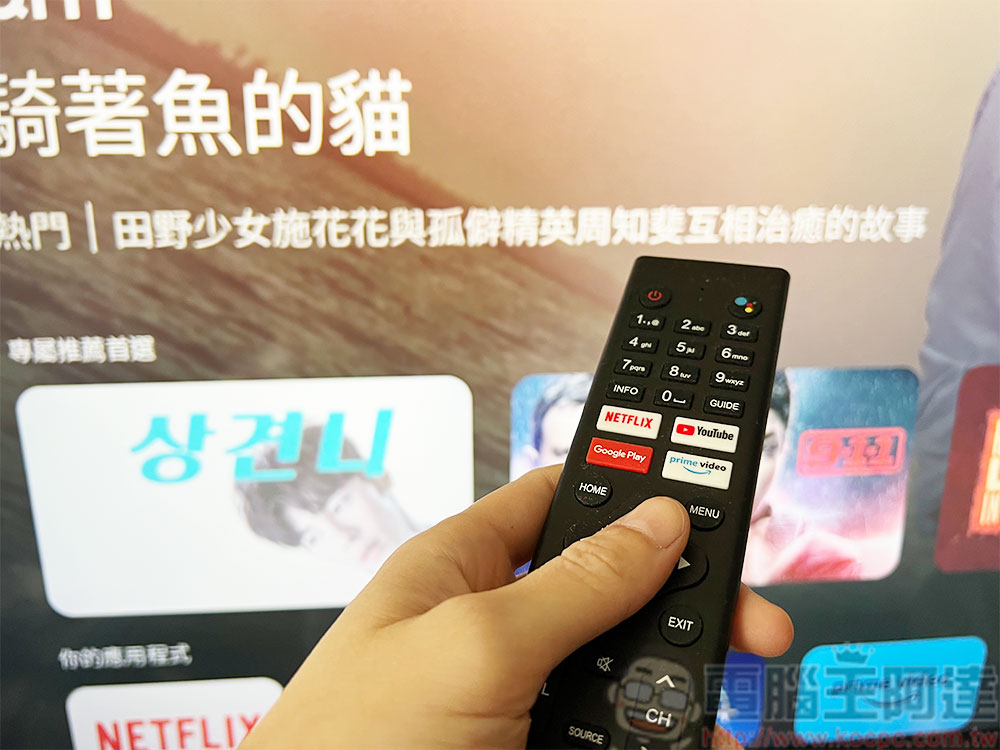
Streaming services like Netflix, Disney+, and Google Assistant are already standard features on most smart TVs, with some including additional features such as voice control, app support, smart home automation, and cloud gaming. These convenient features enhance your viewing experience by allowing you to search for content, switch channels, and adjust volume using voice commands without having to touch buttons.
If you have different smart home devices, the accompanying smart TV can become the control hub for security monitors, lights, and more. In terms of app support, make sure the smart TV you buy is compatible with the apps you frequently use.
Buying the right smart TV can be a daunting and complicated task if you don’t know what to choose among the vast selection. But through the main considerations we provide you, you can eliminate the many options one by one in a more directed way and select products that suit your needs and lifestyle in all aspects. Multiple-choice questions are always better to answer than essay questions, right?
Source: KOCPC Chinese