


Previously, we have shared Google officially released Nano Banana Pro: Seven Quick Tips, that one was mainly aimed at Gemini, recently in Google AI Studio In official communities, Google once again shared 10 tips, with the title even readingNano Banana Pro “Complete Guide”, after I read through it carefully, the content is indeed more thorough and detailed, for those who want to improve their image generation…PromptPeople with such abilities are also worth seeing, so I’ve put together the following for everyone.
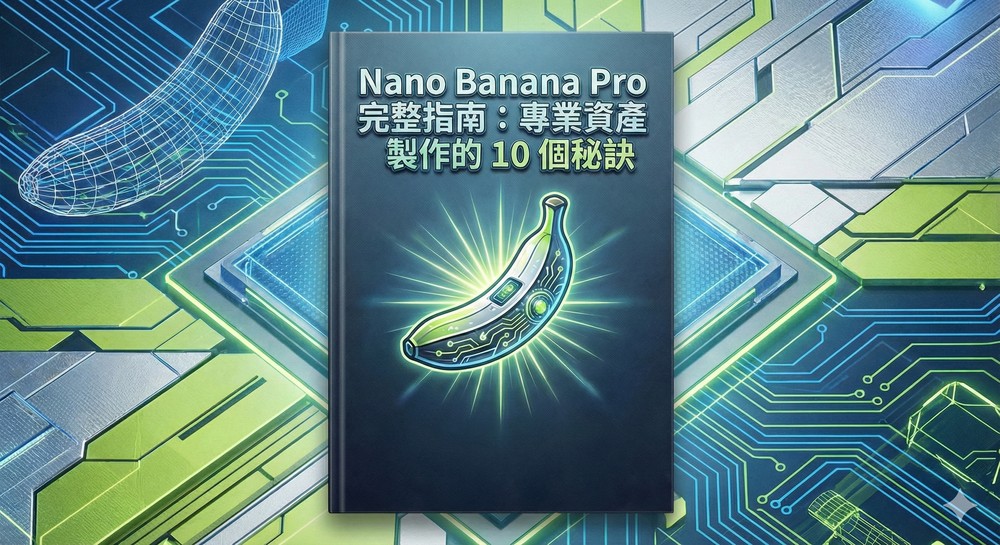
A Complete Guide to 10 Nano Banana Pro Production Tips
Although the 10 tips Google AI Studio shared this time are aimed at API users, the techniques can also be used in Gemini.
1. The Golden Rule of Prompts
First and most important is the “Golden Rule”: Google says Nano Banana Pro is a model that thinks, so to get the best results, stop using tag-style prompts like “Cool car, neon, city, night, 8k” and instead describe things in natural language.
For example: “On a rainy night on the streets of Tokyo, a futuristic sports car speeds by, neon lights reflecting off the wet pavement and the car’s metal body.”
Additionally, this model excels at conversational editing, so if the generated image is already 80% correct, don’t redo it—just describe what needs adjusting, such as: “Great, change the lighting to a sunset and swap the text to neon blue.”
To reiterate the “specific prompts” mentioned in earlier tips: vague prompts only yield ordinary results. The more specific the prompt, the better the outcome.
For example: change “a woman” to -> “an elegant elderly woman wearing a vintage Chanel-style suit.”
2. Text Rendering, Infographics, and Visual Composition
Nano Banana Pro’s text rendering capability reaches the state-of-the-art (SOTA) level, and it can compress large amounts of information into easy-to-read visual formats. The following are best practices:
- Ask the model to “compress” large amounts of PDFs or text into visual information.
- Specify style: e.g., “sophisticated magazine style,” “technical flowchart,” “hand-drawn whiteboard style.”
- The Traditional Chinese text is missing.
One last thing that’s pretty important: if you have text that must appear in the image exactly as written, remember to put it in quotation marks.
This is one of the examples provided by Google, the prompt is as follows:
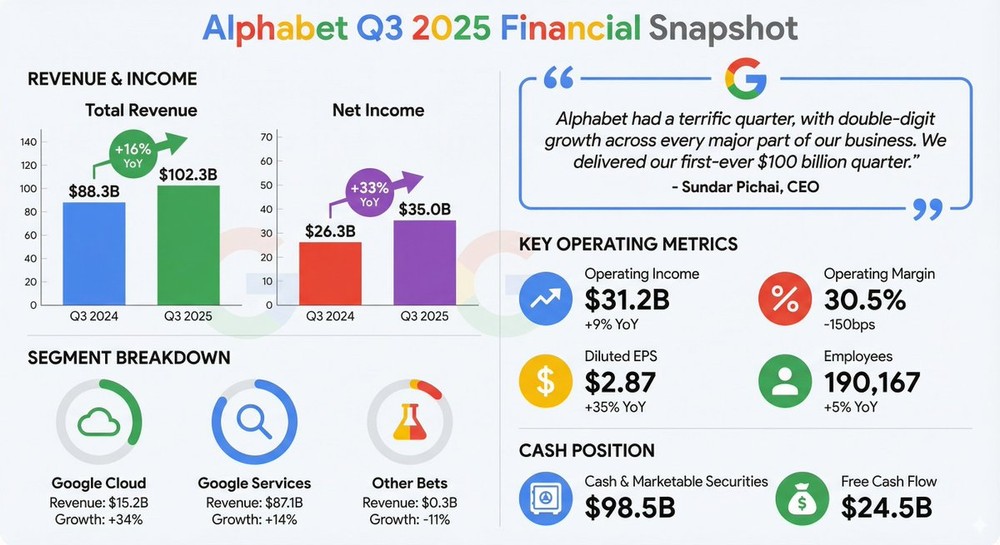
財報資訊圖(資料讀取):[匯入 Google 最新財報的 PDF]
請產生一張乾淨、現代感的資訊圖,摘要這份財報中的主要財務重點。資訊圖中需包含『營收成長』與『淨利』的圖表,並以具風格的引用框突出顯示執行長的重要引言。
3. Character Consistency and Viral Thumbnails
Nano Banana Pro can reference up to 14 images while maintaining character consistency. When you have image generation needs of this kind, this is the best approach:
- Clearly state: “Keep the facial features the same as in reference image 1.”
- When generating images, you can change the character’s expression and pose while keeping their identity consistent.
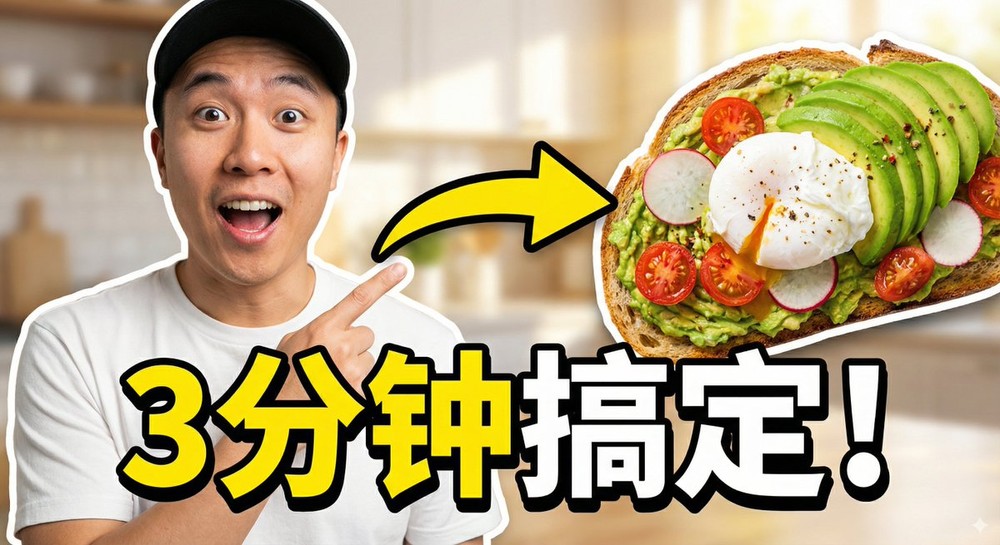
- Viral YouTube thumbnails can combine characters, text, arrows, and background.
One of the examples provided by Google is the following prompt:
使用圖片 1 裡的人物設計一張爆紅影片縮圖。臉部一致性:保持人物的五官與圖片 1 完全相同,但將表情改成興奮又驚訝的樣子。動作:把人物擺在畫面左側,並讓他用手指向畫面右側指去。主體:在右側放上一張高品質、看起來非常美味的酪梨吐司圖片。圖形:加入一條粗體黃色箭頭,從人物的手指連向吐司。文字:在中央覆蓋巨大的、流行風格的文字:「3 分鐘搞定!」並使用厚白邊與陰影。背景:使用一個模糊、明亮的廚房背景,整體色彩高飽和、高對比。
4. Use Google Search data as the basis for generation
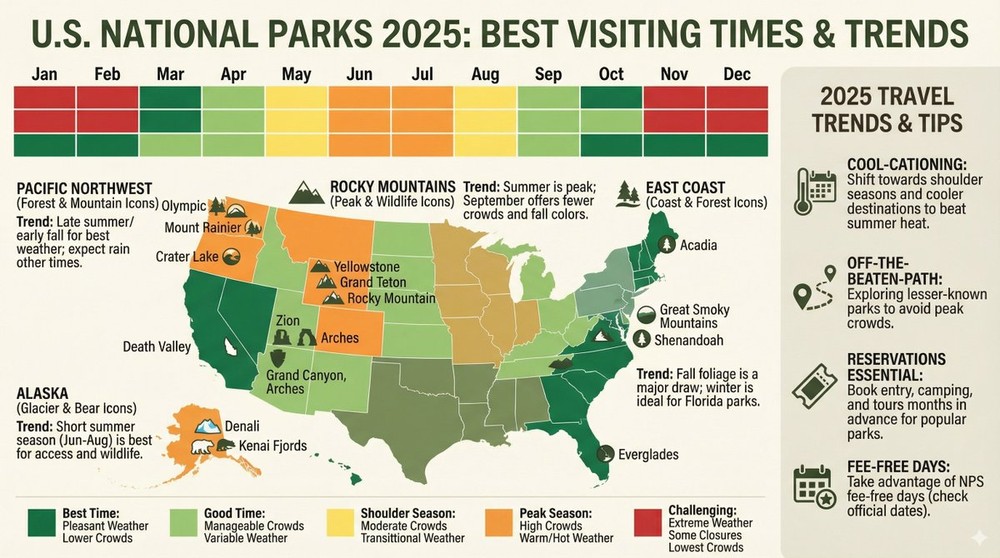
The model can also use the latest data from Google Search to reduce misinformation in images while generating images based on the real world. For example, if you ask it to visualize dynamic data (weather, stocks, news), the model will “think” through the search results before generating the image.
Example prompt
根據目前的旅遊趨勢,產生一張資訊圖,展示 2025 年造訪美國國家公園的最佳時段。
5. Advanced Editing, Restoration, and Colorization
Nano Banana Pro has extremely powerful editing capabilities, and you can directly use natural language to ask it to:
- Remove object
- Fill in the background.
- Old photo restoration
- Comic color touch
- Scenario transition (e.g., summer → winter)
Example prompt:
將這張照片背景中的觀光客移除,並以符合環境的合理紋理(例如:鵝卵石地面與店面外牆)填補空出的區域。
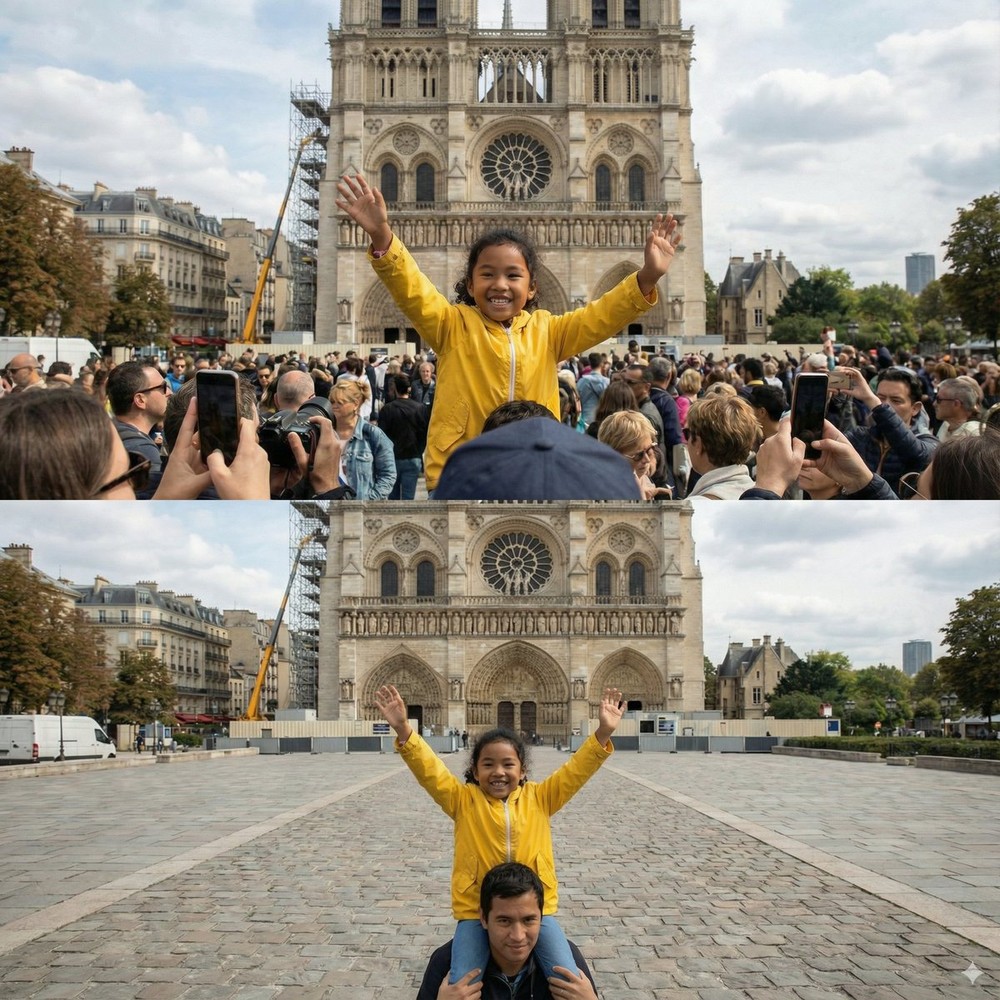
Example prompt:
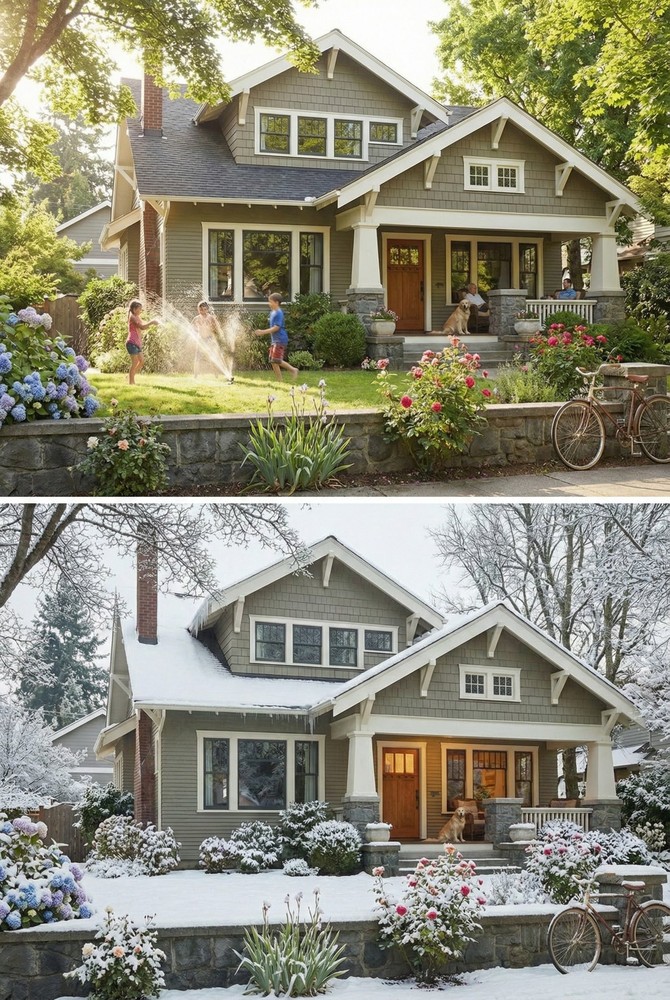
[輸入一張夏季房屋的照片]
「將這個場景轉換成冬季。房子的建築結構必須完全保持不變,但請在屋頂與庭院加入雪景,並把光線調整成寒冷、陰鬱的午後氛圍。」
6. 2D ↔ 3D Conversion
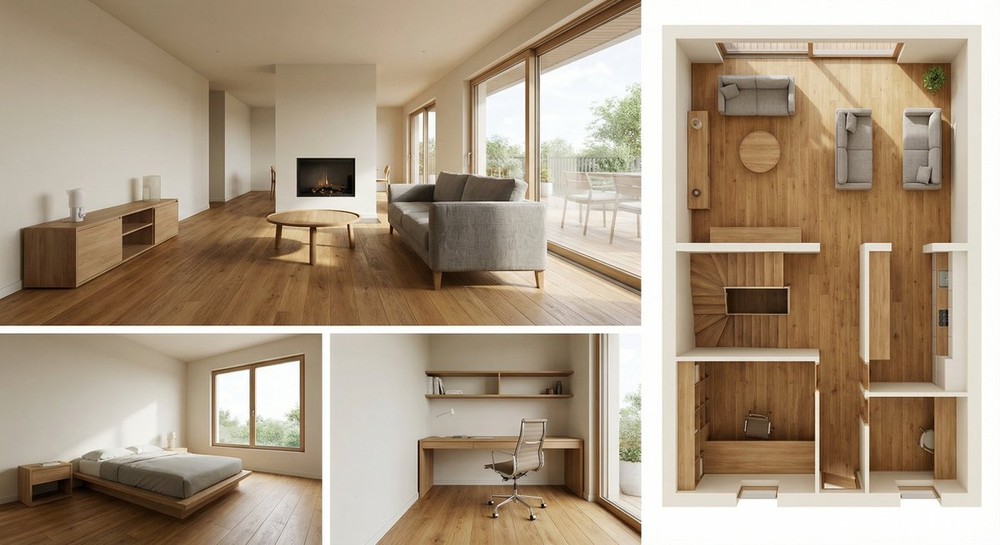
Nano Banana Pro can also turn 2D floor plans into 3D visuals, or render 2D memes into 3D objects.
Example prompt:
根據上傳的 2D 平面圖,生成一張專業的室內設計展示板(單一張圖片)。版面配置:上方為一張大型主圖(客廳的廣角視角),下方放置三張小圖(主臥室、書房,以及 3D 俯視平面圖)。風格:所有圖片都採用現代極簡風,使用溫暖的橡木木地板與米白色牆面。品質:照片級寫實渲染,光線柔和自然。
7. High Resolution and Texture Details
Nano Banana Pro natively supports up to 4K output, making it ideal for:
- Show details, material textures
- Desktop wallpaper, poster, large format printing
Example prompt:
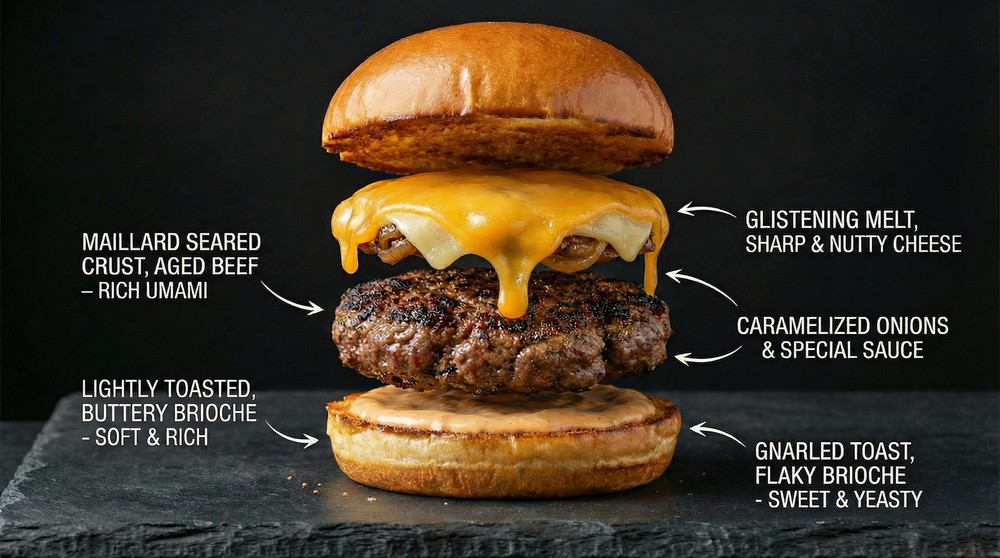
製作一張超寫實的美食起司漢堡資訊圖,並以解構方式呈現:包含烤過的法式奶油麵包的質地、肉排煎至焦香的外層,以及起司融化時閃亮的質感。請為每一層標註其風味特色。
8. Thinking and Reasoning
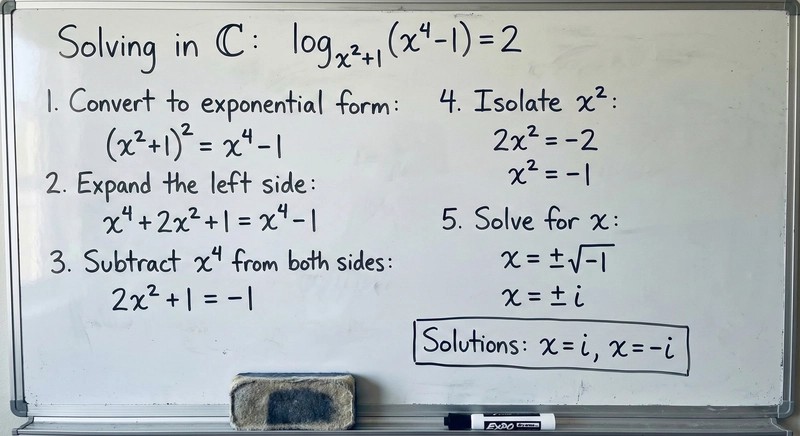
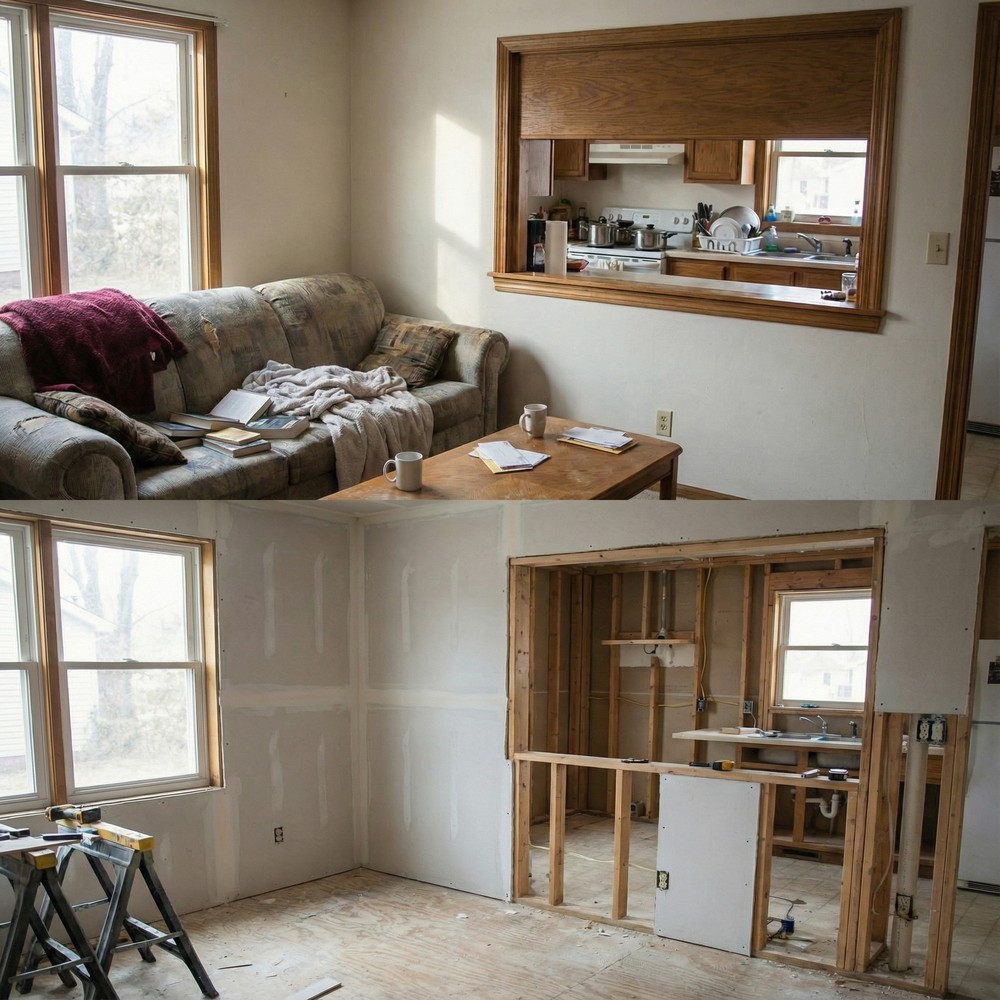
Nano Banana Pro generates “thinking process images” in the background, which is well-suited for reasoning and data organization, such as solving math equations, analyzing a room and reconstructing its pre-construction state, and other logical reasoning visualizations.
Example prompt:
在白板上求解 log_{x^2+1}(x^4-1)=2(在複數範圍 C 中),並清楚展示每一步驟。
Example prompt:
分析這張房間的圖片,並生成一張『施工前』的畫面,呈現房間在施工期間可能的樣子,例如可見框架與尚未完成的石膏板。
9. Getting storyboarding and concept art right in one pass
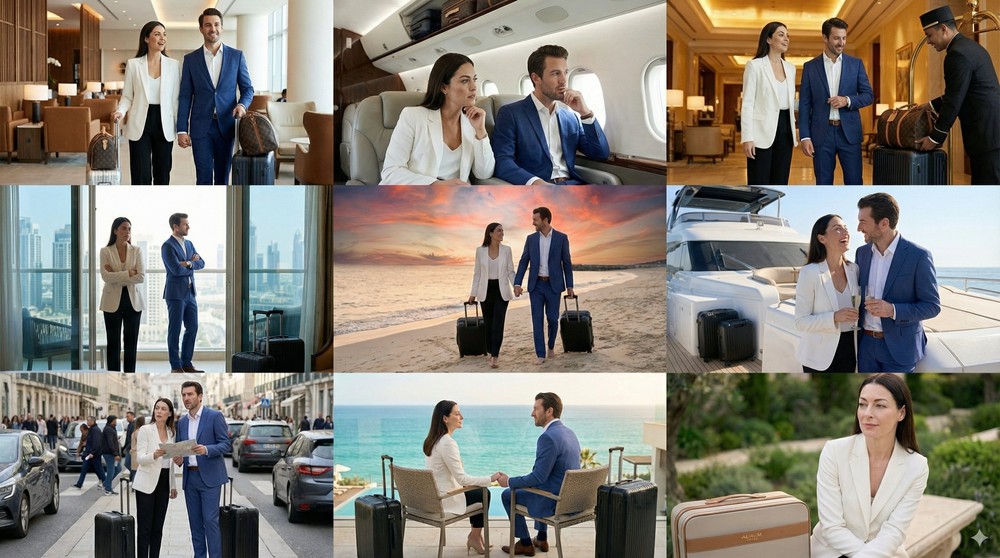
Nano Banana Pro can also generate a complete set of storyboards in one go, while keeping characters consistent but with varied angles, for example:
- The 9-Frame Story Ad for Luxury Luggage
- Film concept art
- Sequential emotional storyboard
Example prompt:
以一位女性與一位男性為主角(兩人皆來自一支屢獲大獎的精品行李箱廣告),創作一個由 9 張圖片組成、讓人欲罷不能的 9 段式故事。故事需包含情緒的高潮與低谷,並在最後以女性搭配品牌標誌的優雅畫面作結。女性與男性的身份與服裝在整個故事中必須保持一致,但可、且應從不同角度與距離呈現。請一次生成一張圖片,並確保每張皆為 16:9 的橫向格式。
10. Strictly control the composition and layout of the final output.
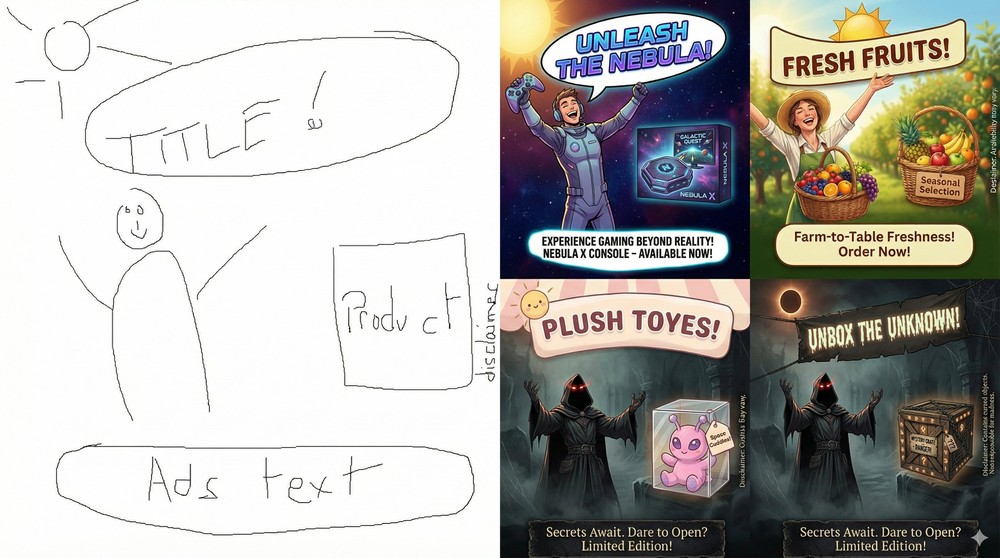
Inputting images can also serve as a control for the final output—a powerful capability for designers, as it can quickly turn napkin sketches, line drawings, and the like into polished finished pieces. Below are the uses Google recommends:
- Drafting and Hand-Drawn Sketches: Upload hand-drawn sketches to clearly define the precise placement of text and objects.
- Wireframe: Use screenshots of existing layouts or wireframes to generate high-fidelity UI prototypes.
- Grid image: Use grid images to force the model to generate assets according to the grid.
Example prompt:
依照這張草圖為一個[產品]製作廣告。
Source: KOCPC Chinese