


Microsoft recently announced the launch of its latest innovation in speech technology: the “Live Interpreter API,” a feature of Azure Speech Translation that has officially entered public preview. Its core goal is to deliver seamless, real-time speech translation experiences across languages and cultures for global users, while achieving accuracy and tone preservation at the technical level that approaches human interpreters. The release of this API not only demonstrates Microsoft’s continued investment and leadership in AI-powered speech technology, but also opens up unprecedented possibilities for multilingual communication applications, covering diverse scenarios such as customer service, online meetings, education, and e-commerce live streaming.
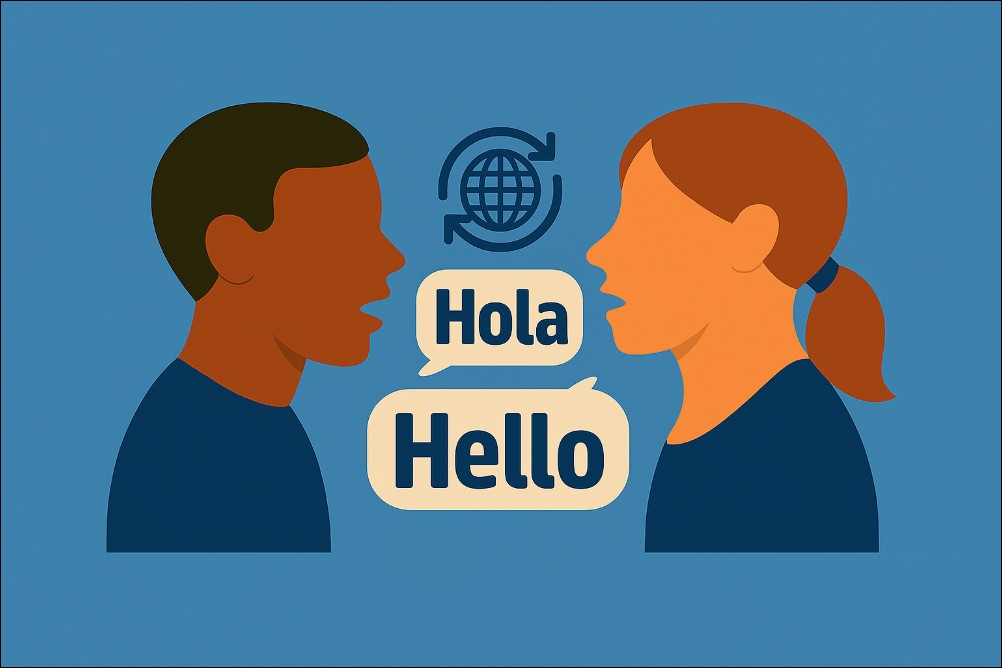
Microsoft Unveils “Real-time Translator API”: Ushering in a New Era of Multilingual Barrier-Free Communication
One of the most disruptive innovations of the “Real-time Translator API” is its built-in automatic and continuous language identification (LID) feature. This technology enables the system to determine in real time which language a speaker is using, without requiring users to manually select a language category in advance.
Currently, this API supports 76 languages and 143 regional speech dialects, offering extremely broad language coverage. Whether it’s standard English, Arabic, Mandarin, Cantonese, or region-specific speech variants, all can be quickly classified and translated through automatic recognition technology.
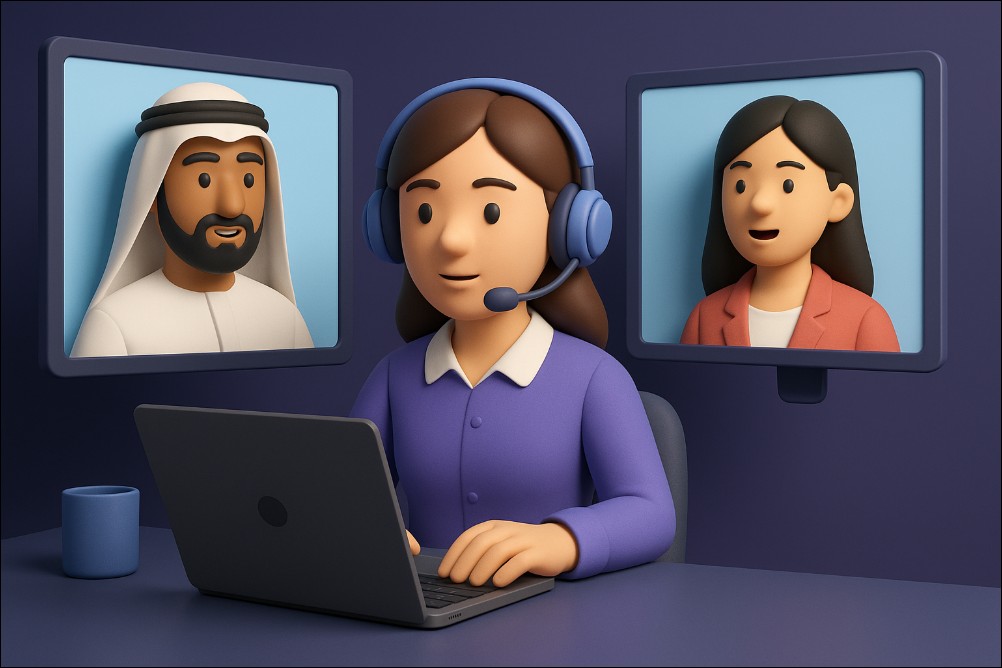
Traditional speech translation technology typically faces bottlenecks such as language switching delays, intonation distortion, and semantic incoherence. By integrating Azure cloud computing capabilities with deep speech models, Microsoft has successfully reduced speech processing latency and achieved performance close to human simultaneous interpretation. This breakthrough significantly enhances the fluency and real-time nature of multilingual conversations, bringing a brand-new communication experience to global cross-language meetings, educational settings, and social application scenarios.
“Personal Voice” technology: preserving the speaker’s style and emotion
Another highly appealing feature is the voice style preservation technology called Personal Voice. This technology preserves the original speaker’s intonation, speaking rate, tone, and emotions as much as possible during speech translation, making the final translated speech sound more authentic and contextually coherent.
In many situations that require emotional expression or conversational tone—such as customer service, online teaching, public speaking, and audio tours—the authentic presentation made possible by the “Personal Voice” feature will make it easier for listeners to understand and resonate.
Additionally, Microsoft noted that this feature incorporates enterprise-grade authorization and permission controls, meaning personal voice models are used only with user consent, safeguarding the privacy and exclusivity of users’ voice data.

Diverse application scenarios: from customer service and education to livestream e-commerce.
In its official announcement, Microsoft clearly stated that the Real-time Translator API has application potential across a wide range of industries, with specific scenarios including:
1. Multilingual Customer Service and Call Center
Many international companies facing global customers need to handle calls and inquiries from regions with different languages. Through a real-time interpreter API, customer service staff can instantly understand and respond to customer questions in different languages, improving response speed and customer satisfaction.
2. Online Meetings and Virtual Events
In international meetings, this API can translate participants’ speech in real time, allowing each attendee to communicate in their most familiar language, no longer relying on traditional simultaneous interpretation equipment or sentence-by-sentence translation, reducing communication friction.
3. Multilingual Teaching and Cross-Border Education
Educational platforms and online courses can apply this API to provide real-time translation and explanation for students from different language backgrounds, enhancing classroom inclusivity and learning efficiency. It is especially suitable for language learning, international education, and educational equity initiatives.
4. Social Commerce and Livestream Shopping
In the live-streaming e-commerce model popular in Asia, presenters can interact with global audiences through real-time translation services, without worrying about language barriers, thereby expanding their potential audience and market reach.
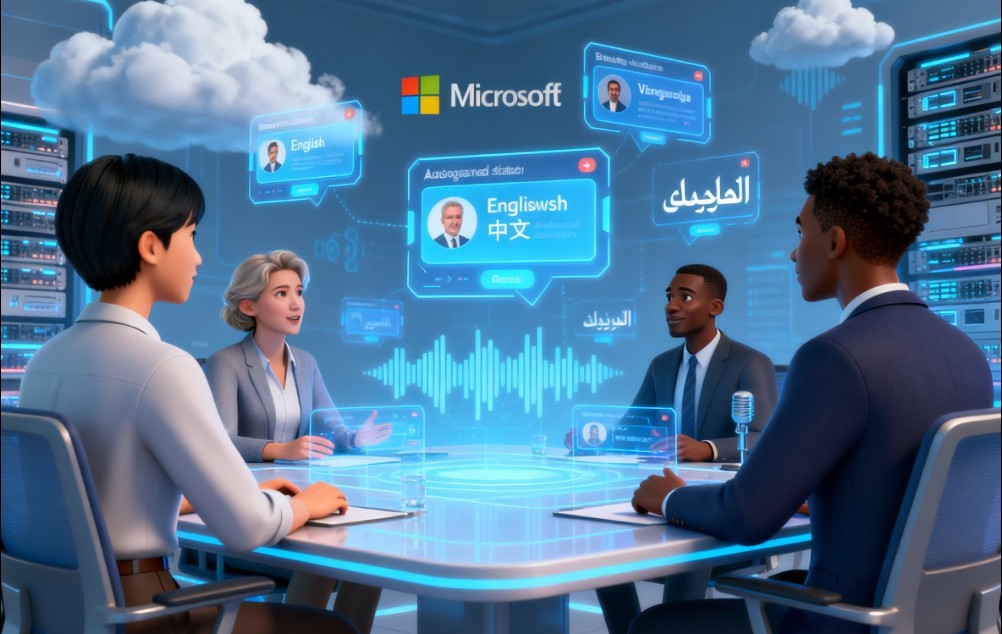
Case Study: Anker Innovations Partners with Microsoft to Expand Immersive Audiovisual Experiences
In the collaboration case between Microsoft and the well-known Chinese tech brand Anker Innovations, it demonstrates the API’s performance and value in real-world applications. Anker Innovations stated:
「我們很高興與微軟合作,展示AI如何與日常科技結合。以Azure語音翻譯即時翻譯員能力為基礎,我們能為全球用戶帶來更智能、更直觀、更具沉浸感的視聽體驗。」
Technical Integration and Developer Focus: Easy-to-Use Developer Experience
Microsoft also provides developer-oriented quickstart guides to help developers quickly understand the API structure, integration process, and deployment methods. Developers can choose mainstream programming languages such as C# and Python for development, and it supports multi-platform deployment, making it easy to integrate into existing applications.
It is worth noting that the “Real-time Translator API” is currently not directly available to general end users, but rather serves as a development feature for third-party applications or websites to integrate and offer indirectly. Therefore, end consumers will experience its translation capabilities and voice preservation features through services that integrate this API, such as apps, meeting platforms, customer service systems, or education platforms.
Further Reading and Technical Details:
-
Microsoft official announcement:Announcing Live Interpreter API – Now in Public Preview
-
Microsoft Document Center:How to use the Live Interpreter API for real-time voice translation
Source: KOCPC Chinese