


Just like when buying a tablet, e-book readers also come in different sizes, ranging from small models of 6 or 7 inches to large-screen models of more than 10 inches. The issue of size when purchasing often makes people choose. So when purchasing a reader, what factors should you consider to get the product that best suits you? This time, the author has helped you sort out some key points to help you eliminate hesitation.
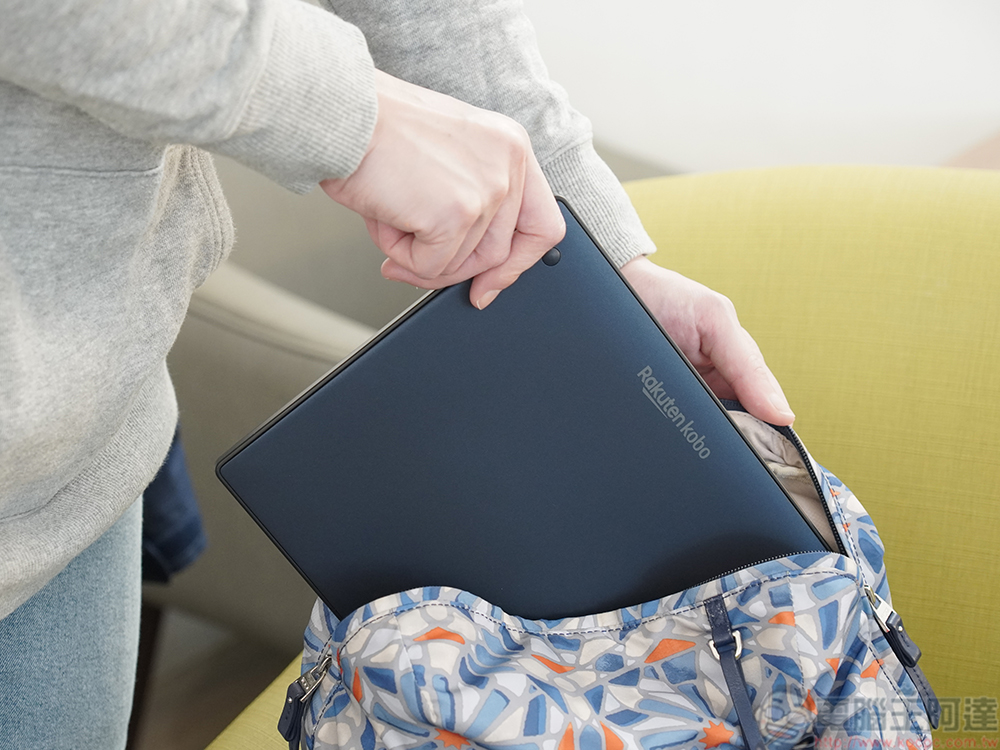
There are large and small e-book readers. How should you choose the size?
In the last time, we have discussed the biggest watershed in the field of e-book readers-Open system vs. closed system, if you have already decided which way to lean, then this time we will exclude the budget first (this is very personal, the larger size will be more expensive, you decide for yourself), and further talk about some key points that you can consider when choosing the size of the reader.
reading situation
When it comes to reading situations, we can immediately relate to “portability”. If you read every day while commuting or driving, then for you, an e-book reader is an electronic product that you can take with you. You can prioritize products that are easy to put in your bag, easy to store and store, and smaller in size (especially those who are used to carrying small bags when going out). If you mainly stay at home or in the studio and have little need to carry it out, then you don’t need to consider portability as the primary condition. You can include large-size models with larger layouts and more display content as your first choice.
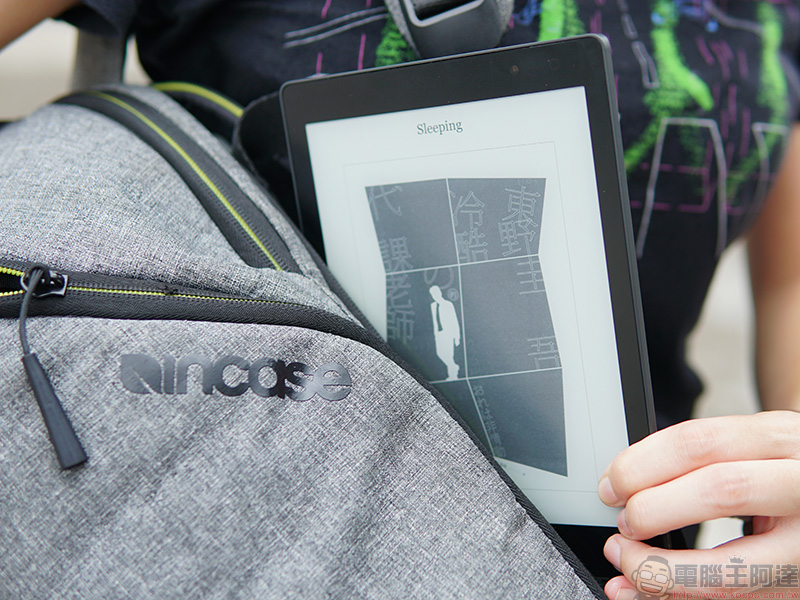
Reading book types
Secondly, you can think about the types of books you usually read:
- Read comics, magazines, etc.
For books with a lot of pictures, such as comics and magazines, large-size models larger than 7.8 inches are better. The large size allows the pictures on each page to be displayed larger and clearer, especially the dialogue in the comic. It is easier to read on the large-size model. There is no need to use the magnification function (if there is one) or consume too much eyesight, and the same page will not be divided due to magnification.
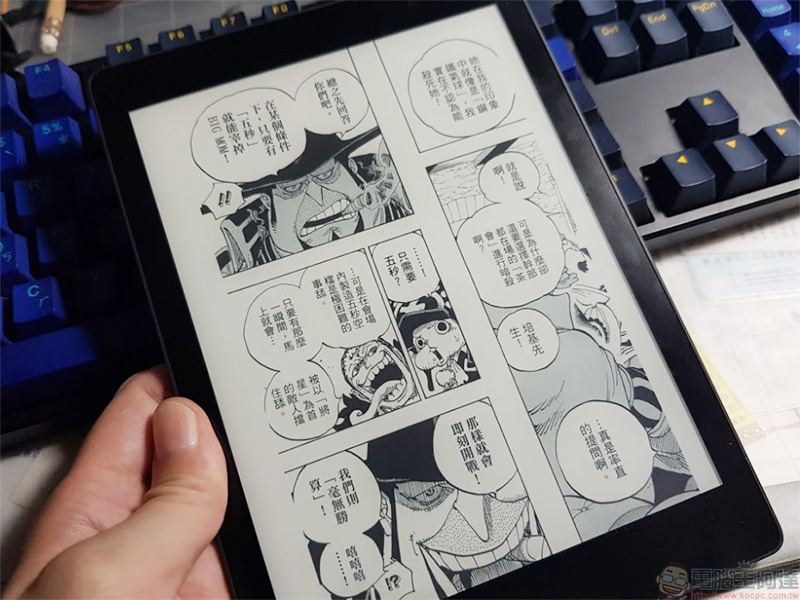
- Text-only books
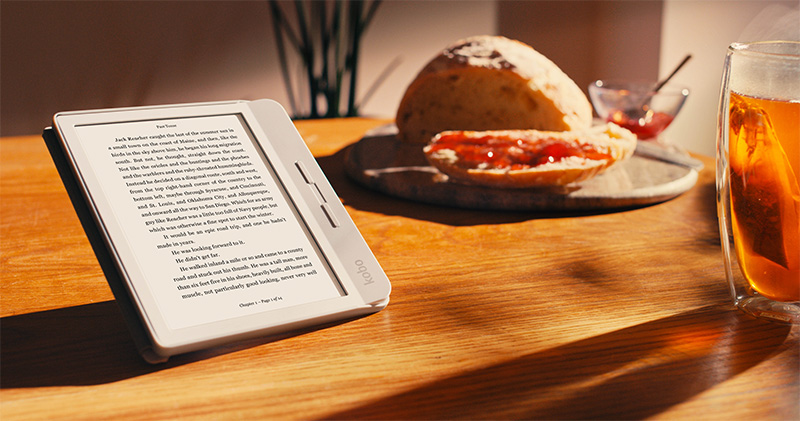
If you like to read novels, essays and other books with pure text content, even the smallest 6 inches can be read comfortably using the font adjustment function of the reader. However, if you are a fast reader like the author or want a better reading experience without the need to carry it out, you can also choose a larger screen size, which is enough to display more lines even if the fonts are enlarged.
Other usage habits
The so-called other usage habits are mainly based on “whether you can take notes”, and other personal preferences will not be mentioned.
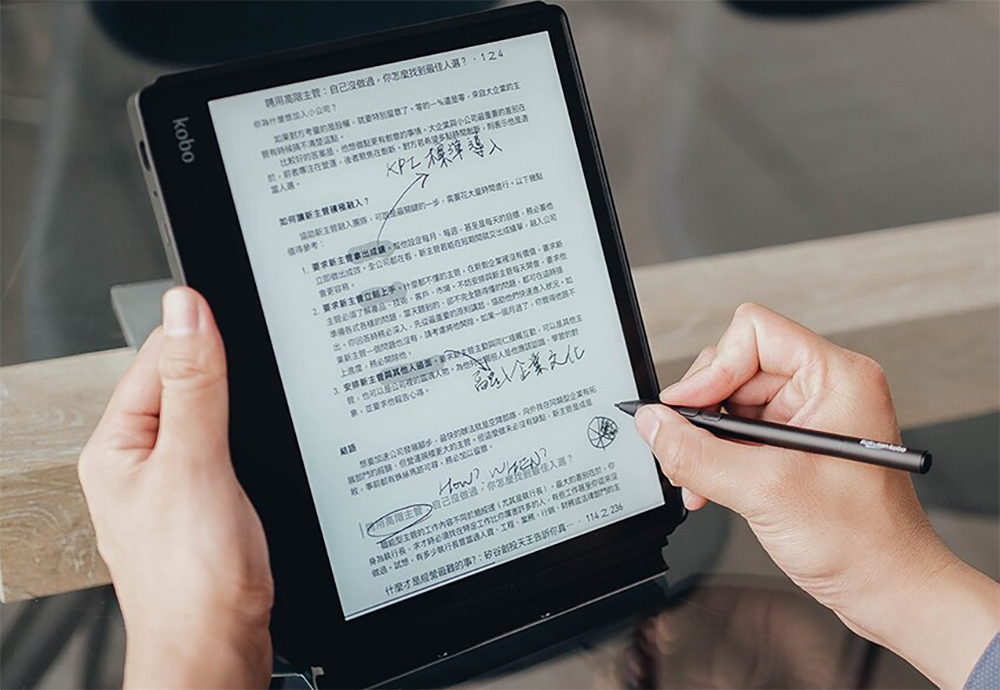
If you are used to adding thoughts, notes, or taking notes while reading, the space of a small-sized model is obviously more limited. Readers of 10 inches or more usually come with a stylus (some products are available as an add-on purchase), which is very convenient for highlighting, drawing, annotating, or handwriting notes.
Additional specifications
If you have already made some assumptions based on the points mentioned above, then the next step is to compare the details.
In the e-book reader specifications table, in addition to the main built-in capacity, screen size, and resolution, you can also check whether a reading light is required, whether the storage space can be expanded, battery capacity, and whether subsequent warranty repairs are convenient, etc. based on personal needs and preferences. Putting the items in your pocket list together and focusing on the details (and budget) will hopefully speed up your purchase.
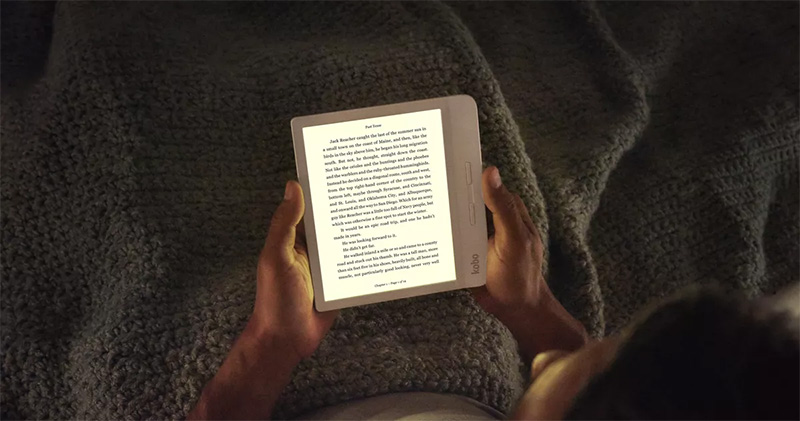
If you really have no idea about the size, we strongly recommend that you go to a physical store to try out your favorite model, so that you can truly experience the real feeling of holding it in your hand and reading it, and enjoy your reading time!
Source: KOCPC Chinese