


Since the rise of AI, many of the images you see online every day are generated by AI, and AI imagery has evolved to become so refined that it’s hard to tell real from fake. Especially on social media platforms, where real photos and AI images appear side by side—can you tell which ones are genuine photos and which are AI-generated?
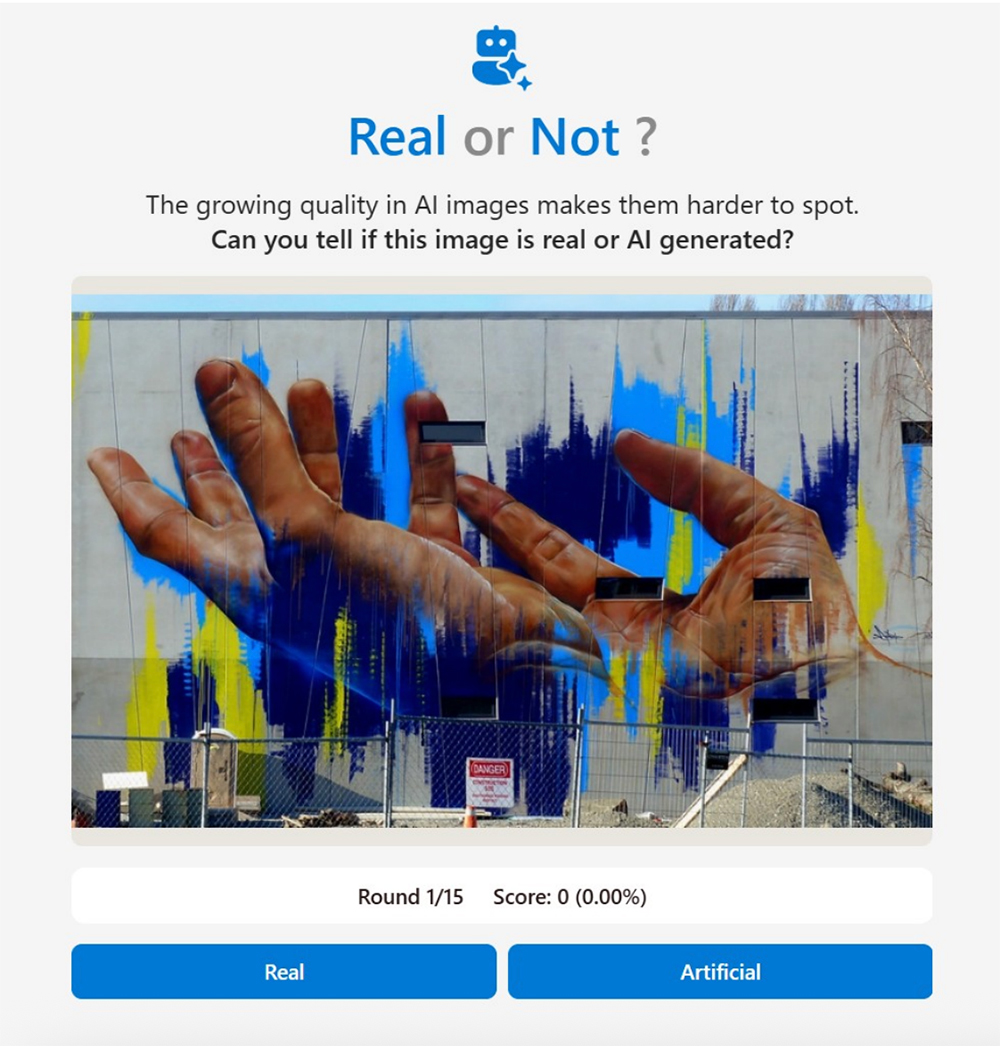
A new Microsoft research report shows that humans are poor at judging AI-generated images.
Microsoft recently announcedin a new AI for Good research paperOutlining an experiment with over 12,500 global participants and 187,000 image evaluation trials, the results showed that the overall success rate for distinguishing AI-generated images from real images was only 62%. This indicates that humans’ ability to discern these AI-generated fake images is limited, with success rates slightly above chance.
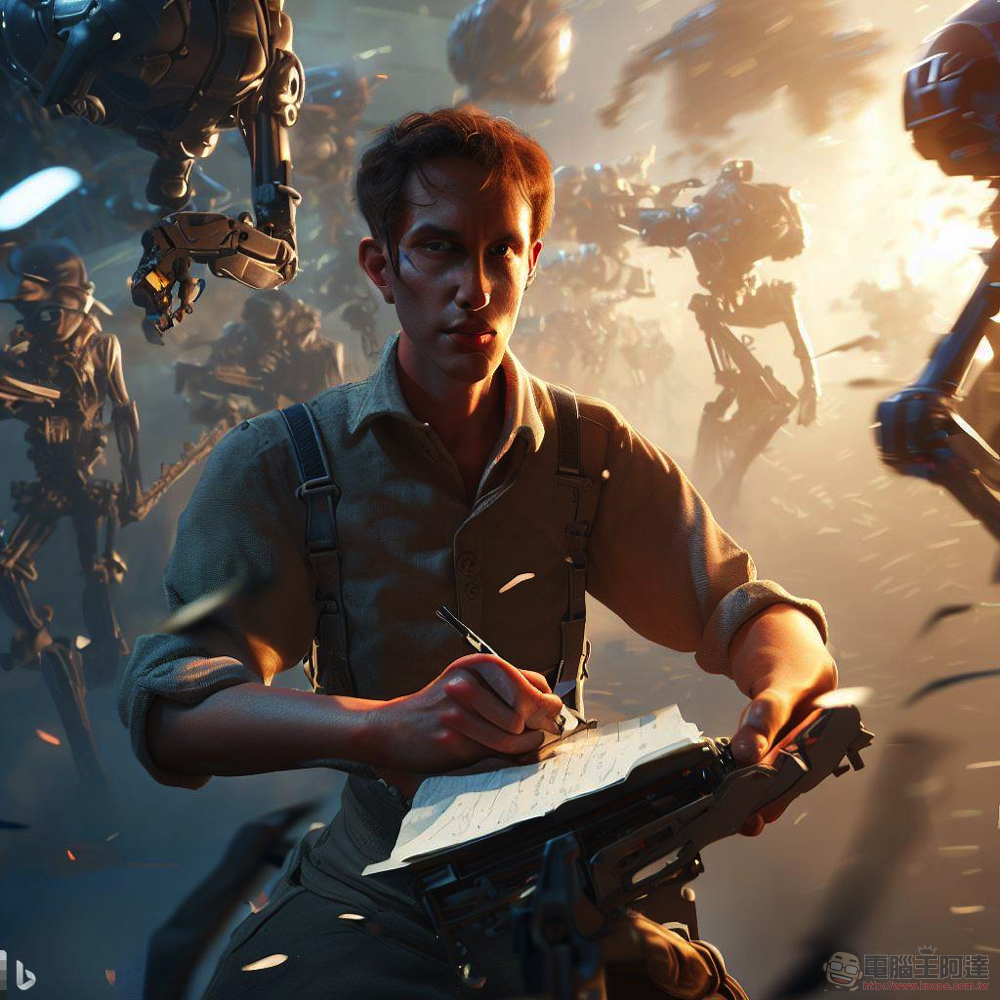
Research found that participants could easily distinguish the authenticity of human portraits, but struggled significantly with natural and urban landscapes, with success rates dropping to 59-61%. The low scores highlight the challenges humans face in distinguishing AI-generated images, particularly in images that lack obvious artifacts or stylistic clues.
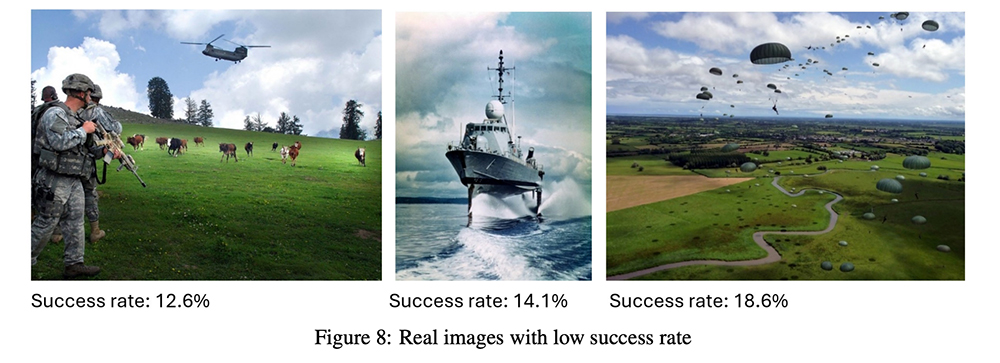
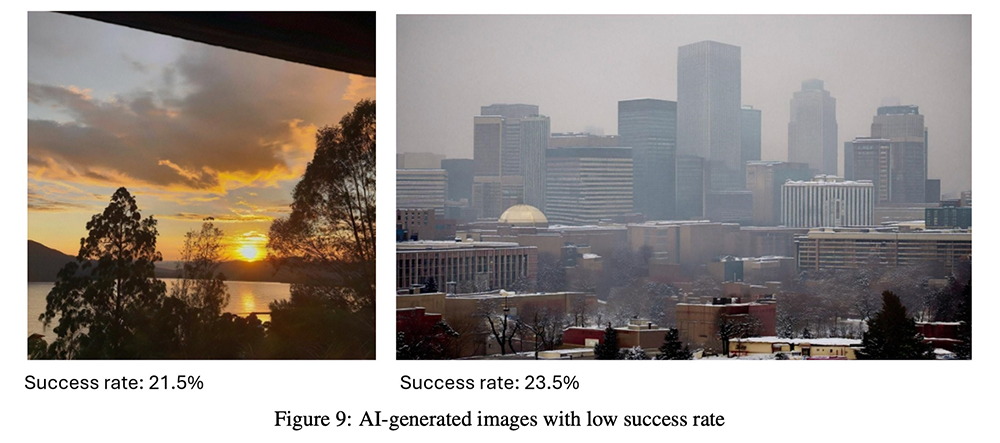
In the study, participants played a “real or fake” quiz game in which they were shown AI images that they might encounter online in real life. The researchers avoided selecting only carefully curated or highly misleading images. Additionally, the study noted that AI is constantly improving, so future models may produce even more convincing, realistic images.

Microsoft calls for transparent tools such as watermarks and powerful AI detection tools to eliminate the risk of misinformation generated by AI content. To help people understand these dangers, Microsoft previously launched a campaign targeting AI-generated misinformation. Researchers can also use their own AI detection tools, and these tools are able to achieve a 95% recognition success rate on both real images and AI-generated images across various categories. This shows that machine assistance, even if not perfect, is far more reliable than relying on human judgment alone. Additionally, even if there is a clearly visible watermark in the corner of an image, malicious actors trying to deceive people with fake images can simply crop it off with basic tools, or make it harder to see.
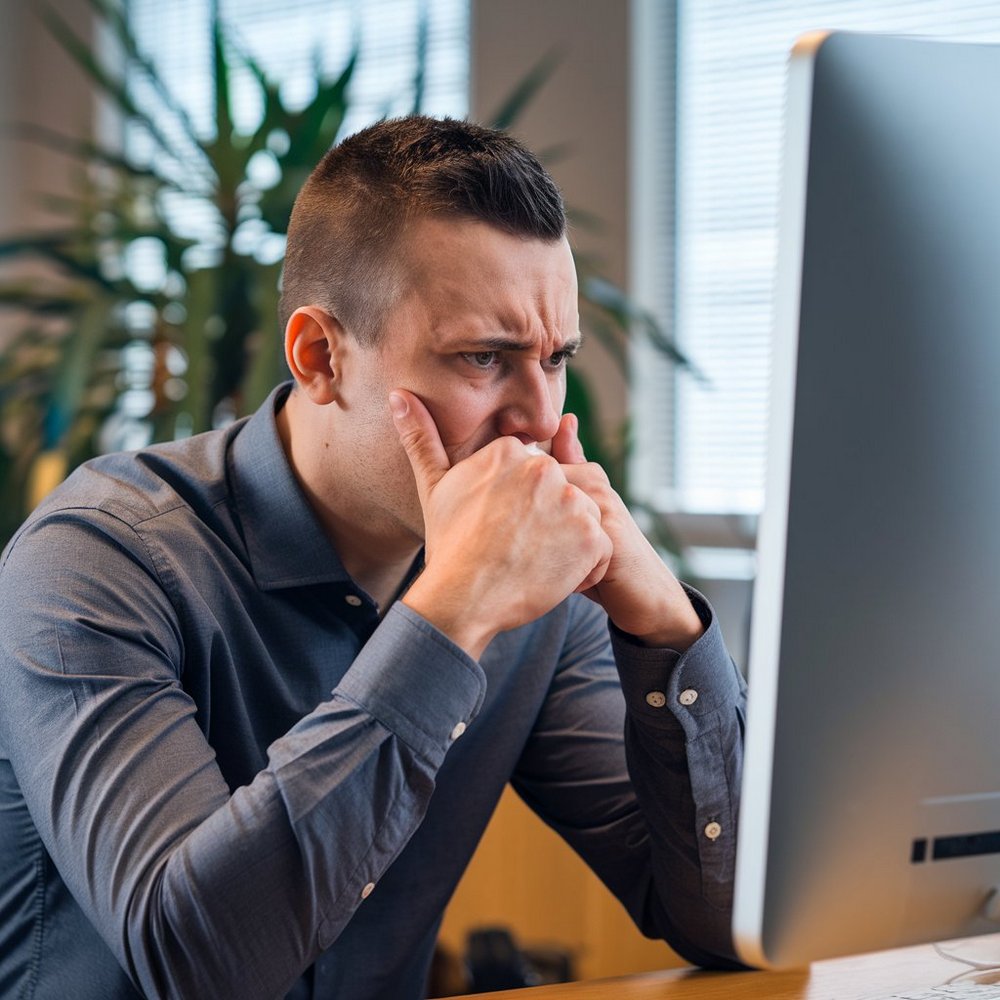
Researchers noted that humans may be better at recognizing AI-generated faces because we are naturally equipped with strong face recognition abilities, and we may be able to detect anomalies in AI portraits. Interestingly, the study found that older generative adversarial networks (GANs) and restoration techniques were very effective at deceiving users, because the images they produced looked like amateur photography rather than the studio-grade aesthetic of popular models like Midjourney and DALL-E 3.
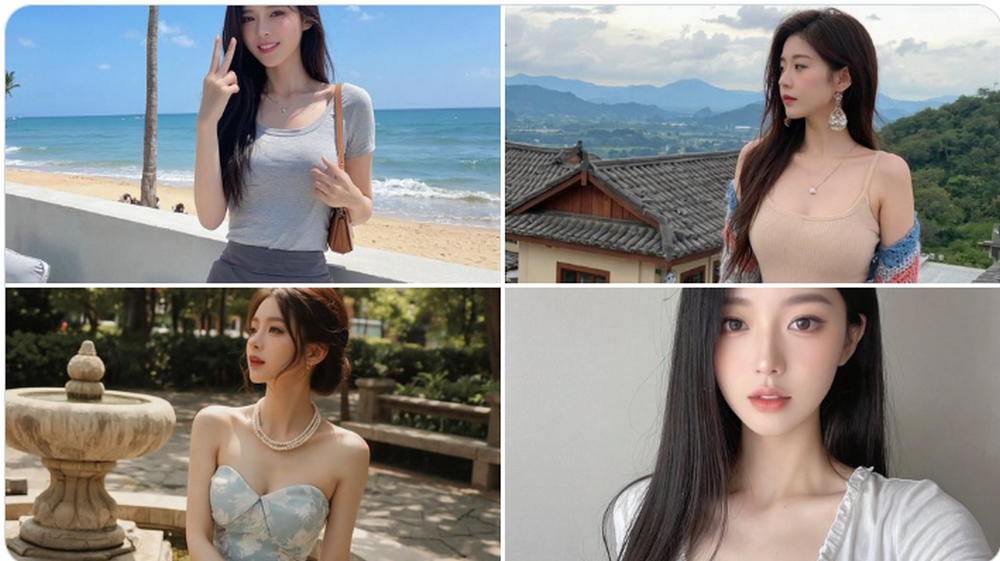
Image restoration is an interesting technology that uses AI-generated content to replace small elements within real images. Microsoft points out that this makes forged images extremely difficult to identify, posing a significant risk for promoting false events. This research highlights how easily humans can be deceived by AI and serves as a reminder that tech companies need to develop technologies to try to prevent the malicious spread of such images.
Source: KOCPC Chinese