


The two main connection methods currently used to stream music to wireless speakers are Wi-Fi and Bluetooth. They both seem to be good, but which one is your best choice? These two common wireless transmission methods each have their own advantages and disadvantages, so how do you choose to use them? This time let’s take a closer look at the characteristics of the two wireless transmissions.
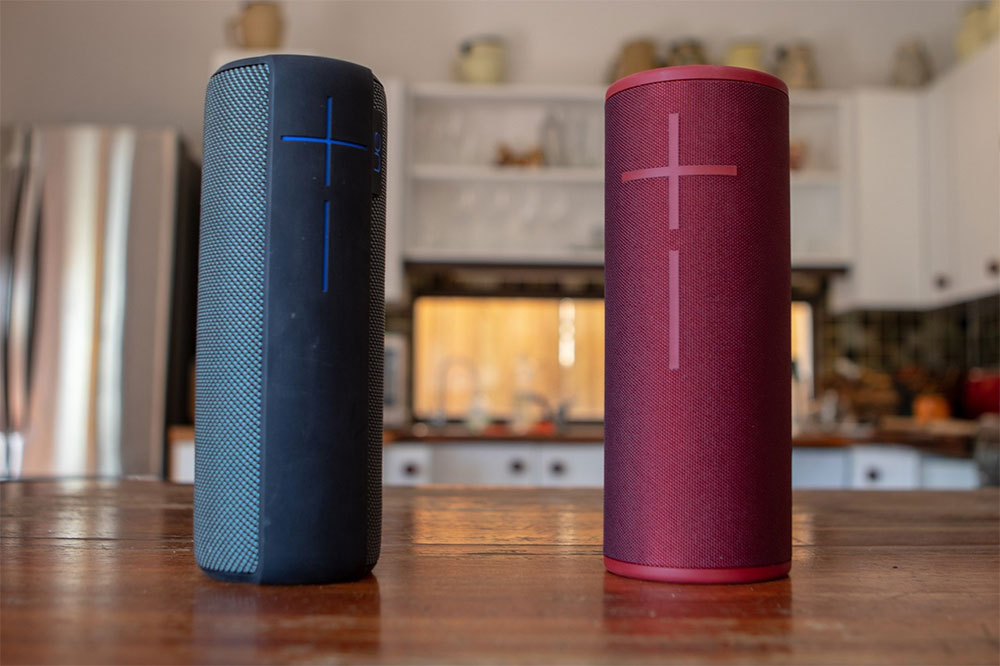
Bluetooth or Wi-Fi, which wireless method is better for streaming music to speakers?
The difference between Bluetooth and Wi-Fi in music streaming
While Bluetooth and Wi-Fi are both methods of wireless communication, they operate very differently, and each type has its own advantages and disadvantages.
Bluetooth connections are direct, meaning your phone transmits data directly to a Bluetooth speaker or Bluetooth wireless headset, for example. Because the bandwidth only has such a fixed size, it also brings some limitations to the surface. The limited bandwidth of Bluetooth means that the audio stream needs to be compressed before it can be transmitted wirelessly. This also means that no matter how high-quality your audio source is, the compression of Bluetooth transmission will reduce the sound quality.
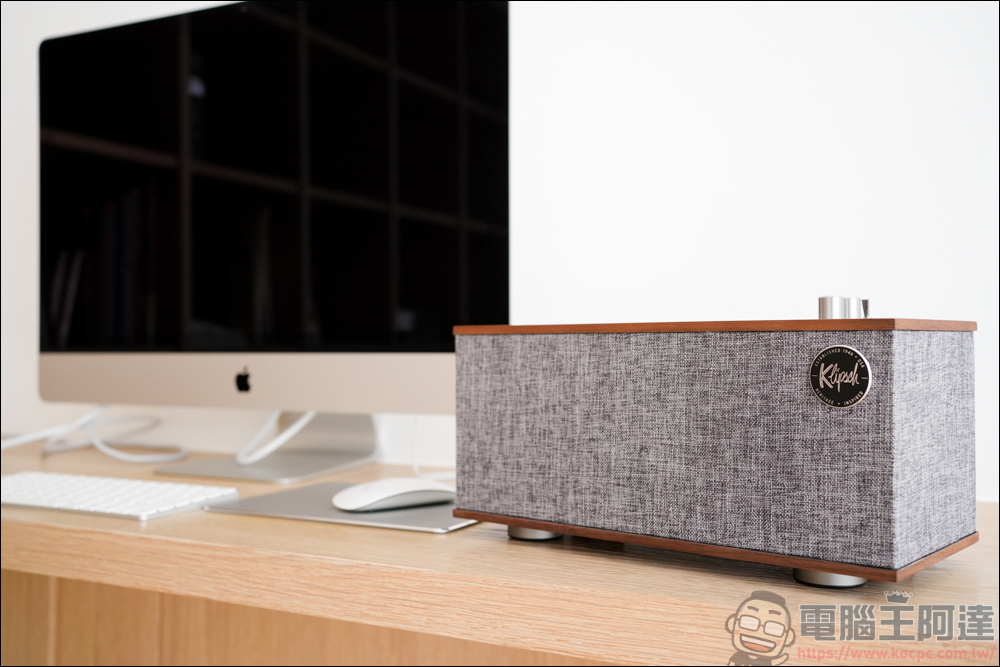
Wi-Fi is the opposite of Bluetooth. Your phone or other device communicates with the router, which then sends the signal to other devices at speeds approaching those of wired Ethernet, which means there’s no reason to compress audio files. As it stands, if you want audio quality to remain at a high level, WiFi is the better choice.
Advantages and Disadvantages of Bluetooth Streaming Music
Although Bluetooth music cannot provide the same level of audio quality as Wi-Fi, it has many advantages that Wi-Fi cannot match, especially for wireless headphones, so it is still a very practical and currently irreplaceable technology. Next, let’s talk about the advantages and disadvantages of Bluetooth transmission of streaming music.
Bluetooth cannot transmit as much data volume
As mentioned earlier, Bluetooth only has a fixed bandwidth, especially when using the built-in SBC codec, which will cause the audio stream to be relatively heavily compressed, even when using Apple’s ACC codec. There are currently higher-quality codecs, such as LDAC and Bluetooth LE Audio, which have a bright future, but even so, Bluetooth is not yet very good at supporting lossless or high-resolution audio.
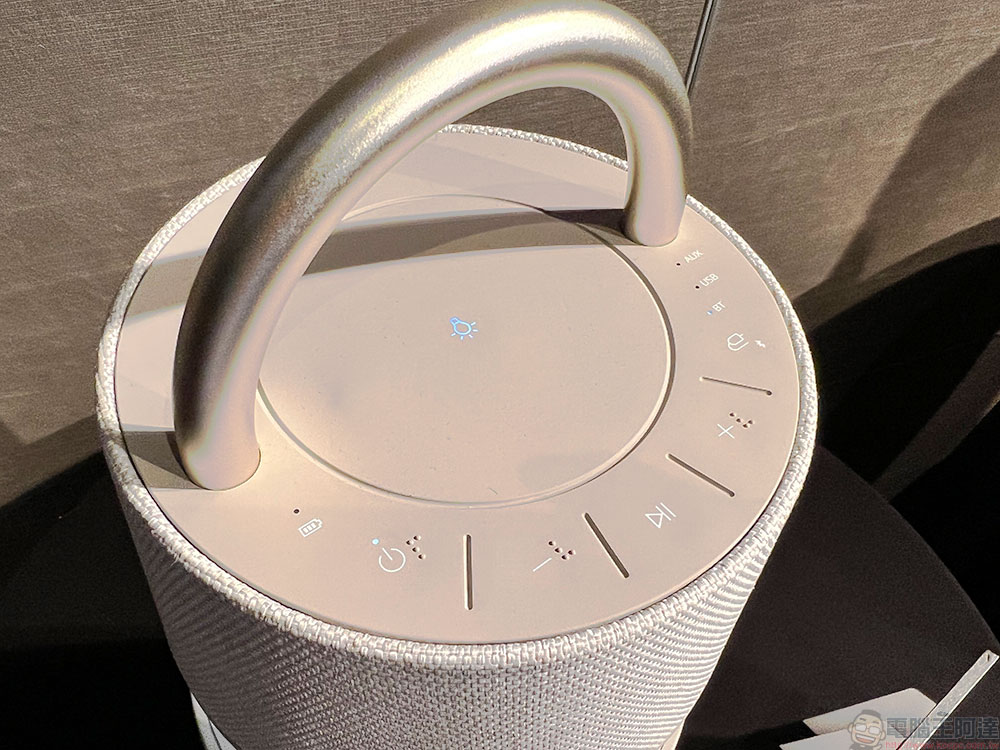
Bluetooth works with most streaming services
Bluetooth may not provide the highest quality audio, but the good news is that in many cases that doesn’t matter. If you listen through Spotify most of the time, a higher bandwidth connection won’t provide any kind of upgrade anyway (since Spotify doesn’t have the best audio quality). Other streaming services like Amazon Music Unlimited, Apple Music, and others offer lossless audio, high-resolution audio, or both. You may notice that the audio sounds slightly improved when transmitted over Wi-Fi, but it only “sounds slightly.”

Bluetooth is easier to use
The process of pairing Bluetooth speakers or headphones is very simple and straightforward, Wi-Fi on the other hand requires a router and being logged into your Wi-Fi network on each device. Bluetooth only requires a mobile phone and a wireless speaker to bring music anywhere. So, if you are looking for a wireless speaker that is easier to use and more portable, Bluetooth is certainly the first choice.
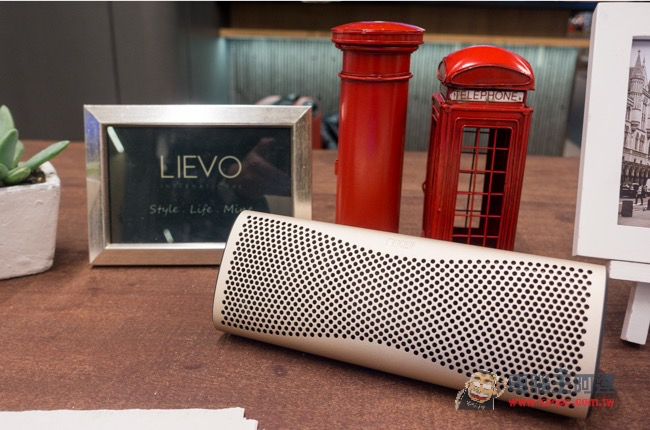
Pros and cons of streaming music over Wi-Fi
While Wi-Fi offers higher bandwidth and the best overall wireless audio quality, it’s not the best choice for everyone, especially if you’re considering getting smaller speakers.
Wi-Fi is not easy to carry
Compared to the last point above about Bluetooth, Wi-Fi is relatively more complicated to set up and less portable. This doesn’t matter if you plan to set up a stereo system at home; but if you want to take it with you for listening and partying, Wi-Fi usually doesn’t allow you to take it with you. Nonetheless, there are some wireless speakers on the market that support both Wi-Fi and Bluetooth, allowing you to choose which connection method to use depending on the situation and situation.
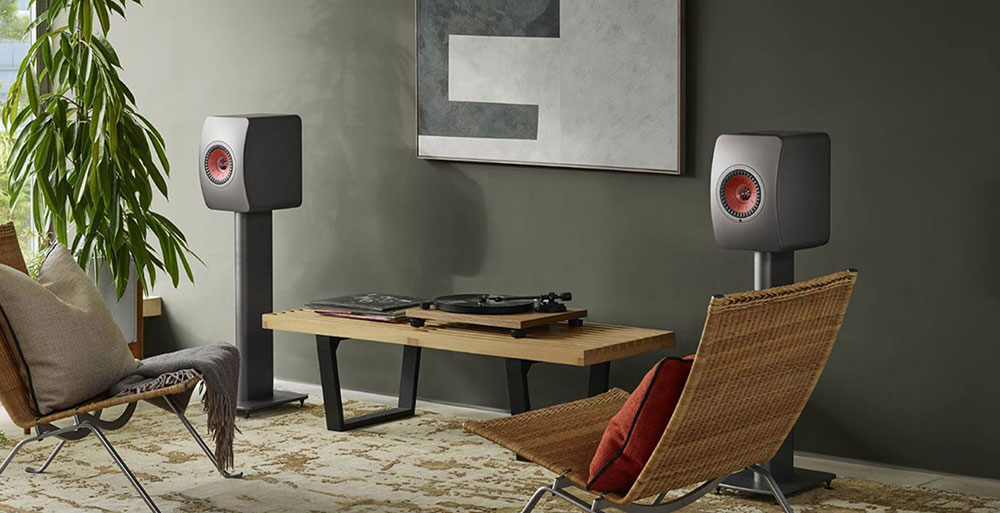
Wi-Fi is better for CD quality and high-resolution audio
If you have a collection of lossless high-resolution audio files, or are using a streaming service that provides high-resolution audio, Wi-Fi is better at this. The only codec used here depends on the codec your file or streaming service is using, and no additional compression is required. Bluetooth is already very convenient for pop music, but if you like to listen to classical, jazz and other distinct music types, you will be able to hear more details through the lossless audio transmitted through Wi-Fi.
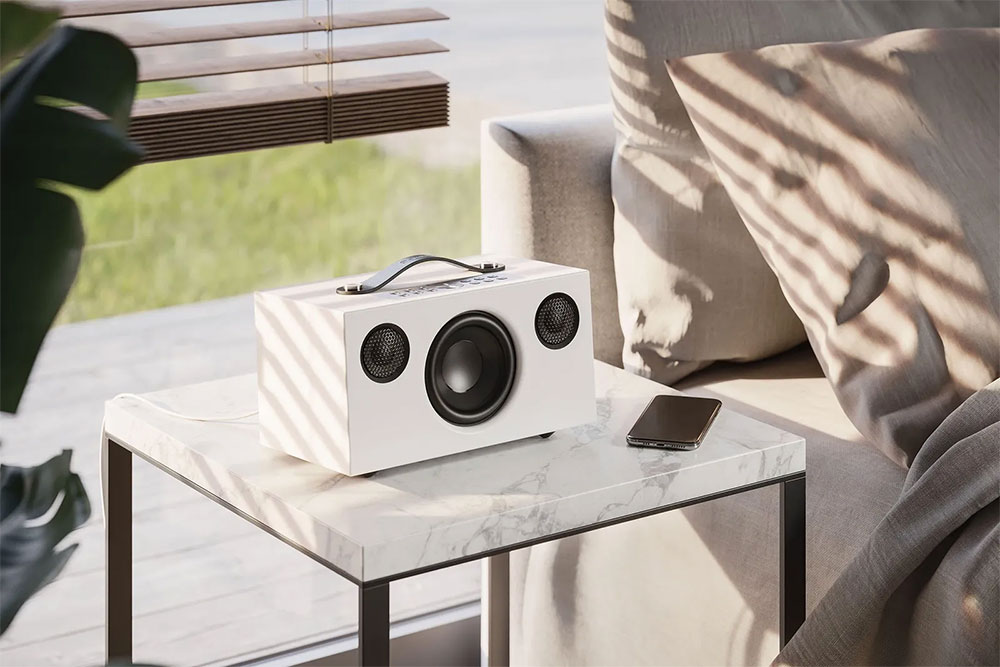
Wi-Fi is more suitable for multi-space audio
As mentioned before, Bluetooth can be activated at any time and communicate directly from device to device. Some Bluetooth speakers let you cascade and pair multiple speakers together, but this still doesn’t really allow for an accurate multi-space setup. Since Wi-Fi allows the router to handle the signal, it is easier to use for multi-space audio. Connect different speakers in each room, log them all into your wireless network, and then start playing music simultaneously, so that the entire home has consistent music playback.

When it comes to streaming and listening to music, is W-Fi necessarily better than Bluetooth?
From a data perspective, Wi-Fi can provide much higher audio quality than Bluetooth, including lossless and high-resolution audio, but this does not mean that Wi-Fi is a big winner. If what you need is portability, it goes without saying that Bluetooth will definitely win. Audio quality may be the most important thing in a home stereo, but before deciding between Wi-Fi and Bluetooth, always remember to think about where and how you will use the product. If you have the budget, look for one that supports both connection methods, and even better, you can switch at any time.
Source: KOCPC Chinese