


These days, the abuse of AI-generated images has spread from social media to daily consumer disputes. Recently, after taking his son home from the emergency room in Boca Raton, Florida, a father, Bert Gor, received a fraud warning from his bank: a “vehicle damage cleaning fee” of US$75 (approximately NT$2,350) was charged to his Lyft account. He asked his 14- and 15-year-old daughters about the situation. The daughters said they had just taken a Lyft home from the beach. They were still wrapped in towels and had no food or drink in the car. It was impossible to dirty the car.
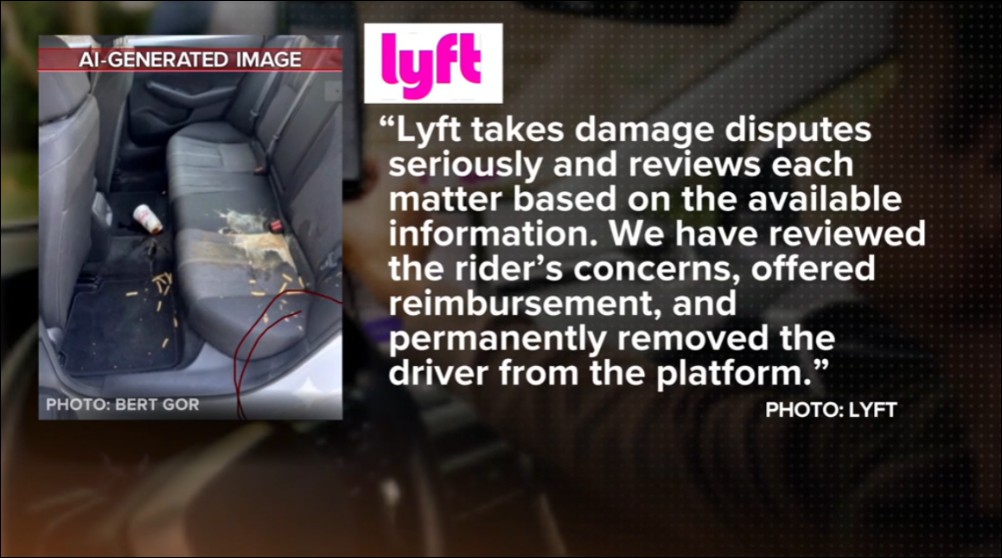
Gor then asked Lyft for evidence via customer service chat. The platform responded that the driver had submitted on-site photos of the damage inside the car and sent a picture showing the back seat and carpet covered with drink and chip residue. However, Gor’s daughter Ella discovered the problem at a glance: Google Gemini’s AI watermark logo is clearly visible in the lower right corner of the photo.
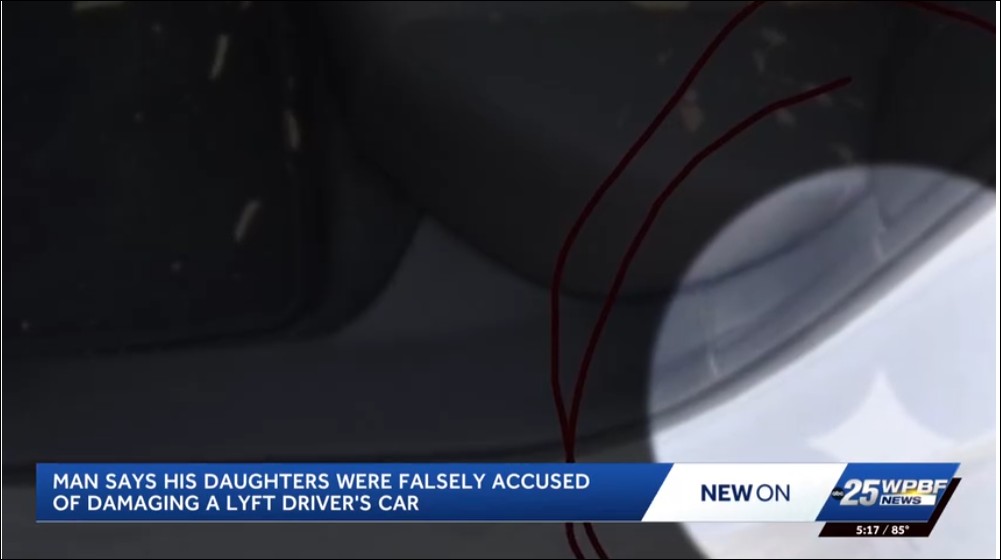
“I saw that was the AI logo, and I said, ‘That’s fake, that’s not real.'” Gor recalled in an interview with ABC News’ “Good Morning America” program afterwards.
What Happened: The $75 Nightmare Home from the Beach
It happened on the afternoon of Saturday, May 16. After Bert Gor returned home from the emergency room with his son, a notification from his bank popped up on his phone, showing that a $75 charge had been added to his Lyft account. Gor’s first reaction was to blame his daughter. “I thought to myself, these two girls are not going to go out all weekend.” He recalled with a smile in an interview with “Good Morning America”.
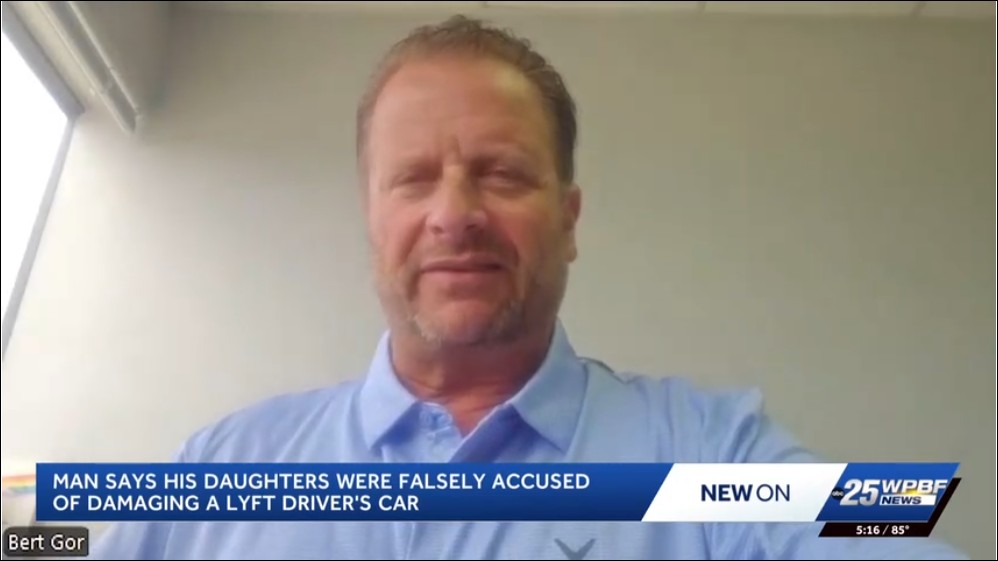
But things quickly took a turn for the worse. Ella and her friends took a Lyft home from the beach that day, wrapped in towels and without any food or drinks. After Gor contacted Lyft customer service and asked to see the evidence, customer service sent a “photo of the damage” submitted by the driver. Photos show that the back seat and carpet of the car are covered with drink spills and chip residue, making it look like a mess.
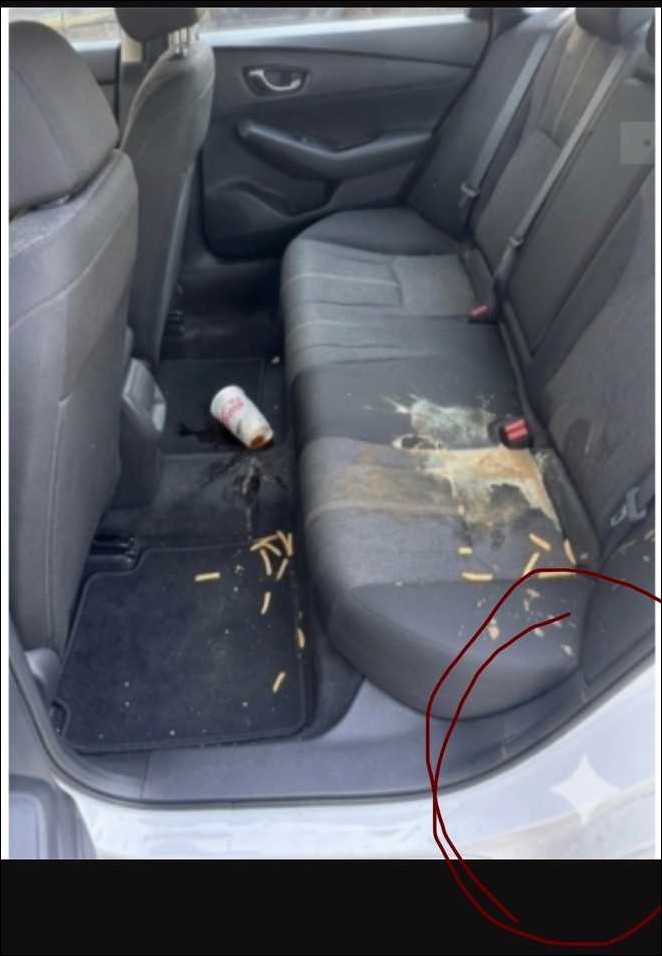
When Gor showed the photo to his daughter, Ella, who was behind him, immediately discovered the flaw: there was a clearly visible Google Gemini logo in the lower right corner of the photo. Gemini is Google’s AI assistant with the ability to generate images and videos. This watermark is the standard mark of AI-generated images.
Platform admits fraud and permanently bans driver
Gor immediately reported to Lyft customer service that the photo was generated by AI. After confirmation, customer service agreed that the photo was indeed untrue, apologized to Gor, and permanently removed the driver from the platform. A Lyft spokesperson said in a statement: “Lyft takes damage charge disputes very seriously and reviews each incident on a case-by-case basis based on available information. We have reviewed the passenger’s concerns, provided a refund and permanently removed the driver from the platform.”
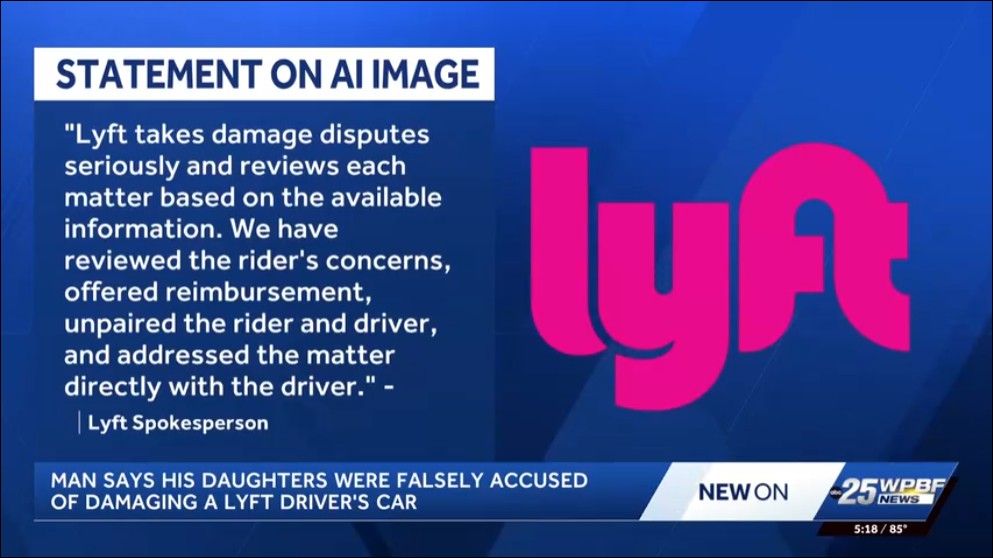
After Gor posted his experience in a local Abacoa community Facebook group, he received an unexpected outpouring of responses. Many netizens have reported that they have encountered similar situations, indicating that this is not a single incident, but may be a spreading fraud pattern.
The incident was subsequently reported by many mainstream media, including local and national media in Florida such as ABC News “Good Morning America”, CBS12, WPTV, and WSVN 7News. Ella expressed her concerns during the interview: “How could you take advantage of a child like this? Most people would never find out if they didn’t see the deduction.”
The daily crisis of AI fraud
This incident highlights a growing problem: AI-generated image technology is further penetrating from Internet memes and social media fakes into fraudulent behaviors in daily business transactions. In the past, damage fee disputes on ride-sharing platforms often involved the falsification of the time or location of real photos; now, even the photos themselves can be completely fictionalized by AI. As the quality of AI image generation tools such as Google Gemini, OpenAI DALL-E, and Midjourney continues to improve, the threshold for forging photos has been greatly reduced, and ordinary consumers often lack the ability to identify AI-generated images.
In this case, the scam was discovered purely because Google Gemini automatically added a watermark when generating the image. However, not all AI image generation tools will add such obvious marks, and as technology advances, these watermarks may become more subtle or even removed. If the person hadn’t noticed the little sign, the $75 fee might have been charged for no apparent reason.
In fact, this type of fraud is becoming more and more common. There are also cases in China where beggars have been caught using AI pictures to beg. There are also many frauds involving forged documents. These days, if you only see photos, you really can’t use them as evidence.
How to protect yourself: Things to note when taking a rideshare service
This incident is a wake-up call for all consumers who use ride-sharing services. Here are some practical self-protection measures:
Take photos and record before getting on the bus:Take photos of the current conditions inside the vehicle when entering the vehicle as a baseline record of the condition before riding.
Record again after getting off the car:Take photos of the interior of the vehicle before leaving it to ensure a complete and time-stamped record.
Check billing details:Check your bill immediately after each ride to see if there are any unusual extra charges.
Identify the characteristics of AI-generated images:Pay attention to common flaws in AI-generated images such as floating watermarks, unnatural lighting and shadows, blurred details, distorted text or objects, etc.
If you encounter unusual charges, appeal immediately:Don’t default to accepting any unreasonable additional charges and insist that the platform provide sufficient evidence.
Source: KOCPC Chinese