


Consumers have benefited from the proliferation and advancement of portable devices such as mobile devices, which can now play at very high volumes, and while adults (should) know that they must adjust the volume to avoid damaging their hearing, children often don’t understand this. So-called “volume limiting headphones” are beginning to appear on the market, mostly designed for children. So what are they? How to protect children’s hearing?
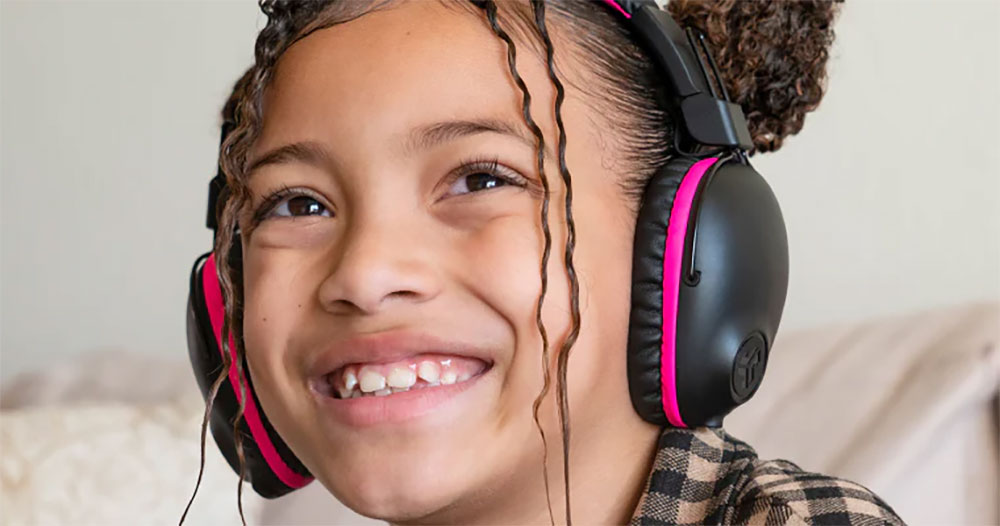
What are “volume limiting headphones”? Why is it recommended for children?
Why should kids use volume-limiting headphones?
Generally speaking, when you think of hearing loss, you think of environmental noise or loud noise in the workplace. However, most people suffer from hearing loss invisibly, slowly affecting their hearing through exposure to noise that is loud enough to damage hearing but does not alarm you. For example, mowing the lawn without ear protection for many years, listening to music with headphones at maximum volume, standing next to a large speaker at a concert to listen to the entire performance, etc., will slowly and continuously cause irreversible damage to your hearing.

As adults, we are aware (or should be aware) that using power tools without ear protection or turning headphones to extremely loud volume levels can damage hearing, but on the other hand, we forget that children may be exposed to this long-term risk as well. In fact, the problem of excessive device volume and hearing loss is so common that EU regulations limit the output volume of portable devices to 85dB. That’s still pretty loud, right on the edge of hearing damage, but certainly lower than the 100+ dB ceiling found on older devices like early iPods. If you buy a new device in the EU that complies with regulations, it will have a volume control.
How do volume limiters and headphones work?
There are two types of volume limiters, one is integrated with the headphones, and the other must be connected between the headphones and the audio source device. The design is very simple. The volume limiter is just moved to the headphone plug, cable or the resistor inside the headphone pair. You can even hack it yourself as long as you are good at electrical DIY. For those who are not familiar with electronic equipment, a resistor is a tiny component that, as the name suggests, creates resistance in a circuit. This resistance reduces the current delivered by the device to the headphones, thereby reducing the output volume.
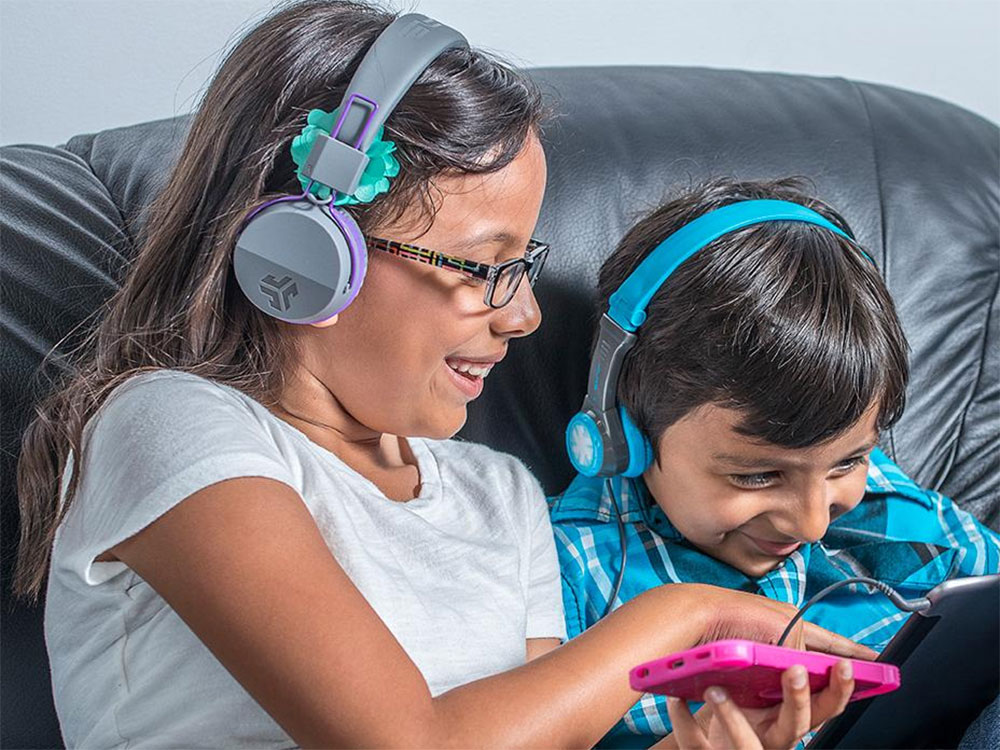
The type of resistor determines the degree of resistance and volume reduction. While no commercially available volume limiter does this, if you want to DIY it, you can put enough resistors in series together or use a single resistor strong enough to reduce the volume to inaudible levels. Commercially available solutions typically reduce the overall volume by 20 to 30%, enough to bring the maximum volume of a portable device down to a safer range. This is a physical solution. Unless you change to headphones that do not have print volume restrictions or remove the external volume limiter, the loud volume will be limited.
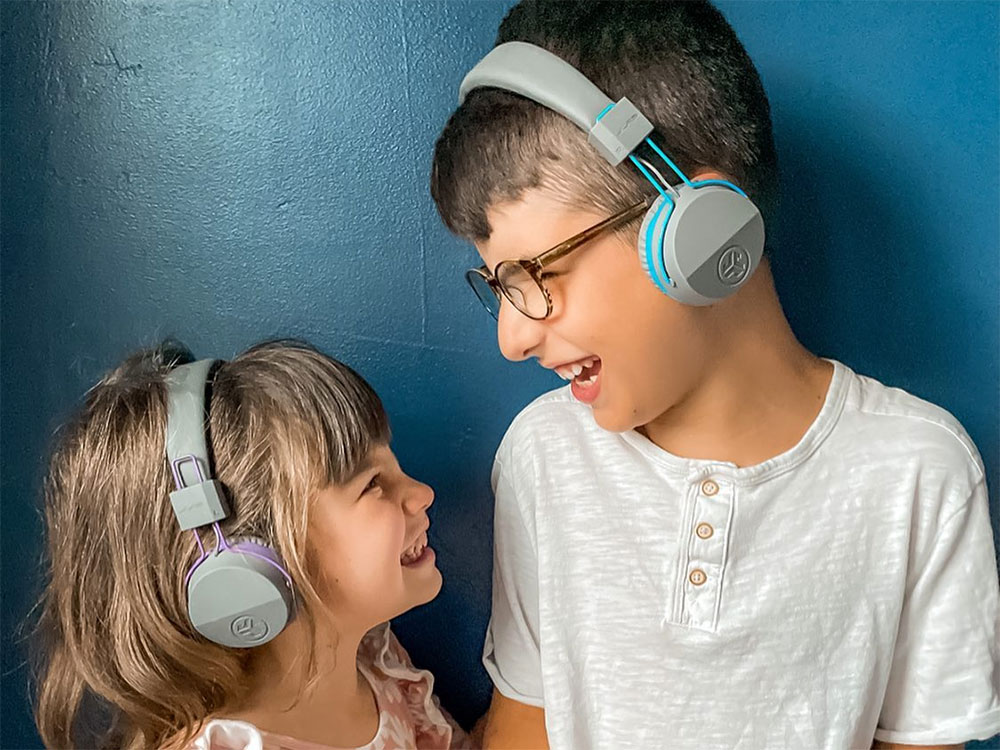
Although some devices use software to control the volume, the best option is to focus on products with volume limits built into the headphones. For example, Apple has always supported volume limits. If the device your child uses to connect the headphones is an iPad, you don’t have to worry. But if they detach the headphones and connect them to other devices, the volume limit will disappear. So using headphones with built-in hardware-level volume limits for your children is the easiest and safest option.
What should you pay attention to when buying volume limiting headphones?
You can find them everywhere in physical stores, but most of the products are currently available online. You can find a variety of volume limiting headphones and external volume limiters to meet your needs. But before you start buying, I would like to focus on some key details so that you can find the product that is most suitable for you and your children from the dazzling selection.
Over-ear headphones are ideal
While headphones come in a variety of sizes and configurations, it is highly recommended to choose over-the-ear closed-back headphones or in-ear earbuds rather than open-back headphones. The two headphones mentioned above can more effectively block external environmental interference and prevent sound from escaping, which means that children may never turn up the volume in order to hear the sound more clearly, and can hear everything clearly at a lower volume.
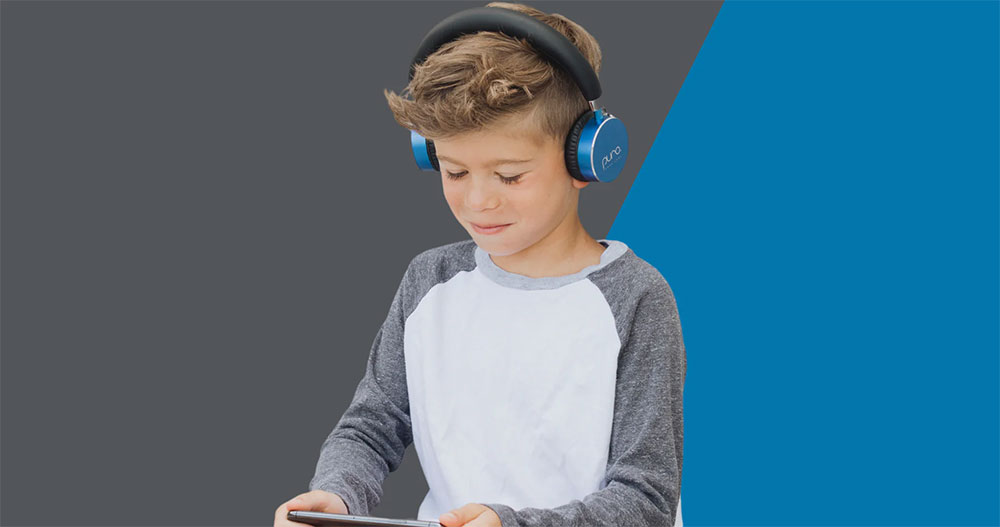
Note the adjustable volume limit
If you search for various volume limiting headphones on online platforms, you will find that some models have volume control switches (the picture below shows the models with volume control switches). The idea is primarily to make the product suitable for a wider age range, with the lowest settings (85dB or lower) suitable for younger children and/or quiet environments, while higher settings (like 95dB or even 100+ dB) are suitable for older children and noisy environments.
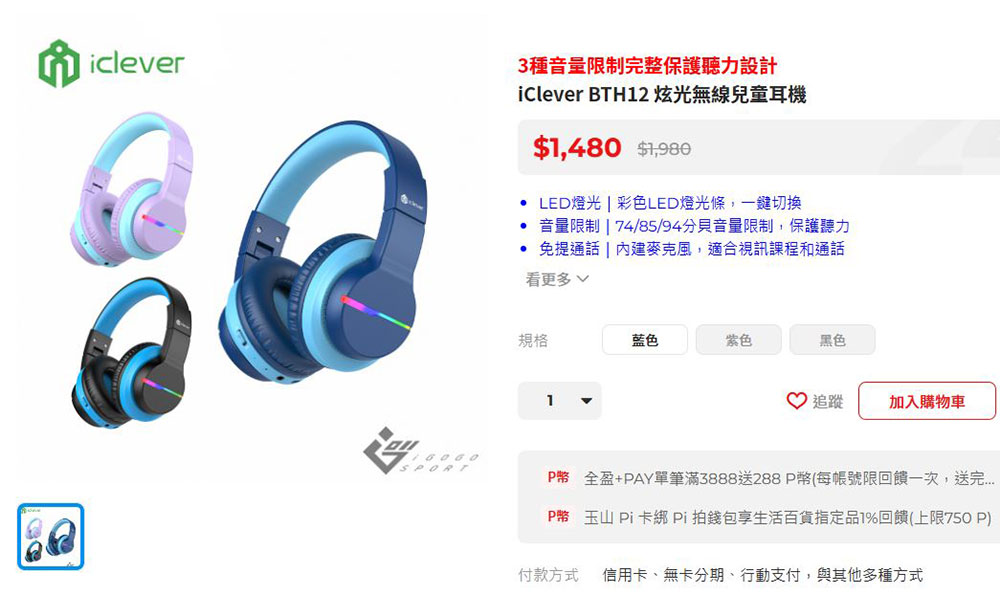
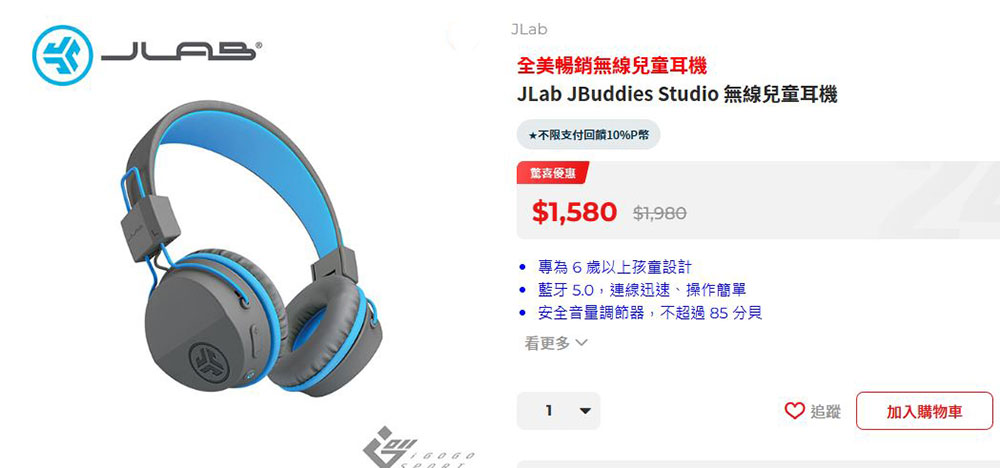
But hearing loss doesn’t depend on age or environment, and when your kids discover they can turn up the volume by flipping a little switch on the cup, the whole point of volume-limiting headphones goes out the window. With this in mind, there are solutions for every budget, but it is recommended to look for fixed volume limiting headphones. You can pay attention to whether the specifications limit the volume to a single decibel value. The picture below shows a fixed volume limiting headset.
Why is it not recommended to use an external volume limiter?
In addition to buying volume limiting headphones with integrated functions, there are also lower-budget external volume limiters available that can be used with any wired headphones. It is a fairly universal solution, but we do not recommend that you choose it for your children. Volume limiting headphones simply have resistors built into the headphone unit or the existing power cord. The external volume limiter adds a short line with a built-in resistor between the existing headphones and the device. As long as it is configured between the audio source and the headphones, the volume will be immediately limited.
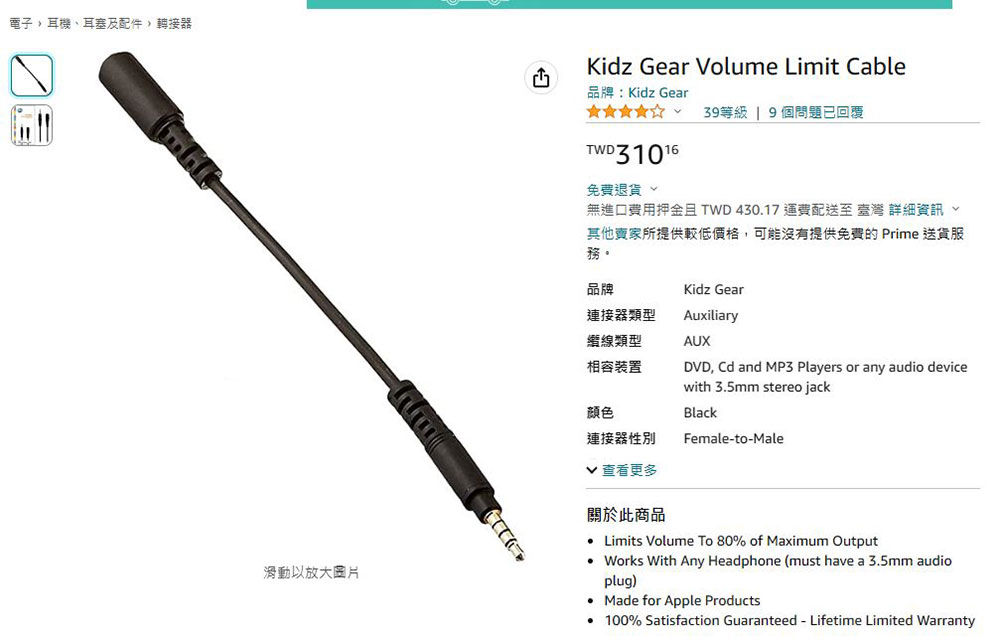
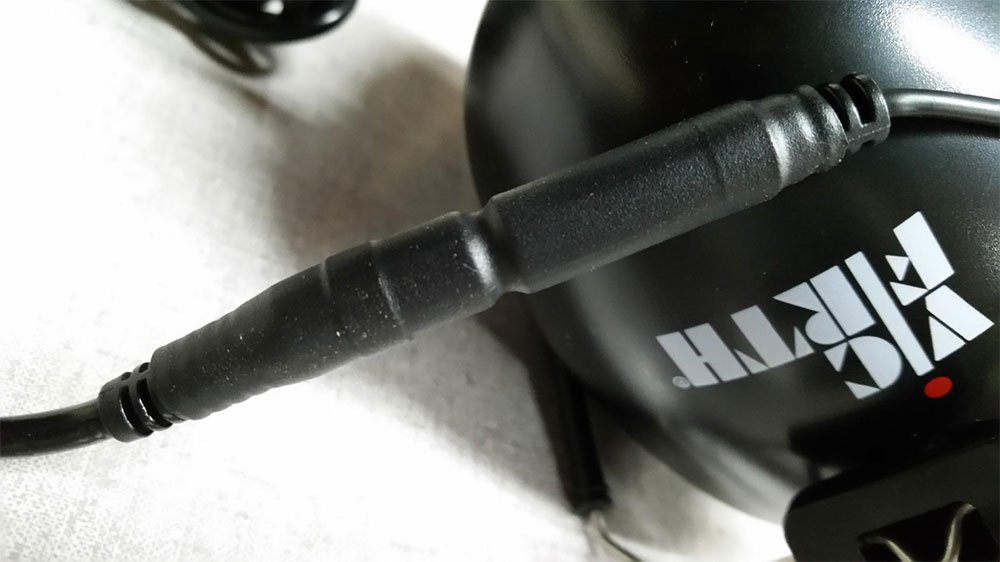
There is a problem with external volume limiters, but it’s not the product itself but the user. If your child is very smart and discovers that the short wire from your home to the headphones is the reason why the volume of the headphones is reduced, they may unplug it themselves so that they can enjoy the original ear-blasting volume. For older children, you can discuss the causes and consequences of hearing loss with them, so that they realize that they need to take good care of their ears; for younger children, if an external volume limiter must be used, it is recommended to semi-permanently seal the end of the headphone plug and the volume limiter with a piece of heat shrink tubing (you can do it with a hair dryer). When you want to separate it, you only need to cut it with a utility knife.
While the serious discussion of caring for your ears and maintaining good hearing is an important conversation to have, kids are still kids, which means a few precautions on your part will ensure their hearing is protected before they can make informed choices.
Source: KOCPC Chinese