


Modern people (including me) buy rechargeable AA and AAA batteries because they are more cost-effective and convenient than the old-fashioned disposable batteries. But in some cases, it has to be said that disposable alkaline batteries are better. In fact, some equipment and devices actually require disposable alkaline batteries to operate properly. So, what are the differences between these two batteries that look very similar but are essentially different? When is it not appropriate to use rechargeable batteries?
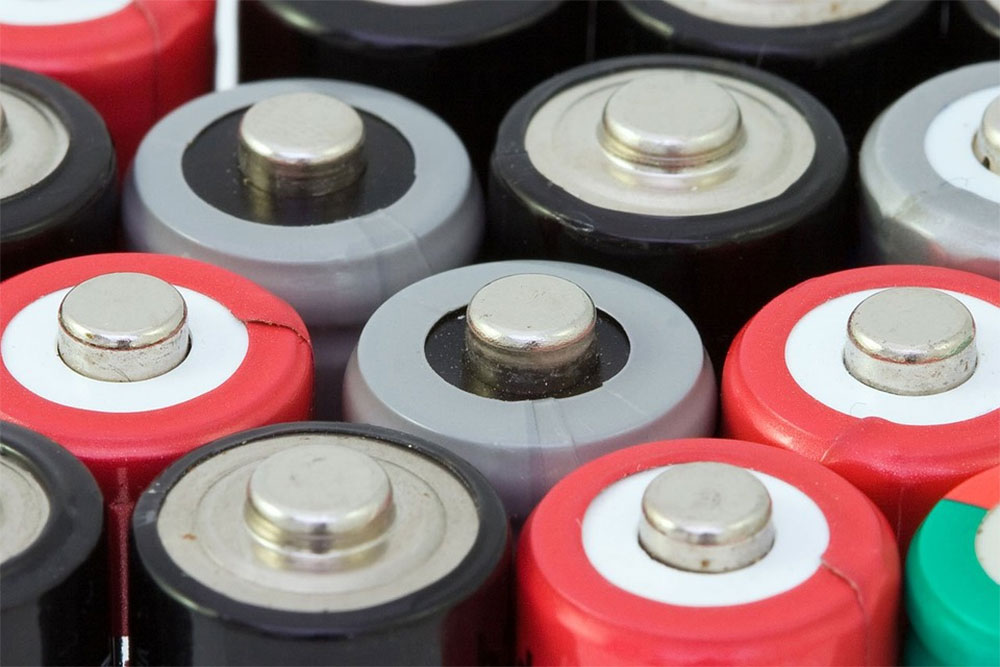
Although environmentally friendly, rechargeable batteries should not be used at these times
What is the difference between rechargeable batteries and alkaline batteries?
In terms of basic usability, there’s not much difference between rechargeable and disposable batteries. They are the same shape, size, and provide similar power capacity, so most people can use these products interchangeably. From a chemical point of view, there is a very big difference between the two, because you know that alkaline batteries cannot be recharged, and lithium-ion batteries can. Of course, alkaline batteries will leak after being stored for a long time, and although lithium-ion batteries may also leak, this will only happen if they are damaged or abused.
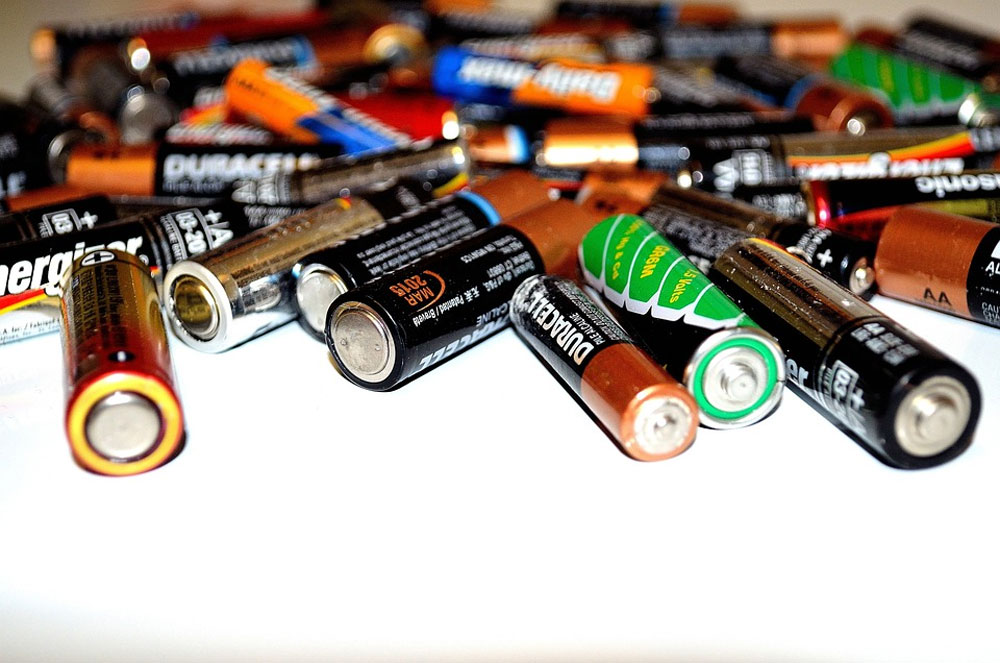
But the most important difference between lithium batteries and alkaline batteries is the self-discharge rate. Self-discharge basically refers to a battery draining its power on its own, even if it’s sitting on a shelf or in a drawer. Alkaline batteries only lose about 3% of their charge per year, so their self-discharge rate is fairly low. But lithium-ion batteries deplete themselves at a rate of 5% per month (which I think is a conservative estimate in many cases). New alkaline batteries can last nearly a decade, but rechargeable AA batteries may drain their charge on their own in a year or less.
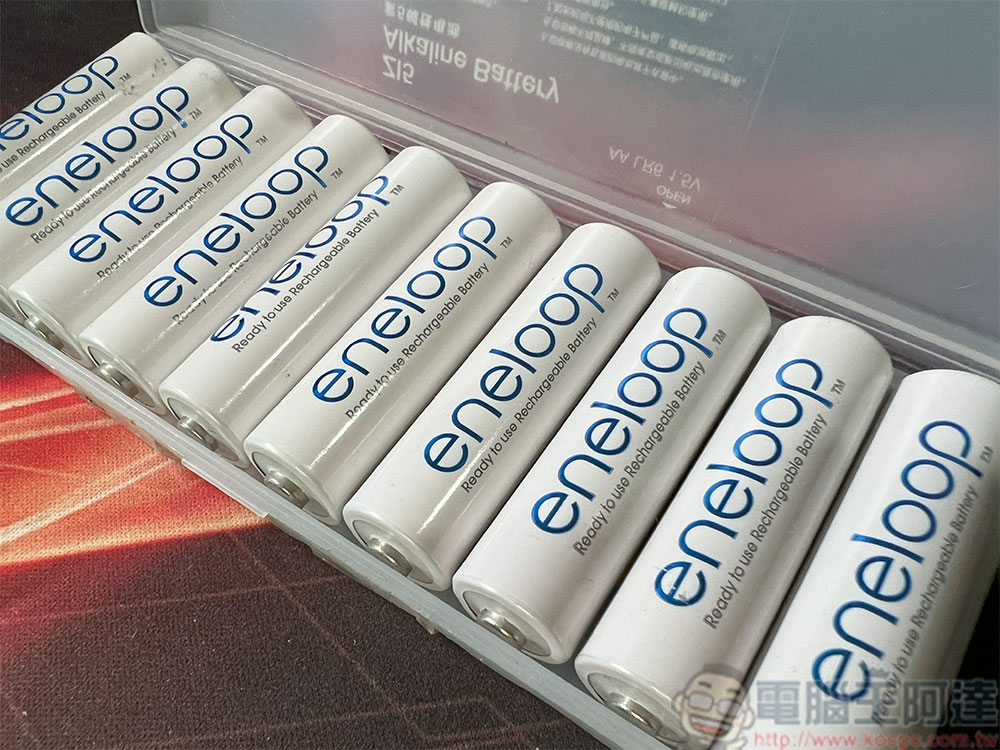
In addition, we come to mention disposable lithium batteries. The main selling point of this type of battery is that they are quite resistant to high temperatures and can maintain a high voltage until they are depleted. Alkaline batteries can cause problems in some electronic products by reducing their voltage when they are empty. A special note here is that lithium batteries and lithium-ion batteries are different things. In this article we mainly discuss alkaline batteries, but sometimes there are still disposable lithium batteries.
Low-power equipment uses alkaline batteries to last longer
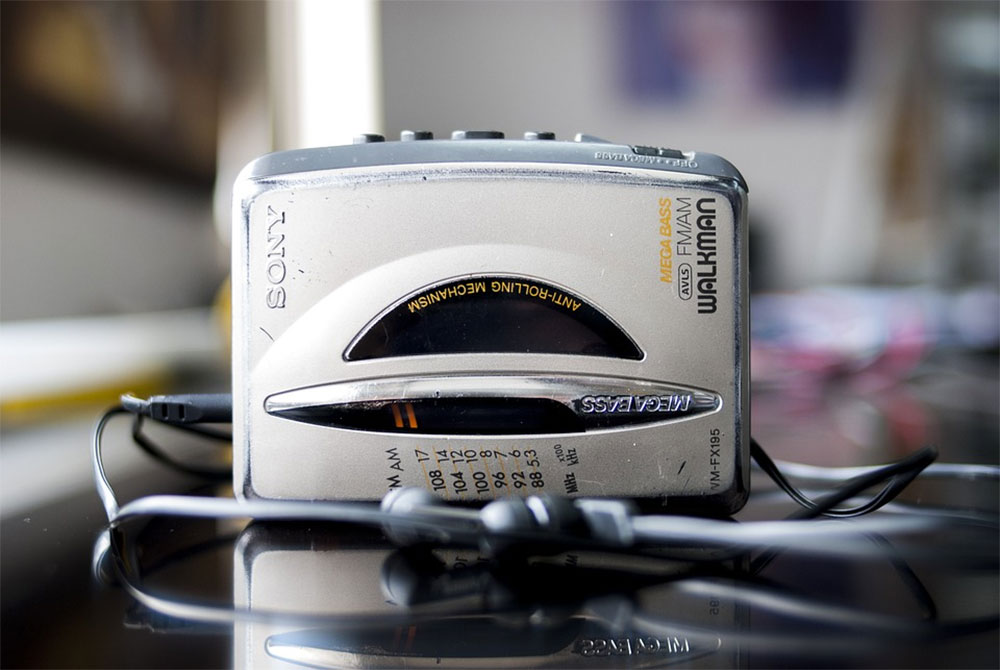
A few decades ago, the vast majority of battery-powered electronic products used alkaline batteries, but this was a relatively expensive expense, especially for products that consume a lot of power such as CD players, walkmans, and handheld game consoles. A set of batteries would have to be scrapped after a few hours. With the advancement of technology, most of these power-consuming electronic products now use built-in rechargeable batteries, which is both convenient and greatly reduces costs.
But some new electronics, especially low-power devices such as clocks and TV remote controls, still use disposable AA and AAA, and for good reason. Alkaline batteries have a much lower self-discharge rate than lithium-ion batteries, and if a product requires battery power to last for months, alkaline batteries are often the best choice because they sit there without draining their charge too quickly. In some cases, you may choose to use alkaline batteries in power-hungry devices. For example, maybe you only pick up your old Game Boy to play with it once a month. If you want your Game Boy to still retain power after being stored away, alkaline batteries are your best option. (Remember, alkaline batteries can leak if left for too long)
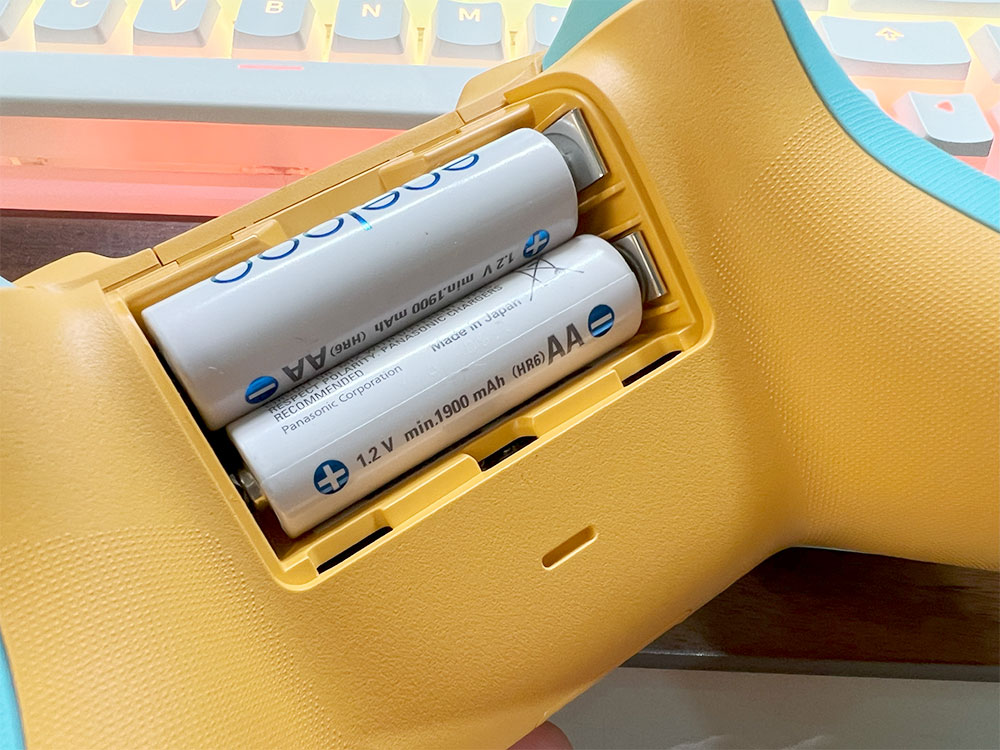
To make things clearer, alkaline batteries and rechargeable AA batteries tend to have similar capacities, and if you put them in a power-hungry device (such as a Game Boy), they will die in about the same amount of time. Therefore, in comparison, using alkaline batteries in low-power electronic products will be a longer-lasting choice. Of course, you can still use rechargeable batteries in low-power products, but not everything can be used, as we will continue to discuss later.
Some products are not compatible with rechargeable batteries
Although most products that use alkaline batteries can be replaced with AA rechargeable batteries, there are exceptions to this. Rechargeable AAs and AAAs tend to be slightly larger than alkaline dots, so they may not fit into some devices. What’s more noteworthy is that some products are designed to only work with certain AA or AAA batteries, usually to ensure the product works as intended.
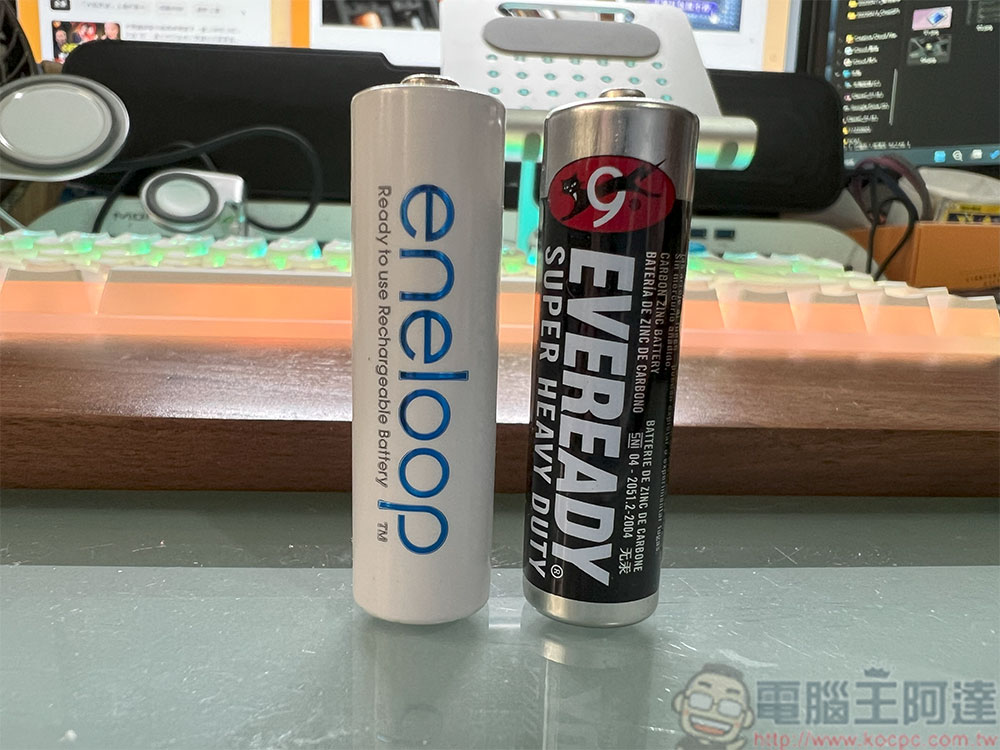
Take Blink’s battery-powered smart monitor, for example. These cameras need to withstand extreme temperatures, and ideally they should operate for several months after being powered on, but they also require a specific voltage that alkaline batteries cannot sustain at the end of their life cycle. Therefore, Blink only allows you to use disposable lithium batteries with its cameras. You’ll find this special requirement in a variety of products, especially battery-powered outdoor equipment. That said, you shouldn’t think that disposable lithium batteries are the be-all and end-all, they just happen to be very useful in certain situations.
Smoke alarms and other emergency devices are not suitable for use with rechargeable batteries
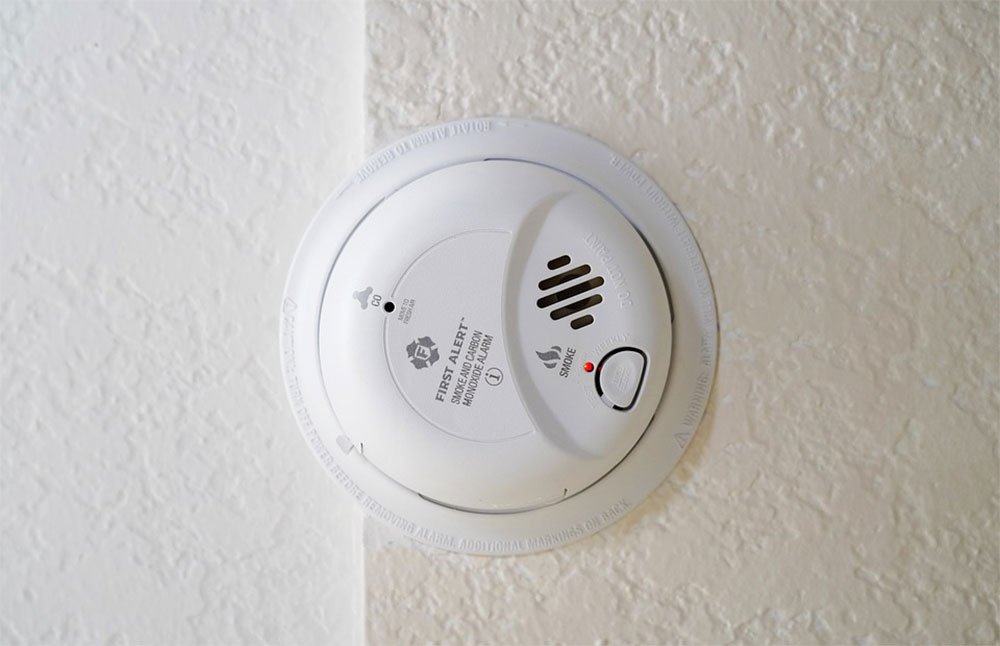
Unless otherwise specified by the manufacturer, you should equip all smoke alarms with disposable alkaline batteries for safety reasons. The reason why manufacturers advise users not to use rechargeable batteries is because of their rapid self-discharge rate. Disposable lithium batteries are also a poor choice in smoke alarms because disposable lithium batteries maintain a specific voltage until they are depleted and therefore may not trigger the smoke alarm’s low-battery alert, rendering the smoke alarm ineffective without you realizing it. Some smoke alarms use built-in lithium-ion batteries. These alarms need to be replaced when the battery ages, and again, you should follow the smoke alarm instructions to ensure proper use.
Additionally, other emergency equipment in your home, including flashlights and radios, should also use disposable batteries (either alkaline or lithium will work). These electronic devices need to sit around for months to come in handy in a pinch, and in a real emergency, you don’t have time to charge a bunch of AA or AAA batteries.
Notice! Don’t mix batteries
If your electronics require multiple AA or AAA batteries, be sure to use the same type and never mix alkaline, lithium-ion, or lithium batteries together. Doing so will not only reduce device performance, but more importantly, it will damage the battery and device. You may be able to deal with a leaking alkaline battery, but a damaged lithium-ion battery is a complete fire hazard.
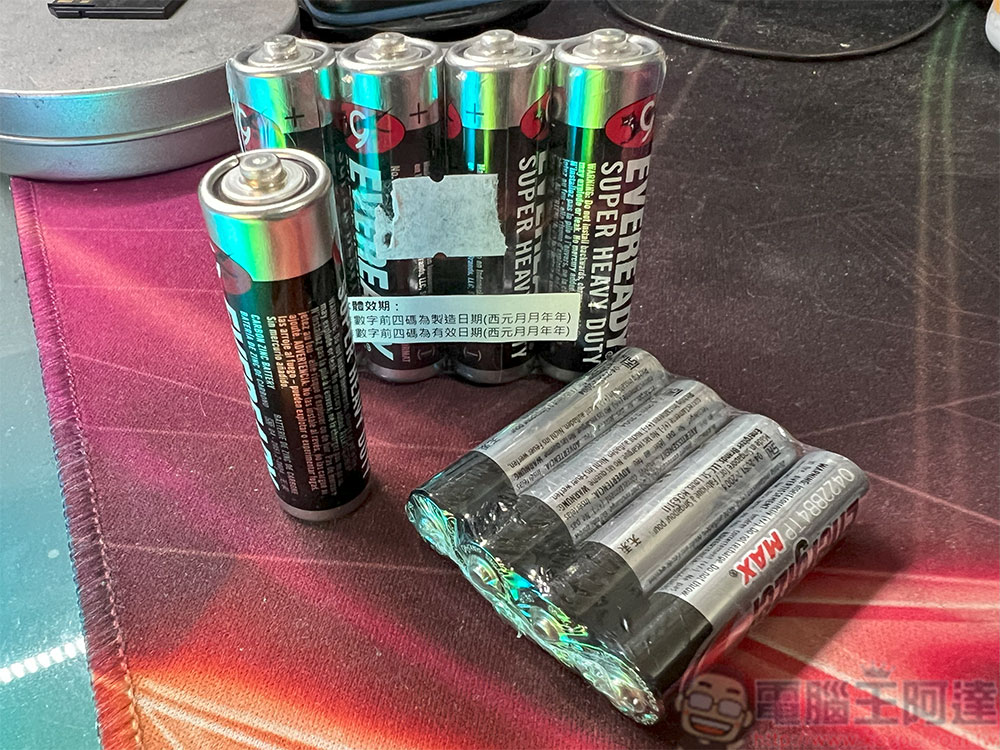
But what if you don’t care about security? Well, all batteries have different capacities and self-discharge rates, and mixing and matching only creates waste and inconvenience. If you use both a rechargeable battery and a disposable battery in your TV remote, the rechargeable battery will die first, leaving you with a half-empty alkaline battery (which you’ll probably throw away). Even if you use disposable alkaline batteries, be careful not to mix new batteries with old ones. Besides being wasteful, the voltage will fluctuate when the power is depleted, possibly damaging the battery or device.
Source: KOCPC Chinese