


I often hear people feel that their mobile phones are eavesdropping on your conversations. It is clear that a certain thing or item has just been discussed, and as a result, I see this type of advertisement accurately placed in front of my eyes. It is undeniable that online advertising has a way to promote the same products and services as your conversations and thoughts, but what everyone should want to know more is whether your mobile phone is really monitoring your conversations all the time.
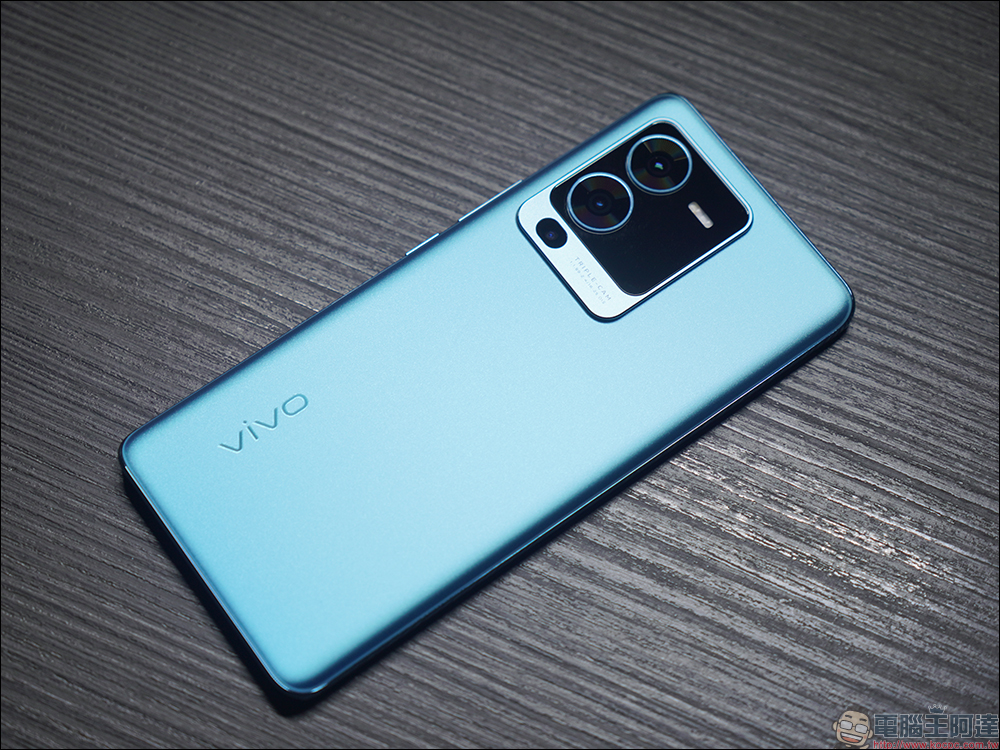
Is your phone listening to you? Does the accuracy of advertising scare you?
Your phone isn’t listening to you, but it’s worse than that
No, your phone doesn’t actually eavesdrop on and record your conversations and upload them to a remote server for analysis to generate ads to serve back to your phone. While some of the ads are accurately creepy and hard to believe, these ads aren’t spying on your conversations, at least some of them are voice conversations.
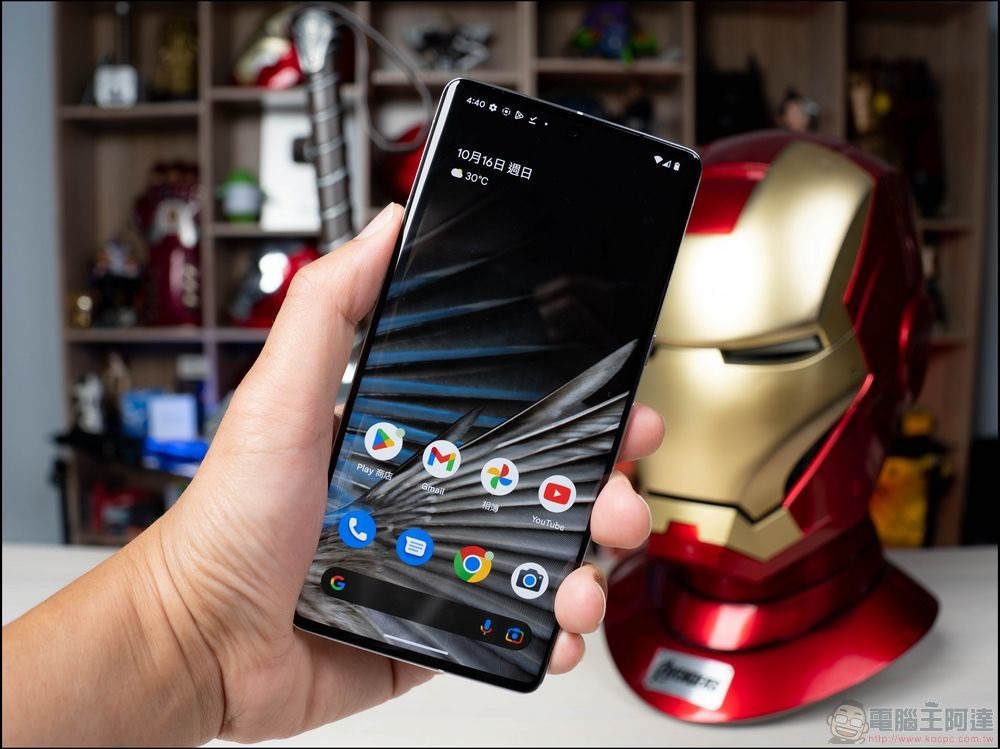
Now, technically speaking, virtual garrisons like Alexa and Google Assistant do record audio clips when you use the wake keyword, and at least sometimes upload those clips so that experts can refine the voice assistant’s responses. Sometimes background dialogue is also recorded in these clips, so at some point, part of your dialogue may be heard by someone somewhere. But these recordings are not the reason for accurate advertising. The truth about the monitoring of users by mobile phones is actually more terrifying.
Advertisers don’t need to eavesdrop
It’s easy for advertisers to guess exactly what you’re saying or hearing without having to do any recording. They can take current trends and match them with basic information about you, including demographics, location, search history, shopping habits, daily life, etc., and then determine what you and your circle are interested in. The content that interests you usually appears in your daily conversations and discussions.
For example, if you make an appointment with a friend to meet at a coffee shop, and before leaving, your friend suddenly wants to take a look at the price of frozen waffles on the e-commerce platform, the friend may casually say, “I really want to eat a super delicious waffle recently.” The other person may just mention it in passing, but the next time you browse the Internet, you will see an advertisement for frozen waffles on the page.

Did your phone analyze the conversation and sell it to the grocer? No, Google just grabs a few simple data and then matches these data two by two. The geolocation data collected from your phones indicates that you are spending time together, and the frozen waffles in your friend’s browsing history are matched with this. No recording is needed to show you the relevant content, just standard data tracking and some logical guessing, and it’s no surprise that frozen waffles pop up in the conversation.
Recording conversations is impractical
Promoting ads that align with your ideas and discussions is that simple, yet effective. In fact, what advertising agencies do is more effective than directly eavesdropping on your conversations.
Yes, technically, software on your phone can record audio and upload it to a remote location at the same time, but all of these tasks put a huge strain on your phone’s resources, drain your battery and send your data usage through the roof, and you’re unlikely to miss it. Some advanced spyware might do this, but the difficulty and cost would be meaningless for the average person.
Another problem is a simple and obvious thing. Recording good-sounding recording files is huge compared to data points such as search records and geolocation records. Imagine how many resources it would cost to transmit, store and process the audio from each smartphone microphone simultaneously around the clock? So this is absolutely not feasible, not even Google can do it.
Your conversation is not as valuable as you think
All right! Suppose that big tech companies with vast resources actually hide a huge underground lab and store and analyze everyone’s real conversations there for ad targeting. The problem is that this whole thing would be a huge waste of time and energy, and ultimately, at least for advertisers, the conversations you have with your family and friends aren’t even worth listening to.
Whatever you’re talking about right now, ad servers probably already know that you and your friends are interested. Your latest hot topics and new interests are old news to a company like Google. For example, you really liked that movie you saw last week and shared it with your colleagues, but Google might have guessed you’d watch it before you decided, and might already know you liked it and would interact with others about it.
What’s more, people hide, lie, and mislead about their preferences all the time in conversations, and sometimes you pretend to be interested in your friends’ preferences out of politeness. These are low-quality, inaccurate data, and if there really was such a secret eavesdropping laboratory, it would have to close down quickly. But you know what doesn’t lie? Your browsing history.
How to stop ads that are precisely scary?
Turning off your phone’s microphone won’t actually do you any real harm, so what can you do to stop these suspiciously relevant ads from showing up? The bad news is, there’s not much you can do.
Privacy online is a myth. Your smartphone is like a little sponge, soaking up every piece of valuable data it can, often making it available to anyone who asks for it. You can minimize the amount of data collected and shared by adjusting the privacy settings of your Google Account or switching to a privacy-focused alternative (such as DuckDuckGo for searching or Signal for messaging). Using a VPN combined with an anonymous browsing mode also makes it harder for advertisers to track your browsing activity.

However, there is no real solution. Your usage itself can be identified, cataloged, and tracked as you browse, undermining many privacy tools. Even disabling GPS tracking won’t help because nearby Bluetooth, WiFi signals, and other data points make geolocation tracking difficult to stop.
So instead of worrying about being overheard, remember one thing: Don’t do everything on your phone.
Source: KOCPC Chinese