


Seeing the radical approach of changing the iPhone 14 series directly to eSIM-only versions in the US market. Google may not be so quick to follow up on the hardware side, but for Apple’s advanced support for eSIM, Android should soon follow. After all (as long as the telecom operators are willing to support it – the main point), the eSIM function of the physical card is no longer needed. As long as the trouble of having to go to the telecom operator to change the phone is eliminated, I believe it will really improve the user experience of mobile devices and even the subsequent hardware design! Continue reading the text of the report that Android is testing the physical SIM card to eSIM and eSIM fast migration functions.
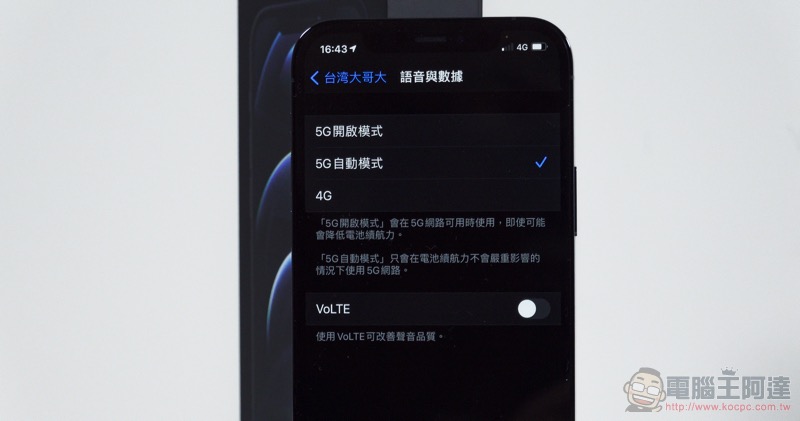
Android is testing physical SIM card to eSIM and eSIM fast migration functions
Experts digging into the latest beta version of Android (Android 13 QPR2 Beta 2) found out. previouslyAlready available on iPhone, including “eSIM Quick Transfer” that can directly transfer eSIM from the previous mobile phone of the same brand when changing to a new phone. There is also a function that feels quite magical, directly converting the physical SIM card on the old phone into an eSIM. Now related tests have started on Android.
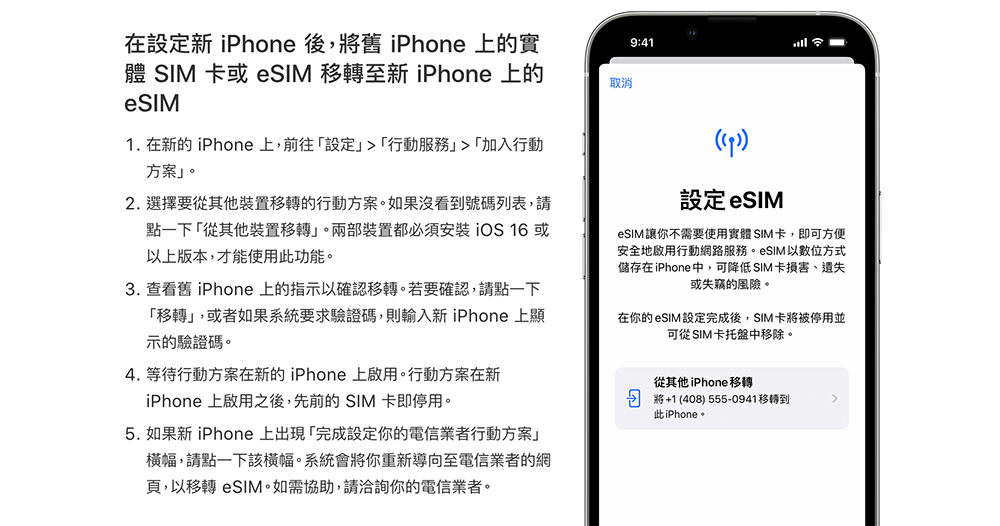
It is said that when you buy a new Android device or reinstall the system. Users will be able to directly transfer eSIM to devices configured in the new system through Fast Pair prompts. Unlike in the past, you have to generate a QR Code through the telecommunications provider channel to complete the eSIM settings. In addition, the Android 13 beta version also simultaneously implements the conversion function for physical cards through the mobile system to convert physical SIM Profile data into eSIM.
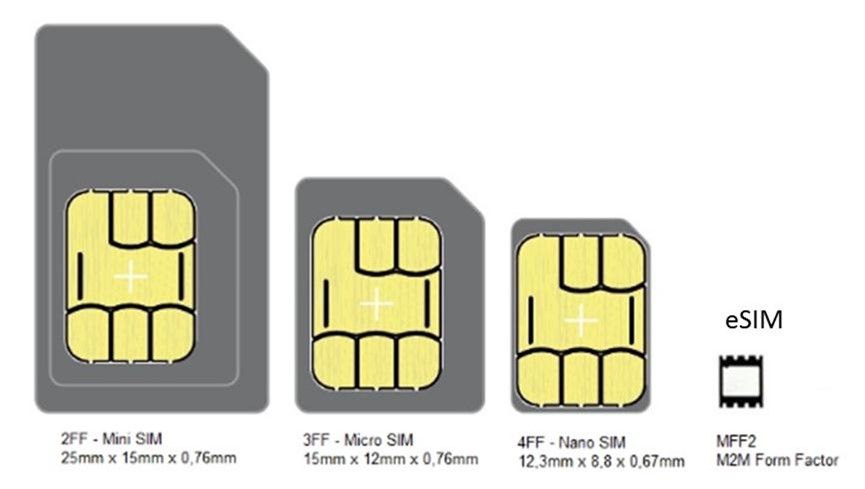
Although I always feel that Taiwan may have to wait until the system testing is completed, and even the new Pixel phones will directly use pure eSIM. Support for self-switching without having to generate a QR code through telecom operators is still far away. However, we can still look forward to it. With the continuous advancement of consumers and even mobile devices, we may have the opportunity to see the dawn of release earlier.
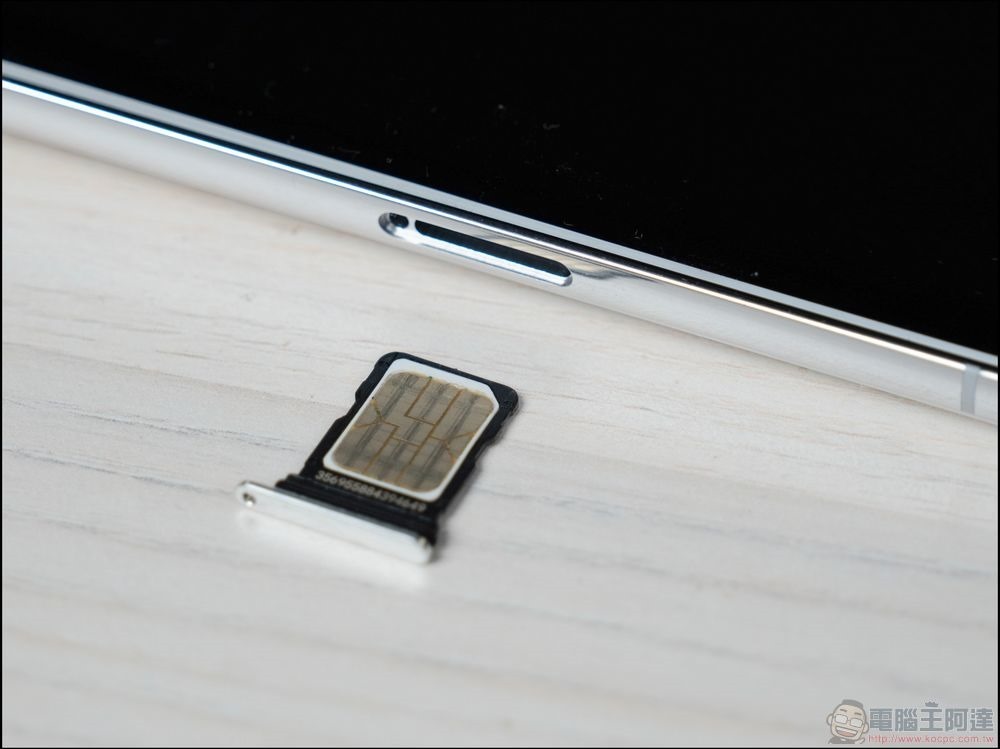
That is to say, regardless of the issues regarding telecommunications companies and regulations. After all, it needs to meet the security level requirements of telecommunications equipment such as SIM cards. Experts also bluntly said that although they are not sure which devices will support these new features (naturally, the most basic one is to support eSIM), they speculate that Google’s own Pixel series may still be the main focus in the early stage.
The advanced eSIM fast migration function may not only involve the connection of the relevant encryption mechanisms of the security chip. The system function of directly transferring physical SIM cards to eSIM seems to require additional permission from telecom operators before it can be implemented through mobile devices.
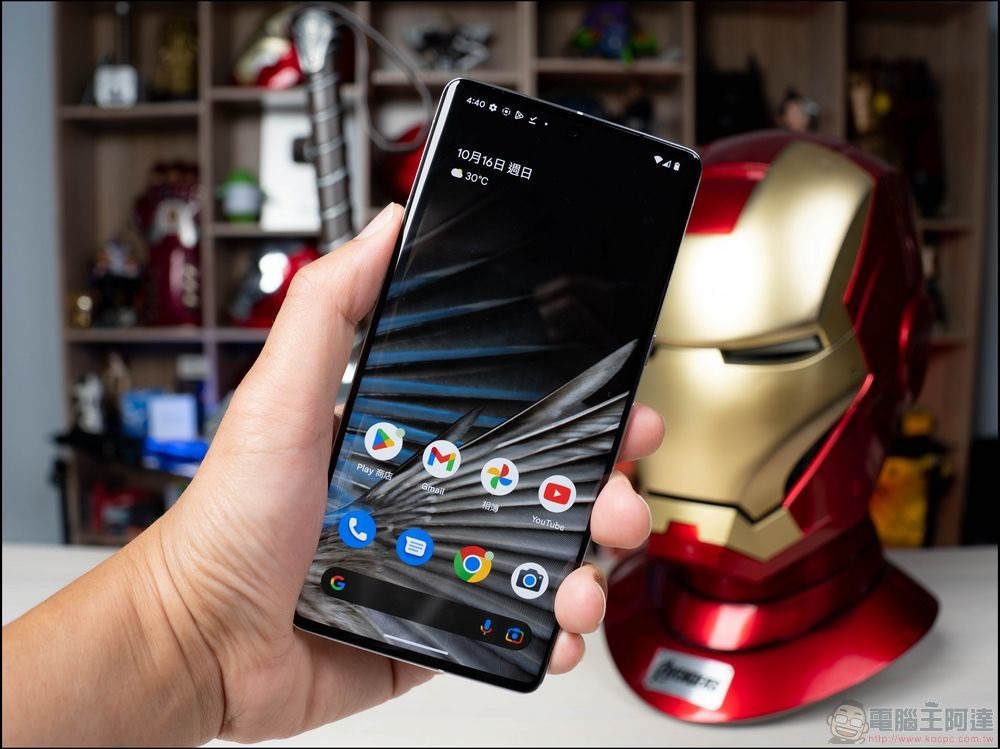
The current eSIM transfer mechanism in TaiwanStill need to rely on physical SIM card to receive text messages.. Whether it is due to regulations or system function restrictions, in short, Taiwan is currently unable to even allow users to smoothly complete the eSIM QR Code conversion without going to the store at all. Something like quick transfer, just… wait a moment.
Further reading:
Source: KOCPC Chinese