


In recent years, the rapid development of AI across various fields has not only made technology smarter and life more convenient, but beyond its positive and constructive applications, it has also made unscrupulous individuals covet it. A knife is a tool in a chef’s hand, but a weapon in a villain’s. Scammers use AI technology to weave deceptively realistic scams to fool unsuspecting people. The most common methods include the ones we mention below, but are certainly not limited to these.
AI’s Side Effects: Scams You Should Watch Out For
AI applications are being used across an increasingly wide range of areas, and various devices including phones, Chromebooks, laptops, and tablets can all leverage AI — which also means scams are everywhere. As a user, you don’t need to panic too much. Understanding common fraud tactics and staying alert can help you maintain a certain level of safety.
Online romance scam
More and more people are meeting new friends on online social platforms, or developing romantic relationships in dating apps, while scammers take the opportunity to use these platforms to find their next victim. Scammers use AI to generate fake photos, conversations, and even Deepfake videos to deceive people. After building a rapport to put victims at ease, they fabricate elaborate stories to gain sympathy or empathy, leading you to help them.
To protect yourself from online romance scams, be wary of seemingly perfect matches on dating apps. Also, learn to recognize AI-generated images and text so you can tell whether you’re chatting with a scammer. If they ask you for financial help, avoid further contact.

2. Investment fraud
It’s human nature to be tempted by small gains, and that’s the trap scammers want you to fall for when they use AI to design their schemes. Whether it’s AI-generated investment advice, fake investment websites, or hype around AI technology companies, fraudsters are leveraging AI to deceive investors. To stay safe, seek advice from legitimate investment advisors when investing, and verify any communications you receive from investment companies to make sure they aren’t scammers. Additionally, don’t share sensitive data or invest funds without conducting thorough research into the investment opportunity.

3. False recruitment information
As AI becomes increasingly sophisticated, job scams are also on the rise. Scammers use AI to create job postings and profiles that look plausible and legitimate, and they may even use AI voice assistants to conduct fake online consultations to boost their credibility. These fake recruitment efforts lure people into revealing sensitive information—if job seekers share such personal details, scammers have everything they need to commit financial crimes and identity theft. So when you come across online job scams like these, be sure to stay vigilant against all possible warning signs to avoid becoming a victim.

4. Fake Reviews
Buying fake reviews to boost a product’s image is an old trick, but many companies with even lower ethical standards are now using AI to generate large volumes of fake reviews that look highly detailed. You can find this kind of content in many places, including Amazon, Google Maps, the Play Store, and more. Sometimes, these fake reviews push genuine ones down, making it harder for buyers to see real consumer opinions and decide whether to make a purchase. Fake reviews are often filled with generic, vague phrases that are easy to spot. If you’re on a shopping platform, prioritize reviews that include photos or videos, as that at least ensures a certain level of authenticity.

5. Voice fraud
AI can be used not only to fabricate images, but voice is also a part that can be faked. Scammers only need to collect a person’s voice sample—often obtained from social media—and replicate it, easily using a convincing voice to deceive the victim’s friends and family. Malicious individuals use various tactics to make their lies more credible, such as claiming to have been in an accident and needing money, creating a sense of urgency to stir the listener’s emotions and making it hard to quickly detect or verify the authenticity of the call, thereby manipulating people into transferring funds or leaking important information.
To avoid becoming a victim of voice fraud, avoid answering calls from unknown numbers. If you do answer and the caller claims to be a friend or relative in an emergency, ask multiple questions to verify their authenticity repeatedly. It’s best to share a safe word with friends and family so you can verify each other’s identity.

6. Phishing
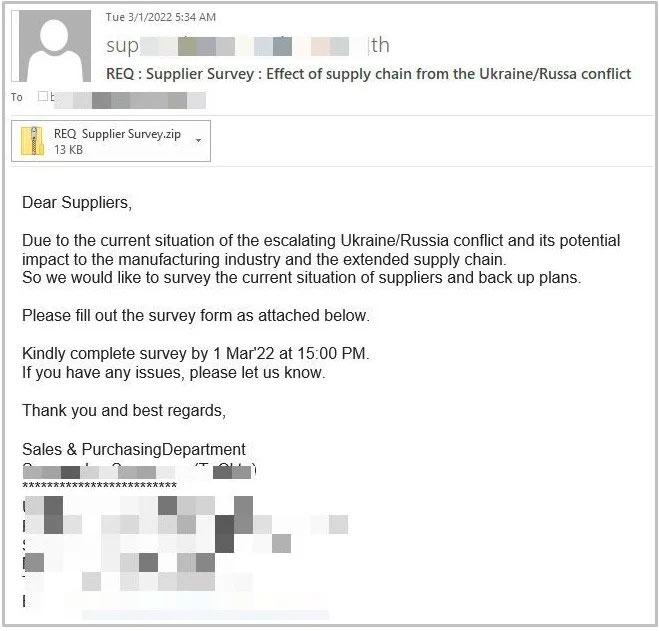
Scammers have been using AI to create convincing phishing scams. AI enables criminals to build context-specific messages with seemingly legitimate, hard-to-detect phishing links. In this type of scam, fraudsters may attempt to mimic the writing style and tone of any trusted organization, making the message content appear more credible and tricking unsuspecting victims into clicking phishing links. Phishing typically directs users to fake websites and asks victims to enter detailed login information or download malware—the latter can compromise data on the victim’s device, while the former lets scammers steal the user’s login credentials.
7. Deepfake Fraud
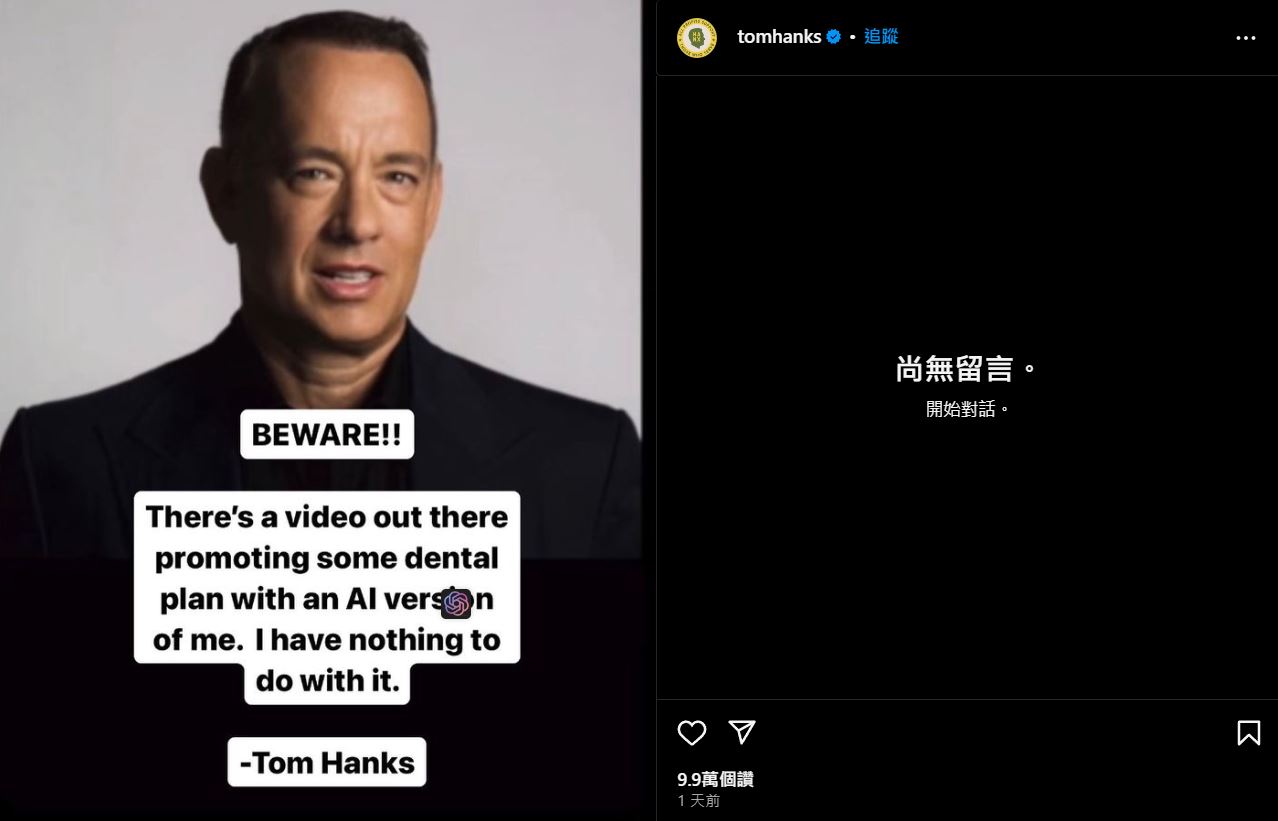
Once, Deepfake’s crudeness was easy to spot, but as AI has advanced to the point of creating lifelike photos and videos of people, such content is hard to detect unless you know which signs to look for—and scammers exploit exactly that to deceive victims. In Deepfake scams, fraudsters impersonate widely trusted figures and send fake videos to interact with victims, pushing them to act without careful thought. Once scammers gain victims’ trust, they may make demands involving money or personal information. To spot Deepfake videos, watch for unnatural movements, reflections, or body postures, and also check whether the person’s lip movements in the footage sync with the audio, as well as the video quality. If you notice poor pixel quality or mismatches in the points above, ignore these videos.
Any technology and tool is a double-edged sword; in itself it is neither right nor wrong—right and wrong lie in how it is used. When AI is applied in everyday life as a support, it becomes a productive tool that benefits people; when used by malicious individuals for unlawful purposes, it becomes an accomplice. Regardless of the device or platform, please stay alert to all incoming messages and information, and maintain a cautious, fact-checking mindset toward everything to reduce your risk of becoming a victim.
Source: KOCPC Chinese