


It seems that the Google Fuchsia system, which was originally rumored to replace Android, is only used on its own smart display products including Nest Hub and Nest Hub Max. I’m not sure whether this is overkill, but it makes people feel like it’s a big deal but not a big deal. As everyone knows, after the high-level personnel changes in the development of this system, it was recently discovered that the entire code related to Fuchsia had been removed, which makes people feel that something is not good (cross hands). Fortunately, the situation in the middle may be relatively optimistic, and at least Google should be quietly preparing something. Continue reading Google Fuchsia, which says it does not intend to replace Android, is silently preparing to enable the system to natively execute Android application services.
Google Fuchsia, which says it does not intend to replace Android, is silently preparing to allow the system to natively execute Android application services
According to foreign media reports, Google was recently discovered to have completely removed Fuchsia, an open source system based on Zircon, from the AOSP project. Although the development plan for this system should have been put on hold or mainly focused on smart display applications. But foreign media 9to5Google However, through various signs, it is believed that Google Fuchsia has a high probability of still planning to build a more versatile system based on this.
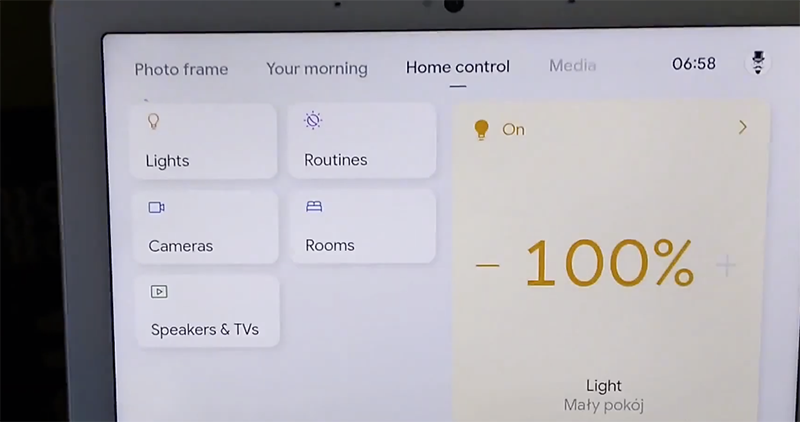
Previously, Google Fuchsia was originally thought to be likely to support Android apps in a virtual machine, similar to Chrome OS or Google Play Games for PC. However, it is conceivable that this method will have a considerable burden on performance; the follow-up was to try the AOSP approach mentioned in the previous paragraph – but the ending was also written before.
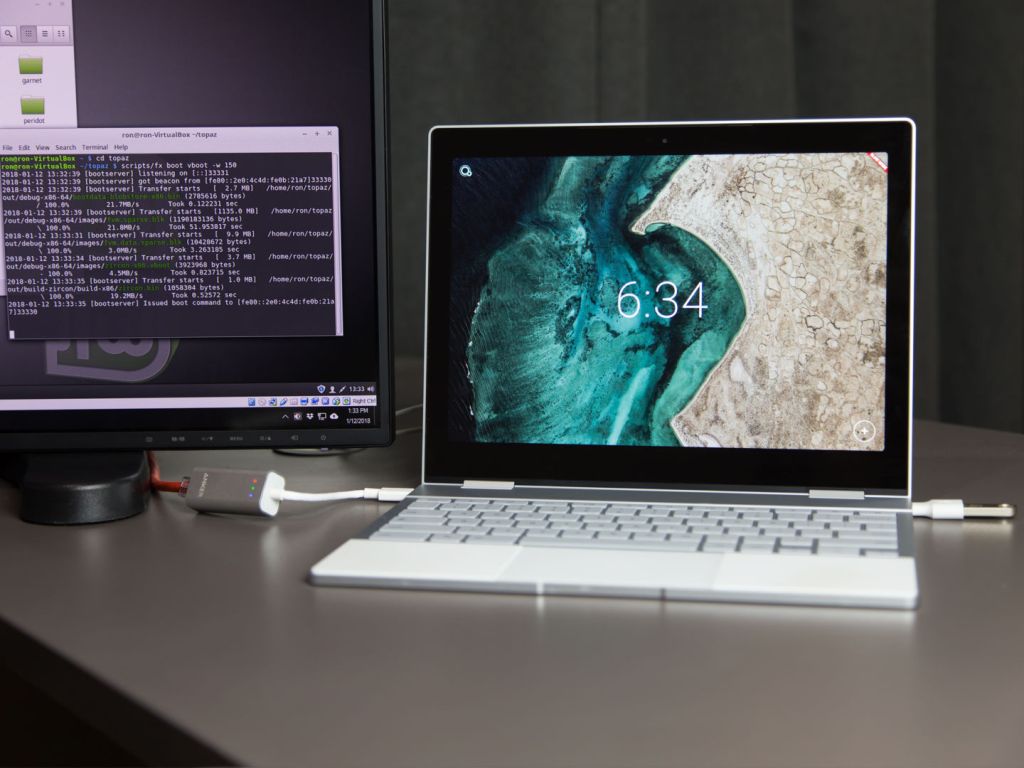
But now it seems that Google is planning to make Fuchsia more practical in a way similar to how Apple supports Intel applications through Rosetta 2 (although the example of the foreign media feels wrong, at least it is easy to understand XD). It is said that the team is now focusing its development resources on a project called “Starnix”. The goal is to natively execute Linux or Android applications and services. Starnix can be used as a central translator for low-level Kernel.
It allows people to perform system conversions painlessly, rather than completely replacing the familiar system. The more it looks like the next direction of Google Fuchsia? 9to5Google also found several clues that related functions are being improved, and there are even screenshots of Google Fuchsia development that is testing the Clock app.

Although it may not be the Google Clock app (if it is, the intention should be easy to guess, right?). However, it can also be seen that the development of the mysterious Fuchsia seems to have been silently ongoing. And it always gives people the feeling of trying to be the next generation Android system. There’s still little concrete evidence of Google’s intentions.
To a certain extent, I wonder if Google itself is still in a wait-and-see state? (It seems like the chances are quite good XD)
Further reading:
Tipster: M2 Pro/M2 Max version of MacBook Pro could be launched as soon as this fall

Source: KOCPC Chinese