


There are so many types of lenses on the market, and every manufacturer is constantly launching new lenses, and some are even re-released. Do you know which lens is suitable for you? If you have a limited budget and are worried about which lens to choose, this article should be helpful to you! I will introduce the differences between lens types and introduce their unique uses, so read on!
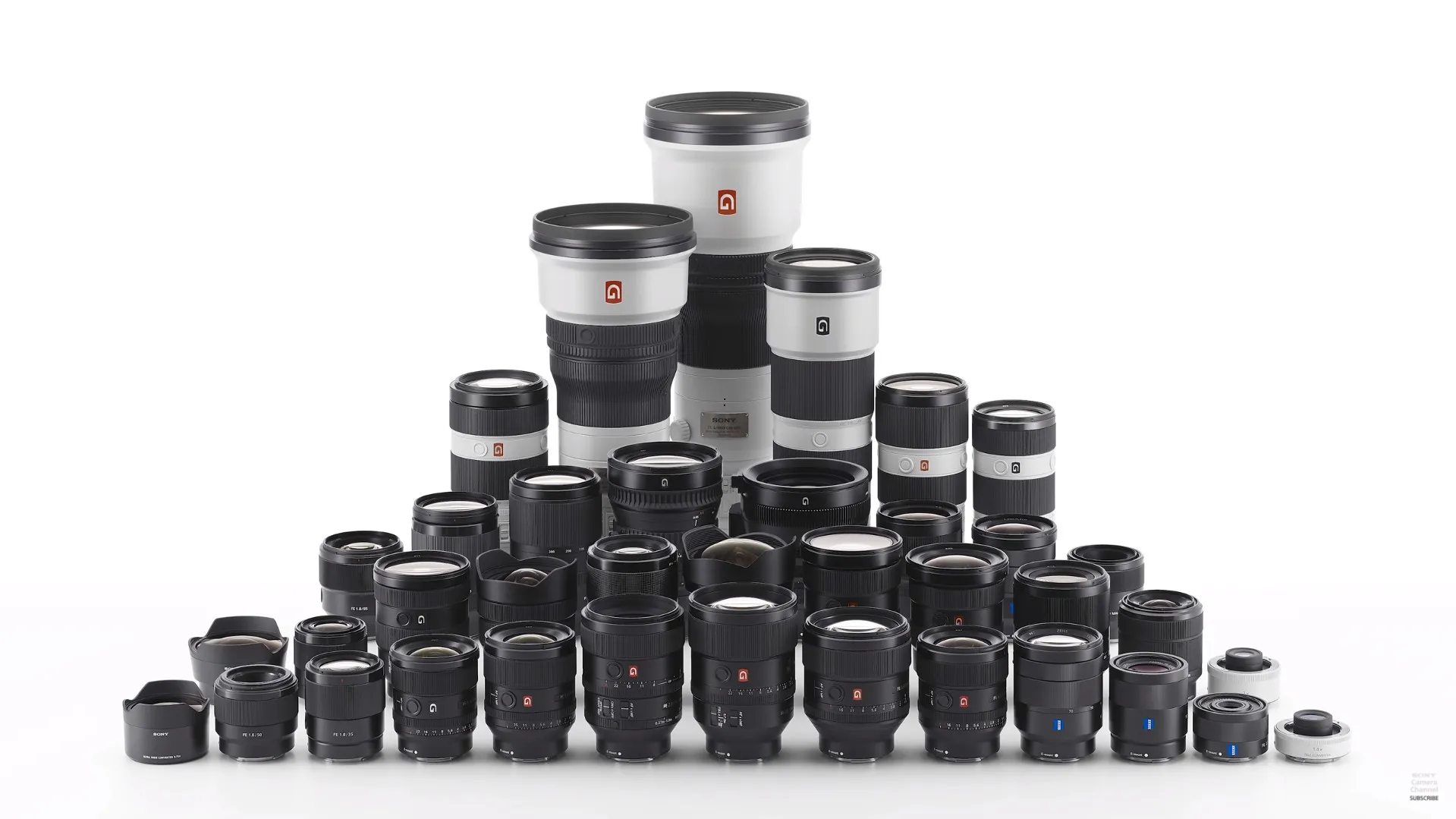
A wide variety of lenses/from Sony Camera Channel YouTube channel
That’s right! After reading the article,You can go to the bottom of the article and take a quiz to see if you have learned it!
If you think the content of the article is helpful to you, thenSubscribe to my contentBar! It’s free! When I publish a new article, it will be pushed to your inbox immediately. This is the easiest and most convenient way to encourage me!
Lens types, characteristics, advantages and disadvantages
The article is a bit long, so I’ve thoughtfully listed the pros and cons of various lenses here!
| advantage | shortcoming | |
| zoom lens | Travel first choice Done in one shot | heavier weight Inconvenient to carry |
| fixed focus lens | Large aperture Excellent picture quality light weight | Simple time to use Need composition inspiration |
| floating aperture lens | Affordable price light weight | Soft picture quality Aperture drops quickly |
| constant aperture lens | Aperture remains unchanged Nice photo at night | expensive heavier weight |
| Fisheye lens (below 12mm) | Unique effect Super wide viewing angle | Severe deformation |
| Ultra wide angle lens (12-24mm) | Suppress deformation Super wide viewing angle | more expensive |
| Wide angle lens (24-35mm) | Suppress deformation Wider viewing angle | more expensive |
| Standard lens (35-70mm) | Travel first choice Affordable price | Difficult to choose |
| Telephoto lens (70-300mm) | Shallow depth of field Compression Easier to get started | Inconvenient to carry |
| Ultra-telephoto lens (above 300mm) | Shallow depth of field Compression | Difficult to get started Inconvenient to carry |
| cookie shot | Smaller size Easy to carry | Ordinary material |
| portrait lens | Large aperture Clear picture quality | Difficult to choose |
| macro lens | Good magnification Detailed picture quality | expensive |
| Tilt-shift lens | Eliminate the sense of perspective Correct perspective | Limited use time The operation is more complicated |
| reflective lens | Unique aperture shape Affordable price | Soft picture quality smaller aperture |
▲ Table 1: Characteristics, advantages and disadvantages of lens types
distinguished by rotating rings
There are several rotatable rings on each lens. They are called zoom rings and focus rings, and their functions are completely different.
- Zoom ring: Changing the focal length of the lens can adjust the perspective and composition of the picture. Usually, the length of the lens will become longer or shorter after turning.
- Focus ring: adjust the focus position. After turning, the scene in the picture can be out of focus or clear.
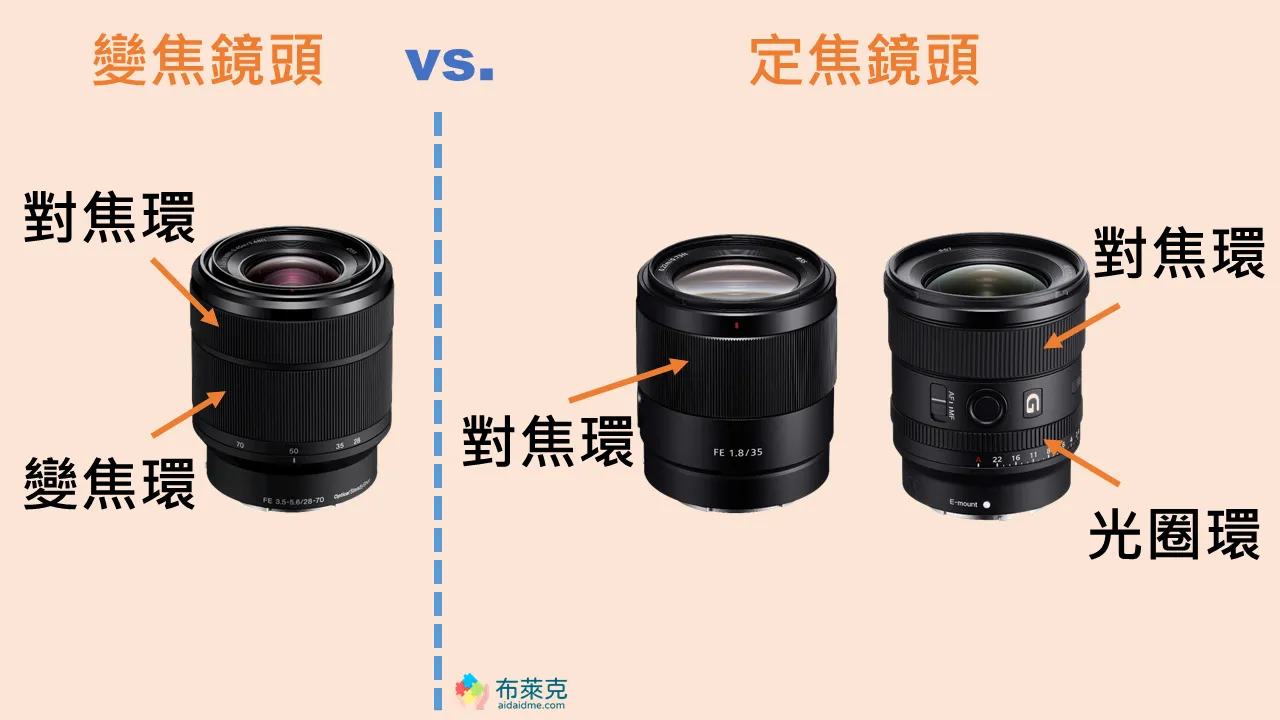
▲ Figure 2: Lenses can be divided into zoom lenses and fixed focus lenses based on the rotating ring.
zoom lens
Travel first choice Done in one shot heavier weight Inconvenient to carry
What I hate most when traveling is big and small bags. In order to reduce the weight of luggage, many people prefer zoom lenses when traveling. Because it has the ability to adjust the focal length, there is no need to change the lens according to the subject of the photo, and one lens can cope with most situations.
However, you may have also noticed that among the lenses of the same brand on the market, there are multiple zoom lenses, some expensive and some cheap. What is the difference?
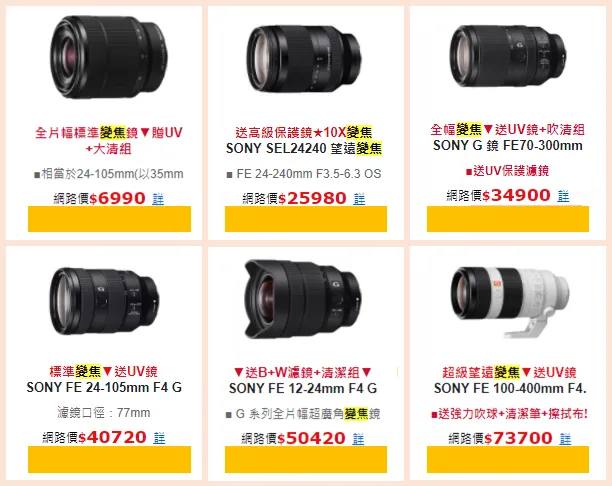
▲ Figure 3: Lenses can be divided into zoom lenses and fixed focus lenses based on the rotating ring.
The most important difference isWhen to useandAperture size。
-
When to use: It depends on what occasion you want to use it, whether you want to use it to take pictures of landscapes, people, or ecological photography. These types of subjects all require zoom. The product positioning will be different after there is demand. This part will be introduced in detail in the “Features” section later.
-
Aperture size: Aperture is one of the key factors that affects the selling price. Aperture affects the amount of light that enters. The larger the aperture, the more light there will be. This should be easy to understand. Generally, lenses with large apertures are more expensive, which has a lot to do with optical design.
Ha ha! It seems too far away. In short, as long as you see a range of focal lengths, it must be a zoom lens. For example, the focal length range of the Sony FE 24-240mm f/3.5-5.6 lens is 24-240mm, which means a zoom lens.
fixed focus lens
Large aperture Excellent picture quality light weight Simple time to use Need composition inspiration
The purpose can be seen from the Chinese. “Fixed” focus means fixed focal length, that is, the focal length cannot be changed at will.None of these lenses have a zoom ring, there is only one focus ring left to turn, then there is no possibility of changing the perspective, and composition requires a certain level of skill.
You may ask, “Only one focus ring? Why have I seen two?” right! For example, there are two lenses placed next to the fixed focus lens in the picture above. The other one does have two rings, but the extra ring does not achieve the zoom effect, but is used to adjust the aperture size, which is called an aperture ring.
This kind of lens that can change the aperture size from its appearance is rare! The manufacturer’s purpose is very simple. The photographer does not need to go into the camera body to adjust the aperture, which can save some time when necessary!
Fixed-focus lenses usually have a simple lens structure, soFixed focus lenses are lighter, and this is also reflected in the price, which is relatively cheap in comparison.

Internal structure of fixed focus lens/from Taiwan Sony official website

Internal structure of zoom lens/from Taiwan Sony official website
You might think that cheaper lenses have inferior apertures? In fact, it’s completely the opposite. Another feature of fixed-focus lenses is their large aperture. It is difficult to achieve a wide aperture with a zoom lens, but a prime lens can easily reach f/1.8 or f/1.4 or even larger.
We have talked about many advantages of fixed-focus lenses before, but the disadvantages are also obvious, that is, the convenience is low. After all, if you buy a fixed-focus lens, it cannot be used everywhere. If you want to use it in many situations, you have to buy multiple fixed focus lenses.
Distinguish by aperture
The aperture size is very important for the lens. If the aperture is large enough, the light will be sufficient, and it will be less likely to shake when shooting at night, which will be much easier.
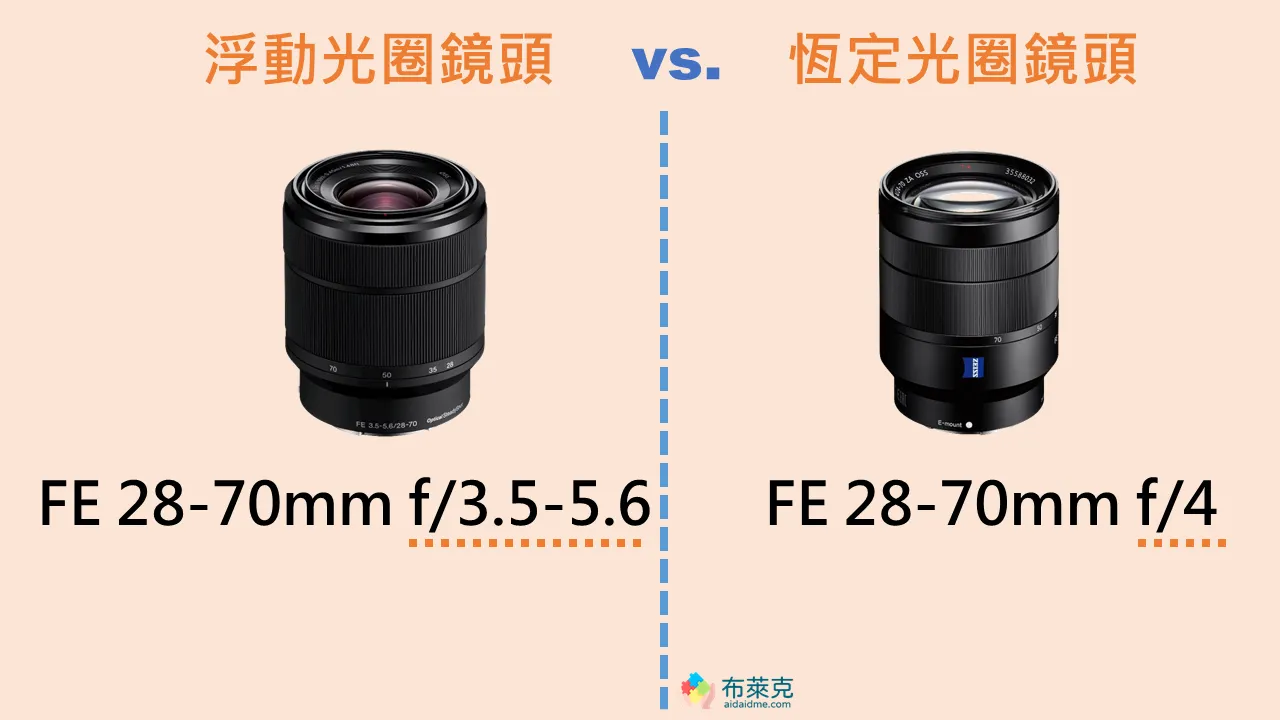
▲ Figure 6: Lenses can be divided into zoom lenses and fixed focus lenses based on the rotating ring.
floating aperture lens
Affordable price light weight Soft picture quality Aperture drops quickly
For most zoom lenses on the market, the aperture shrinks as the focal length increases. This type of lens is called a floating aperture lens. For example, the picture below shows the relationship between the focal length and aperture of the 70-300mm f/4.5-5.6 lens.
When the focal length is 70mm, the aperture size range is f/4.5-f22. When the focal length is turned to 155mm, the aperture size range becomes f/5.6-f/25, which means that the focal length is only half way, and the aperture has almost dropped by one step.
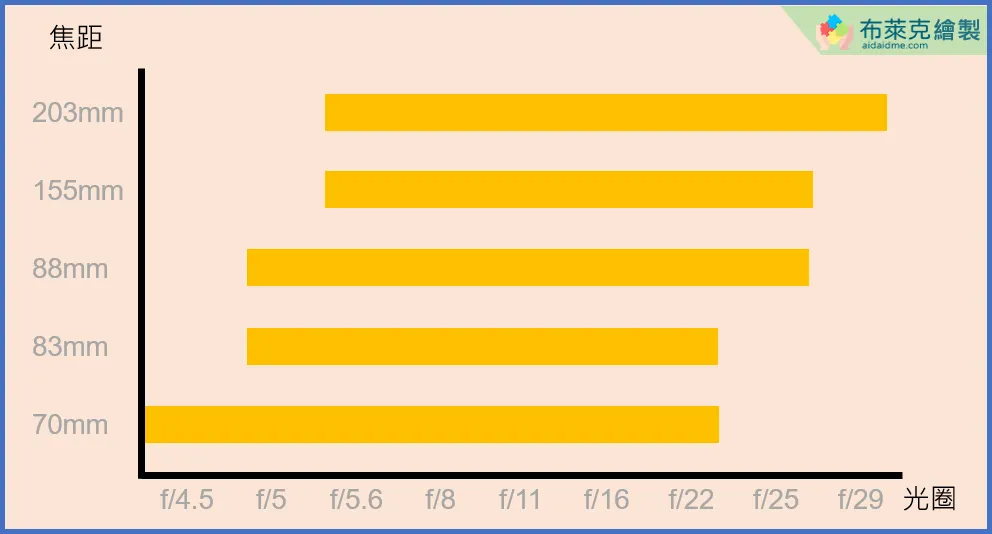
▲ Figure 7: The relationship between floating aperture and focal length
After the aperture becomes smaller, you may need to uselonger shutter timeOrHigher sensitivityto achieve the same exposure. A longer shutter speed may cause blurring and cause image retention, and the photo will be lost. There will be noise at higher sensitivities, and if the number is too high, it will not be sharp or good-looking.
If that’s the case, wouldn’t it be impossible to buy this kind of floating aperture lens? Don’t rush to a conclusion yet!
Although the shortcomings are obvious, let the editor talk about its advantages! The summary is as follows:
1. Cheap and friendly to beginners
If price is your primary consideration, you can look at floating aperture lenses. Taking the most commonly used standard focal length and telephoto focal length, the biggest price difference can be as high as NT$11,000. This is the price difference for full-frame lenses, and the price difference for APS-C lenses will be a little smaller. As an introductory exercise, you can start with the basic model.
| Classification | Lens specifications | Pricing | Official link |
| floating aperture | FE 28-70mm f/3.5-5.6 OSS | NT$14,980 | here |
| constant aperture | Vario-Tessar® T* 24-70mm f/4 ZA OSS | NT$25,980 | here |
| floating aperture | FE 70-300mm f/4.5-5.6 G OSS | NT$35,980 | here |
| constant aperture | FE 70-200mm f/4 G OSS | NT$38,980 | here |
▲ Table 2: Price comparison between floating aperture and constant aperture
2. Smaller size (compared to constant aperture lenses)
Generally speaking, there are fewer optical lenses inside a floating aperture lens, which will be reflected in the size, so naturally there is no need for such a long lens. After the size is reduced, it will increase the willingness to carry it out.
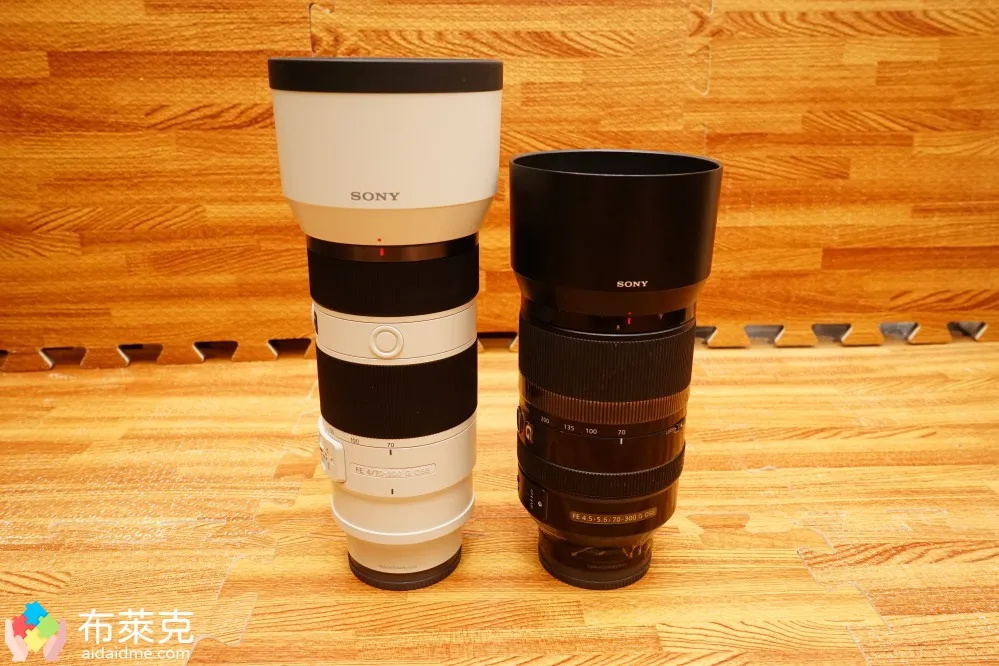
▲ Figure 8: The right side is a floating aperture lens, which is relatively small.
The pictures above are the SEL70200G (left, constant aperture) and SEL70300G (right, floating aperture). Although the two lenses are designed with different zoom methods and it is unfair to compare them together, generally speaking, the size of the floating aperture is indeed smaller.
3. Lighter weight (compared to constant aperture lenses)
There are fewer optical lenses, so the weight is certainly lighter, which probably doesn’t require much explanation.
constant aperture lens
Aperture remains unchanged Nice photo at night expensive heavier weight
Generally speaking, as long as the focal length of a lens can be changed, the aperture size will also be affected. But there are always exceptions to everything, and some lenses are even designed toAperture size is always fixed, called a constant aperture lens.
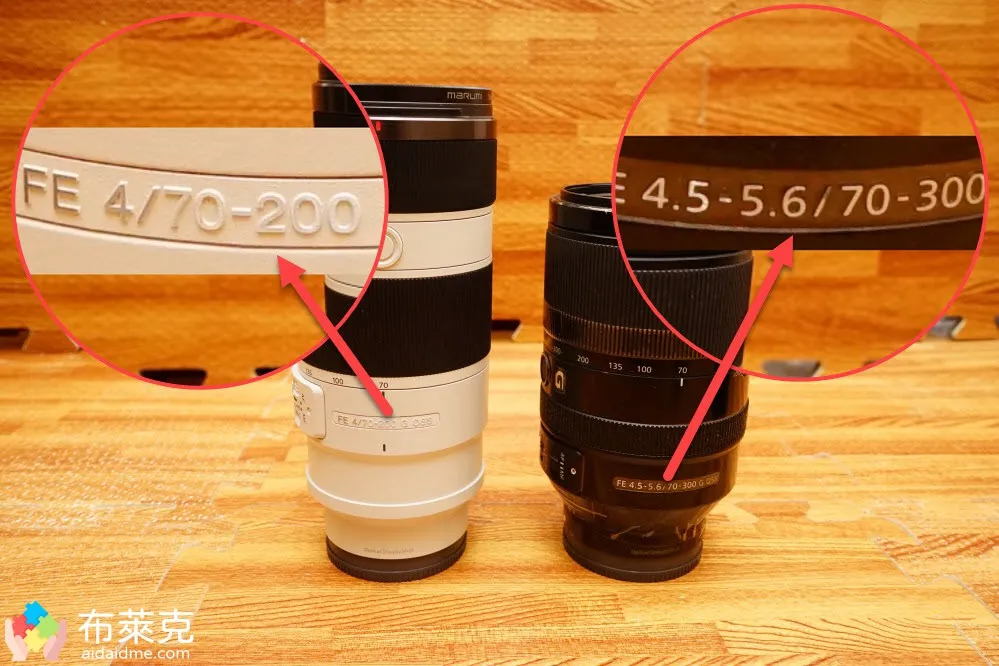
▲ Figure 9: The left is constant aperture, the right is floating aperture
Although the aperture does not change with the focal length, it does not mean that the aperture cannot be adjusted. The “constant aperture” mentioned here means that the maximum aperture will not change. Of course, if you want to narrow the aperture, it is no problem. I wrote about the advantages and disadvantages of constant aperture lenses a while ago. If you are interested, you can check it out here.
There is an interesting “jargon” in the photography circle. They call certain types of constant aperture lenses “ternary”, which refers to the 16-35mm ultra-wide-angle lens, the 24-70mm standard lens, and the 70-200mm telephoto lens. When you collect these three golden lenses, you basically don’t need to buy other lenses. They can already cover most usage scenarios.
These three lenses can be further subdivided into “big three yuan” and “small three yuan”, for a total of 6 lenses.
-
Big Three: Refers to three lenses with a constant f/2.8 large aperture. Regardless of texture, workmanship, and image quality, they are impeccable. They are often the most advanced lenses used by lens manufacturers to demonstrate their own optical craftsmanship. Nowadays, every lens factory that you can name has its own large ternary lens group. This is the most fragrant delicacy, and its quality is undeniable. Of course, the price is also very surprising, and it is not recommended for novices to buy!
-
Small ternary lens: refers to three lenses with a constant f/4 aperture. The apertures of these three lenses are not as large as those of the big ternary lens, and the amount of light entering is one step different. The amount of light entering is one of the factors that affects the price of a lens, so the price is also much cheaper. Friends who want to learn photography can consider taking a look.
Distinguish by focal length
If you use focal length to distinguish lenses, they can be roughly divided into the following categories. The standard of focal length is not absolute, it is just what everyone is used to calling it.
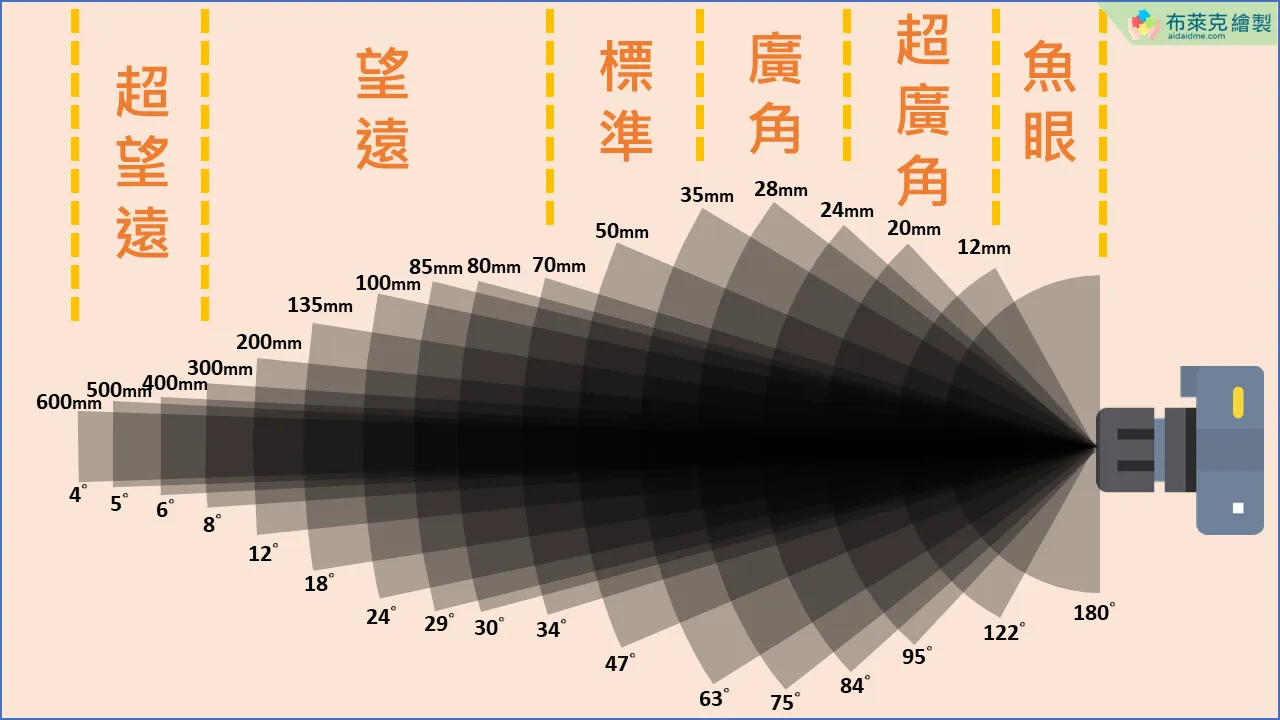
▲ Figure 10: Relationship between focal length and viewing angle
The following focal lengths are all distinguished by equivalent focal lengths. If you want to convert to APS-C format, you need to divide by 1.5 times! For example, a fisheye lens is a full-frame lens below 12mm, which is converted to an APS-C frame of 8mm!
For those who are not familiar with equivalent focal length, you can read this article first to understand its relationship with the photosensitive element.
Fisheye lens (below 12mm)
Unique effect Super wide viewing angle Severe deformation
The appearance of the lens will be obviously convex and look like the eyes of a fish, so it is named fisheye lens.
The angle of view of this kind of lens is usually close to 180°, which is a lens with a very wide field of view, much wider than any ultra-wide-angle lens. However, because the viewing angle is very wide, the scenery in the photo will be greatly distorted, showing a barrel-like deformation.
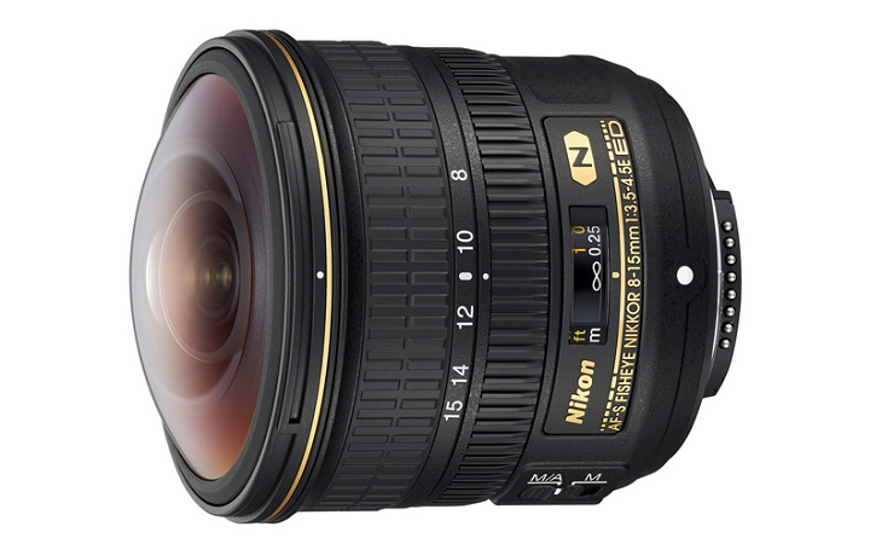
Fisheye lens AF-S FISHEYE NIKKOR 8-15mm/from Taiwan Nikon official website
There are two categories of fisheye lenses, namely diagonal fisheye and circular fisheye.
- Diagonal fish-eye: This is more common. As you look closer to the border of the photo, you will find that the distortion is very serious, and it is easy to take pictures with tension. Although this effect can also be achieved through post-production, it is also very good to use optics to create this effect naturally!
- Circular fisheye: The biggest feature is that there will be varying degrees of vignetting (or black frame) around the photo. The scene in the middle is like looking through a convex lens, much like the feeling of standing on the moon and looking at the earth, which is quite interesting. If you attach an APS-C diagonal fisheye lens to a full-frame camera, it will become a circular fisheye!
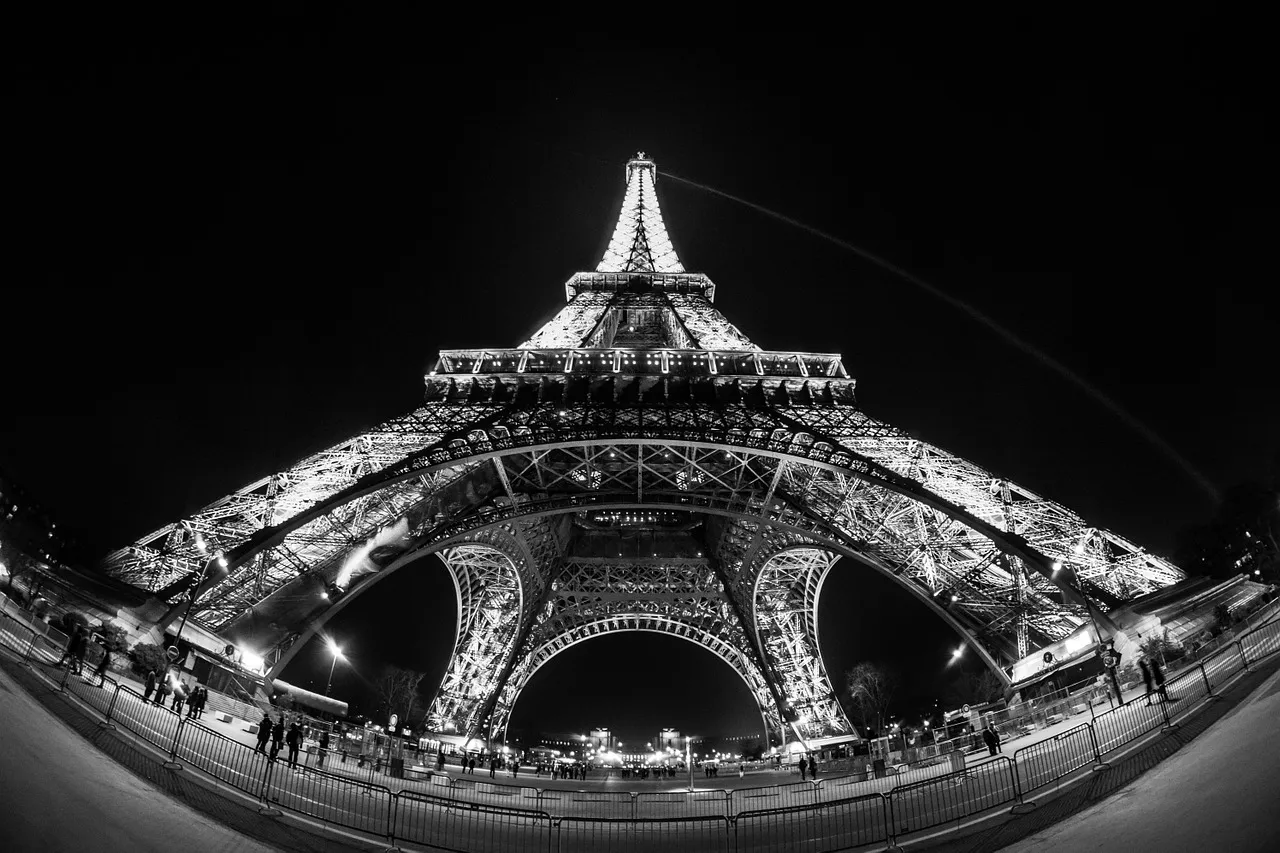
Diagonal fish eyes/from Pixabay
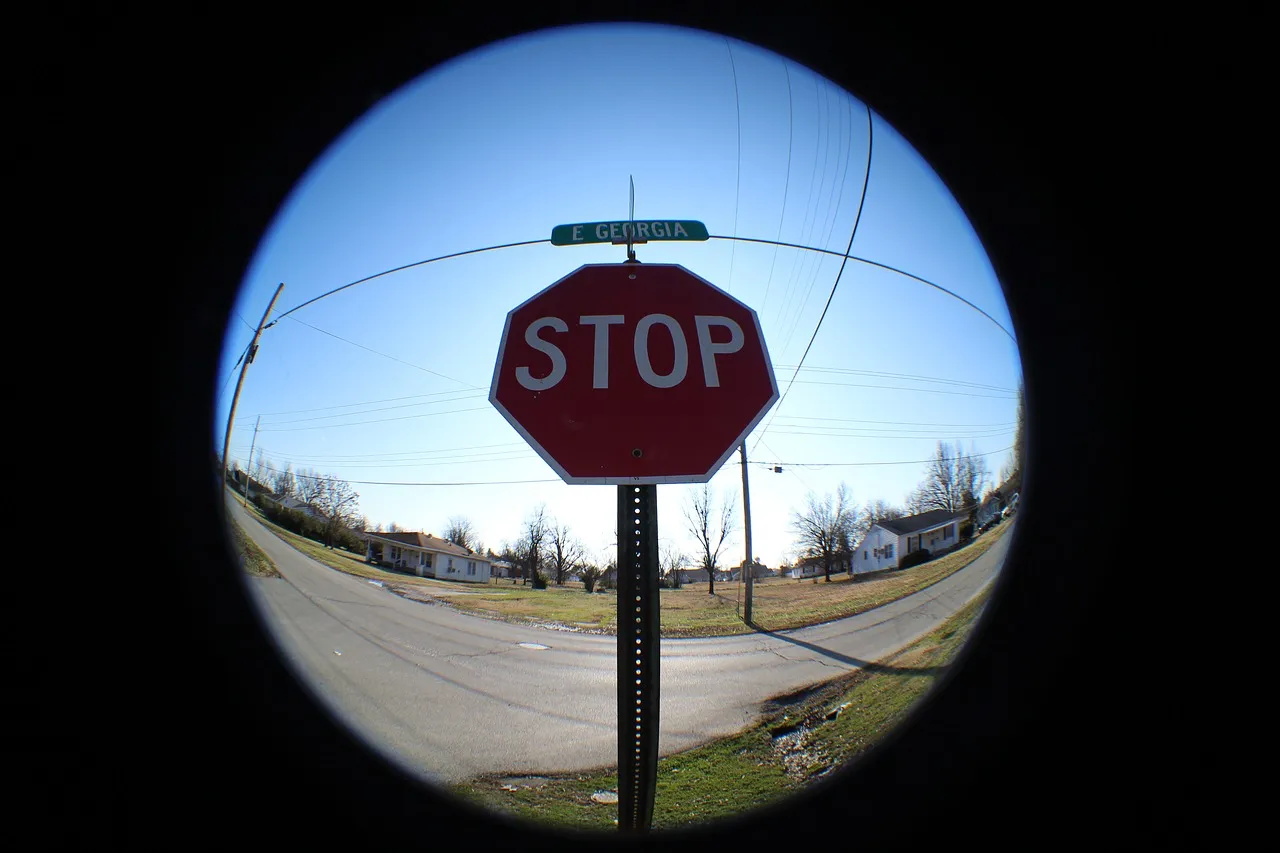
Round fisheye/from Pixabay
The effect captured by the fisheye lens is very unique and exaggerated. However, this is considered a niche demand, and not every lens manufacturer will launch a product. The models that the editor has found so far are as follows. Friends who want to take pictures with this kind of special effect can buy them and have a look.
- Canon EF 8-15mm f/4L Fisheye USM
- Nikon AF-S FISHEYE NIKKOR 8-15mm f/3.5-4.5E ED
- LAOWA 4mm f/2.8 Fisheye
Ultra wide angle lens (12-24mm)
Suppress deformation Super wide viewing angle more expensive
Although the field of view is not as good as that of a fisheye lens, from this focal length onwards, multiple lens manufacturers are competing with each other. Generally speaking, the smaller the focal length, the scenery at the border of the photo will be distorted. Ultra-wide-angle lenses are of course no exception, but in order to minimize the distortion effect, each manufacturer willUse aspherical lenses to suppress distortion, the price is a bit more expensive.
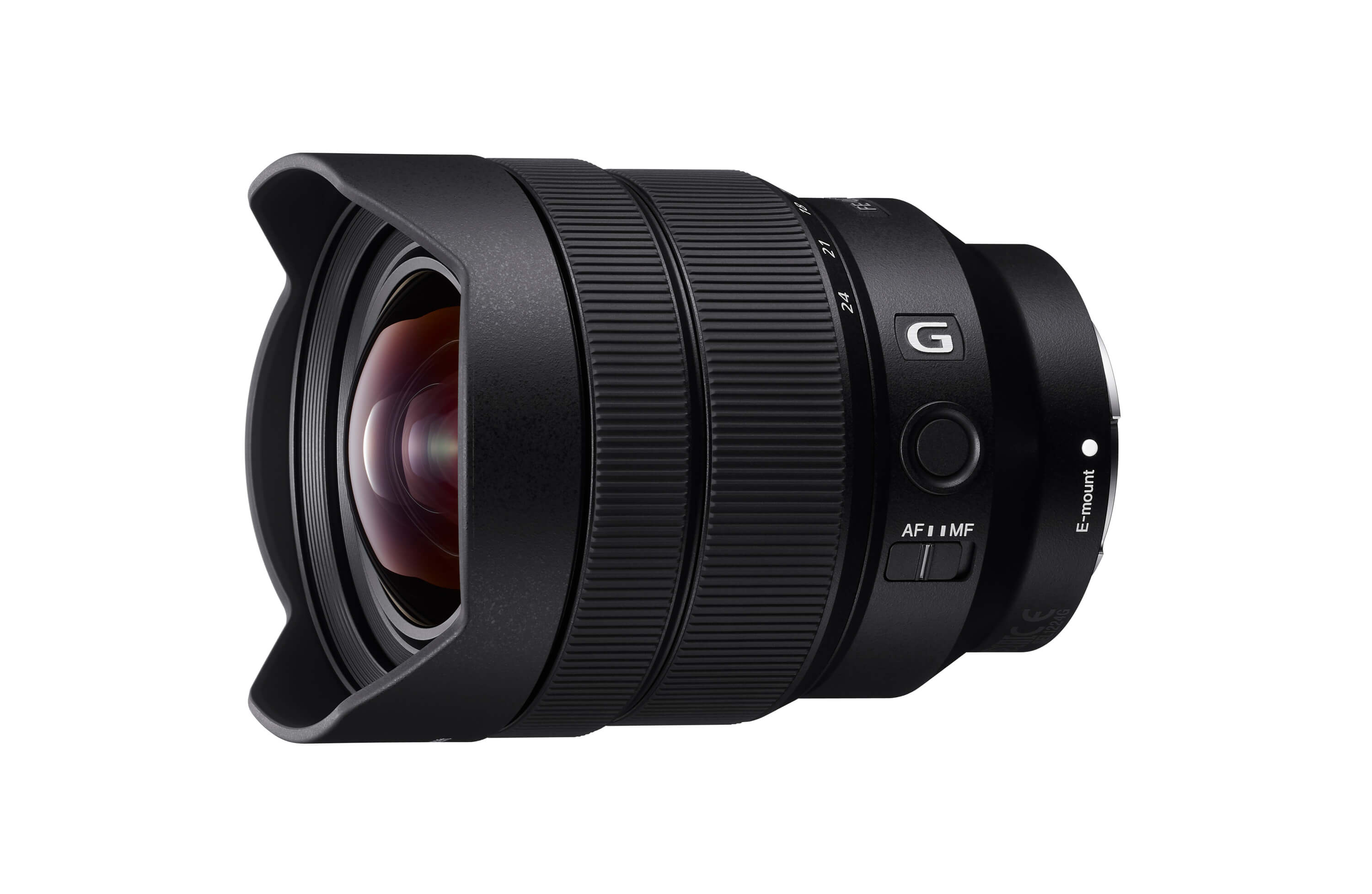
Ultra-wide-angle lens Sony FE 12-24mm f/4 G/from Sony Taiwan official website
OK! I know this lens is not just more expensive, but it is also Sony’s own G series, which is the second series with the best lens manufacturing technology.
When photographing landscapes, architecture, and starry skies, an ultra-wide-angle lens is absolutely indispensable. Because this type of theme requires capturing all the scenes in front of you into one photo. If you think about standing in front of Taipei 101, you can easily take in the entire building with an ultra-wide-angle lens.
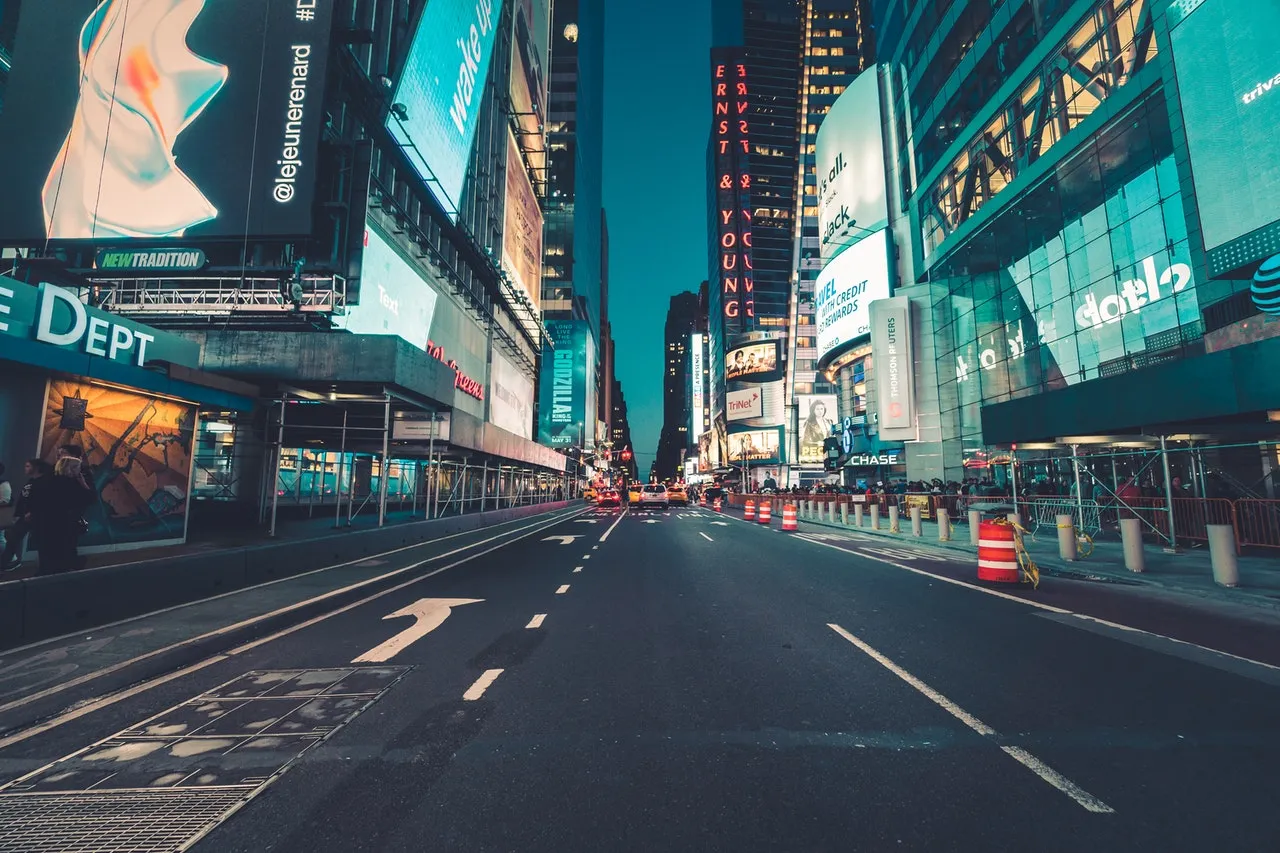
Landscape photos are suitable for using ultra-wide-angle lenses / from Pexels
At this point, you may not be able to tell the difference between an ultra-wide-angle lens and a fish-eye lens. In addition to the difference in viewing angle, the biggest point is that the fish-eye lens does not deal with the problem of deformation and distortion around the photo, but the ultra-wide-angle lens will suppress it. Photos without distortion will have more commercial space.
Wide angle lens (24-35mm)
Suppress deformation Wider viewing angle more expensive
Compared with the ultra-wide-angle lens, the wide-angle lens without the word “super” attracts the editor’s attention more. There are two main reasons. The first is that I like to travel around, and wide-angle lenses are more versatile. Second, the ultra-wide-angle lens has a wider field of view, so it is easy to take pictures of irrelevant people, things, and objects. It is not easy to avoid them XD! But using a wide-angle lens doesn’t have this problem.
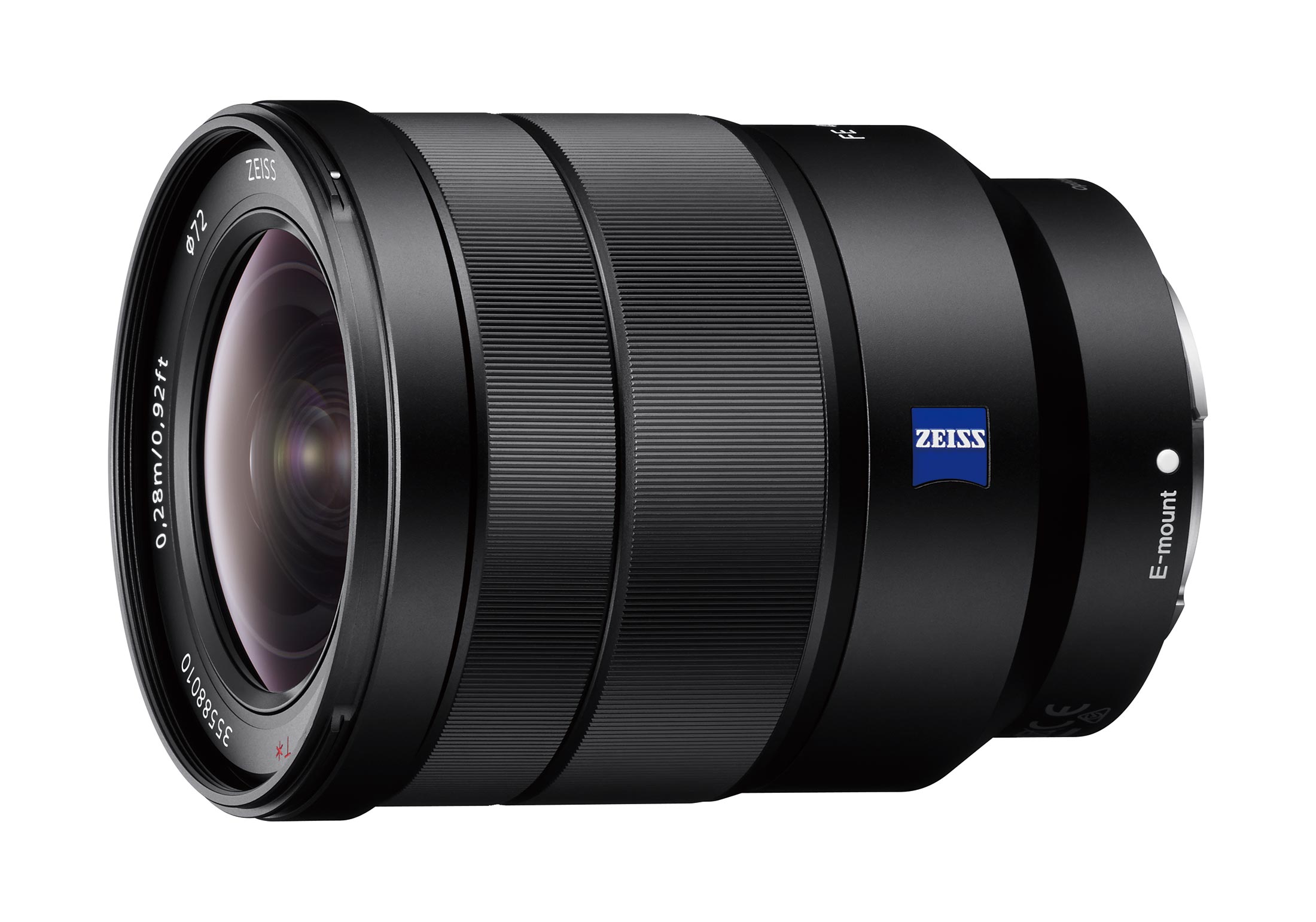
Wide-angle lens Vario-Tessar® T* FE 16-35 mm f/4 ZA OSS/from Taiwan Sony official website
The wide-angle lens is mainly specialized in landscapes, architecture, etc. It can also cover a bit of humanistic street photography. For example, hotels or real estate agents will also use wide-angle lenses to take pictures of the interior, giving people the illusion that the room is oversized.
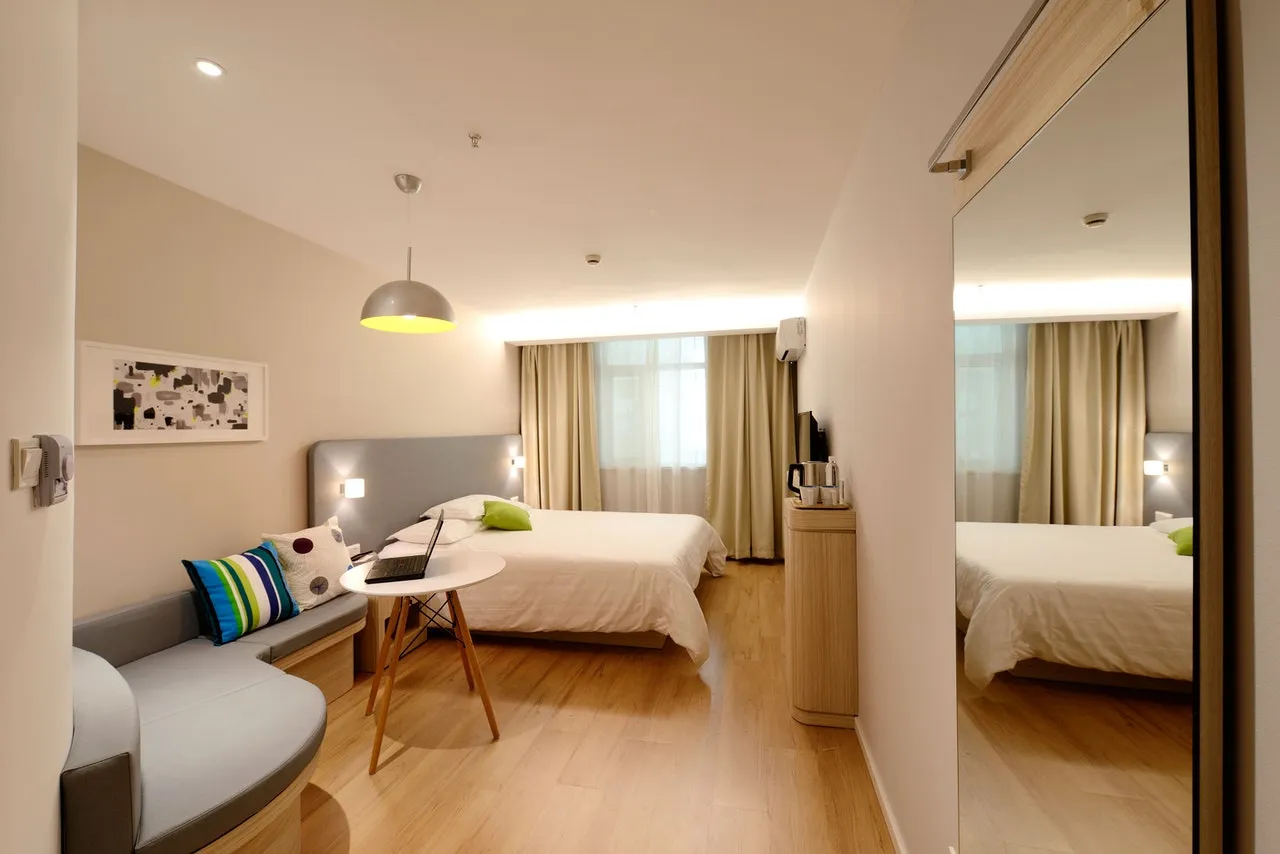
Making good use of wide-angle lenses in hotel rooms will make the room look bigger / from Pexels
Now that we’ve mentioned Zeiss’s wide-angle lens, let’s mention the editor’s previous article on unboxing and testing it! The overall performance of the lens is not bad. If you are interested, go check it out!
Standard lens (35-70mm)
Travel first choice Affordable price Difficult to choose
The standard lens is the most popular focal length, mainly because it is suitable for most subjects in life, unlike the previous (super) wide-angle lens which can only be used in more fixed scenes.今天想在街头拍一些相片、明天想拍人像、后天想拍风景…等等,通通能够一镜多数情况满足。
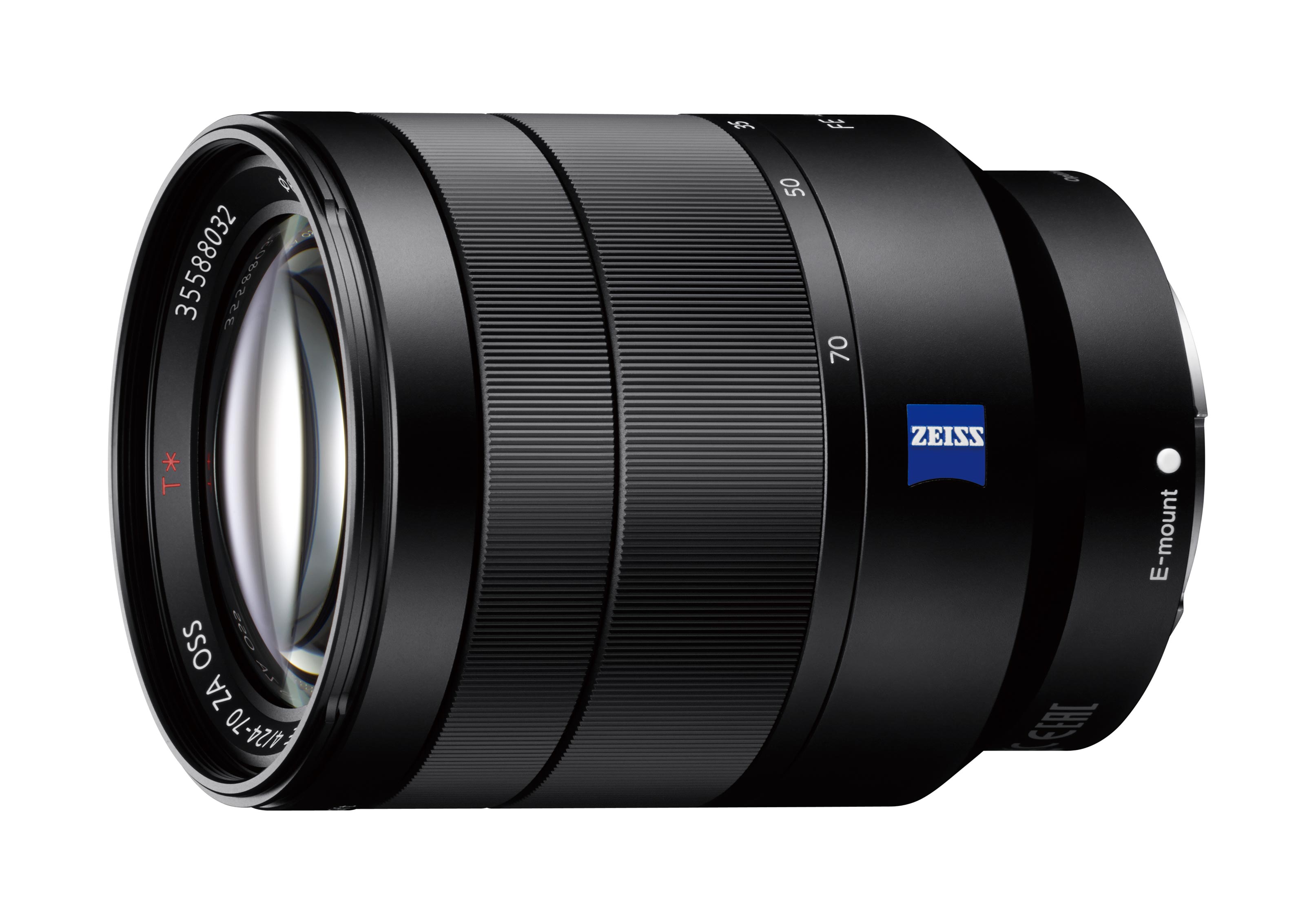
Standard lens Vario-Tessar® T* FE 24-70 mm F4 ZA OSS/from Taiwan Sony official website
Precisely because the scope of application is quite diverse, and because many manufacturers are trying to come up with new focal lengths, there will naturally be many candidate lenses!
As of the time of writing this article, Sony alone has aboutThere are 16 E-mount full-frame lensesFalling within this range, you can see how compact it is. It is easy for novices to have difficulty in choosing. This is something that needs to be paid attention to.

Silhouette photos of friends / from Pexels
If I were to recommend something, I would tend to recommend a focal length of around 50mm, because when humans focus, the range of what their eyes can see is closest to 50mm, and there is a bit of a WYSIWYG concept.
Telephoto lens (70-300mm)
Shallow depth of field Compression Easier to get started Inconvenient to carry
The viewing angle of the telephoto lens is relatively narrow and is not easily disturbed by the surrounding scenery. Because of its long focal length, it is particularly suitable for photographing distant objects. The most commonly used scene is the zoo. If the zoo allowed photography, you would have seen photographers with long cannons taking wild photos of the animals in the park.
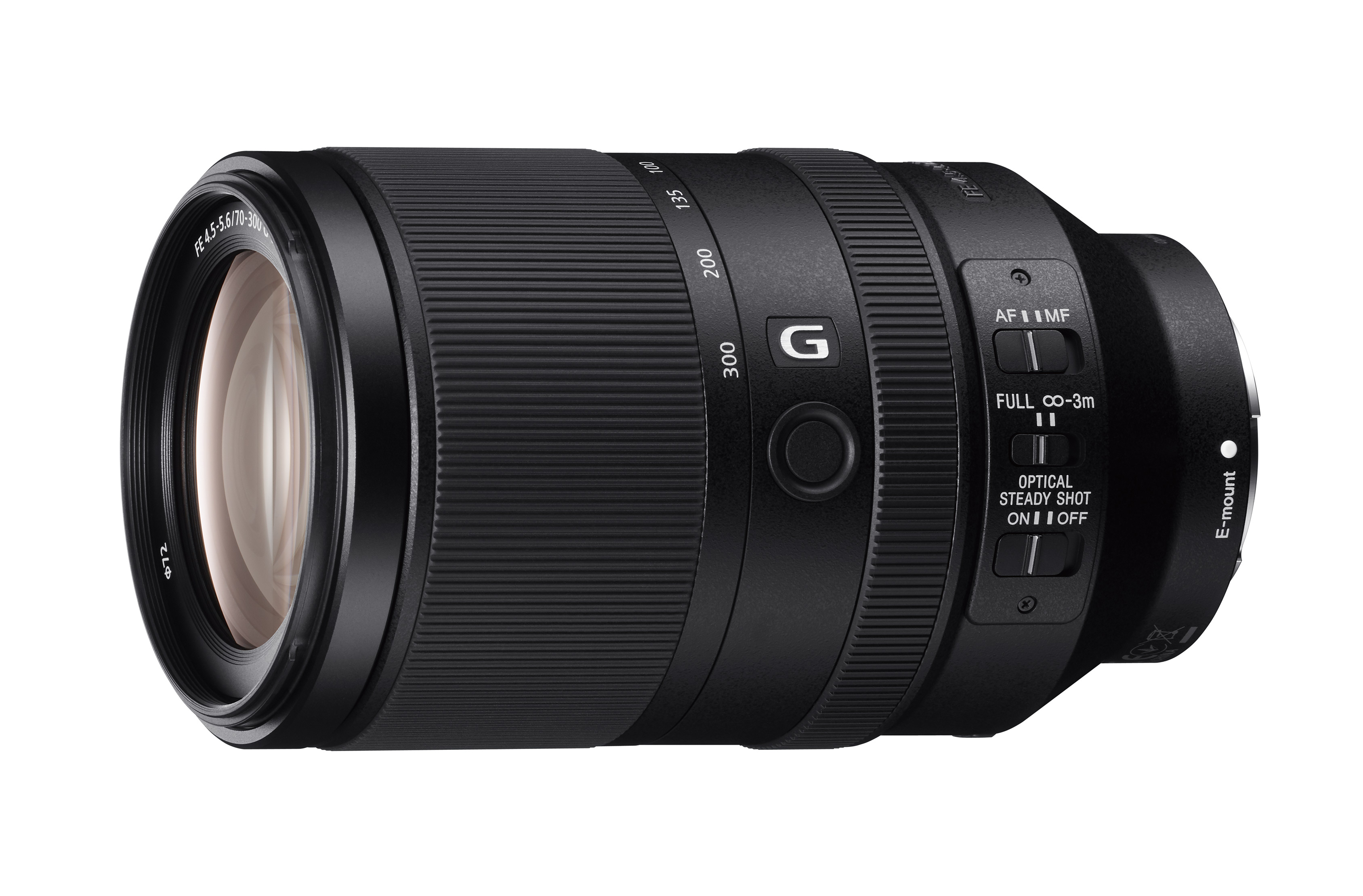
Telephoto lens Sony FE 70-300mm f/4.5-5.6 G OSS/from Taiwan Sony official website
The editor has unboxed this lens before. It is a very cost-effective lens for the price. If you are interested, check it out!
We all know that people who are closer to you will appear larger, and people who are further away will appear smaller visually. But this is not the case with a telephoto lens. When shooting with it, it will be impossible to distinguish the front-to-back distance between the people in the picture, that is, the people in the picture are all about the same size. This phenomenon is very obvious with the telephoto lens, which is called “compression.”

The telephoto lens creates a sense of compression/from Pexels
Telephoto lenses can also produce a very shallow depth of field, which can emphasize the subject whether used to photograph people or animals. This is why the focal length of many portrait lenses falls within this range.

Telephoto lens produces shallow depth of field / from Pexels
Ultra-telephoto lens (above 300mm)
Shallow depth of field Compression Difficult to get started Inconvenient to carry
Lenses of this level are usually completely out of reach for ordinary people. How to say it? Focal lengths exceeding 300mm are usually useful for specific subjects, such as reporters at sports events and other competitions, railway fans, ecological photographers, paparazzi…etc.
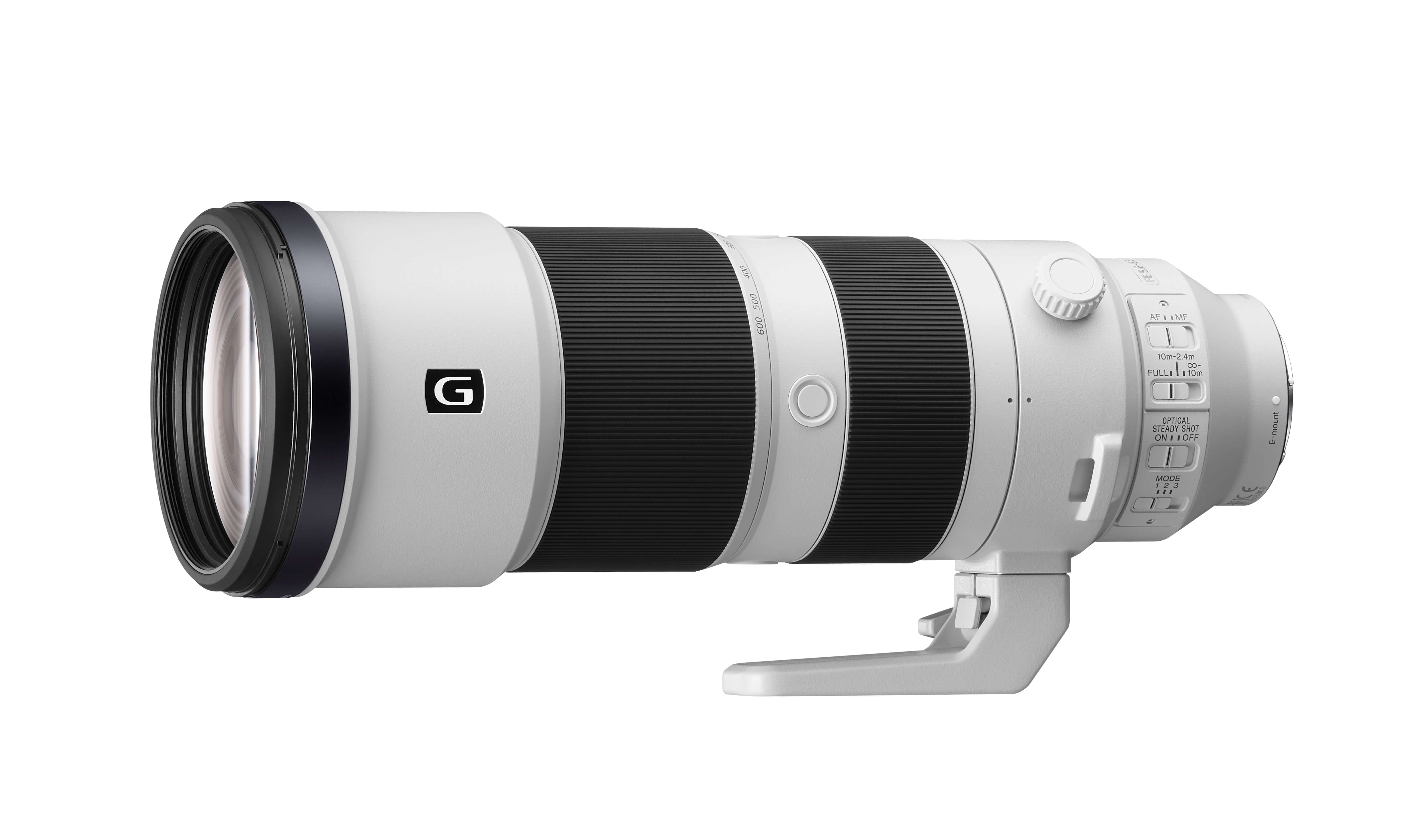
Super telephoto lens Sony FE 200-600mm f/5.6-6.3 G OSS/from Taiwan Sony official website
No matter who holds the ultra-telephoto lens in their hands, it should attract a lot of attention, and it often gives people a very professional feeling. However, ultra-telephoto lenses are quite expensive, and ordinary office workers may have to save for several months before they can afford one. The mirror body is also very long, so you need to find a moisture-proof box with a larger capacity to fit it in. Ultra-telephoto lenses are usually very heavy. The 200-600mm in the picture above weighs 2,115 grams, which is quite heavy to hold in your hand.

Ultra-telephoto lenses are suitable for use in various sports events / from Pexels
There are many lenses with focal lengths above 600mm on the market. If you feel that the focal length is not enough, the easiest way to expand is to buy a teleconverter. There are usually two options: 1.4x and 2.0x.Putting on a teleconverter will reduce the maximum aperture, while increasing the focal length, it also sacrifices the aperture. Whether it is useful or not is a matter of opinion.
distinguished by characteristics
cookie shot
Smaller size Easy to carry Ordinary material
The English name for biscuit lens is Pancake Lens, which means it is as thick as a muffin. It is just called “biscuit” in translation, which strengthens its thin and light characteristics, but usually the lens is not as thin as a biscuit!
The design of the biscuit lens adopts a simple optical structure, reducing the use of lenses inside the lens to achieve the purpose of being thin and light. The appearance of the lens is as shown below. See if you can find the position of the focus ring. It is not easy to rotate such a small ring!
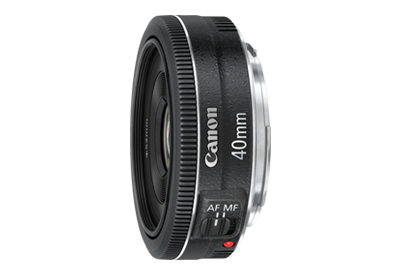
Tilt-shift lens Canon EF40mm f/2.8 STM/from Taiwan Canon official website
Biscuit lenses are a general concept, and there is no specific stipulation on which lenses fall into this category. Common cookie lenses are usually small lenses with a flat appearance, such as wide-angle fixed focus lenses. They can also be understood as “fixed lenses as thin as cookies”. In fact, there is no such thing as a cookie lens.
Because of the thin and light appearance of the lens, it is not too heavy when paired with a camera, and is even suitable for placing in a small backpack or pocket.
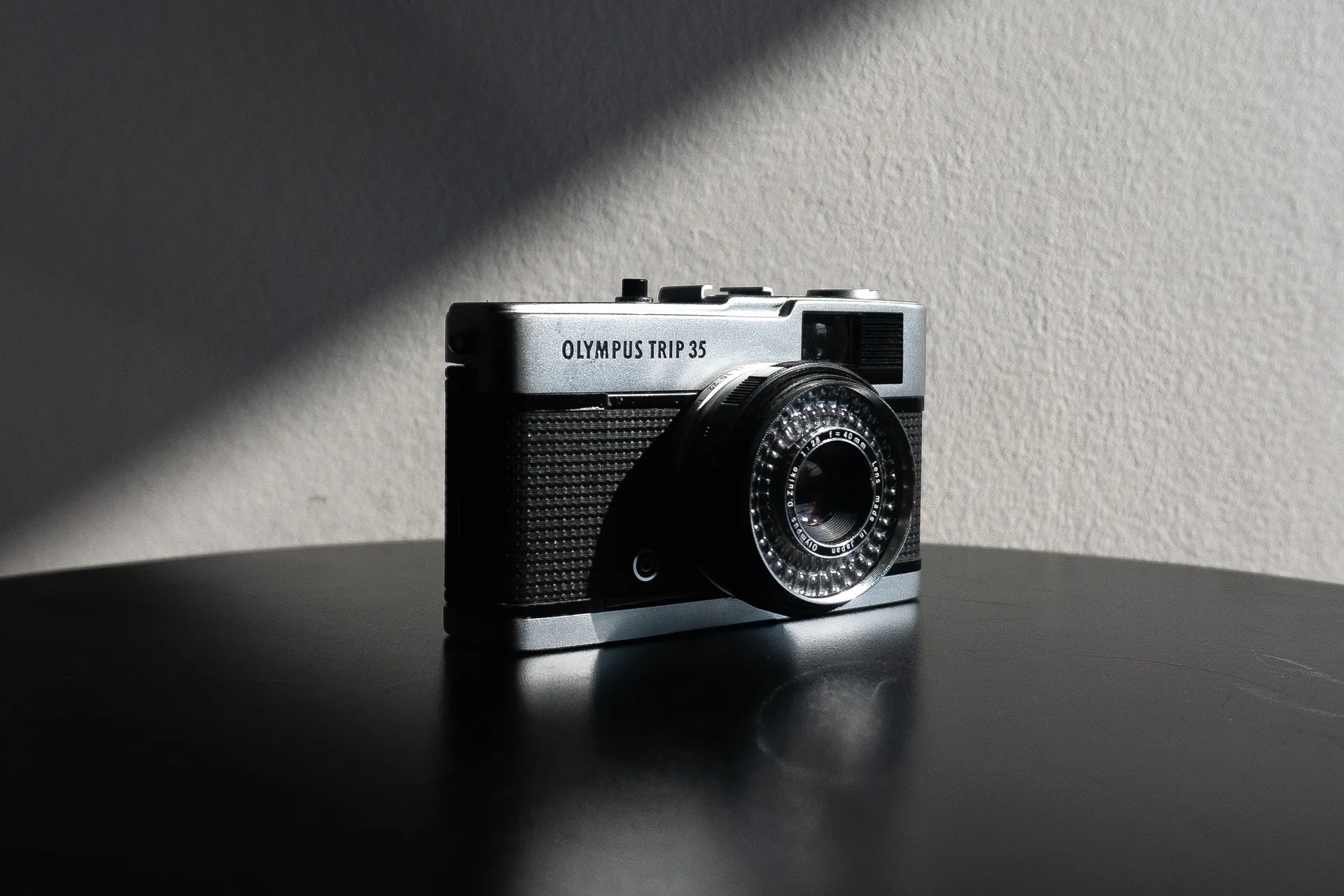
Biscuit lens paired with lightweight body/from Pexels
But be careful! Most biscuit mirrors are made of ordinary materials and cannot withstand collisions. Be careful about squeezing when placed in a backpack or pocket! It’s best to use a hard-shell camera case instead of using none or using a leather camera case.
portrait lens
Large aperture Clear picture quality Difficult to choose
When taking portraits, the most important elements are clear outlines, no excessive clutter around them, bright colors, and high contrast. The only ones that can meet these conditions are fixed-focus lenses with medium and long focal lengths. This is why portrait lenses are often associated with 85mm prime lenses.
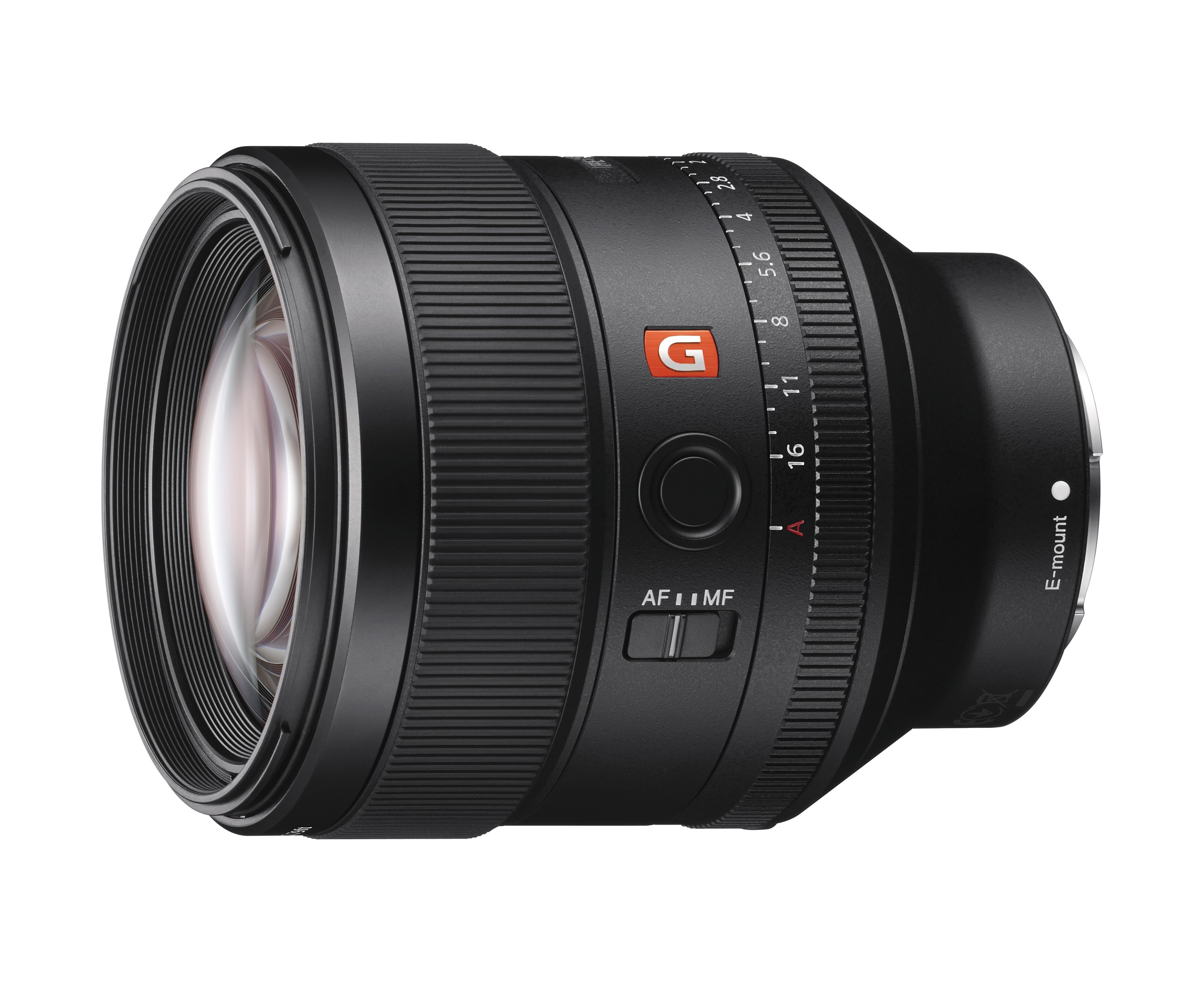
Portrait lens Sony FE 85 mm f/1.4 GM/from Taiwan Sony official website
Why an 85mm prime lens?
- Distance from the model: If the photographer is too close to the model, it is easy to capture a shadow due to the lighting, especially when shooting indoors. Therefore, the 85mm lens has an appropriate minimum focusing distance and will not capture the photographer’s shadow.
- Clear images: When taking pictures of people, you always pay attention to the position of the facial features, and fixed-focus lenses can play the key to detailed imaging.
- Clean background: Fixed-focus lenses have large apertures, which can produce a shallow depth of field, thereby blurring out cluttered objects around them.
- Color contrast: Fixed-focus lenses do not have too many optical lenses and will not compromise color performance.
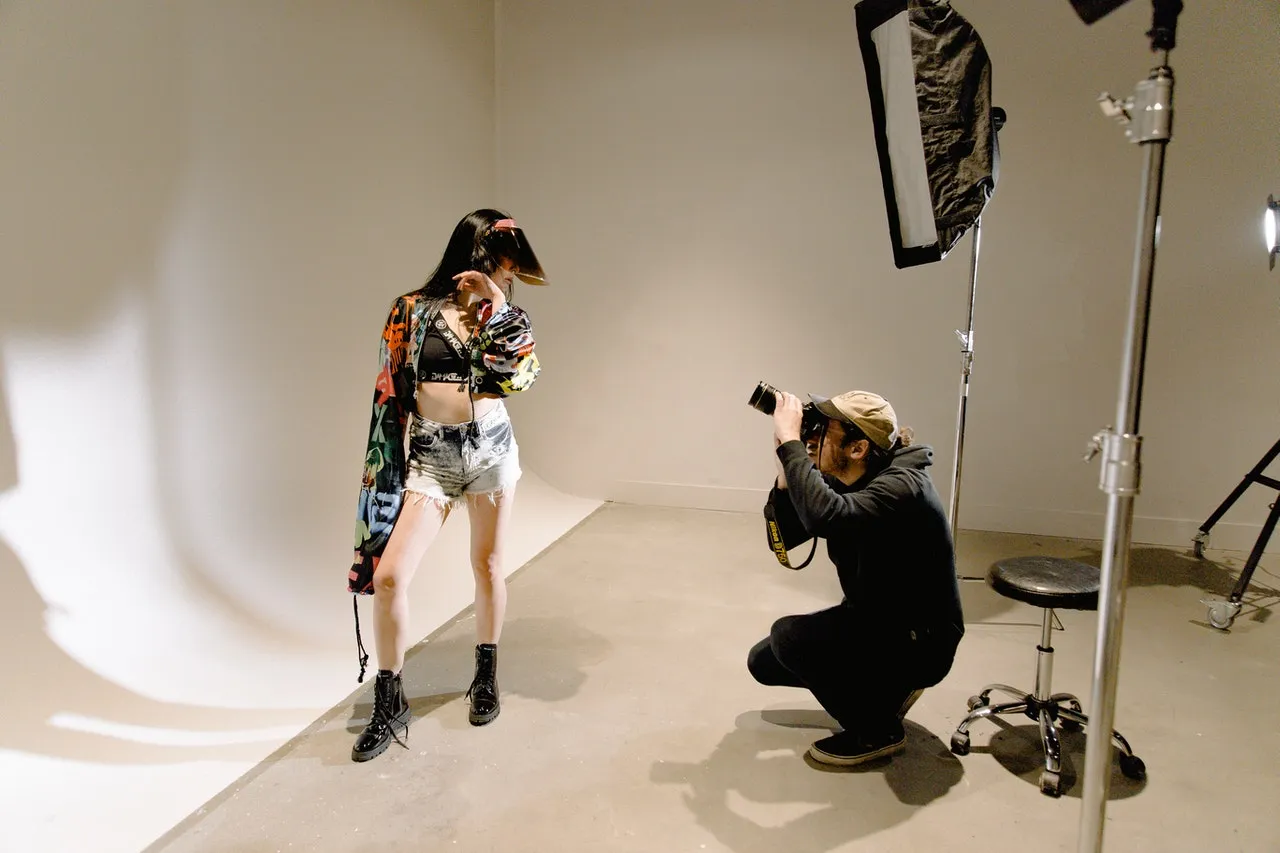
Taking portraits indoors / from Pexels
Of course, the choice of focal length is more flexible. You can also choose 35mm, 50mm, or 100mm. If the model’s movements are relatively large, or the surrounding scenes are pre-arranged, you can also choose a 35mm wider-angle lens as a portrait lens. If you want a shallower depth of field, consider a 100mm focal length lens.
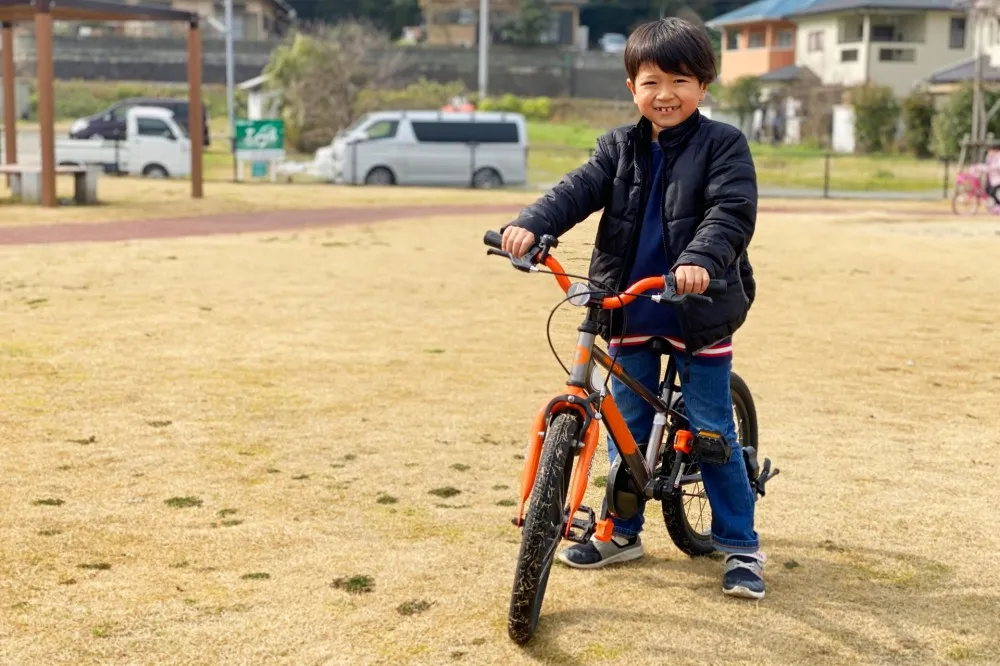
Boy riding a bicycle/Photo-ac
macro lens
Good magnification Detailed picture quality expensive
We talked about detail before, so we must talk about macro lenses.
The characteristic of macro lenses is that they have high magnification, and most of them can achieve 1:1 imaging results. Generally, a lens with a magnification of 0.5x is already a miracle.
The magnification ratio of 1:1 means that at the closest focusing distance, the size of the real object and the image are the same. If the real object is 1cm, it will occupy 1cm on the camera. In other words, if you measure the camera’s LCD screen with a ruler, it will be 1cm.
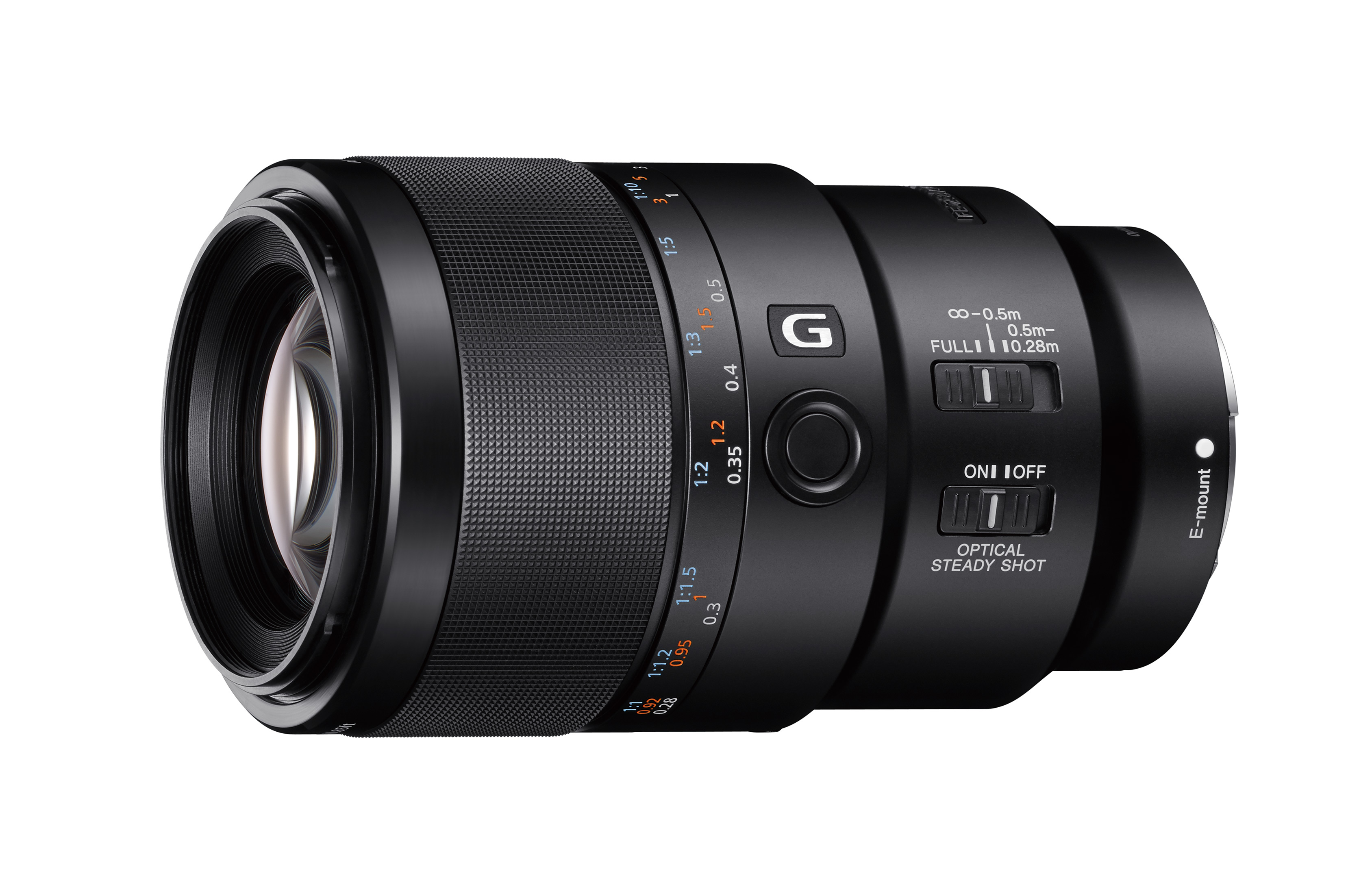
Macro lens Sony FE 90mm f/2.8 G Macro OSS/from Taiwan Sony official website
Usually macro lenses are fixed-focus lenses with a focal length of about 100mm. The photography circle will call them “hundred micro”, which means macro lenses with a focal length of about 100mm.
The main purpose of a macro lens is to take pictures of small things, such as insects, stamens, accessories, dolls… you can do it.

Photographing the Iron Man doll with a macro lens/from Pixabay
You may be wondering “Why does the focal length need to be so long?” because macro lenses are used to photograph insects such as ants, bees, butterflies, etc. If the focal length is not long enough, you have to get very close to the subject to get a close enough shot. If you shoot from far away, the magnification will be wasted. Only then will a macro lens with a focal length of 100mm appear.
If you, like the editor, don’t like insects very much and know that the purpose of your macro photography is still life, then you can choose a macro lens with a slightly worse magnification or a shorter focal length, which will also be reflected in the price.
Tilt-shift lens
Eliminate the sense of perspective Correct perspective Limited use time The operation is more complicated
Do you like taking pictures of buildings? Most of the time we can only take pictures from an elevation angle. Have you noticed that after taking pictures of buildings, the tops are all pointed? As you stand closer to the building, the top floor becomes more pointed, like in the picture below.
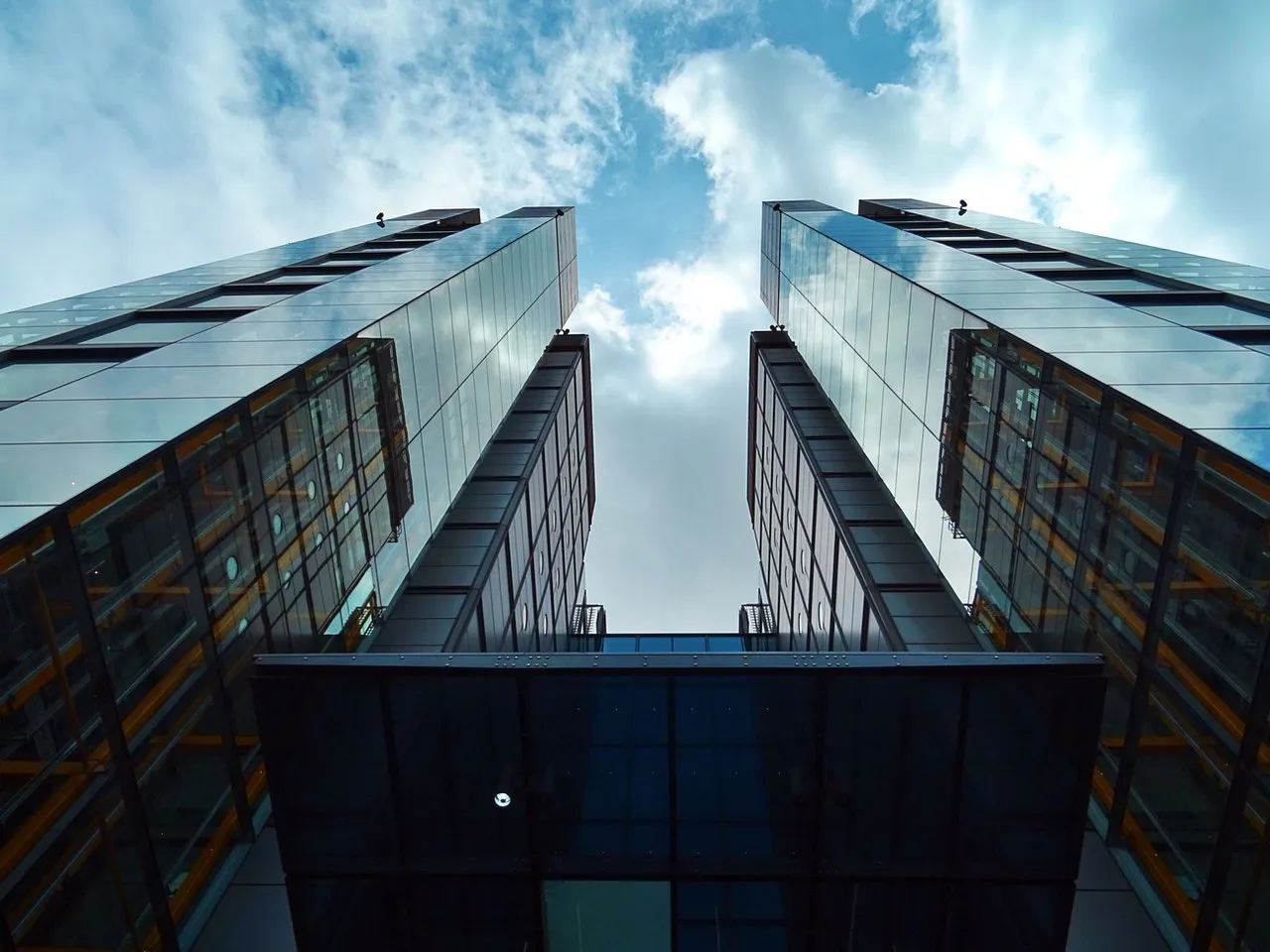
A spire appears on the top floor of a building in an upward shot/from Pexels
How should I take a picture of a building that is perpendicular to the ground? Like the picture below. You may think that you should go as far away as possible to take pictures, or go to the middle floor of the opposite building to take pictures. This is the concept that if the building cannot be moved, then move yourself XD.

▲ Figure 33: Building vertical to the ground
With a tilt-shift lens, you can easily capture this effect, while the person is still standing under the building. By moving the optical lenses up and down, left and right, the distortion correction function is achieved. Canon’s TS-E series is a tilt-shift lens that looks like the picture below.
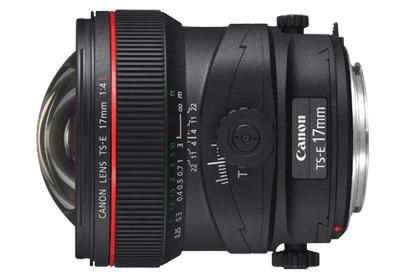
Tilt-shift lens Canon TS-E17mm f/4L/from Taiwan Canon official website
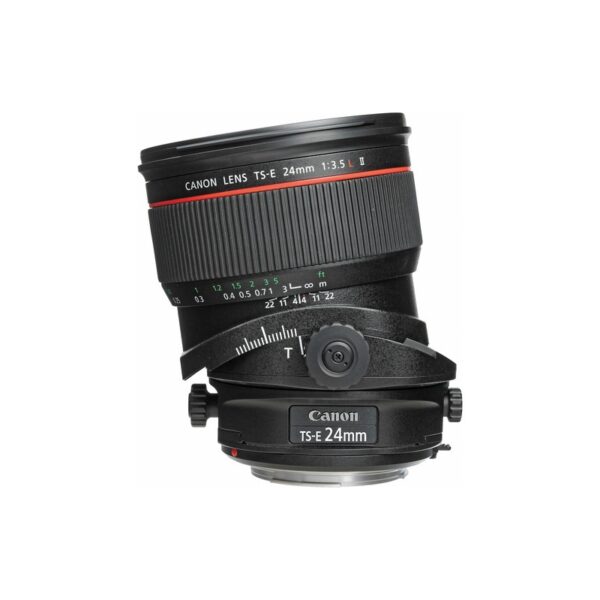
Tilt-shift lens translation lens/from hotcoldphoto
For this lens, the yellow circle can adjust the up and down translation direction of the lens, which can move up to 12mm to achieve a 6.5° tilt effect. The red button can rotate the lens counterclockwise to achieve correction.
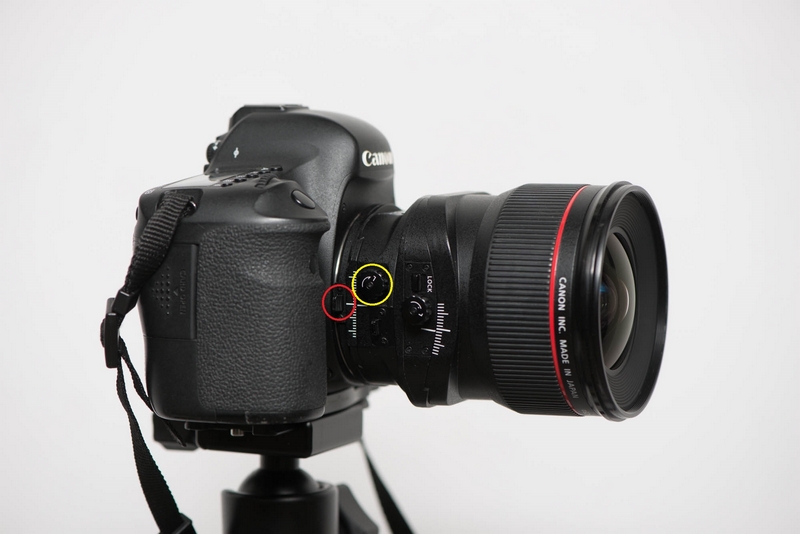
Tilt-shift lens function button/from Hong Kong Canon official website
Then you may be wondering “Why do we need to make the building vertical to the ground?” There are two main reasons:
- Eliminate the sense of perspective: We all know that objects closer to the eye will be larger, and objects further away will be smaller. This will give the eye the illusion that the top of the building is very small. After eliminating the sense of perspective, there will be no difference between the front and rear foreground.
- Describe the building structure: The biggest fear when buying a house is that the feeling after buying it is different from the actual feeling. For example, the higher the floor you live in, the smaller the spatial pattern will be. Therefore, in order to make the building structure and floor height more clear to everyone, it is necessary to make the building vertical to the ground, so that the actual proportions of each room can be seen at a glance.
After understanding why a tilt-shift lens is needed, let’s take a look at the schematic diagram! The schematic photos taken with a normal lens and a tilt-shift lens are as follows. When put together, you should be able to feel the difference better.

▲ Figure 37: Schematic photos of ordinary lenses and tilt-shift lenses
Looking at the schematic diagram, is there no Feel? Then let me show you an actual photo! The model this time is the University of Tokyo in Japan. The left side (the picture on the mobile phone is the picture above) is the effect of a general travel lens, and the right side (the mobile phone is the picture below) is the effect of the tilt-shift lens. You can clearly feel that the building is perpendicular to the ground. It is very interesting!
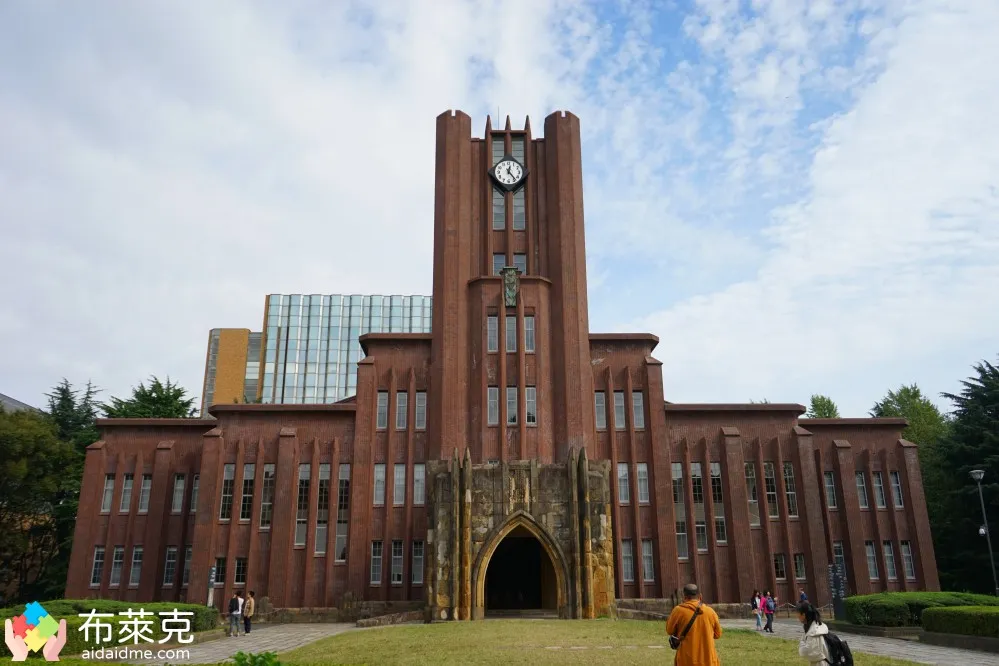
▲ Figure 38: General lens shooting of the University of Tokyo

▲ Figure 39: Photographing the University of Tokyo with a tilt-shift lens (simulation)
The application level of the tilt-shift lens is not only this, it also has other tricks to play:
1. Panoramic photos
Nowadays, many people can take panoramic photos with their cameras or mobile phones, move from left to right, and then panoramic photos through the software built into the program. At present, the synthesis calculation is not done very well. Sometimes there will be deformation or cross-section after synthesis.
Some photographers will use a tilt-shift lens to correct distortion, so that they can take four photos, one each of the upper left, lower left, upper right, and lower right, and then stitch the photos together through post-production, so that they will get a high-resolution photo.

Panoramic photos can also be taken with a tilt-shift lens / from Pexels
2. Toy Town
A tilt-shift lens can create a toy town effect, like the one below. If you have played “The Sims” or “SimCity”, you should be familiar with this perspective. Doesn’t it look like a toy town? If you have any other opinions, you can leave a message and let me know!
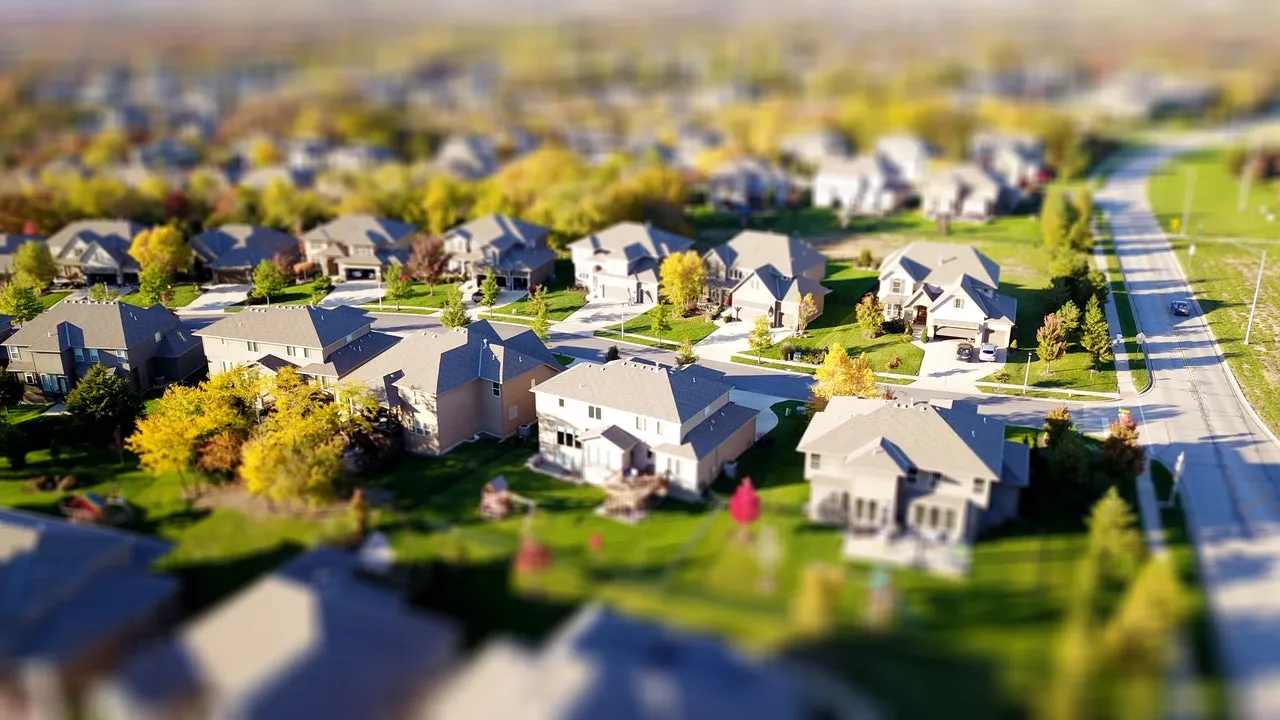
Using a tilt-shift lens to shoot a town looks like a toy landscape / from Pexels
Why is this happening? You should know that to achieve the effect of shallow depth of field, you must use a large aperture, shoot from a very close distance, or use a telephoto lens.
The blurring effect in the picture above is similar to a shallow depth of field. A shallow mind would think that this thing is very small, maybe it was taken with a macro lens, so it would think that it is a toy model or a townscape. This picture was taken with a tilt-shift lens, isn’t it cool!
Want to know more ways to use tilt-shift lenses? Check out the article below!
reflective lens
Unique aperture shape Affordable price Soft picture quality smaller aperture
As mentioned earlier, the characteristics of ultra-telephoto lenses are that they are usually longer, heavier, and not cheap. So are there any cheaper alternatives? The answer is reflex lenses. The appearance of the lens is as shown below.
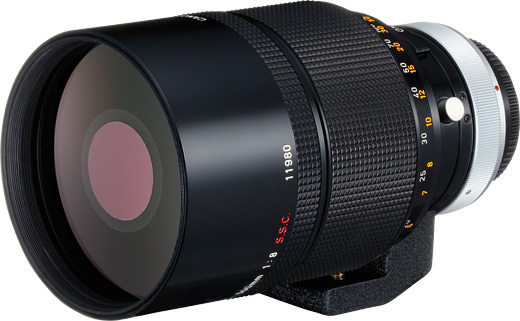
Reflex lens Canon Reflex 500mm f/8 S.S.C./from foreign Canon official website
Let’s first take a look at why reflective lenses can achieve ultra-long focal lengths. The internal structure of the lens is as shown below. When light enters the lens body, the internal curved mirror structure reflects the light to the middle lens and then to the camera body.

Internal structure of reflective lens/from Wikipedia
The light travels three times back and forth into the lens body. As the distance traveled by the light increases, the focal length also increases. Most reflex lenses are capable of focal lengths up to 500mm or even 1000mm. Because the lens structure is simple, it is directly reflected in the price.
But you may have also discovered that to make this kind of reflective lens, the middleThere must be an opaque lens structure, responsible for reflecting light inside the lens to make the light travel longer.
Therefore, the shape of the aperture is not a common blade structure, but a ring-like structure, which looks like a donut. This also affects the bokeh effect. For example, the bokeh in the picture below is donut-shaped.

Donut bokeh effect / from birdvideo123 YouTube channel
I have talked about a lot of features of reflex lenses before, and I feel that they should be easy to sell, but it seems that they are rarely seen on the market now? Yes, reflex lenses have been gradually phased out of the market.
The editor believes that the most important factor isPicture quality not sharp enough. Since the light has to go back and forth three times before it is received by the camera body, the sharpness of the image will decrease. This is also a problem caused by the nature of reflective lenses. In this era of image quality, if the pictures taken are not detailed enough, it will be difficult for people to think that this is a modern product.
The insufficient aperture is also the fatal flaw of the reflex lens. As long as the aperture is not large enough, there will not be enough light and the shutter speed will not be fast. It can only be suitable for photographing some animals that are often stationary, such as elephants, lions, tigers and other animals. If you want to photograph birds, you may have to have some luck to have a chance.
Exam in class
I have said so much before, I hope the content can still be understood. Next it’s time for a short quiz. I want to test to see if you have learned the content in the article. Come and give it a try!

Take the quiz! See if you have learned it!
in conclusion
After reading the many lens classification introductions above, do you feel that there is always a lens missing in the moisture-proof box? XD
That’s right! Welcome to the photography circle (ㄎㄥ)!
I feel the same way myself, but I have already purchased the size of the moisture-proof box first to limit the speed at which I can spend money. If you are a friend who has just started photography, I sincerely recommend that you start withStart playing with basic floating aperture lenses, at least the timing and frequency of use are much higher, and you can take it with you when you go out often.
Let’s start by telling you about the brand “Moisture-Proof Home” that I chose for moisture-proof boxes. I have already written a very complete unboxing and review article. Welcome to take a look here!
Back to topic! You can buy it after you have a basic understanding of itfixed focus lensOrconstant aperture lens, the article will teach you how to distinguish it. If you forget it, you can come back and review it.
Once you have some idea, you can choose a lens based on its characteristics. For example, if you like to take portraits, choose a portrait lens with a large aperture. If you like to take pictures of flowers or small things, choose a macro lens…etc.
If you like the above article, welcomeSubscribe to newsletter, and you will receive photography-related teaching articles!
by Engineer Blake
Source: KOCPC Chinese