


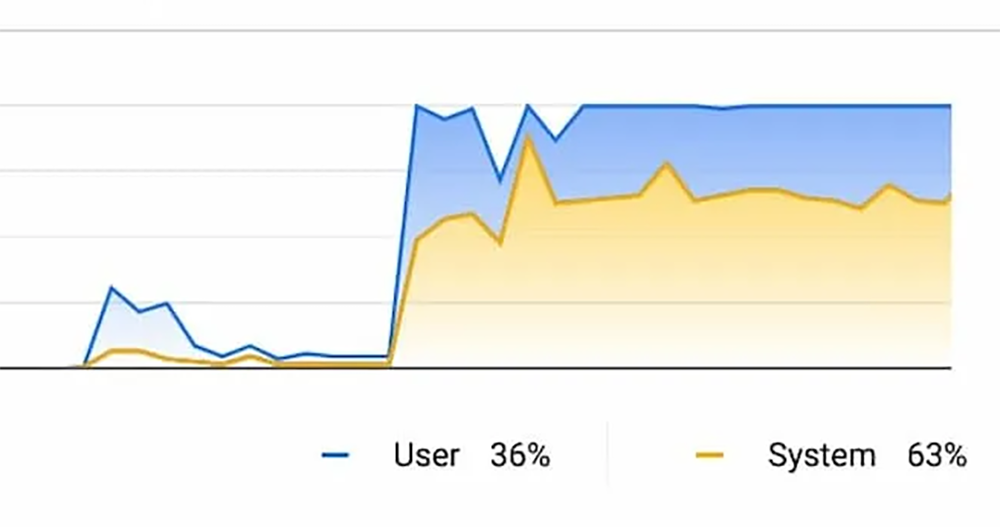
Google, which has recently been actively improving the performance of its own browser, was found to be testing a new Flag feature “Quick intensive throttling” in the developer version of Chrome OS that is expected to be universally available for the browser. It is said that this is not only expected to help notebook computers save some excess power, but also observed a reduction of about 10% in CPU usage (spread). Continue reading the report on the new version of Chrome testing active power-saving features to help laptops last longer.
▲Image source: About Chromebooks
The new version of Chrome tests active power-saving features to help laptops last longer
In fact, not long ago, when it was the predecessor of the Chrome 105 version currently being tested, the M99 version, Google had already claimed that the speed of its Chrome browser had reached a new level, and even the M1 Mac could reach a level that surpassed Apple’s original Safari (see more:The new version of Chrome actually overtakes Safari on Mac). Now it seems that Google is not complacent because of this. Developers discovered that in the Chrome OS 105 beta version, a new “Quick intensive throttling” flag function has been added.

According to foreign media reports, this Flag should also be universally applicable to the Google Chrome browser – after all, it is an active slowdown function related to idle background paging. Therefore, laptop users who frequently use the Chrome browser should benefit from this in terms of battery life.
For pages that are loaded when backgrounded, activates intensive throttling after 10 seconds instead of the default 5 minutes. Intensive throttling will limit wake ups, from setTimeout and setInterval tasks with a high nesting level and delayed scheduler.postTask tasks, up to 1 per minute.
according to Google Platform Status According to the description of this feature, after activating Quick intensive throttling, the throttling operation for background JavaScript components will be started after 10 seconds instead of the previous 5 minutes. This feature will limit the wake-up logic of setTimeout and setInterval. This achieves the effect of extending battery life and reducing CPU usage (about 10%).

After all, this new Flag feature only provides more aggressive restrictions on background pages. So if you are not used to opening the Chrome browser with many tabs, the help should be relatively limited. However, for users who often open many background tabs for reference, I believe this function should be of considerable use. To a certain extent, it will not only be more friendly to battery life, but also improve the delay problem of performance usage for devices with relatively tight hardware configurations, right? We can really look forward to the arrival of this feature.
Further reading:

Source: KOCPC Chinese