


Amid the celebratory mood that can easily lower people’s guard, Google wants to remind everyone that scam traps may be zeroing in on this very moment, ready to spring out of nowhere with surprises that could put a real damper on your spirits. Continue reading: Gmail has rolled out a new AI model to combat scams—it went live last month. Have you noticed? Here’s the report.
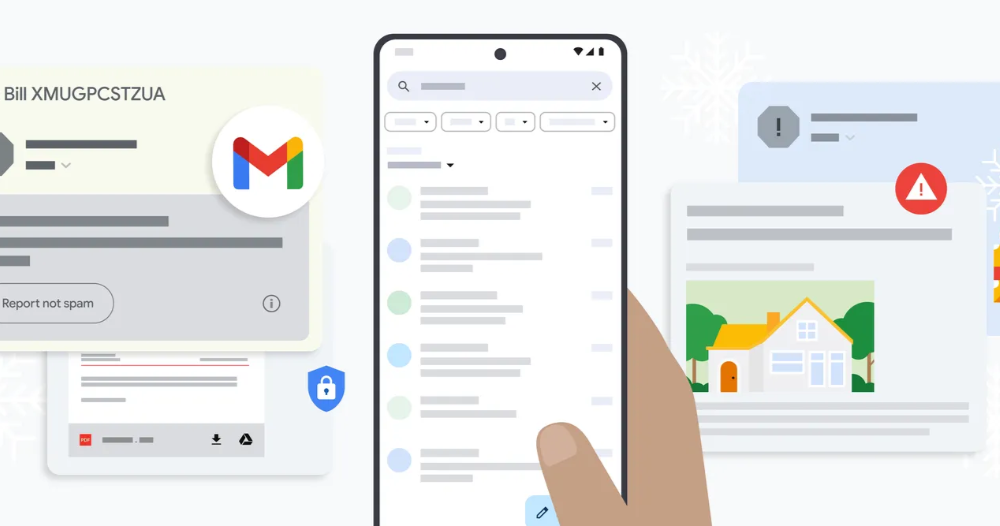
▲Image source for this article: Google
Gmail rolled out a new AI model to catch scams last month — has anyone noticed?
The joyful Christmas season has arrived, and it also marks the festive atmosphere of various New Year celebrations kicking off in full swing—or already underway—around the globe.
Amid this atmosphere where the festive mood may lower people’s guard, Google wants to remind everyone that opportunistic scam traps may have already zeroed in on this moment, ready to descend unexpectedly and bring you a surprise that could put a damper on your spirits.
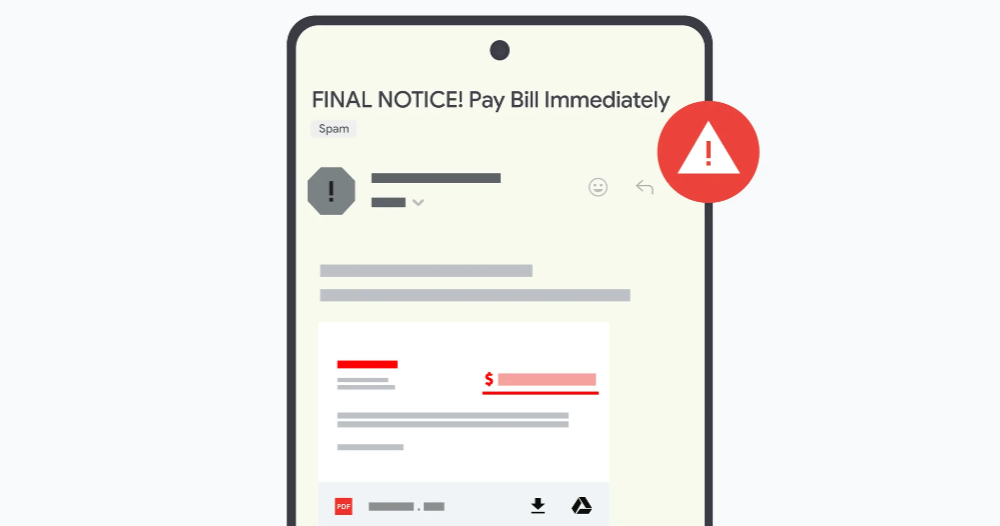
To ensure that during the holiday season—when scam messages surge—everything you receive in your inbox feels like a joyful blessing and message worthy of Santa Claus’s finest gifts, Gmail recently announced that ahead of the Black Friday sales rush, they have deployed a new LLM AI model focused primarily on phishing scam defense.
According to the official statement: “This new model acts as a supervisor for our existing AI defense system. When it detects risk information, it can instantly evaluate hundreds of threat signals and deploy appropriate protective measures—all completed in a split second.”
The Gmail team shared that the detection accuracy of this new blocking mechanism is 20% higher than before, and its daily capacity to help Google review spam report cases has also increased about a thousandfold. With such a protection mechanism in place, Google mentioned that although it had detected a massive volume of email traffic since mid-November, the number of cases actually reported by users fell by 35% compared to last year, indicating that with the assistance of large language model AI, there has indeed been a considerable effect in preventing related problems.
In addition to listing the main types of holiday scams—billing scams, celebrity scams, and extortion scams—Google further provides prevention principles to help everyone stay as calm as possible at the first moment. A simple machine translation is as follows:
・Slow down.Scams often exploit a sense of urgency to lure victims, frequently using words like “urgent, immediate, deactivated, unauthorized.” Take time to ask questions and think carefully—don’t rush into action.
・Check the details.Do some research to confirm the authenticity of the email. Is the content reasonable? Can the sender’s email address be verified?
・Stop! Don’t send it out.No trustworthy person or organization would ask you to make an immediate payment or provide personal information.
・Report suspicious contentIf you find something suspicious, mark it as spam. This not only keeps your inbox cleaner, but also helps protect billions of users worldwide.

In short, it’s the concept of stop, look, and listen. That said, given how prevalent scams are, even truly important notifications—and I mean genuinely important ones—would generally be willing to accommodate people’s concerns and let you verify things. It’s unlikely they’d keep rushing you to make a quick decision, making themselves look more like a scam.
So really! If you sense anything is off, just stop and think about it. Whether it’s through the “Online Fraud Reporting and Inquiry Network” or other trusted third-party channels, take the time to verify before deciding on your next move. Don’t act hastily, and don’t let the festive atmosphere lower your guard against scams!
Citation source:Google|Via:Android Central|
Further reading:
Apple Vision Pro Taiwan Unboxing Experience Part 2: Immersive Mode ON, Focus Mode ON

Source: KOCPC Chinese