


Valve has finally revealed one of the most talked about mysteries about the new Steam Machine: the price. After months of discussion and speculation, the starting price of this compact gaming PC, which is focused on living room entertainment, has been officially set at US$1,049 (approximately NT$33,410). This price is not only much higher than the PlayStation 5 and Xbox Series X, it is even more expensive than many mid-to-high-end gaming laptops, instantly pushing it into a completely different market position.
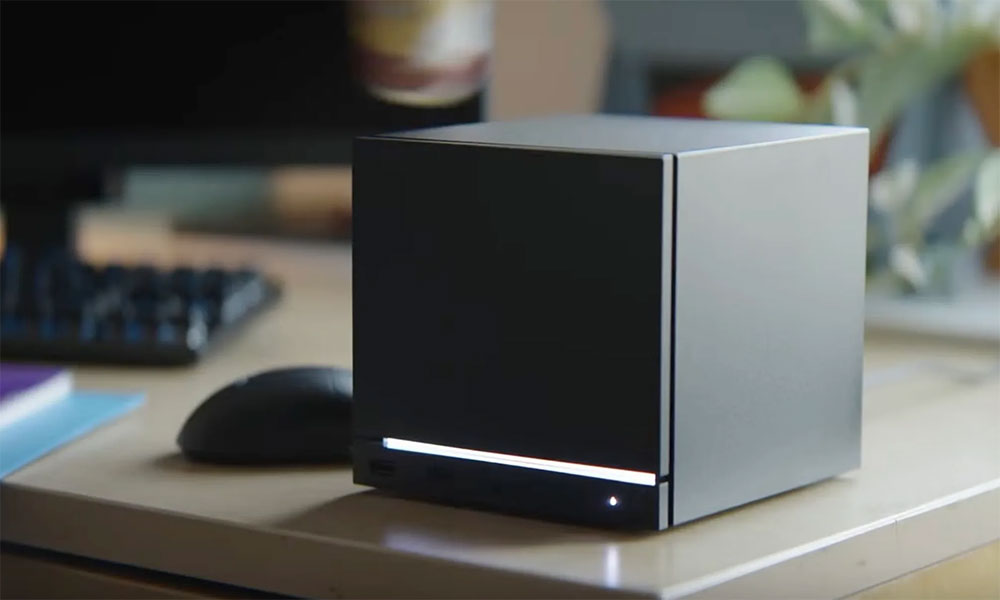
Steam Machine price announced, not an affordable product by any means
According to information released by Valve, there are two capacity versions of Steam Machine:
- The 512GB base model costs US$1,049 (approximately NT$33,410)
- The 2TB high-end model is priced at US$1,349 (approximately NT$42,965).
If you don’t already own Valve’s recently launched Steam Controller, you’ll need to pay an additional $79 to purchase it. Valve is using a lottery-based pre-order system and expects to start shipping later this month.
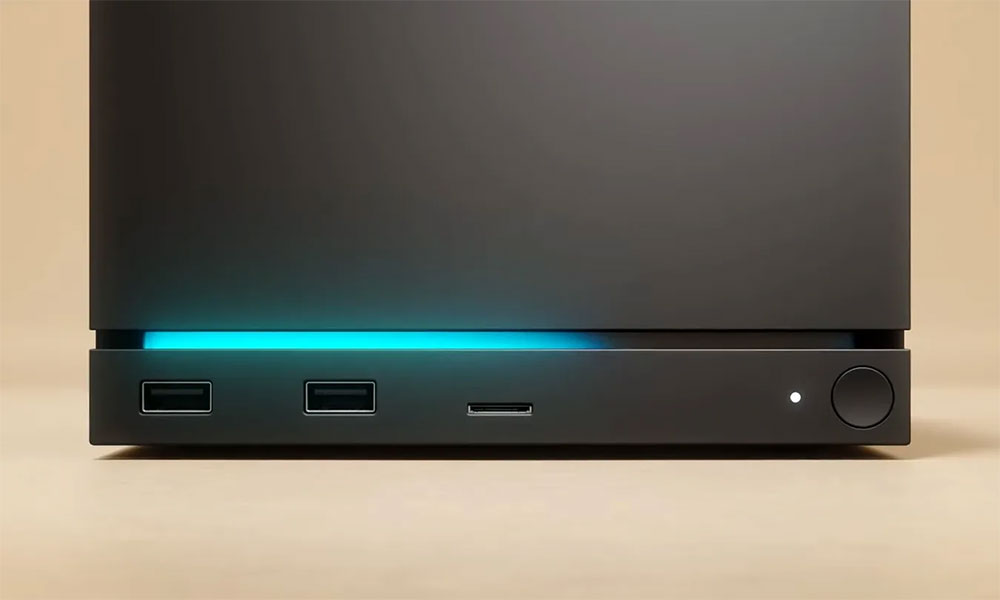
Such a price naturally sparked a lot of discussion, and Valve took the initiative to explain the reasons behind it. Unlike traditional console manufacturers such as Sony and Microsoft, which usually subsidize hardware to lower the price of consoles, and then recover costs through game sales and subscription services; Valve emphasizes that the price of Steam Machine almost completely reflects the cost of components. They believe that subsidizing hardware will promote a closed ecosystem. Valve hopes to maintain the openness and flexibility of the PC platform, so it chooses not to adopt the console subsidy model.
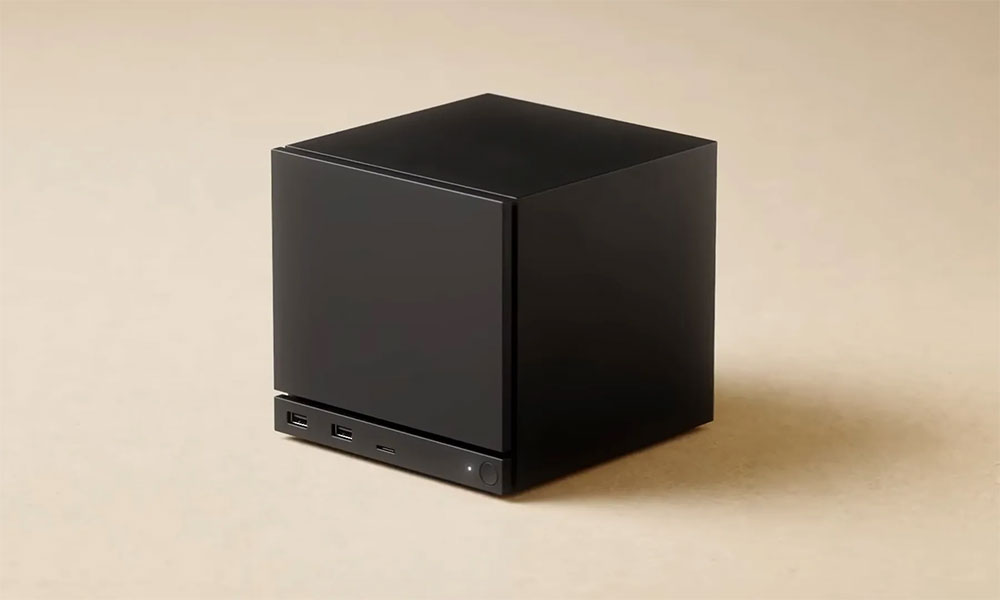
Despite its high price, the Steam Machine is positioned differently from general game consoles. It uses SteamOS, which allows direct access to players’ existing PC game libraries, and can also be used as a complete Linux PC to support more customization and non-gaming purposes. This puts it between a traditional game console and a desktop computer, blurring the boundaries between the two.
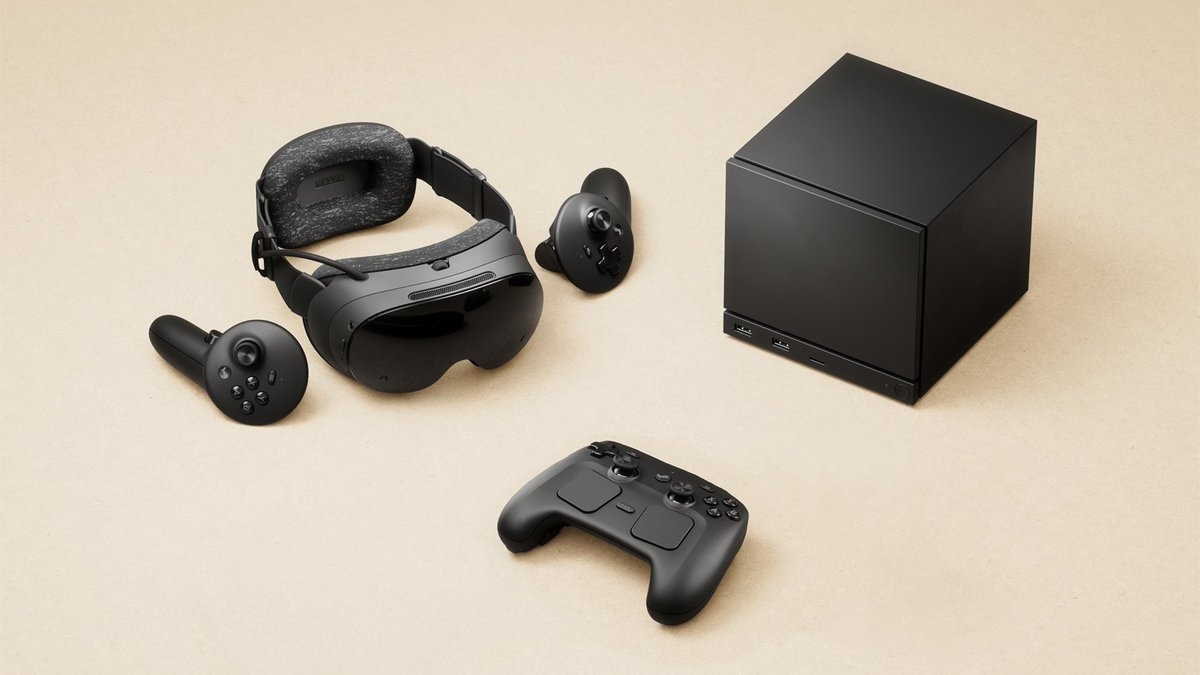
What’s even more interesting is that the Steam Machine might not be competing against the PS5 or Xbox Series X at all. At a price of over a thousand dollars, it is closer to the market of small gaming desktops or high-end gaming laptops, and these products usually provide stronger performance, higher expandability and more mature usage scenarios. Naturally, consumers will use the same criteria to judge whether a Steam Machine is worth the investment.
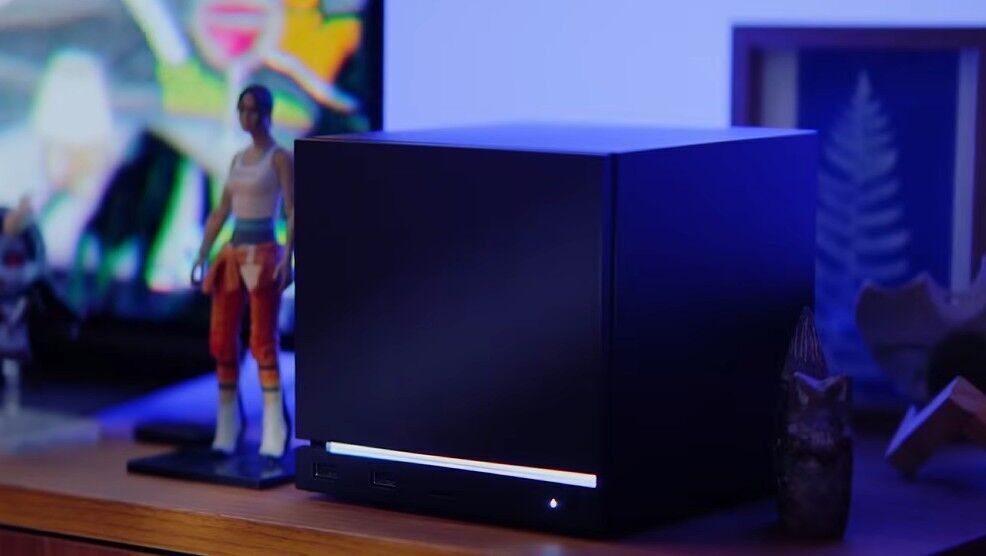
However, Valve clearly has no plans to compete head-on with traditional PCs. The core selling point of Steam Machine is the “host-like” experience brought by SteamOS: smooth interface, controller-optimized operation, quick wake-up and hibernation, and lighter system load than Windows. These features continue the design philosophy of Steam Deck, targeting players who want to enjoy the freedom of PC gaming but don’t want to deal with Windows system maintenance, driver settings and compatibility issues.
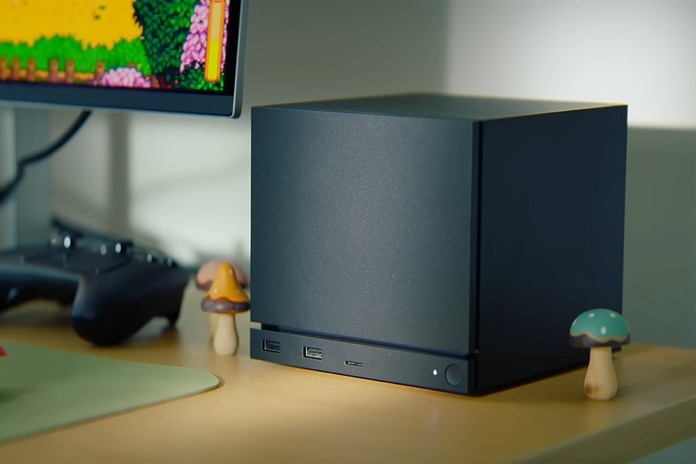
In other words, the Steam Machine is not meant to be the cheapest option, but to be the “most console-like PC.” As for whether enough players are willing to pay a four-digit price for this kind of convenience, it still needs to be verified by the market. But what is certain is that Valve does not intend to join the traditional console price war, but is trying to open up a new product route between PC and console.
Source: KOCPC Chinese