


Recently, people in various countries have been harmed by AI-generated images or videos, such as the recentKorean campusandEntertainment industryThe Deepfake incident that occurred, American entertainer,Ukrainian influencer imageIssues such as unauthorized use incidents have arisen. Everyone hopes that governments will quickly introduce laws to restrict or regulate AI, but so far, no country has clear legal provisions for AI-generated content. Recently, however, China has begun preparing to establish regulations concerning AI-generated content, introducing the “Measures for Labeling AI-Generated Content (Draft for Comments).” China has currently drafted about 13 regulations to govern AI-generated content while also opening the floor for public feedback. According to the published content, the “Measures for Labeling AI-Generated Content” is expected to take effect in 2024.

China will legislate to regulate AI-generated content: The Artificial Intelligence Generated Content Labeling Law is expected to be implemented this year
Recently, various AI fake accounts have been prevalent in China. One netizen even shared images created using AI text-to-image generation, and not only were they not caught by the authorities, but the Chinese social platform Xiaohongshu even boosted their traffic. They raised 1,327 Xiaohongshu accounts and directly flooded the platform. Although some netizens later pointed out that this person might be bragging to sell courses, we really have to admit that AI technology is becoming increasingly advanced. Sometimes it’s very hard to tell whether an image is AI-generated, leaving everyone skeptical about images on the internet.
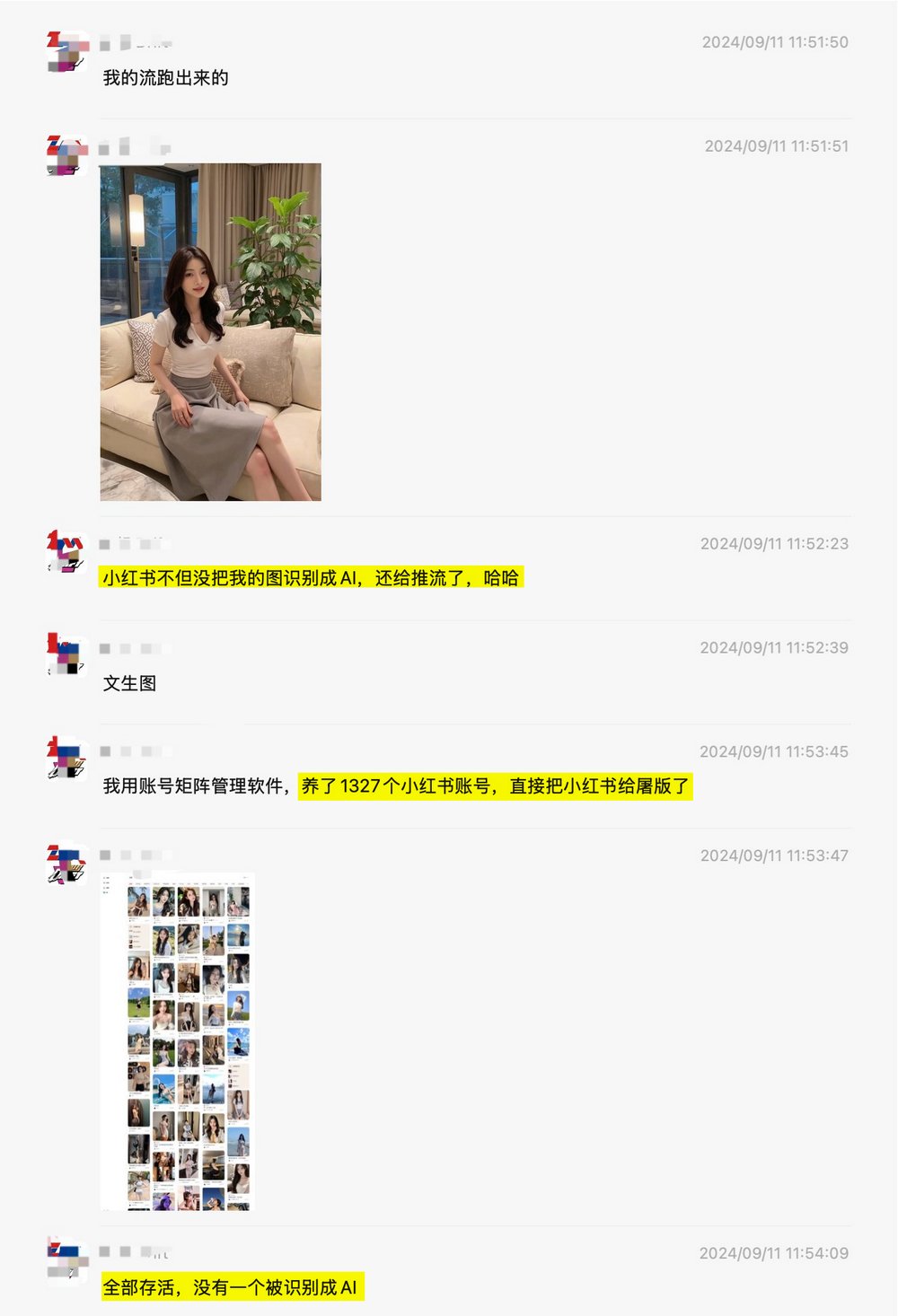

To eliminate this adverse influence, the Cyberspace Administration of China announced today that it has drafted regulations to promote the healthy development of artificial intelligence and regulate the labeling of AI-generated content.Measures for Labeling AI-Generated Content (Draft for Comments)requiring creators to add clear labels when using AI to create content such as text, audio recordings, images, videos, and virtual scenes.
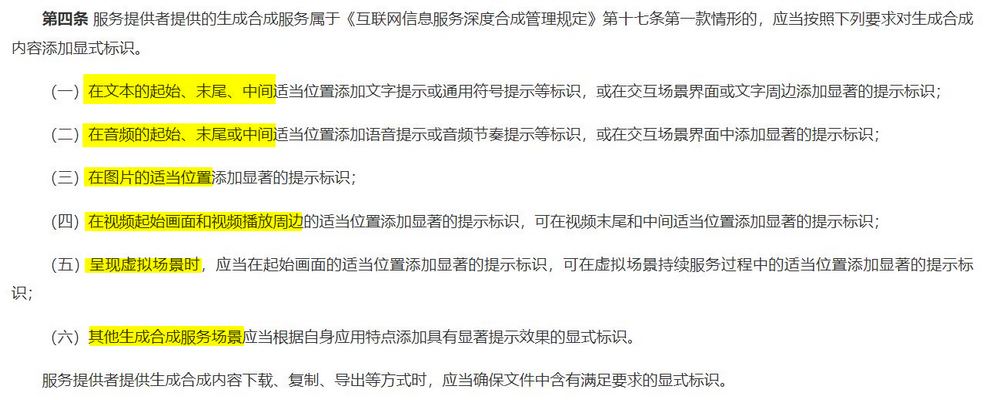
If no obvious identifiers are added to the generated content, it is also necessary to add implicit identifiers to the file metadata of the generated synthetic content. The implicit identifiers include production element information such as attribute information of the generated synthetic content, service provider name or code, content number, and so on.

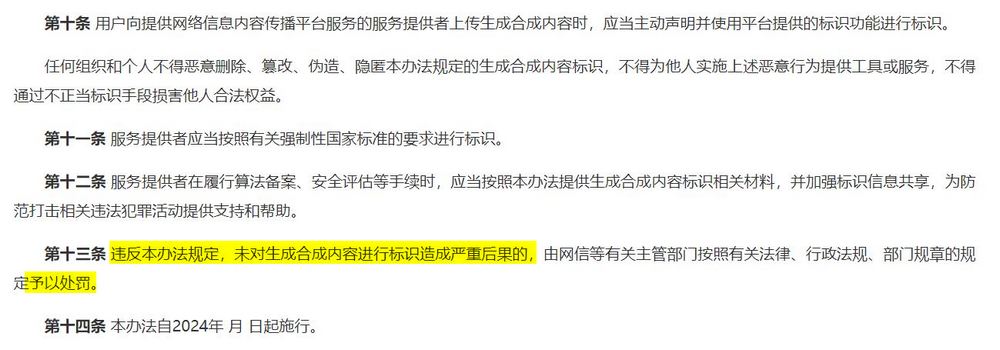
The Cyberspace Administration of China stated that no one may maliciously delete, alter, forge, or conceal labels on generated or synthesized content, nor may they harm the legitimate rights and interests of others through improper labeling practices. Those who violate the provisions of the “Measures for Labeling AI-Generated Content (Draft for Comments)” or fail to label generated or synthesized content, resulting in serious consequences, will be subject to penalties.
Do you all think this kind of mandatory regulation can actually restrict AI creators, and can it really reduce the occurrence of fake accounts or Deepfake incidents? Similar cases have also happened in Taiwan, so does Taiwan also need to follow suit with this kind of legislation?
Source: KOCPC Chinese