


Due to the spread of the COVID-19 epidemic, the quadrennial sports event was postponed from 2020 to this year. Although the venue is not open to spectators, people can still get excited for the exciting competition through various online live broadcasts. With the arrival of the Olympics, not only athletes and spectators are ready to take action, but also unscrupulous people who are trying to exploit loopholes. Security research units have discovered that there are already many phishing scams in the name of the Olympics circulating on the Internet.

As sports events get underway, security agencies have discovered that fraud in the name of the Olympics is rampant on the Internet.
Kaspersky security researchers have analyzed a variety of fraud behaviors currently on the Internet in the name of the Olympics, which are mainly divided into five modes:
- Fake match live broadcast website
Since there are no in-person games this year, all games must be watched via live broadcast online. This type of website pretends to provide free online live events and videos. Users can click in and register an account to watch. There are phishing behaviors on these web pages. Once the user enters the password, they are likely to be directed to other malicious web pages, which not only provide malware, but also harvest a wave of user account passwords. - Fake purchase/refund website
Although spectators are not allowed to enter this year, unscrupulous people are still using fake websites to sell Olympic tickets to the public on the Internet, and now some even include refund items, with the purpose of defrauding your credit card-related financial information. - Counterfeit merchandise store
The fake website uses the pretext of selling Olympic peripheral products to deceive people into entering shopping payment information, which is the same as the previous item, thereby defrauding netizens’ payment information.

- Fake Olympic athlete support website
One of the scam websites is selling a virtual currency, claiming to provide financial support funds for Olympic athletes. However, the Olympic Games officials do not have this product for sale, and the only beneficiaries are scammers. - Fake International Olympic Committee and related organization websites
Kaspersky also discovered phishing web pages disguised as official Olympic websites, hoping to capitalize on people’s interest in the Olympics and create web pages that looked authentic. According to Kaspersky, the real goal was to collect Microsoft service credentials.
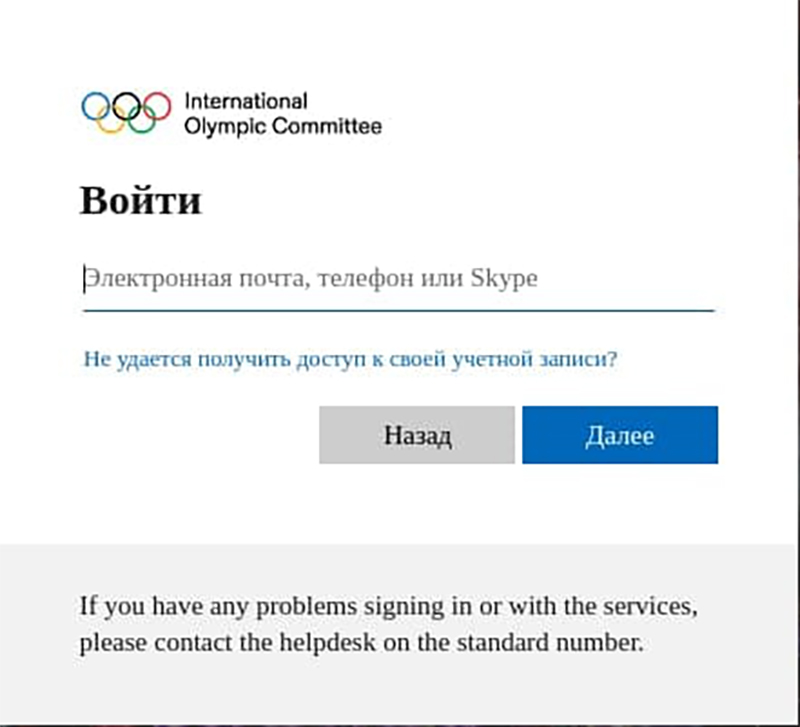
If you want to watch sports events or inquire about official information, we remind you to go through the correct official channels and verify it. Do not damage your own rights and interests due to petty gains or insufficient information.
◎Data source:Tech Republic
Source: KOCPC Chinese