


Users may notice significant changes to the checkout process when subscribing to services or making in-app purchases on Android devices in the future. Starting June 30, developers in the U.S., U.K. and Europe will be able to offer a wider range of digital purchases in the Google Play Store, without relying solely on the Google Play billing system. This policy means that some apps may direct users to the developer’s own website to complete the subscription, or provide other payment options within the app so that Play checkout is no longer the only way.
New ways to pay for Android subscriptions starting next week
For years, the Play Store purchasing experience was almost identical to using Google’s checkout system, with Google Play handling the process whether it was a one-time purchase, a subscription service, or an in-app purchase. However, as new regulations come into effect, this single path will officially be broken. Developers now have the option to integrate their own payment systems or, where appropriate, direct users to external sites to complete transactions. The actual presentation will vary from app to app, some may offer multiple payment methods on the checkout page, others may use non-Google payment tools in promotions, or even jump directly to the official website to complete the subscription.
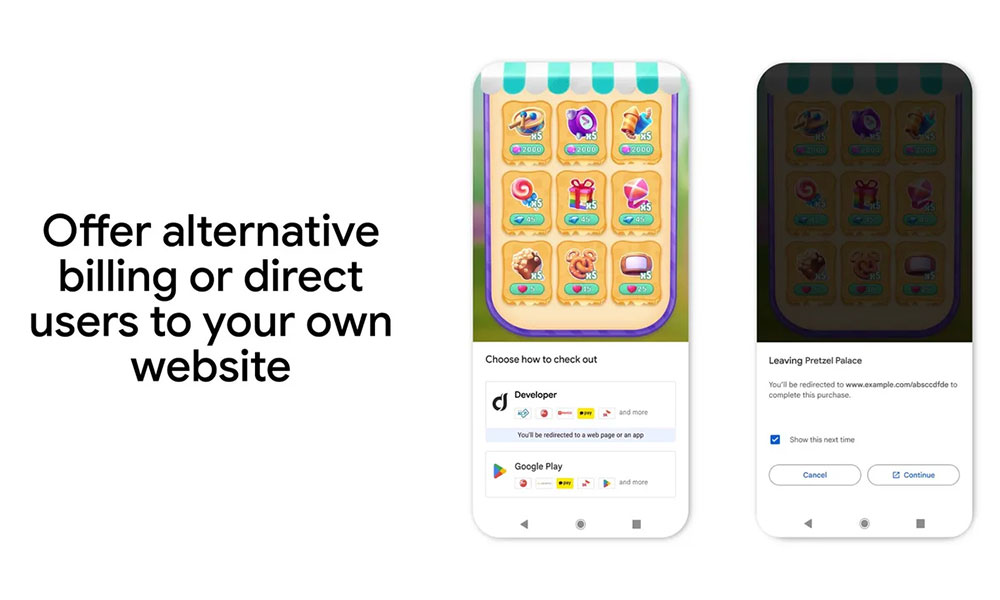
It’s worth noting that Google Play billing is not being phased out and will remain the primary option for many developers. However, if developers decide to continue using Google’s checkout service, they will need to pay an additional 5% fee; on the other hand, if they use alternative payment methods, they can save this cost. This adjustment not only gives developers more flexibility in operations, but may also affect the pricing strategy of applications.
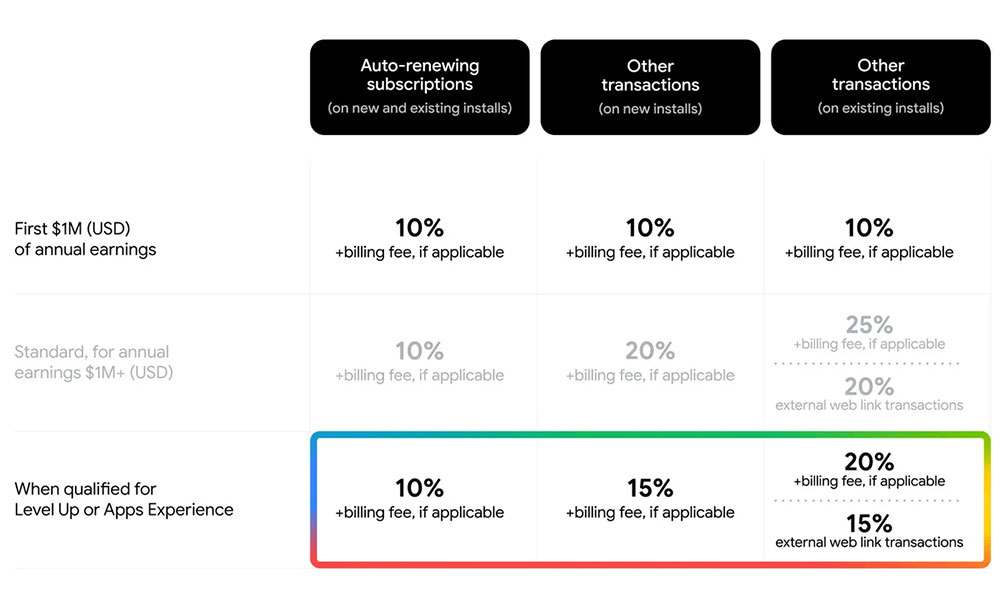
Google has also lowered some app store fees to give developers more freedom in pricing subscriptions and digital content. It remains to be seen whether these cost savings will be reflected on the consumer side. Some developers may use alternative payment systems to offer discounts, promotions, or lower subscription prices to entice users to switch to non-Google payment methods; others may choose to maintain the original price and view the savings as additional profit.
For the average Android user, the most immediate change is not that the price has dropped, but that the payment methods have become more flexible. In the future, in some applications, users may see more payment options, different checkout processes, or even jump to external websites to complete transactions. The difference in this experience will depend on the developer’s choices and business strategies.
Google plans to gradually expand this program to more regions over the next year. Australia is expected to join in September, with South Korea and Japan following in December. The overall promotion schedule will last until September 2027, and the purchasing model representing the global Android ecosystem will undergo major changes in the next two years.
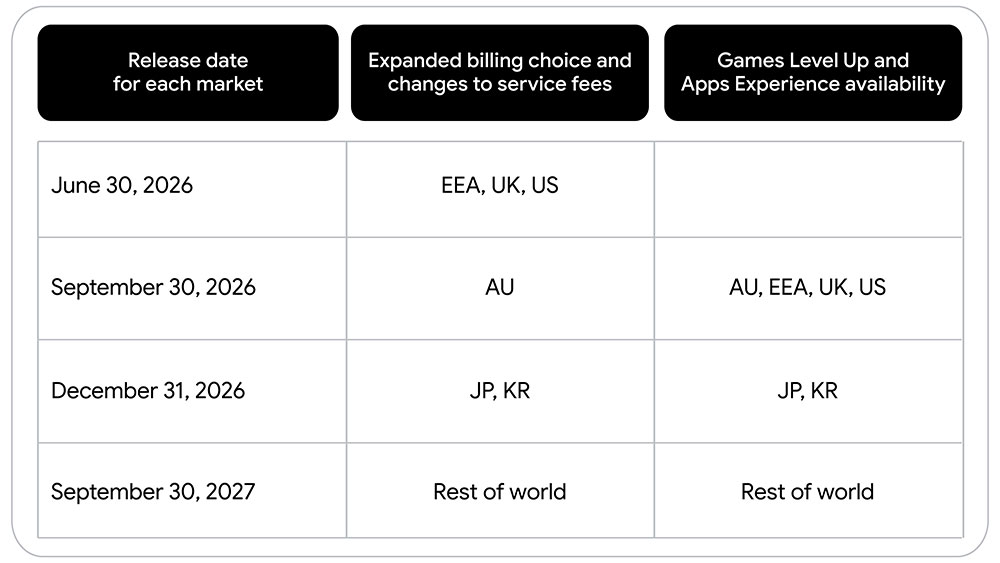
Source: KOCPC Chinese