


Qi2’s magnetic design has become an important breakthrough in the field of wireless charging in recent years. One of the most eye-catching advantages is that it can support faster charging speeds of up to 25W. However, the development of this technology does not stop there. The Wireless Power Consortium (WPC), which is responsible for the Qi standard, is advancing the next phase of specifications, with the goal of allowing Qi and Qi2 to support wireless charging up to 50W in the future. If progress goes well, this technology is expected to be popularized on mainstream mobile phones such as Pixel and iPhone in future generations.

Qi2 upgrade may bring 50W wireless charging function
The Qi2 standard will be officially launched in 2023, and the version supporting 25W is expected to be available in 2025, just around the time of the release of Google Pixel 10. Although there are still only a few Android phones that support the Qi2 magnetic standard, this has not hindered WPC from continuing to invest in research and development. For them, the popularization of magnetic wireless charging is a long-term goal, and increasing power is the key to driving the market forward.
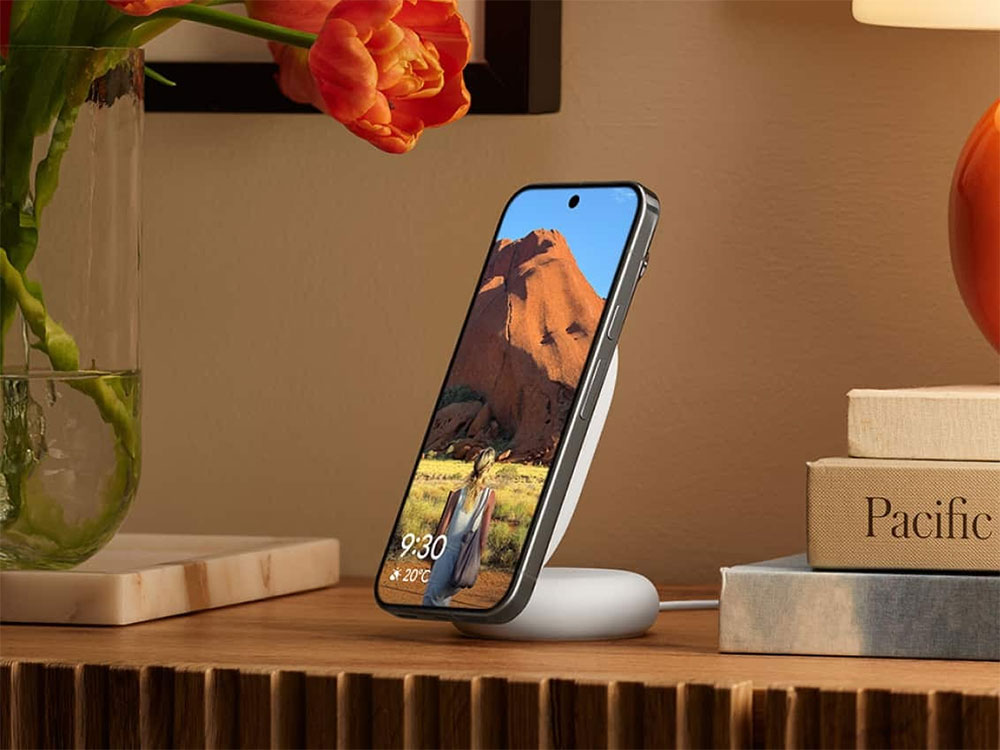
according to IT House Report, WPC recently held an “unroutine meeting” at Xiaomi’s headquarters in Beijing, officially opening discussions for Qi/Qi2 50W wireless charging. Xiaomi has been actively promoting “small inductance, low voltage, high power” wireless charging solutions for many years, which is an important force in promoting the evolution of the Qi standard to higher power. This meeting also showed that Xiaomi plays a very central role in the formulation process of new standards. Although some details of the 50W Qi/Qi2 standard have not yet been finalized, the overall specifications are mostly completed. If progress goes smoothly, official updates may be seen as soon as 2028. This means that future wireless charging speed will no longer be just “convenient”, but will truly reach a practical level close to wired fast charging.
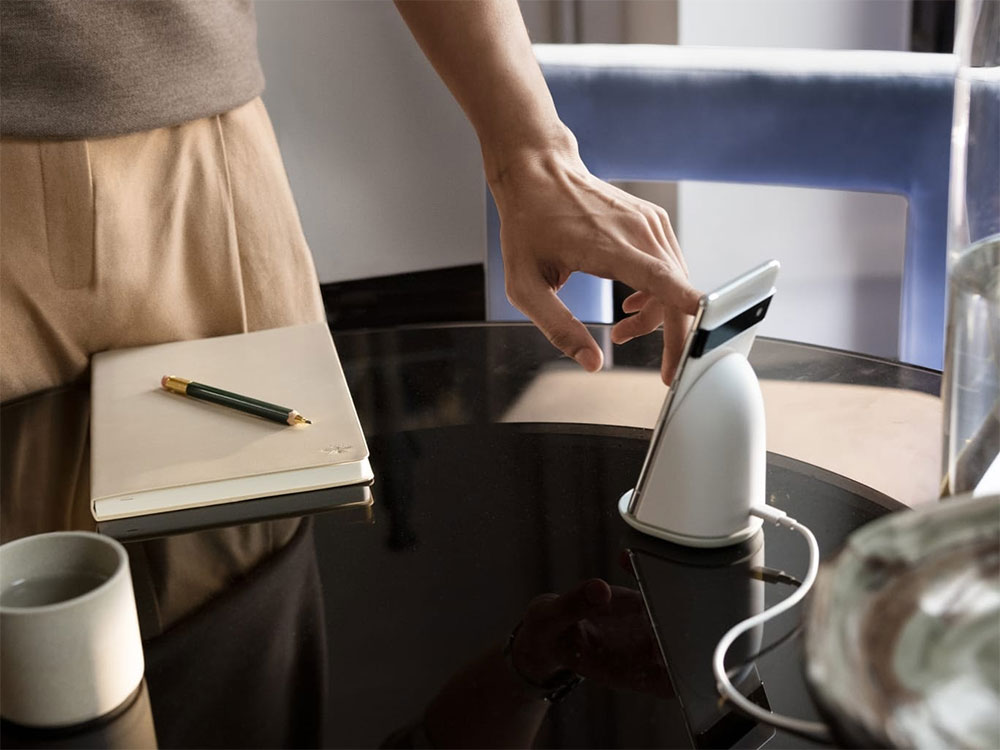
Once 50W wireless charging becomes the official standard of Qi/Qi2, it will definitely bring huge impetus to the entire industry. Xiaomi, as the main promoter, is expected to be the first to adopt this technology; but Google Pixel and iPhone are also likely to follow quickly. Both brands have been active supporters of Qi technology in recent years, with Apple playing a key role in the integration of MagSafe and Qi2, and Google continuing to enhance the wireless charging experience in the Pixel series.
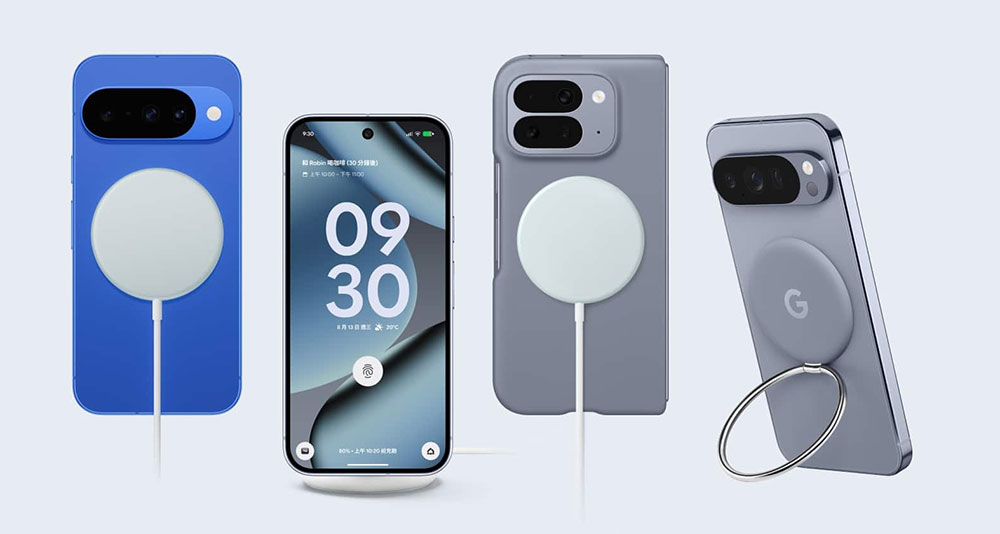
Interestingly, although the accessory ecosystem has adopted the Qi2 standard on a large scale, and everything from charging pads to magnetic stands to power banks are fully supported, most Android brands still have a lukewarm attitude towards the adoption of Qi2. This makes the popularity of Qi2 mainly dependent on the promotion of a few brands. However, if the 50W high-power version is officially launched, the appeal of wireless charging will be greatly increased, which may prompt more Android manufacturers to re-evaluate whether to join the Qi2 ecosystem.
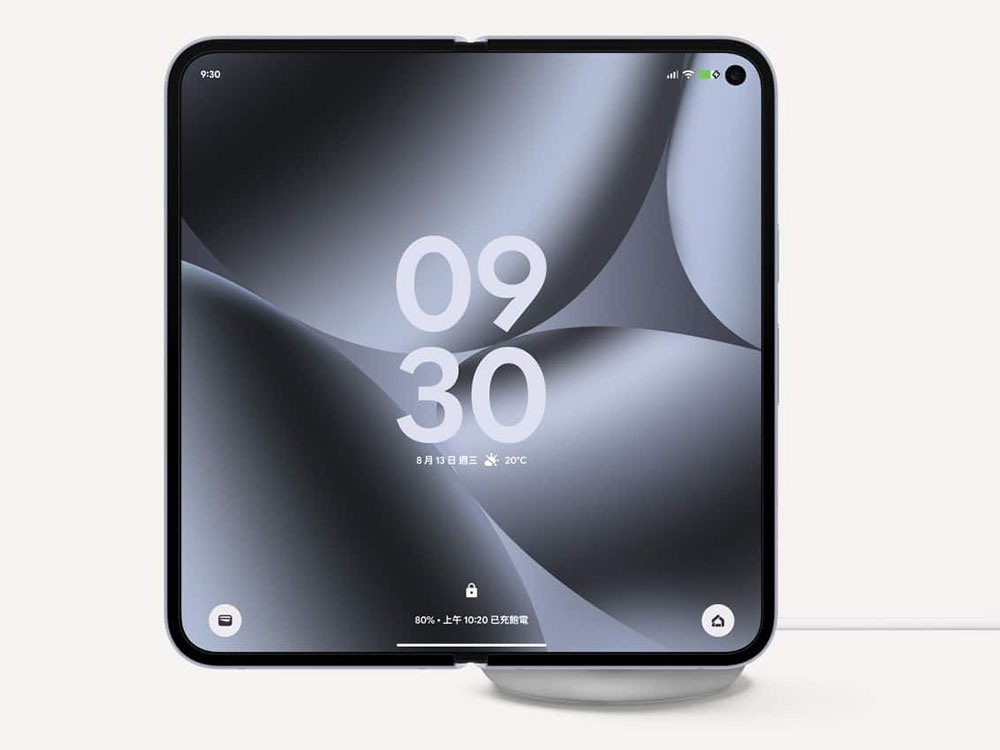
Overall, the evolution of Qi2 is moving towards higher power, higher efficiency, and wider popularity, from 25W to 50W. This is not just a digital improvement, but a symbol that wireless charging is about to enter a new stage. In the next few years, as standards mature and hardware technology evolves simultaneously, wireless charging may truly become the daily first choice for mainstream users, rather than just a supplementary solution for convenience.
Source: KOCPC Chinese