


If “Idea Encoding” was previously still at the conceptual stage, Meta is now pushing it toward the true mass market. The company quietly launched aA brand-new AI app called “Pocket”Featuring “just input an idea, and it generates a playable interactive mini-game.” No game engine, no programming language, and no late-night debugging sessions; just enter a prompt and Pocket handles the rest.
Meta just unveiled “Pocket,” a game atmosphere encoding application
Pocket’s core concept revolves around what Meta calls “gizmos.” These gizmos are interactive experiences directly generated by AI, requiring only simple text descriptions from users to create. For example, if you want to make a fantasy game where “flowers can transform into paintbrushes,” or a casual puzzle game featuring “space cats,” you just type out your idea and Pocket generates a playable version in seconds. You can then play, tweak, and share it with friends or the entire community.
#Meta is working on a new app called Pocket 👀
ℹ️ A new creative platform to make and share gizmos. pic.twitter.com/zFjMU5jj1U
— Alessandro Paluzzi (@alex193a) July 2, 2026
But Pocket’s positioning isn’t just a creation tool—it’s also a social platform. Users can browse games created by others, remix existing works, and even discover new inspiration from the community. In a way, it’s like an AI-powered gaming version of TikTok: fast, lightweight, and full of creative flow; while also carrying Roblox’s spirit of “everyone can create.” The difference is that Pocket requires no technical barrier—you don’t need to learn Unity, nor do you need to understand physics engines. AI handles all the complex parts, and you only need to focus on imagination.
Notably, Pocket’s creation was no accident. Meta previously acquired the startup Gizmo, whose team focused on AI-generated interactive experiences, and Pocket was most likely built upon this technology. Rather than hiding this capability inside Facebook or Instagram, Meta chose to launch a standalone app, clearly exploring the possibilities of AI-driven creation.
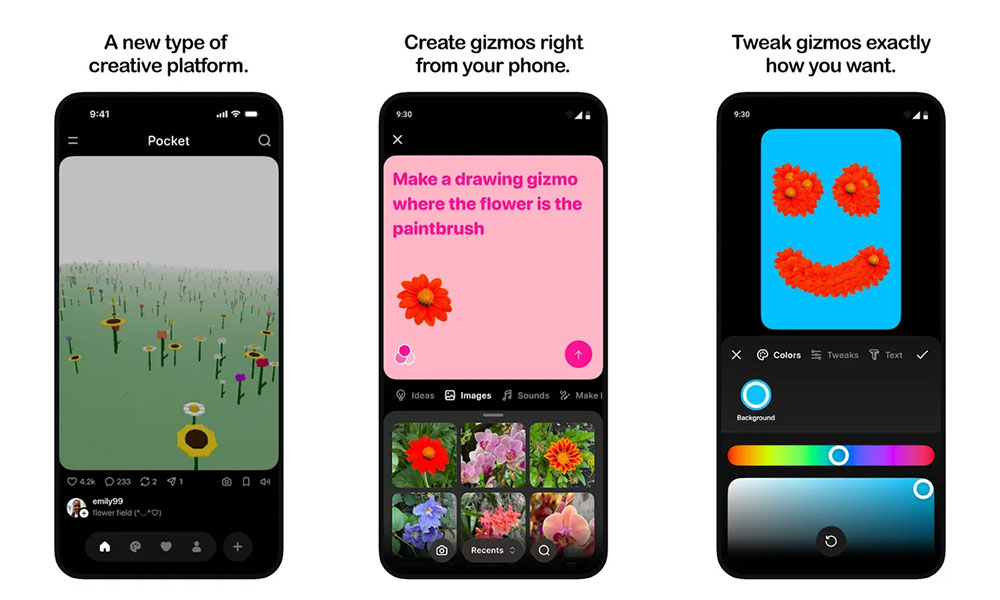
Meta clearly saw what most people actually want: they don’t want to become game developers—they just want to turn their creative ideas into something playable. Pocket nailed this insight. It makes game creation as simple as typing a sentence, allowing more people to turn “I wish there was a game like this” into real projects.
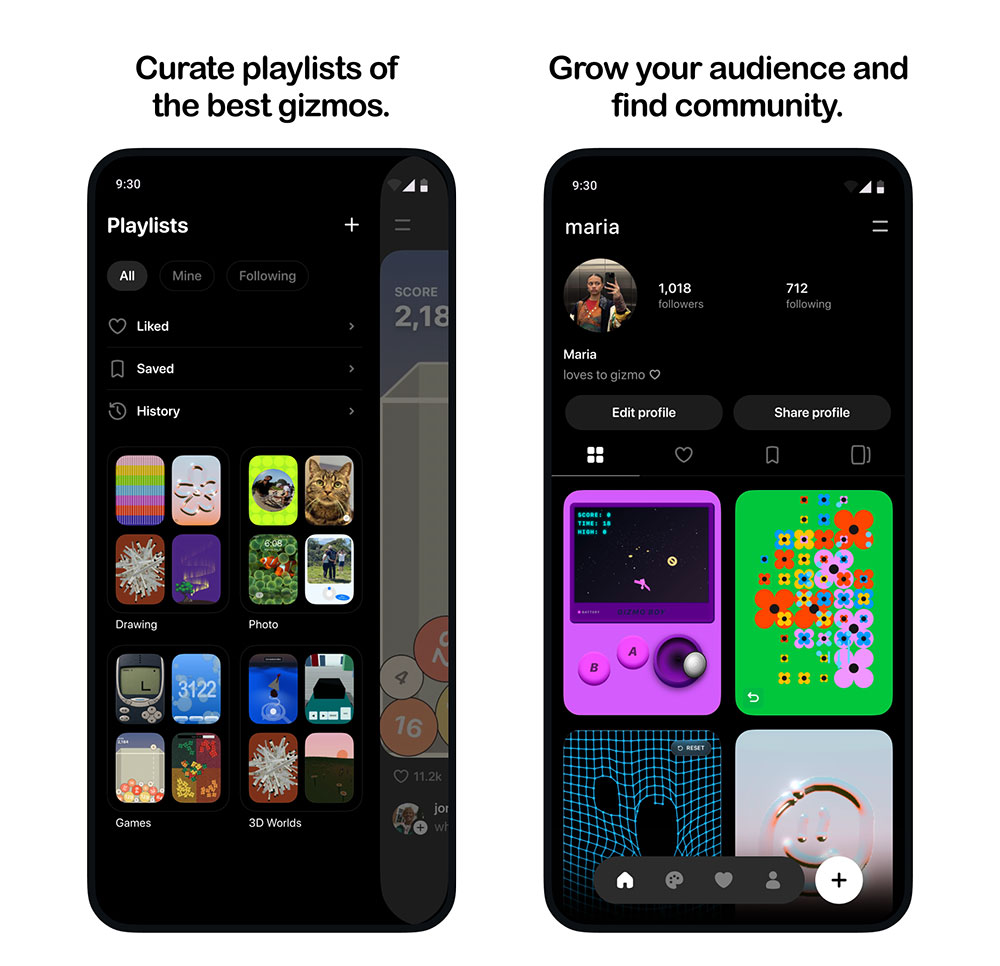
The broader context is that Meta is pursuing a consistent strategy: instead of rushing to pack all AI features into its major platforms, it continues to launch independent, experimental apps to observe which features truly resonate, before deciding whether to integrate them into Facebook, Instagram, or other products. From this perspective, Pocket is less a mature product than a public testing ground for exploring AI’s next steps in the creative field.
As for whether Pocket can ultimately succeed, the key isn’t whether it can generate games—that part it’s already doing quite well. The real challenge is whether AI-generated games are interesting enough to make players want to come back, share them, and invest their time. Pocket’s future depends on whether it can transform “AI-generated” from a novelty into genuinely sustained entertainment value.
Source: KOCPC Chinese