


Meta CEO Mark Zuckerberg acknowledged during an internal all-hands meeting on Thursday, July 2, 2026, that the company’s heavily resourced AI Agent technology development is not progressing as fast as expected. According toReutersThe meeting recording obtained shows Zuckerberg explicitly stating that “the trajectory of AI agent development over the past four months hasn’t accelerated as we expected.” Embarrassingly, Meta’s capital expenditure on AI infrastructure this year is expected to reach $145 billion, and the company laid off approximately 8,000 employees in May (about 10% of its global workforce), while reassigning another 7,000 people to AI-related teams, including a dedicated unit called “Agent Transformation.” Zuckerberg acknowledged that the restructuring earlier this year “wasn’t as clean as expected.”
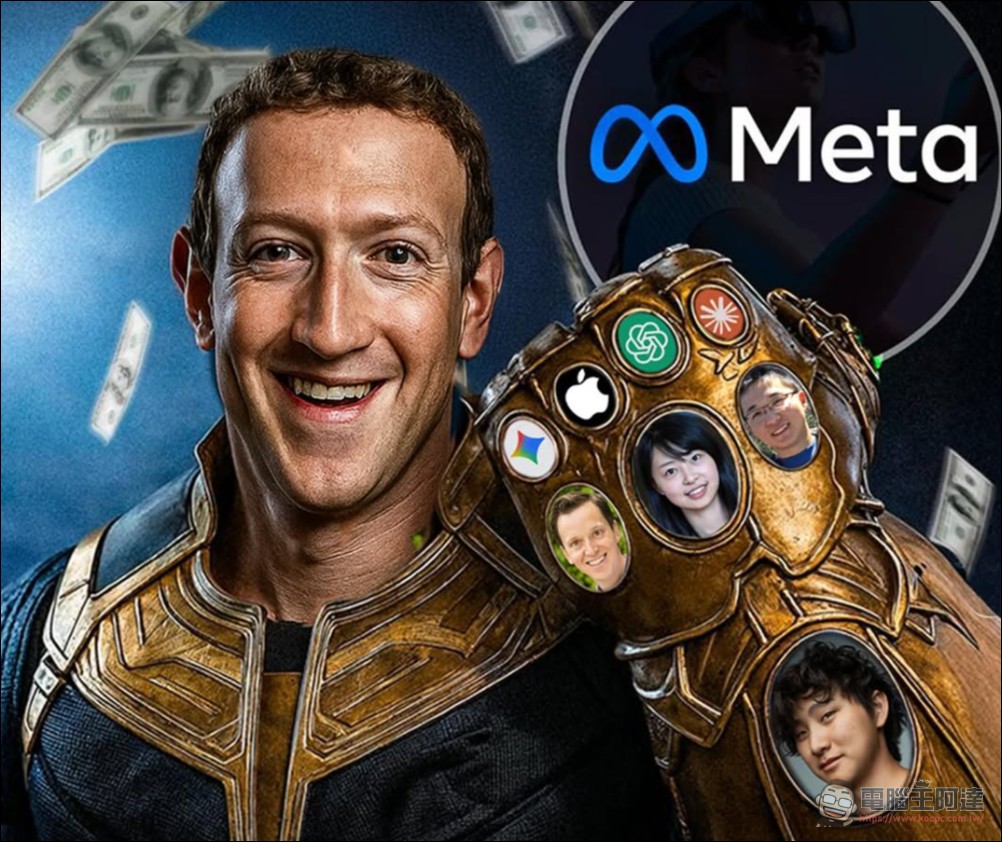
Zuckerberg Admits Meta AI Agents Falling Short of Expectations, From Hyper-Optimistic to a Reality Check
In the meeting, Zuckerberg revealed that when planning organizational restructuring in January and February this year, senior executives felt “super optimistic” about AI coding tools like Anthropic’s Claude Code, expecting this optimism to translate into accelerated development of AI agent technology for Meta’s own products. But reality didn’t live up to expectations. Zuckerberg said the bets made during that period “haven’t yet borne fruit,” and admitted the timing of the restructuring was partly driven by fear that Meta couldn’t keep pace with competitors quickly enough. He emphasized that although short-term results haven’t met expectations, the company will continue to increase investment in AI.
Zuckerberg told employees he had always expected Meta to see “more significant returns” from its AI investments within the next three to six months, but he did not specify which products or teams would deliver results. A Meta spokesperson declined to comment on the Reuters report.
AI Executive: Next-Gen Model Has Caught Up to GPT-5.5
Notably, at the same conference, Meta’s AI chief Alexandr Wang told a completely different story. According to Business Insider reportedWang stated that Meta’s next-generation model, internally codenamed “Watermelon,” has already caught up with OpenAI’s top model GPT-5.5 in benchmark tests. Wang emphasized: “Watermelon uses an order of magnitude more computational resources than Avocado.” (Avocado is the internal codename for Meta’s Muse Spark model launched this April.)
Wang then performed crisis management on X (Twitter), explaining that what Zuckerberg said was actually about the pace of progress across the entire industry, not specifically about Meta’s AI development. He announced that Muse Spark is about to receive a major update, significantly improving code generation and AI agent capabilities, and that a code model that rivals Anthropic’s Claude Opus will also be released “soon.”
First, Mark was clearly talking about the industry’s progress on agentic capabilities on the whole.
But, while we’re on the topic: Our next Muse Spark update is coming soon. Big improvements in coding and agentic capabilities to be more competitive with other leading models.… https://t.co/uTjx8sZM2A
— Alexandr Wang (@alexandr_wang) July 3, 2026
Employee Monitoring Software Controversy: Mouse Tracking and Keystroke Logging
The same all-hands meeting also touched on another equally sensitive topic. Meta’s CTO Andrew Bosworth told employees that the company’s previously controversial mouse tracking software was part of the so-called “Model Capability Initiative,” and that after internal review, no employee data was found to have been used for AI model training.
This software was deployed to US employees’ computers in April this year without an opt-out option. After strong internal backlash, it was suspended. Bosworth said that if the program is restarted after the review concludes, it will be changed to an opt-in mechanism instead of the original mandatory participation. This policy shift is seen as a major concession by Meta on employee privacy issues, and also reflects employees’ strong dissatisfaction with the company’s internal surveillance measures.
Internal culture crisis in the AI department
Meta’s struggles with AI agent technology are paralleled by cultural pressures within its AI organization. Engineers from Meta’s Applied AI division described working conditions after restructuring to media, characterizing it as a “soul-crushing gulag.” Multiple employees revealed that morale within the division is low, with the high-pressure work pace and ambiguous division of responsibilities leaving many exhausted. Some engineers even stated that since the restructuring, the AI division has been permeated by an atmosphere of constant anxiety about being eliminated at any moment. This internal turmoil and stagnant technical progress have influenced each other, creating a vicious cycle.
Zuckerberg’s admission suggests that cultural pressure and technical delays are at least parallel problems, regardless of whether there’s a causal relationship between them. Meta isn’t the only company viewing AI agents as the next competitive battlefield. OpenAI, Google, and Anthropic all launched their own AI agent products this year, betting that AI systems capable of autonomously completing multi-step tasks will become the key feature justifying the massive investments across the industry. The outcome of this AI agent race may determine the ranking of tech giants in the coming years. And Meta, which was originally supposed to fill this gap by acquiring Manus, can only start from scratch due to China’s long-arm ban. As for how the future results will turn out, it’s still hard to say—I’ve always felt Meta’s direction has been off the mark (not to mention that its Meta AI is so dumb it only knows how toBlocking real people all day for no reasondone
Source: KOCPC Chinese