


I wonder if you all still remember September 12, 2017, when Apple launched three models at the same event—iPhone 8, iPhone 8 Plus, and iPhone X. The first two opened for pre-order on September 15 and officially launched on September 22, but the iPhone X, which carried the “10th anniversary commemorative” responsibility, was delayed until October 27 for pre-orders and November 3 for the official release. The reason was that the manufacturing yield rate for Face ID sensors hit a bottleneck, resulting in extremely limited initial production capacity. At the time, a well-known analystMing-Chi KuojustAccurate predictioniPhone X shipments in Q3 will be less than 1 million units. Nine years later today, Ming-Chi Kuo once again makes a prediction: Apple’s first foldable iPhone (iPhone Ultra)The early launch trajectory may be highly similar to that of the iPhone X.
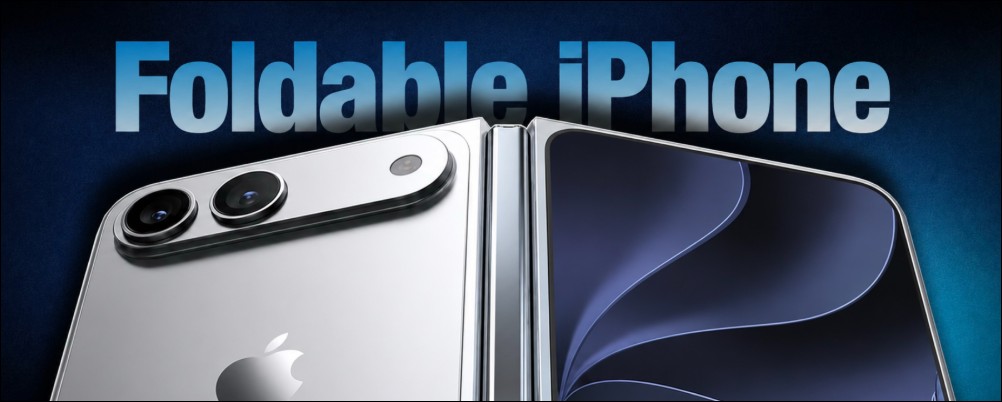
Kuo Ming-chi: Foldable iPhone to Relive iPhone X’s Tight Early Supply Scenario
The Foldable iPhone’s “iPhone X Playbook”
On July 5, 2026, Ming-Chi Kuo posted a lengthy article on the X platform with a title that directly stated: “Foldable iPhone May Replay the iPhone X Script: Launched Alongside, Available Later, Supply Constraints Continuing Through Year-End.” According to his latest industry survey, foldable iPhone assembly shipments in the second half of 2026 (2H26) are expected to reach approximately 7 to 8 million units, with Q3 2026 (3Q26) shipments of only 500,000 to 1 million units, accounting for approximately 10% of the total.
— 郭明錤|Ming-Chi Kuo (@mingchikuo) July 5, 2026
In comparison, the iPhone 18 Pro and Pro Max are estimated to have combined shipments of approximately 20 to 22 million units in the same quarter, significantly higher than the foldable iPhone, and have already met the inventory requirements for the official September launch. Kuo Ming-chi noted that from the perspective of 3Q26 inventory, the foldable iPhone will likely repeat the situation of the 2017 iPhone X: released alongside other models, but with pre-orders and official sales opening at a later date.
The similarities between the two products extend beyond just their timelines. Kuo emphasizes that iPhone X’s technical innovation and sales pitch lie in being the first iPhone to feature an OLED full-screen design, introducing the notch and the Face ID/TrueDepth camera system. Due to iPhone X’s high manufacturing difficulty, shipments in 3Q17 were estimated at under 1 million units. “With an innovative experience as the selling point, coupled with limited initial production due to high manufacturing difficulty, the foldable iPhone is highly similar to iPhone X in this regard.”
Evolution of Shipment Volume Forecasts
Foldable iPhone shipment forecasts have undergone multiple revisions. By late 2025, Ming-Chi Kuo initially estimated 2026 shipments at around 3 to 5 million units, with true mass production likely not arriving until 2027. By mid-2026, Apple plans to manufacture approximately 10 million foldable iPhone Ultra units, with the iPhone 18 Pro and Pro Max at around 70 million units during the same period, totaling 80 million new devices to be launched in the second half of 2026.
However, Ming-Chi Kuo’s latest research shows that even if Apple has raised its target, actual assembly shipments are likely to fall in the 7-8 million unit range. The market previously estimated 2026 shipments at around 80-100 million units, but Kuo believes this figure is overly optimistic given the high production difficulty.
Previously, the biggest manufacturing bottleneck for the foldable iPhone centered on the hinge structure, with rumors indicating that the trial production stage encountered significant engineering hurdles related to hinge reliability. However, by the end of June, the situation had improved. Positive news also emerged from the supply chain. Ming-Chi Kuo had previously revealed that the estimated mass production cost for the foldable iPhone hinge ranges from 70 to 80 USD (approximately NT$2,240 to 2,560), significantly lower than the market expectation of 100 to 120 USD, providing greater pricing flexibility for the new product. The main reason for the cost reduction lies in optimized assembly design and Foxconn’s participation. Additionally, regarding the display crease issue, earlier reports also indicated that Apple may have resolved the screen crease problem that has plagued all its competitors.
Selling Prices, Scalpers, and Resale Market Forecast
The foldable iPhone is clearly positioned for the premium market. Kuo Mingchi estimates the price will fall between $2,300 and $2,500 USD (approximately NT$73,600 to 80,000). He believes the iPhone is a necessity product with high Apple brand value, so even though the price isn’t low, as long as the quality is good enough, demand for phone upgrades will remain very strong.
Ming-Chi Kuo further predicted the dynamics of the resale market. After communicating with telecom carriers, sales channels, and resale/scalping operators (commonly known as scalpers), he concluded that even with the foldable iPhone priced at approximately $2,300 to $2,500, demand heat should persist at least until the end of 2026. This means the foldable iPhone may sell out immediately after pre-orders open, and the shipping wait time will quickly extend to 4 to 6 weeks (or longer), continuing through December.
Ming-Chi Kuo analysis: The limited initial supply, highly distinctive appearance, and innovative user experience of the folding iPhone all favor resale and proxy purchase operators in driving up resale prices in the short term. When that happens, resale prices exceeding official retail prices by 50 to 100% would not be impossible.
When can we observe the real needs?
In the note, Kuo Ming-chi specifically pointed out that the better time to observe the actual demand for the foldable iPhone is expected to fall between late 2026 and Q1 2027. By then, the holiday season will have passed, product buzz will gradually cool down, and the initial production challenges and supply constraints should have improved significantly. As the atypical factors such as launch excitement and supply limitations gradually fade away, it will better reflect whether demand for the foldable iPhone is sustainable.
Source: KOCPC Chinese