


Meta recently launched a new AI image generator called “Muse Image,” developed by Meta Superintelligence Labs, its AI-focused research division. This model, internally codenamed “Mango,” will be integrated into the Meta AI app, Instagram Stories, and WhatsApp, and will be offered free to general users. However, this seemingly straightforward creative tool immediately sparked privacy controversy after its launch.

Meta Launches ‘Muse Image’, a Brand New AI Image Generator
From a functional perspective, Muse works similarly to most AI image generators on the market: you can enter prompts to generate lots of silly, cartoon-style, or creative images. If you’re stuck on what to enter, Meta also offers “preset prompts” — a collection of pre-designed inspiration templates to help users get started quickly.
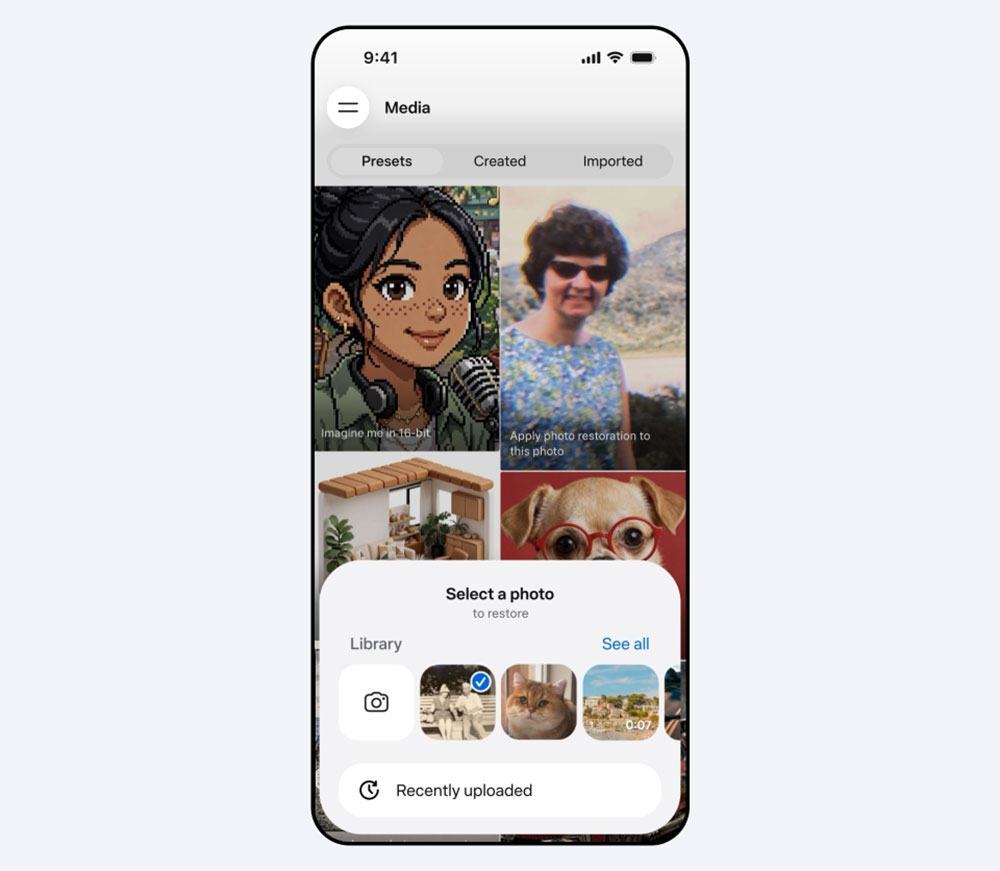
What really sparked discussion was an even more invasive capability: Muse allows users to use AI to process photos of other Instagram users, as long as their accounts are public. The operation is very simple—you just tag that user in your prompt, and Muse can capture their public photos and generate new AI images.Wired was the first to point outThis feature may infringe on users’ portrait rights and privacy.
According to Wired, Meta stated clearly in its documents: “Others may be able to use Meta’s AI features to create new content using your Instagram content,” and “you will not receive any notification.” In other words, if your account is public, your photos could be used for AI generation without your knowledge. Meta emphasizes that users “have control” over this feature and provides settings options to disable AI use of their photos. However, this “opt-out by default” design has still drawn considerable criticism.
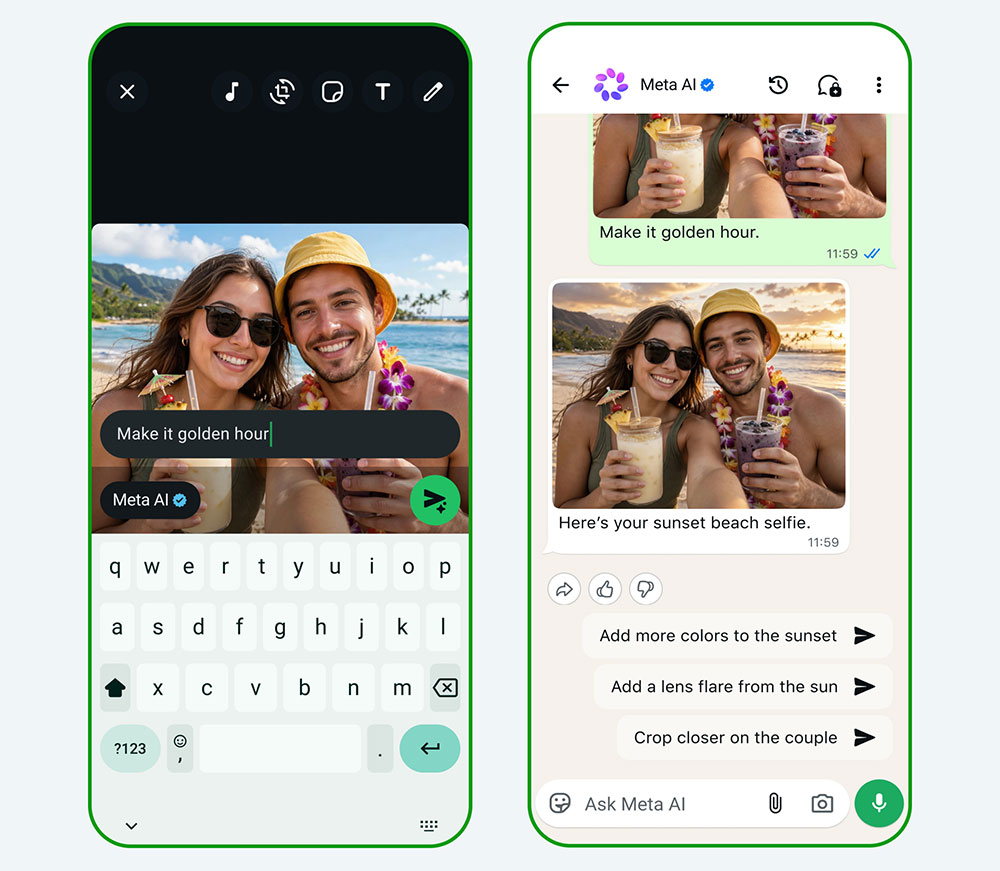
Beyond the controversial aspects, Muse also has some milder, more practical use cases. For example, it can help create customized ads—AI’s penetration into the advertising industry has been one of the most obvious trends over the past year. In the video demo, users can even use Muse to preview how a second-hand sofa would look in their own garage, and this feature will be integrated with Facebook Marketplace in the future, allowing users to “try out” second-hand furniture before purchasing.
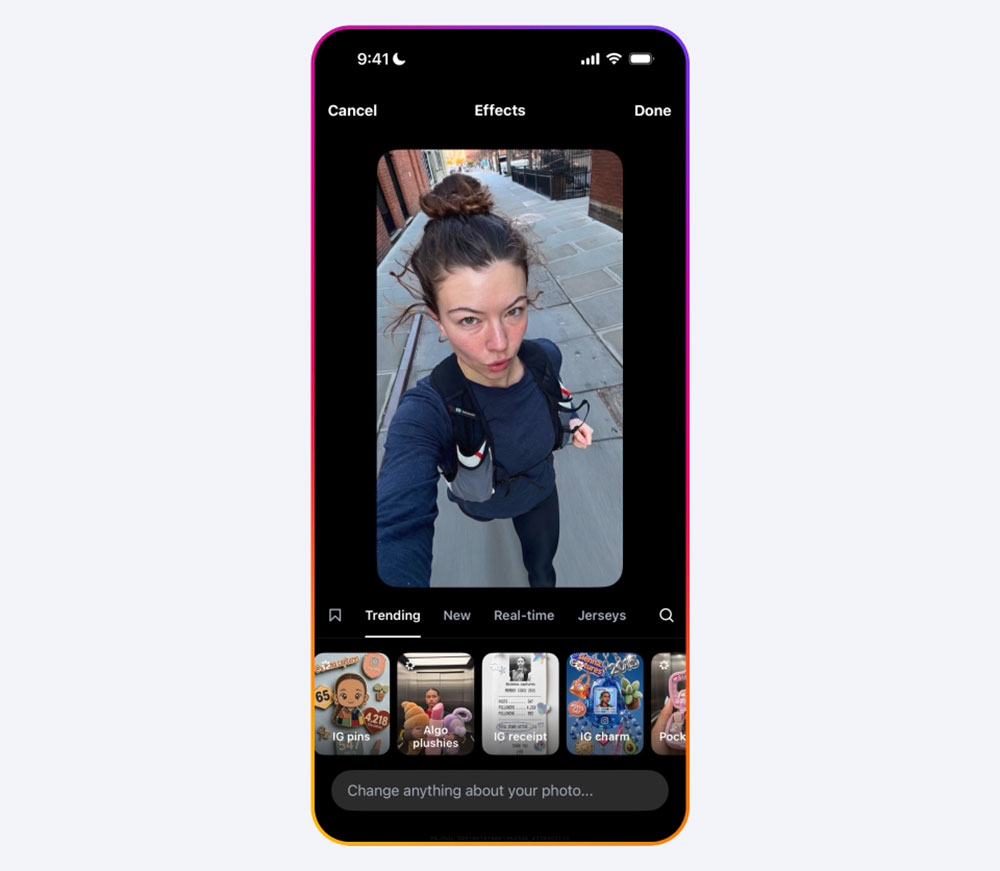
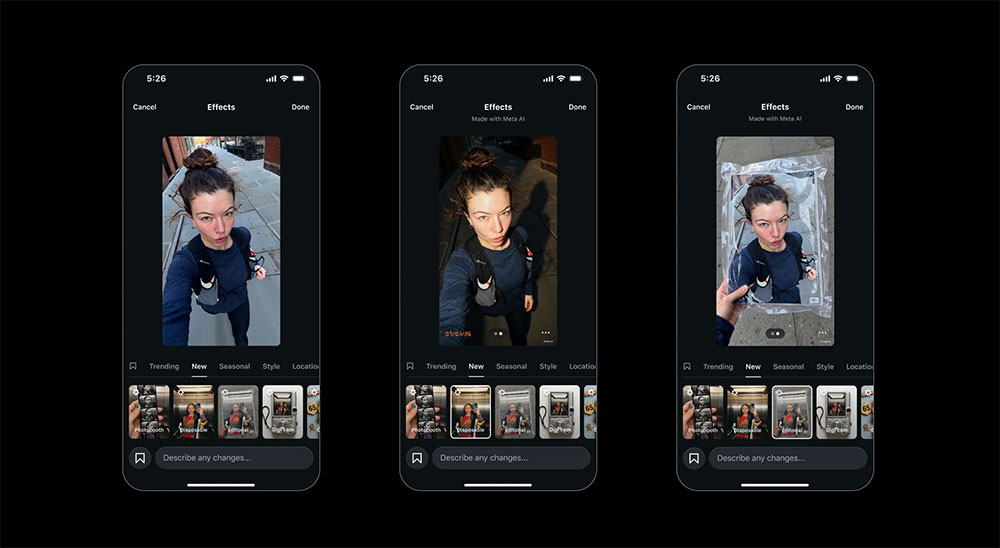
Muse also supports prompt-based image editing capabilities, allowing users to generate new images or modify existing photos, and share directly across Meta’s platforms. Meta says users can ask Muse to simulate a photo of themselves standing in front of a historical landmark, cleanly remove passersby from the background, or even generate a functional QR code. At the same time, Meta is also launching a series of Muse-powered Instagram Stories AI effects, including various customizable filters, enabling users to transform photos in more creative ways.
Meta says Muse’s core features will be provided free to general users for “everyday creation.” However, if usage exceeds a certain limit, users will need to subscribe to Meta’s paid plan. As for visual generation, Meta also revealed it is developing Muse Video, a tool speculated to be an AI video generator.
Over the past year, Meta has rolled out multiple AI products, including a Creator assistant designed to help creators and a Pocket application capable of simulating game code writing. Although Meta continues to ramp up investment in AI infrastructure and actively expand its services, the outside world still widely views its AI strategy as lacking a clear direction. The launch of Muse, to some extent, once again highlights Meta’s rapid experimentation and constant iteration in its AI product lineup.
Source: KOCPC Chinese